Plastic surgery restores form and function through reconstructive procedures, cosmetic enhancements, and body contouring.
Send us all your questions or requests, and our expert team will assist you.
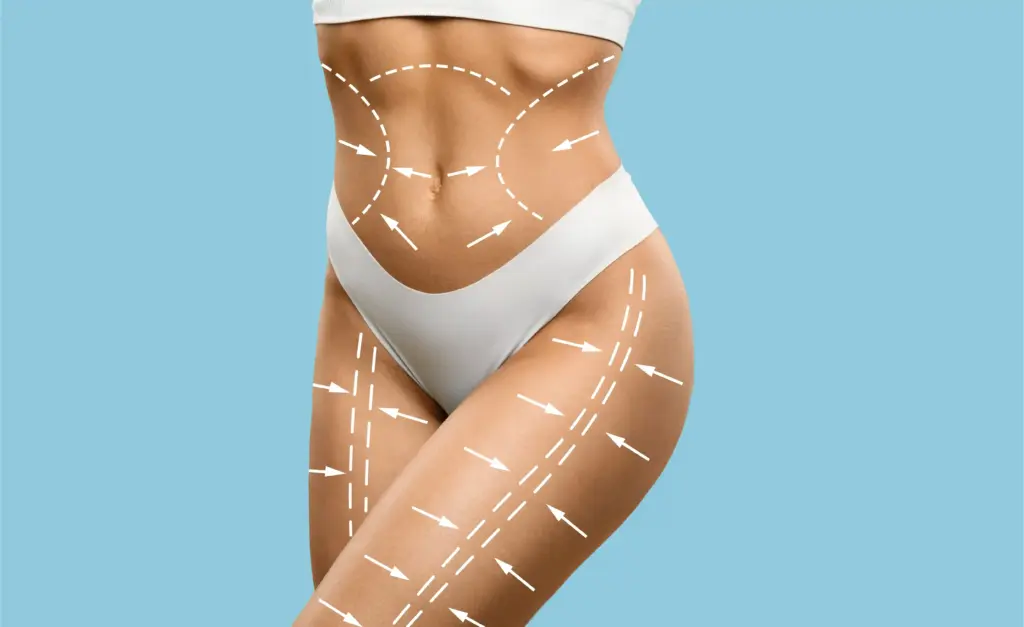
The Brazilian Tummy Tuck, also known as lipoabdominoplasty, is a new approach to abdominal contouring. Instead of just removing extra skin for a flat look, this method sculpts the whole torso. It combines thorough liposuction with skin removal to create a more natural, athletic shape, not just a flat or boxy result.
Surgeons using this technique see the abdomen as the main feature of the torso, not a separate part. Their aim is to shape the waist, highlight the hips’ curves, and show the muscles underneath. This creates a natural and attractive look from all angles, not just the front.


Lipoabdominoplasty combines the benefits of liposuction and a tummy tuck in one procedure. Surgeons used to avoid doing both at once because of worries about blood flow. The Brazilian technique, though, protects the important tissues and blood vessels needed for safe healing.
This approach lets surgeons thin the fat layer over the whole abdomen, not just the sides. By making the abdominal flap thinner, they can lay the skin smoothly over the repaired muscles. This gives a tighter, slimmer, and more defined midsection that matches the patient’s natural shape.


One key feature of the Brazilian Tummy Tuck is that it protects the body’s lymphatic drainage system. Traditional tummy tucks can damage these vessels in the lower abdomen, causing long-lasting swelling and fluid buildup called seromas. The Brazilian method carefully avoids these important drainage channels.
By keeping Scarpa’s fascia, a deep tissue layer, intact, the body’s natural way of handling fluids works right after surgery. This means less swelling and fewer problems during recovery. Protecting the nerves also helps feeling return to the skin more quickly.
Understanding the lymphatic system is crucial to appreciating the advantages of this procedure. The lymphatic system serves as the body’s waste-disposal unit, clearing fluid and cellular debris from tissues. In extensive abdominal surgery, compromising this system is the primary cause of post-operative complications like seroma formation.
The Brazilian technique carefully protects the network of lymph vessels in the lower abdomen. By not fully separating the skin from the tissue underneath, the surgeon keeps a clear path for lymph fluid to drain. This leads to a smoother and safer recovery for the patient.

A main part of the Brazilian Tummy Tuck is fixing the abdominal muscles. Many people have diastasis recti, where the left and right muscles separate because of pregnancy or weight gain. This causes a bulge that diet and exercise alone cannot fix.
The procedure involves plicating, or suturing, these muscles back together from the pubic bone to the sternum. This internal corset tightens the abdominal wall, flattening the protrusion and narrowing the waistline. The Brazilian variation often tightens these muscles more aggressively to enhance the hourglass shape.
People store fat in their abdomen differently because of genetics and hormones. Some have fat deep around their organs, while others have it just under the skin. The Brazilian Tummy Tuck focuses on removing the soft, pinchable fat above the muscles.
Standard tummy tucks often leave behind a thick layer of fat, resulting in a smaller but still soft abdomen. The Brazilian method uses liposuction to thin this layer aggressively before the skin is tightened. This reveals the contours of the oblique muscles and the linea alba, creating a fit and toned appearance.

Send us all your questions or requests, and our expert team will assist you.

The condition of a patient’s skin is very important for surgery results. As we age, skin loses its stretch because collagen and elastin break down. Pregnancy and big weight changes can also make skin loose and cause stretch marks.
The Brazilian Tummy Tuck addresses this by removing the maximum amount of loose skin while ensuring the remaining skin is healthy and elastic. The tension is applied to the deep fascial layers rather than the skin itself, preventing the scar from stretching or widening over time. This creates a smooth, taut surface without appearing overly pulled.
The Brazilian Tummy Tuck aims to create an hourglass shape, with a narrow waist compared to the hips and shoulders. Traditional tummy tucks often ignored the sides, so patients ended up with a flat but square or boxy torso.
The Brazilian technique uses liposuction on the sides and lower back to shape the waist. This creates a noticeable curve for a more feminine look. For men, the approach is changed to make a V-shaped torso, matching their aesthetic goals.
It is essential to distinguish the Brazilian Tummy Tuck from the traditional method clearly. Traditional abdominoplasty relies almost exclusively on skin excision and muscle repair, often leaving the patient with a thick waist or residual fat bulges. It is a procedure of reduction rather than refinement.
The Brazilian method is a procedure of refinement and sculpting. It acknowledges that volume management is just as important as skin removal. By treating the fat, skin, and muscle as an interconnected system, the surgeon can achieve a result that looks like the product of intense athletic training rather than surgery.

Any surgical procedure induces a biological response to trauma, including inflammation and fluid shifts. The Brazilian technique is designed to minimize this trauma relative to the extent of the correction. By preserving the blood supply and lymphatic drainage, the body’s inflammatory response is modulated.
This physiological consideration leads to reduced bruising and a more comfortable recovery. The body can clear waste products more efficiently, and tissues receive adequate oxygenation, promoting faster, cleaner healing. This biological advantage is a key reason for the growing preference for this technique.
Keeping Scarpa’s fascia, a layer of connective tissue in the lower abdomen, is a key part of the Brazilian Tummy Tuck. In traditional surgery, this layer is often removed, which can damage important lymph channels.
Leaving Scarpa’s fascia in place acts as a barrier and helps drain fluids. It lets the surgeon do more thorough liposuction without harming the skin. This detail makes it safe to combine both procedures.
The Brazilian Tummy Tuck is suitable for a wide range of patients, particularly those with localized fat deposits and loose skin. It is the procedure of choice for “mommy makeovers,” as it addresses the specific combination of muscle separation and skin laxity caused by pregnancy.
It is also highly effective for patients with massive weight loss who have deflated fat pads and hanging skin. However, candidates must be at a stable weight and in good general health. The procedure is not a weight-loss solution but a body-contouring intervention designed to refine the physique.
In the past, tummy tucks mainly pulled the skin down to flatten the stomach. The Brazilian method also pulls the waist in from the sides to create more shape. This approach shapes the whole torso, not just the front.
By making the waist smaller from side to side and flattening the stomach, the surgeon creates a more dramatic curve. This new approach values body shape and definition, not just making things smaller.
The Brazilian Tummy Tuck is safer because it protects the blood supply to the skin. Blood reaches the abdominal skin through small vessels in the muscle. Traditional surgery can cut these vessels, which can harm the skin.
The Brazilian technique limits the undermining to only the necessary central strip, relying on the liposuction tunnels to mobilize the rest of the skin. This preserves the lateral blood vessels, ensuring the skin flap remains well perfused and healthy throughout the healing process.
The term “Brazilian” refers to a specific technique (often attributed to Dr. Saldanha) that combines aggressive liposuction of the abdomen and flanks with traditional skin removal and muscle tightening. It prioritizes preserving the lymphatic system and fascia to reduce complications and enhance the body’s curves, rather than just flattening the stomach.
No, the Brazilian Tummy Tuck is adequate for both men and women. While the goal for women is often an hourglass figure, the technique is adapted for men to create a V-shaped, athletic torso by focusing on the flanks and rectus definition, avoiding a feminine waistline.
The Brazilian Tummy Tuck is often performed as a drainless procedure because preserving Scarpa’s fascia and lymphatic vessels significantly reduces fluid buildup. While not all Brazilian Tummy Tucks are drainless, the technique inherently minimizes the need for drains compared to traditional methods.
Yes, but only those located on the skin that is excised. Typically, this includes stretch marks located below the belly button. Stretch marks on the upper abdomen remain but may be lowered and made less visible as the skin is tightened.
The belly button is not removed; it remains attached to the abdominal wall. However, the skin around it is lifted and removed. The surgeon creates a new opening for the belly button in the tightened skin and sutures it into place, often reshaping it to look more youthful.


Leave your phone number and our medical team will call you back to discuss your healthcare needs and answer all your questions.
Your Comparison List (you must select at least 2 packages)