Plastic surgery restores form and function through reconstructive procedures, cosmetic enhancements, and body contouring.
Send us all your questions or requests, and our expert team will assist you.
Breast augmentation, or augmentation mammoplasty, is one of the most common cosmetic surgeries worldwide. This procedure increases breast size, changes their shape, or alters their texture by placing an implant behind the breast tissue or chest muscle.
This surgery is not just about making the breasts bigger. It aims to balance the upper body with the hips and waist. Surgeons add volume in a way that creates a natural, attractive shape and keeps the body’s structure healthy.
The meaning of breast augmentation has changed a lot with new medical technology. Today, it is a personalized procedure, not a one-size-fits-all surgery. Modern methods focus on protecting soft tissue and keeping the breast healthy over time.
Surgeons measure the chest width, tissue stretch, and the natural shape of the breast to choose an implant that fits each person. This helps the results look natural and part of the body, not artificial.

Choosing breast augmentation is a personal decision, often made for self-improvement. The physical changes are clear, but the emotional effects are just as important. Many women feel more feminine and confident after the surgery.
This surgery can help with insecurities from having smaller breasts that did not develop as expected during puberty. Fixing this can ease social anxiety and help patients feel more comfortable in social and work situations.
Body image is complicated, and breasts are important to how many women see their femininity. Changes from aging or breastfeeding can make women feel like they have lost something. Breast augmentation can help restore this and give women more control over their body shape as they age.
While surgery can boost self-esteem, it does not fix deeper mental health problems or body dysmorphic disorder. Being in a good mental state and having realistic expectations are key for a good result. The best outcomes happen when the decision comes from the patient’s own wishes, not outside pressure.

Knowing what makes up the breast is important for this surgery. Breasts are made of gland tissue, connective tissue, and fat. The amount of each type varies from person to person and changes with age and hormones.
Implants are foreign objects placed in the body. The body responds by forming a layer of scar tissue around the implant, which is normal. How the implant and this scar tissue interact affects how soft and natural the breast feels over time.
The skin holds the breast tissue and the implant. How stretchy the skin is affects how well it can handle the extra volume. If the skin is tight, it may need time to stretch. If it is loose, a breast lift may be needed along with augmentation to get a firm look.
Surgeons check how thick the fat and gland tissue are by doing a ‘pinch test.’ This helps them decide where to place the implant. Enough soft tissue is needed to hide the edges of the implant and prevent it from showing or rippling.
Breast augmentation relies on implant technology. Modern implants use either sterile salt water (saline) or silicone gel as fillers. Both types have a silicone shell, but they feel and behave differently.
Saline implants are filled with salt water during surgery. They can be inserted empty, so the incision is smaller. If a saline implant breaks, the body absorbs the water safely, and the breast quickly looks deflated.
Silicone implants come pre-filled with a thick gel that feels like natural breast fat. Modern silicone gel holds its shape even if the shell breaks. This is called ‘gummy bear’ technology because the gel stays in place, like a gummy candy.
Many people prefer silicone implants because they look and feel more natural. They are less likely to ripple and come in many shapes and firmness levels. If a silicone implant breaks, it does not deflate right away, so regular imaging is needed to check for leaks.
Breast implant safety has been studied for many years. The silicone shell used in both saline and silicone implants is made to be safe in the body and not cause harmful reactions.
Modern implants have special layers to keep silicone from leaking out through the shell. This helps prevent the silicone from touching nearby tissue, which lowers the risk of swelling and hardening around the implant.
Although implants are safe, they do not last forever. Over time, the shell can wear out, and the body’s response may change. Most people will need more surgery to replace or remove implants at some point in their lives.
Surgeons teach patients to keep an eye on their implants. It is important to notice any changes in shape, feel, or sensation. Good results depend on regular check-ups and paying attention to breast health.
Implant shells can be smooth or textured. Smooth implants move easily inside the breast, which feels more natural. They are most often used for round implants.
Textured implants have a rough surface that sticks to the tissue, helping keep the implant in place and lowering the risk of hardening. This type is mainly used for teardrop-shaped implants so they do not turn out of position.
Newer implants have micro-texture or nano-texture surfaces. Nano-texture helps the implant stick to tissue without causing as much friction as rougher textures. The best surface type depends on each patient’s body and safety needs.
Surgeons consider the pros and cons of different textures. Their goal is to make the results last as long as possible while avoiding problems with the tissue.
Breast augmentation is usually cosmetic, but it can also fix problems like uneven breasts or tuberous breast shape. In these cases, it is a reconstructive surgery that can improve posture and how clothes fit.
Adding volume can change your center of gravity, but this rarely causes back pain unless very large implants are used. Surgeons help patients choose a size that lets them stay active and comfortable.
Future breastfeeding is also considered. Surgeons use methods that protect the milk ducts and nerves needed for breastfeeding. Most women with implants can breastfeed, but this is discussed before surgery.
Mammograms have changed to work with implants. Special views help doctors see the breast tissue clearly. Having implants does not stop you from getting regular cancer screenings, which are still very important.

Send us all your questions or requests, and our expert team will assist you.
Breast augmentation increases breast volume and size using an implant. A breast lift, or mastopexy, removes excess skin and tightens the surrounding tissue to reshape and support the breast without necessarily adding volume. Many patients require a combination of both to achieve their desired look.
Breast implants are not considered lifetime devices. While many last for 10 to 20 years or more without issues, they are subject to wear and tear. You may require replacement surgery in the future due to rupture, capsular contracture, or a desire to change size.
Current scientific evidence does not support a link between breast implants and an increased risk of breast cancer. However, there is a rare type of lymphoma (BIA ALCL) associated with certain textured implants, which is why smooth implants are often preferred.
Most women with breast implants can breastfeed. The incisions are usually placed in areas that minimize damage to the milk ducts and nerves. However, there is no guarantee, and some women may experience reduced milk production.
Modern cohesive gel silicone implants are designed to closely mimic the feel of natural breast tissue. When placed under the pectoral muscle, they are covered by your own tissue, making them less palpable and more natural to the touch.

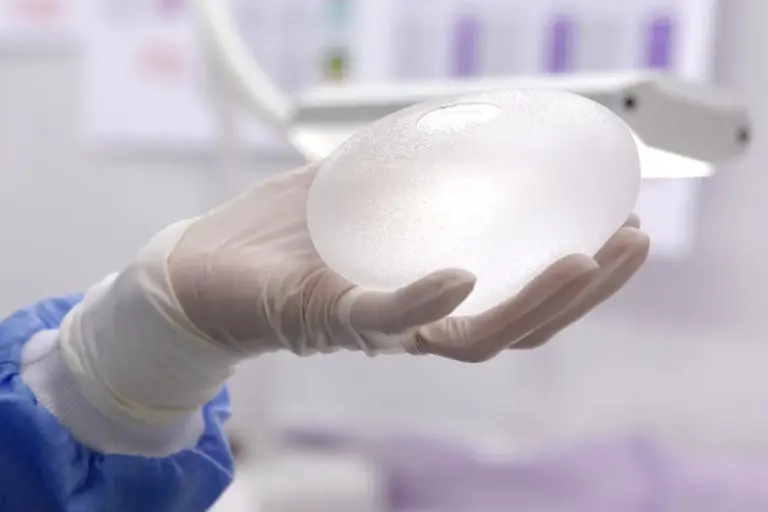 Breast Augmentation
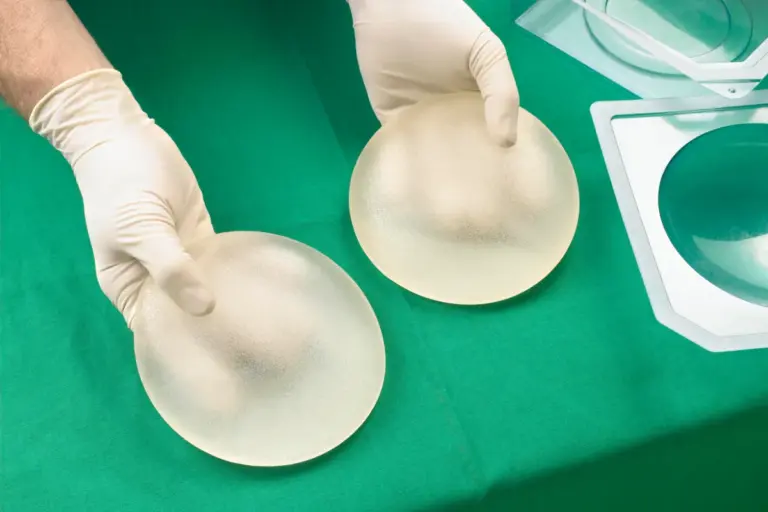 Breast Augmentation
 Breast Augmentation
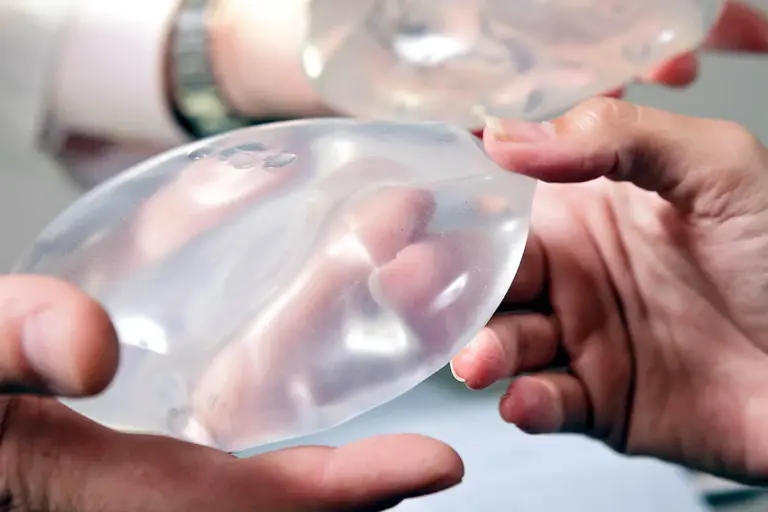 Breast Augmentation
Leave your phone number and our medical team will call you back to discuss your healthcare needs and answer all your questions.
Your Comparison List (you must select at least 2 packages)