Plastic surgery restores form and function through reconstructive procedures, cosmetic enhancements, and body contouring.
Send us all your questions or requests, and our expert team will assist you.
The Brazilian Butt Lift is the most popular procedure for gluteal enhancement. It involves a two-step process: liposuction and fat injection. First, the surgeon performs comprehensive liposuction on the torso, typically targeting the abdomen, flanks (“love handles”), and lower back. This not only harvests the necessary fat but also sculpts the waistline to accentuate the buttocks.
Once the fat is collected, it is processed to remove impurities such as blood, oil, and tumescent fluid. The purified fat is then carefully injected into the subcutaneous layers of the buttocks. The surgeon uses specific cannulas to place micro-droplets of fat at various depths (consistently above the muscle) to ensure smooth, uniform coverage and optimal survival of the fat cells.

Gluteal implant surgery involves the surgical insertion of silicone implants to add volume and projection. An incision is typically made in the intergluteal cleft (the crease between the buttocks) to hide the scar. Through this incision, the surgeon creates a pocket for the implant.
The standard placement is intramuscular, meaning the implant is placed within the fibers of the gluteus maximus muscle. This provides excellent coverage, preventing the implant from being visible or palpable. It also secures the implant in place, reducing the risk of migration or rotation.

The “Skinny” BBL is a variation of the traditional procedure designed for patients with a lower Body Mass Index (BMI). These patients have limited fat stores, so the surgeon must be meticulous in harvesting fat from every available area, including the arms, inner thighs, and calves, as well as the trunk.
The goal is to maximize the harvest to obtain enough fat for a modest but noticeable enhancement. While the volume added may be less than in a standard BBL, the dramatic sculpting of the surrounding areas creates a significant visual impact, enhancing curves on a slender frame.
Composite augmentation combines implants with fat grafting. This hybrid procedure is ideal for patients who are too thin for a full BBL but desire more volume than implants alone can provide. The implant offers the core projection and volume, while the fat is used to soften the edges and fill in areas the implant cannot reach, such as the lateral hips.
This technique allows for a highly customizable result. The fat acts as a “blanket” over the implant, ensuring a natural feel and look. It also allows the surgeon to correct hip dips and blend the transition zones, which implants cannot do effectively.
The traditional gluteal lift is an excisional procedure that removes loose skin to lift the buttocks. An incision is typically made along the upper buttock/lower back junction, often extending into the flank area. A section of skin and fat is removed, and the remaining skin is pulled up and sutured.
This procedure is standard for patients with massive weight loss who have significant sagging “skin aprons.” While it leaves a visible scar, the trade-off is a dramatic improvement in the contour and position of the buttocks, eliminating the hanging tissue that causes physical and aesthetic discomfort.
The Butterfly Lift is a variation of the gluteal lift where the incision is made in the gluteal crease (the fold under the buttock) and extends medially towards the groin. This approach lifts the lower buttocks and tightens the inner thighs.
It is particularly effective for patients whose sagging is concentrated in the lower pole and inner thigh. The scar is hidden in the natural crease, making it less visible than the upper buttock lift scar, especially when wearing swimwear.
The Spiral Lift, or lower body lift, is an extensive procedure that encompasses the entire body. The incision runs from the back, around the hips, to the front of the abdomen. This lifts the buttocks, outer thighs, and anterior abdomen in one continuous suspension.
This is the gold standard for patients with massive weight loss and circumferential laxity. It provides the most dramatic lifting effect, reshaping the entire lower torso. The procedure not only lifts the buttocks but also stabilizes the position of the lateral thighs and flattens the stomach.
Auto-augmentation is a specialized technique used during a gluteal lift. Instead of cutting away the excess deep fat and tissue along with the skin, the surgeon preserves this tissue. The skin is stripped off, and the underlying tissue is rolled up, folded, and tucked under the gluteal muscle or fascia.
This creates a “living implant” made of the patient’s own tissue. It provides projection and volume while simultaneously lifting the buttocks. This is an excellent option for weight-loss patients with flattened buttocks who do not have enough excess fat for a BBL.
For patients seeking a non-surgical option, Sculptra (poly-L-lactic acid) injections can gradually add volume. Sculptra is a biostimulator that triggers the body to produce its own collagen. It is injected into the buttocks in a series of treatments.
While the volume increase is less subtle than surgery, it improves skin quality, reduces the appearance of cellulite, and rounds out the shape. It requires no downtime and no incisions, making it popular for patients who cannot undergo surgery or lack donor fat.
Hip dips, or trochanteric depressions, are indentations on the side of the hips caused by the skeletal structure. Correcting them is a specific sub-procedure of the BBL. The surgeon specifically targets the harvesting of fat to ensure enough is available to fill these depressions.
Injecting fat into the hip dips rounds out the silhouette, creating a continuous curve from the waist to the thigh. This contributes significantly to the hourglass figure. In thin patients, fillers or composite approaches may be used if fat is scarce.
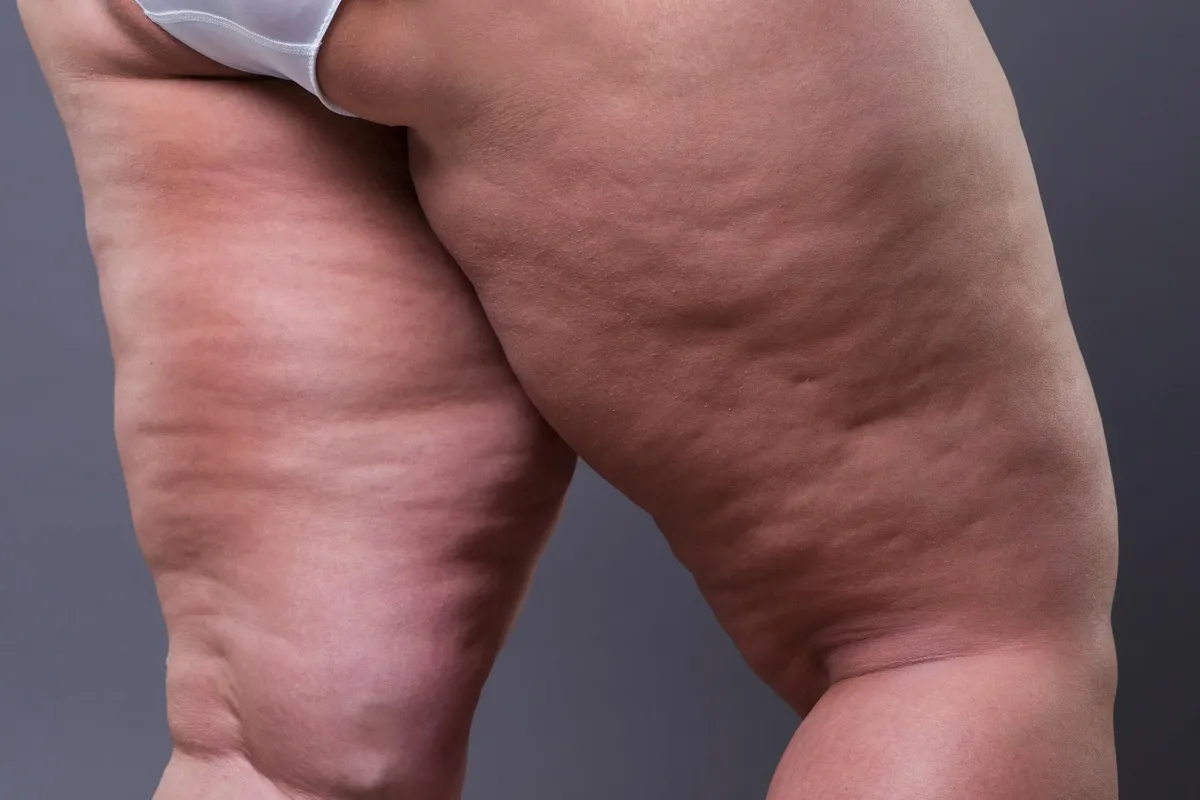
Cellulite reduction is often performed alongside gluteal augmentation. A technique called subcision is used to cut the fibrous bands (septae) that pull the skin downward, causing dimples. The surgeon uses a special needle or blade to release these bands under the skin.
Once released, the skin snaps back up, smoothing the surface. Fat grafting can then be placed under the released area to prevent the bands from reconnecting and to provide a smooth cushion. This significantly improves the texture of the buttocks.
Revision surgery corrects complications or unsatisfactory results from previous procedures. This might involve removing infected implants, correcting asymmetry caused by uneven fat survival, or lifting sagging skin that persists after a BBL.
Revision cases are complex and require advanced planning. Fat grafting revisions often need “second harvest” strategies to find enough fat. Implant revisions may involve changing the implant pocket or its size. The goal is to restore balance and address functional or aesthetic deficits.

Send us all your questions or requests, and our expert team will assist you.
A BBL can improve the appearance of cellulite by stretching the skin with added volume, but it doesn’t cure it. For deep dimples, the surgeon performs subcision (cutting the bands) during the surgery to release the indentations and create a smoother surface.
Implants are generally recommended for patients with lower body fat. If you are overweight, a BBL is usually the better option because you have ample donor fat, and liposuction will help shape your body better than implants would.
A Liquid BBL refers to using injectable fillers like Sculptra or Hyaluronic Acid to add volume to the buttocks without surgery. It is a good option for subtle changes or hip dips, but requires a lot of product for a significant size, making it expensive.
If your buttocks look deflated or saggy with folds of skin, you likely need a lift. Implants add volume but can make sagging worse if the skin is loose. A lift removes the skin. Often, a combination is best for deflated buttocks.
No. Typically, 60% to 80% of the transferred fat survives permanently. The body absorbs the rest. Surgeons usually overfill slightly to account for this. Avoiding pressure on the area during recovery is critical for maximum survival.


Leave your phone number and our medical team will call you back to discuss your healthcare needs and answer all your questions.
Leave your phone number and our medical team will call you back to discuss your healthcare needs and answer all your questions.
Your Comparison List (you must select at least 2 packages)