Plastic surgery restores form and function through reconstructive procedures, cosmetic enhancements, and body contouring.
Send us all your questions or requests, and our expert team will assist you.
Fat transfer, or autologous fat grafting, is a procedure that moves your own fat from one part of the body to another to improve shape and fullness. Surgeons take fat from areas like the abdomen or thighs and place it where more volume is needed, such as the face, breasts, or buttocks.
Surgeons often describe this procedure as a way to recycle the body’s own resources. Unlike synthetic implants or fillers, fat is living tissue that blends naturally with the area it is placed. It provides a lasting result that changes with your body over time, giving a natural look and feel.
The success of fat transfer depends on how well the moved fat cells survive. For them to last, they need to connect to a new blood supply in their new location, a process called neovascularization. Surgeons use gentle methods and careful placement to help as many fat cells survive as possible.
Since the fat comes from your own body, there is no risk of allergy or rejection. This makes fat grafting a popular option for people who want a natural, low-risk way to enhance or restore their appearance. It uses the body’s own ability to heal and renew.

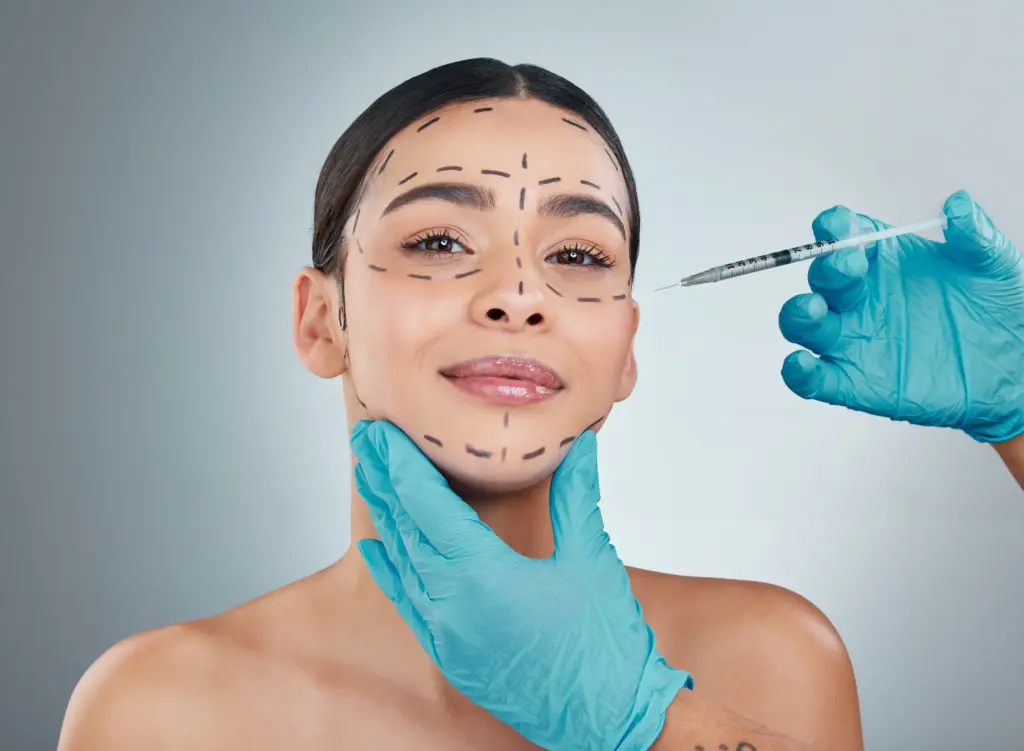
Adipose tissue, or body fat, does more than store energy. It includes fat cells, connective tissue, blood vessels, and many stem cells. All these parts help make fat transfer successful.
The structure inside fat gives support and volume. When fat is moved, this structure helps the new tissue settle in. The stem cells in the fat can also help improve the skin above the graft, a benefit known as the stem cell effect.
Surgeons need to understand the biology of fat to get good results. Fat cells are delicate and must be handled gently. If they break before being transplanted, they will not survive and may turn into small oil cysts. Protecting these cells is key to successful fat grafting.
Surgeons use special tools to gently collect fat at low pressure. They then process the fat to remove extra fluid and debris, keeping the healthiest cells, including stem cells. This careful preparation helps the transplanted fat survive and do well in its new location.

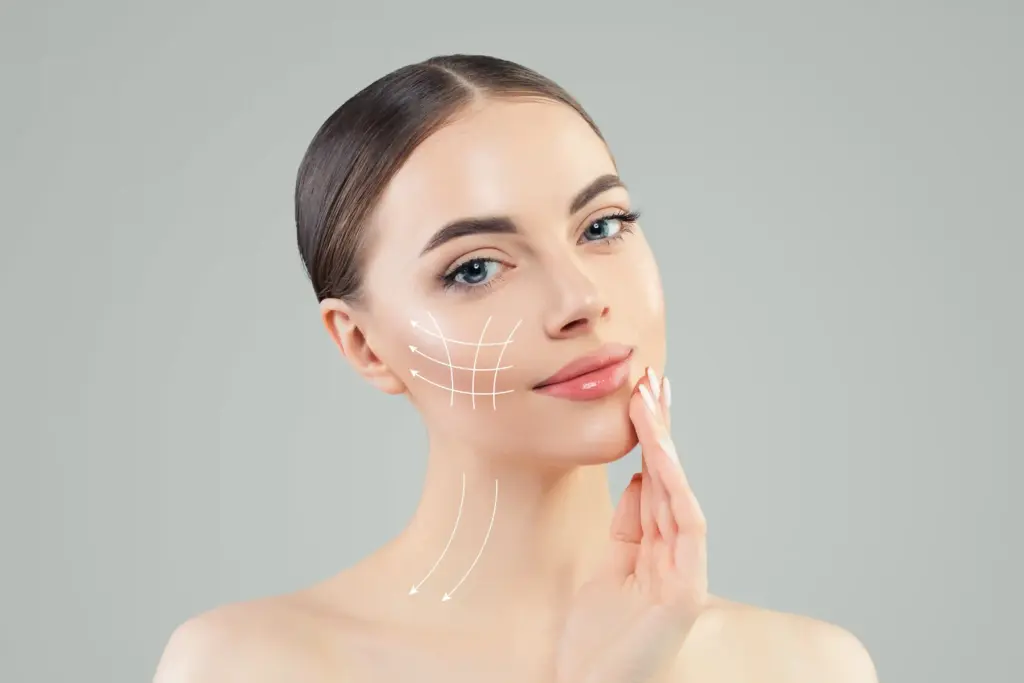
Structural fat grafting means placing small amounts of fat in different layers of tissue. Rather than injecting a large amount in one spot, the surgeon spreads tiny droplets into the muscle, fascia, and under the skin.
By layering the fat, each droplet touches healthy tissue with a good blood supply. This helps oxygen and nutrients reach the fat cells right away, keeping them alive until new blood vessels grow. The process is careful and three-dimensional, like sculpting.
This method lets surgeons add volume slowly and accurately, copying the body’s natural layers. By putting fat deep near the bone, in the muscle, and just under the skin, they rebuild the support structures that may be lost with age or missing from the start.
This approach also helps the results last. Fat placed in areas with good blood flow, like muscle, survives better than fat put in scar tissue or loose skin. Careful placement is just as important as how the fat is collected for the best results.
Fat grafting is tailored to each area of the body. The fat is processed into different sizes. Macrofat means larger pieces of fat, used to add more volume, such as in the buttocks (BBL) or breasts, where a bigger shape is wanted.
Microfat is made by breaking the fat into smaller clusters. This is best for adding volume to the face, like filling hollow cheeks, temples, or deep lines. The small size lets surgeons inject it smoothly with thin tools, avoiding lumps in sensitive areas.
Nanofat is the most refined type of fat grafting. The fat is processed into a liquid that is full of stem cells and growth factors, but has very few fat cells for adding volume. It is injected just under the skin to improve skin quality, texture, and color, not to add fullness.
Nanofat works as a skin-rejuvenating treatment. It is used for dark circles under the eyes, fine lines around the mouth, and sun-damaged skin on the chest. By using different types of fat, surgeons can target specific concerns with the right approach.
One of the most exciting things about fat transfer is its ability to help tissues heal and renew. The stem cells in the fat can turn into different cell types and release growth factors, which help refresh the tissues around the graft.
Many patients notice that the skin over the fat graft looks healthier, thicker, and more glowing a few months after surgery. This happens because the stem cells help make new collagen and blood vessels in the skin. It works like a natural skincare treatment from the inside.
This healing effect is especially helpful in reconstruction, like fixing skin damaged by radiation or improving scars. The stem cells in the fat can soften hard tissue and make damaged skin more flexible. Fat transfer stands out because it adds both volume and healing, unlike regular fillers.
Ongoing research is finding more ways to use these healing properties. Fat transfer is becoming more than just a cosmetic procedure it can also improve the health of the treated area.
Fat transfer is a key part of modern body shaping. Liposuction takes away extra fat, and fat transfer uses it to improve other areas. This means you can slim one part of your body and enhance another at the same time, changing your overall shape.
The Brazilian Butt Lift is a well-known example, where fat is taken from the waist to make it smaller and added to the buttocks for more shape. This approach can also fix hip dips or enhance the breasts while slimming the stomach. It’s a way of reshaping the body by moving fat where it’s needed.
This approach creates a more balanced look. Rather than focusing on just one area, the surgeon looks at your whole body shape. For example, taking fat from the sides can make the buttocks stand out more, and removing fat from under the arms can make the breasts look fuller.
By looking at the whole body, fat transfer changes body contouring from just removing fat to actually reshaping your figure. It uses your own fat to create balance and symmetry that diet and exercise can’t always provide.
Facial fat grafting aims to bring back the youthful shape of the face, which is wider at the top and narrower at the bottom. As we age, we lose volume in the upper face and gain it lower down. Fat grafting helps by refilling the areas that have lost fullness.
Surgeons try to restore the gentle curves that make a face look young. While a facelift tightens loose skin, fat grafting replaces lost support under the skin. Sometimes both procedures are done together to fix both sagging and volume loss for a more complete result.
The aim is to bring back your natural look from 10 or 15 years ago, not to change your features. Surgeons avoid adding too much fat to prevent an unnatural look. They focus on careful placement to gently lift and brighten your features.
This method takes your unique facial structure into account. By adding fat to the natural areas of the face, the results move naturally with your expressions. It restores a lively, natural look.
Choosing between natural fat and synthetic fillers or implants is an important decision. Fillers like hyaluronic acid are temporary and need to be repeated, but they are precise and require no recovery time. Implants give a set amount of volume but can have risks like hardening or moving out of place.
Fat offers a permanent, autologous middle ground. While the initial procedure is more involved than fillers, the long-term results are often more cost-effective and feel more natural. There is no risk of implant rupture or the need for implant replacement surgery every decade.
Fat feels just like the rest of your body because it is your own tissue. Once healed, it is warm, soft, and blends in with your natural fat. For people who want to avoid foreign materials, fat transfer is the most natural choice.
However, fat is less predictable than implants. The body will reabsorb a certain percentage of the transferred fat. This variability requires the surgeon to slightly overcorrect or plan for a secondary touch-up, whereas an implant provides a known, fixed volume.
The procedure is conceptually divided into three distinct stages: harvesting, processing, and injection. Each stage is equally critical to the outcome. Harvesting involves the gentle aspiration of fat using low vacuum pressure to avoid damaging the cells.
Processing involves separating the vital fat cells from the blood, anesthetic fluid, and oil released by ruptured cells. This can be done through centrifugation, filtration, or washing. Injecting involves the meticulous placement of the purified fat into the recipient site.
Failure in any stage compromises the result. If harvesting is too aggressive, cells die. If processing is inadequate, inflammation increases. If the injection is too rapid or bolus-like, the graft fails to vascularize. Mastery of all three stages is what defines an expert in fat grafting.
This technical demand distinguishes fat grafting from simple injections. It requires a surgical mindset and specialized equipment. The workflow is designed to minimize the time the fat is outside the body, preserving its vitality for reimplantation.
Many patients begin their journey with off-the-shelf fillers and graduate to fat transfer. Fillers are an excellent entry point for addressing minor volume loss or testing a new look. However, as the volume needs increase, fillers become less economical and can look artificial.
Fat transfer becomes the logical next step for global volume restoration. When a patient requires multiple syringes of filler to achieve a result, fat becomes the more practical and aesthetic choice. It allows for the treatment of the entire face or large body areas in a single session.
The evolution also reflects a shift in patient mindset from maintenance to permanence. Patients often tire of the biannual appointments required for fillers. Fat transfer offers a “one and done” appeal, though maintaining the aging process itself is still necessary.
Furthermore, fat can be placed in areas where fillers are risky or less effective, such as the upper eyelids or the entire gluteal region. It expands the possibilities of rejuvenation beyond what synthetic gels can offer.

Send us all your questions or requests, and our expert team will assist you.
Fat transfer uses your body’s own fat, harvested via liposuction, to provide a long-lasting, natural result. Dermal fillers are synthetic gels (like hyaluronic acid) that are temporary and require repeat injections every 6 to 18 months.
Yes, the fat cells that successfully survive the transfer process (typically 60-80%) are permanent. They will live in the new location for the rest of their lives, behaving just like the other fat cells in that area.
No, rejection is impossible because the tissue is autologous (from your own body). There is no risk of an allergic reaction or immune system reaction, making it one of the safest volumizing options available.
It is called structural because the fat is arranged in tiny structural layers rather than a single big lump. This layering builds a scaffold of new tissue that integrates with your muscles and skin to provide actual support and lift.
Yes, the fat contains stem cells, which can rejuvenate the overlying skin. Many patients notice improved texture, thickness, and a healthy glow in the skin where the fat was injected, an effect not seen with synthetic fillers.

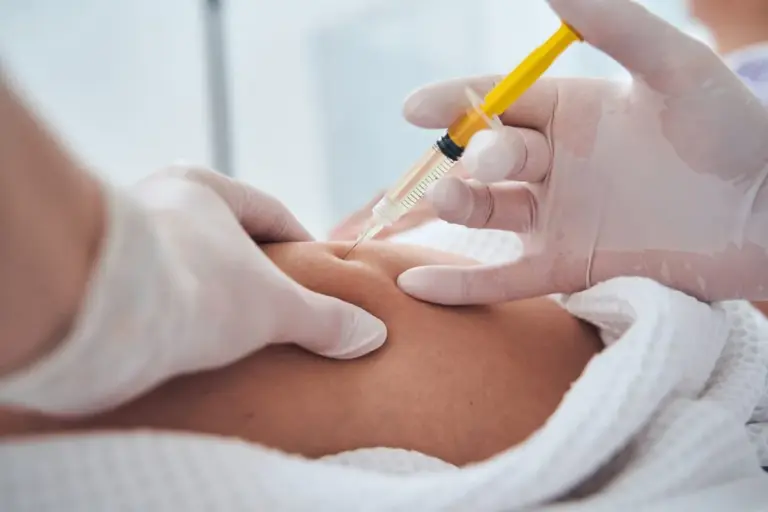 Fat Transfer
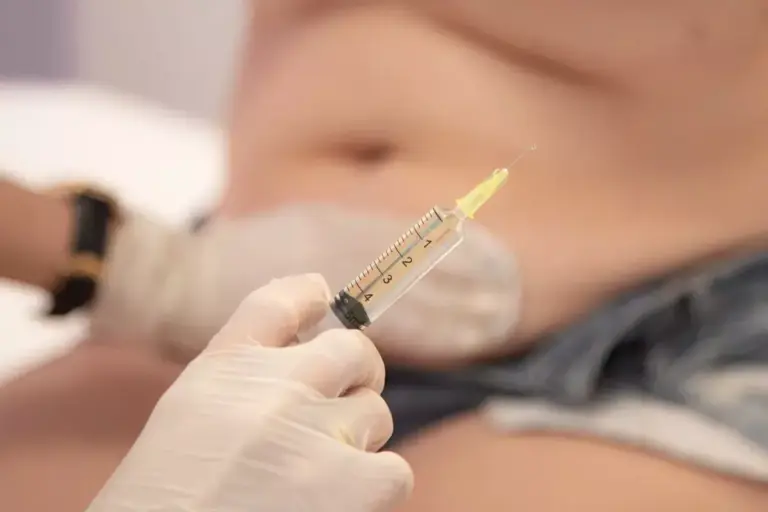 Fat Transfer
 Fat Transfer
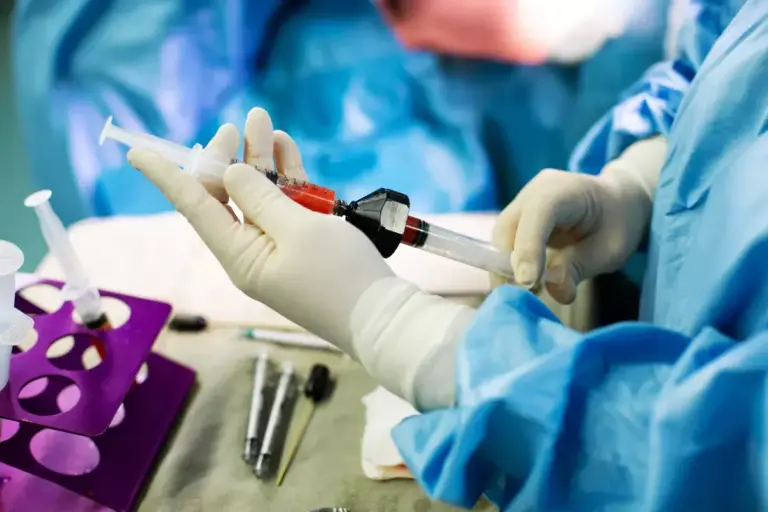 Fat Transfer
Leave your phone number and our medical team will call you back to discuss your healthcare needs and answer all your questions.
Your Comparison List (you must select at least 2 packages)