Plastic surgery restores form and function through reconstructive procedures, cosmetic enhancements, and body contouring.
Send us all your questions or requests, and our expert team will assist you.
Labiaplasty of the minora is the most frequently performed aesthetic genital procedure. It targets the inner lips of the vulva. The primary goal is to reduce the size of the hypertrophic tissue so that it sits flush with or inside the labia majora.
The two most common techniques are the trim method and the wedge method. The trim method involves removing the dark, irregular edge of the labia. The wedge method removes a pie-shaped piece of tissue from the center, preserving the natural edge.

Labiaplasty of the majora addresses the outer lips. This procedure can involve either reduction or augmentation. Reduction is performed when the skin is loose and sagging, often after weight loss or aging. A strip of skin is removed from the inner or outer aspect to tighten the area.
Augmentation is performed when the majora have lost volume and appear deflated. This is typically achieved through autologous fat transfer, where fat is harvested from another part of the body and injected into the labia to restore fullness and youthfulness.

Vaginoplasty is a reconstructive procedure designed to tighten the vaginal canal. It addresses the separation of the levator ani muscles that often occurs during childbirth. The surgeon brings these muscles back together with strong sutures, effectively narrowing the diameter of the vagina.
This procedure also involves removing excess vaginal lining (mucosa). The result is increased friction during intercourse and a strengthening of the pelvic floor support structures. It is a powerful functional repair.
Clitoral hood reduction, or hoodectomy, removes the excess folds of skin surrounding the clitoris. This is rarely done as a standalone procedure and is usually combined with a labiaplasty to ensure a balanced aesthetic result. If the labia are reduced but the hood remains bulky, the result can look top-heavy.
The incision is carefully planned to avoid the dorsal nerve of the clitoris, which provides sensation. The goal is to streamline the upper vulva without exposing the clitoris to uncomfortable chafing.
Perineoplasty focuses on the perineum, the bridge of tissue between the vagina and anus. This area is often torn or cut (an episiotomy) during delivery, resulting in scar tissue or laxity. The surgery removes the scar tissue and tightens the superficial muscles.
This procedure not only improves the cosmetic appearance of the vaginal opening but also restores the anatomical barrier between the vagina and rectum. It can significantly reduce pain associated with scar tissue during intimacy.
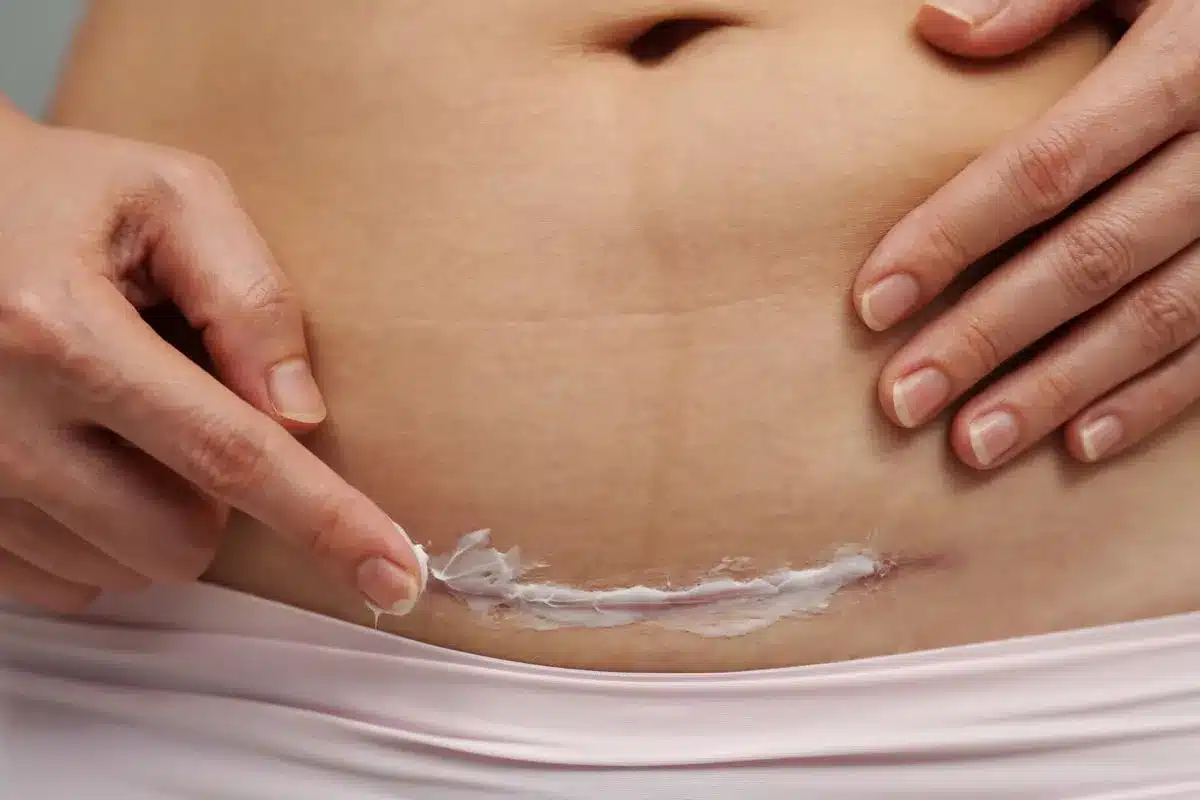
Monsplasty addresses the mons pubis, the fatty mound above the genitals. Excess fat here can be reduced with liposuction. If the skin is loose and sagging, a horizontal incision is made (similar to a C-section scar or tummy tuck) to remove the skin and lift the remaining tissue.
This procedure prevents the mons from bulging in clothing and restores a flatter, more aesthetic contour to the lower abdomen and pubic area.
Hymenoplasty is the surgical reconstruction of the hymen. It involves finding the remnants of the torn hymen and suturing them back together using delicate, dissolvable stitches. This is primarily a cultural or personal restoration procedure.
The healing process creates a membrane that will tear and bleed upon subsequent intercourse. It is a delicate procedure that requires precise tissue handling to ensure proper healing without excessive scarring.
Aside from surgical reduction, the labia majora can be rejuvenated through volumizing. Hyaluronic acid fillers or the patient’s own fat can be injected to plump up deflated lips. This helps cover the inner labia and provides a more youthful, cushioned appearance.
Fat grafting offers a longer-lasting result compared to fillers. The fat is harvested via gentle liposuction, processed, and carefully injected into the labia majora.
Radiofrequency (RF) devices deliver controlled thermal energy to the vaginal and vulvar tissues. This heat stimulates the production of new collagen and elastin and improves blood flow. It is used for mild tightening and to improve vaginal lubrication.
Treatments are typically performed in a series. They are painless and require no downtime. While they cannot replicate the results of surgery for significant laxity, they are excellent for maintenance and mild symptoms.
Laser therapies, such as CO2 or Erbium lasers, are used to resurface the vaginal lining and stimulate deep tissue regeneration. The laser creates microscopic channels in the tissue, triggering a healing response that tightens and rejuvenates the mucosa.
This can be effective for treating stress urinary incontinence and vaginal dryness associated with menopause. It improves the health and elasticity of the vaginal walls.
This procedure involves injecting a filler, such as hyaluronic acid or autologous fat, into the anterior vaginal wall. The goal is to increase the size and projection of the G-spot area to enhance sensitivity and sexual gratification.
It is a quick, office-based procedure performed under local anesthesia. The results are temporary if fillers are used, requiring repeat treatments to maintain the effect.
PRP therapy involves drawing the patient’s blood, spinning it to concentrate the platelets, and injecting this plasma into the clitoris and vaginal walls. Platelets contain growth factors that promote tissue regeneration and increased blood flow.
This treatment is often sought to increase sexual sensitivity and orgasm intensity. It is a natural approach that utilizes the body’s own healing mechanisms.
Genital aesthetic procedures are frequently combined with other body contouring surgeries as part of a “Mommy Makeover.” A labiaplasty or vaginoplasty can be performed alongside a tummy tuck or breast surgery.
Combining procedures reduces total recovery time and allows for a comprehensive restoration of the body. Safety protocols regarding anesthesia time are strictly followed when combining surgeries.

Send us all your questions or requests, and our expert team will assist you.
Fecal incontinence is the inability to fully control bowel movements, leading to accidental leakage of stool or gas.
Laser tightening is effective for mild laxity and improving tissue quality (lubrication, elasticity). However, it cannot repair separated muscles or remove significant excess skin. For severe laxity or muscle damage, surgery is the only practical option.
When fat is transferred, a percentage of it (usually 60-70%) survives and becomes permanent living tissue. The body absorbs the rest. Once the surviving fat stabilizes (usually after 3 months), the results are long-lasting, though they will age naturally with you.
Yes, you can. Labiaplasty does not affect your ability to have children. However, a vaginoplasty (muscle tightening) is best saved until you are finished having children, as a subsequent vaginal delivery would likely tear the repair and reverse the results.
In almost all genital surgeries, surgeons use dissolvable (absorbable) sutures. They typically break down and fall out on their own within 2 to 4 weeks. You do not need to have them removed, as this can increase comfort during recovery.



Leave your phone number and our medical team will call you back to discuss your healthcare needs and answer all your questions.
Leave your phone number and our medical team will call you back to discuss your healthcare needs and answer all your questions.
Your Comparison List (you must select at least 2 packages)