Plastic surgery restores form and function through reconstructive procedures, cosmetic enhancements, and body contouring.
Send us all your questions or requests, and our expert team will assist you.
Aesthetic genital surgeries are performed in accredited surgical facilities or hospitals. The environment is sterile to prevent infection. The operating room is prepared with specialized equipment tailored for gynecological and plastic surgery procedures.
The team typically includes the lead surgeon, a surgical assistant, a scrub nurse, and an anesthesiologist or nurse anesthetist. Patient privacy and dignity are paramount, with draping used to expose only the necessary surgical field.

Depending on the plan, the patient is administered anesthesia. For local anesthesia, numbing injections are placed carefully after the patient is sedated or uses numbing cream. For general or IV sedation, the anesthesiologist continuously monitors vital signs.
Long-acting local anesthetics are often injected into the surgical site even if the patient is asleep. This provides pain relief that lasts several hours after waking, smoothing the transition into recovery.

The surgeon performs the procedure according to the preoperative plan. For labiaplasty, precise incisions are made using lasers or radiofrequency scalpels to minimize bleeding. Tissue is removed, and the remaining edges are meticulously sutured.
For vaginoplasty, the posterior vaginal wall is opened, muscles are tightened with heavy sutures, and excess mucosa is removed. The closure is done in layers to ensure structural integrity. Throughout the surgery, hemostasis (stopping bleeding) is strictly maintained.
Surgeons use absorbable sutures (stitches) that dissolve on their own. These are typically fine stitches for the delicate labial skin and stronger, longer-lasting stitches for the vaginal muscles.
The suturing technique is critical for minimizing scarring. Subcuticular closures (stitches under the skin) are often used so that no suture marks are visible on the outside. The knots are buried to prevent irritation.
After surgery, the patient is moved to the recovery room. Nurses monitor blood pressure and pain levels. An ice pack is immediately applied to the genital area to control swelling.
Patients are observed until the anesthesia wears off and they can urinate comfortably. Being able to void (pee) is a key criterion for discharge, especially after vaginoplasty, to ensure the urethra is functioning normally.
The pain is typically described as soreness or burning, similar to a bad scrape or childbirth recovery. Oral pain medication is prescribed for the first 2 to 3 days. Anti-inflammatory medication may be avoided initially to reduce bleeding risk.
Applying ice packs for 20 minutes on, then 20 minutes off, is the most effective pain-relief method. Patients are advised to lie down with their hips elevated to reduce throbbing and swelling.
Keeping the area clean is vital. Patients are instructed to use a peri bottle (squirt bottle) with warm water to rinse the area after every bathroom visit. Patting dry (no rubbing) or using a hair dryer on a cool setting helps keep the area dry.
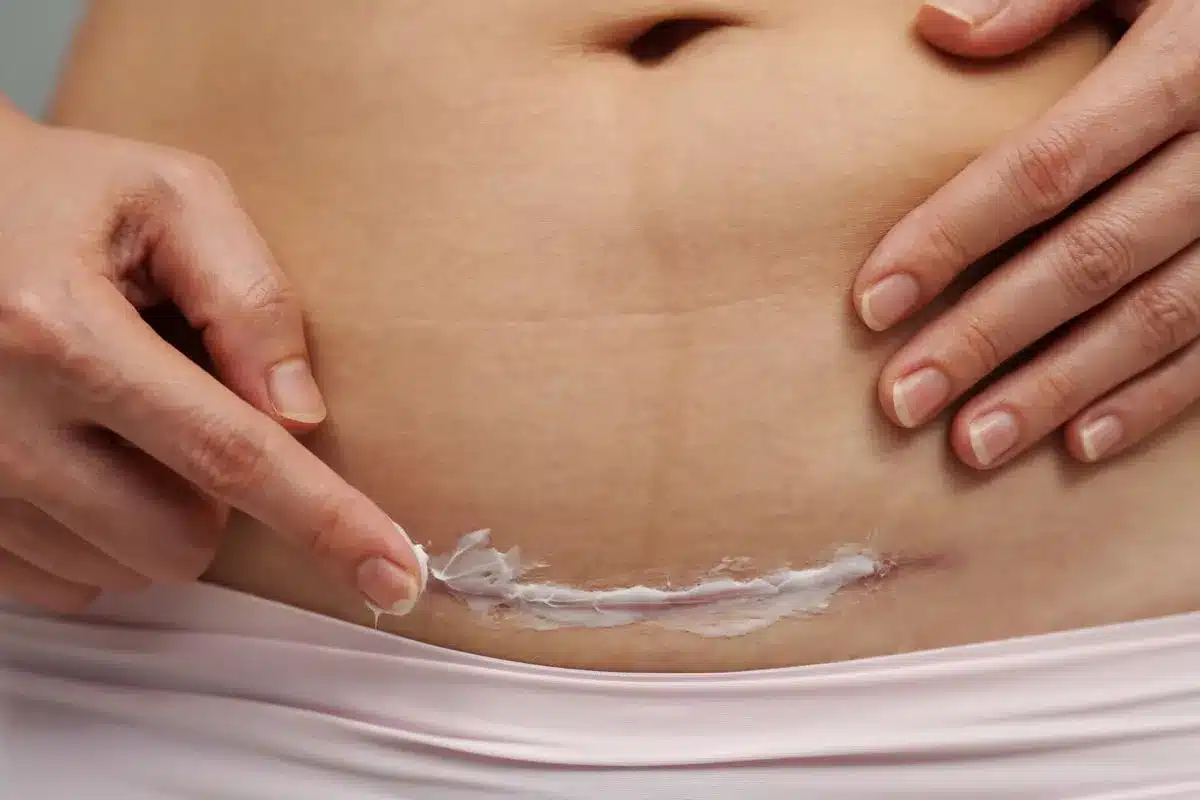
Antibiotic ointment is typically applied to the suture lines several times a day. This keeps the incisions moist for healing and prevents infection. Sitz baths (soaking in shallow water) may be recommended after a few days to soothe the tissues and dissolve stitches.
Swelling is significant in the genital area due to the loose nature of the tissue and rich blood supply. It is normal for the labia to look distorted, large, or purple in the first few days. This is not the final result.
Bruising may extend to the thighs or buttocks. The majority of swelling subsides within 2 weeks, but residual puffiness can persist for up to 6 weeks. Patience is required as the tissues settle.
Rest is mandatory for the first 3 to 5 days. Walking should be limited to bathroom trips to minimize friction and swelling. Sitting upright puts pressure on the area and should be avoided; reclining is best.
Strenuous exercise, lifting heavy objects, and cycling are restricted for 4 to 6 weeks. The tissue needs time to heal without being pulled or stretched. Returning to work depends on the job’s physical demands.
Loose clothing is essential. Patients should wear loose skirts, nightgowns, or baggy sweatpants. Tight underwear, jeans, or leggings must be avoided for several weeks as they can rub against the stitches and cause pain or wound separation.
Mesh underwear (often provided by the hospital) is excellent for holding pads without pressure. Going commando (no underwear) while lying down allows air to circulate and aids healing.
As the nerves heal and stitches dissolve, itching is a very common symptom. It is a sign of healing, but can be annoying. Patients must not scratch the area.
Keeping the area moisturized with the prescribed ointment helps. Sometimes an oral antihistamine (like Benadryl) is recommended at night to help with itching and sleep.
Constipation is a risk due to pain medication and inactivity. Straining to have a bowel movement can be painful and put pressure on the repair, especially after vaginoplasty.
Patients are advised to drink plenty of water and eat a high-fiber diet. Stool softeners are routinely prescribed to ensure bowel movements are effortless and do not stress the surgical site.

Send us all your questions or requests, and our expert team will assist you.
A simple labiaplasty takes about 1 hour. A vaginoplasty takes about 1 to 2 hours. Combined procedures will take longer. You are usually at the surgery center for 3 to 4 hours total, including prep and recovery.
You can usually shower 24 hours after surgery. Let the water run gently over the area; do not scrub. Avoid soaking in a bath for the first week or until your surgeon gives the clear (except for prescribed sitz baths).
Spotting and light bleeding are normal for the first few days, as they are at the end of a period. Wear a sanitary pad. If you experience heavy bleeding (soaking a pad in an hour) or pass large clots, contact your surgeon immediately.
No. You cannot insert anything into the vagina (tampons, menstrual cups, etc.) for at least 6 weeks. You must use sanitary pads for any bleeding or menstruation during the recovery period.
You can drive once you are off narcotic pain medication and can sit comfortably without pain distracting you. This is usually around day 5 to 7 for labiaplasty, but may be longer for vaginoplasty due to discomfort sitting.



Leave your phone number and our medical team will call you back to discuss your healthcare needs and answer all your questions.
Leave your phone number and our medical team will call you back to discuss your healthcare needs and answer all your questions.
Your Comparison List (you must select at least 2 packages)