

Plastic surgery restores form and function through reconstructive procedures, cosmetic enhancements, and body contouring.
Send us all your questions or requests, and our expert team will assist you.
Microdermabrasion is a key non-invasive skin treatment that uses gentle mechanical exfoliation to refresh the skin’s surface. Instead of acids like those in chemical peels, it uses abrasion to remove the outer layer of dead skin cells, revealing healthier skin and stimulating the layer below.
Doctors see microdermabrasion as a safe, controlled way to prompt the skin’s natural repair process. Removing dead cells encourages faster cell renewal and better blood flow, which quickly improves skin texture, tone, and brightness. This makes it a valuable routine treatment for healthy skin.


Microdermabrasion works well because it combines two actions: abrasion and vacuum suction. Abrasion removes dead skin cells, and suction clears away debris and helps drain fluids. Together, they provide even exfoliation and keep the skin clean without leftover particles.
The vacuum also has an important effect. It gently stretches the skin, increases blood flow, and encourages cells in the deeper layer to make more collagen and elastin. This mix of surface smoothing and deeper stimulation helps renew the skin overall.

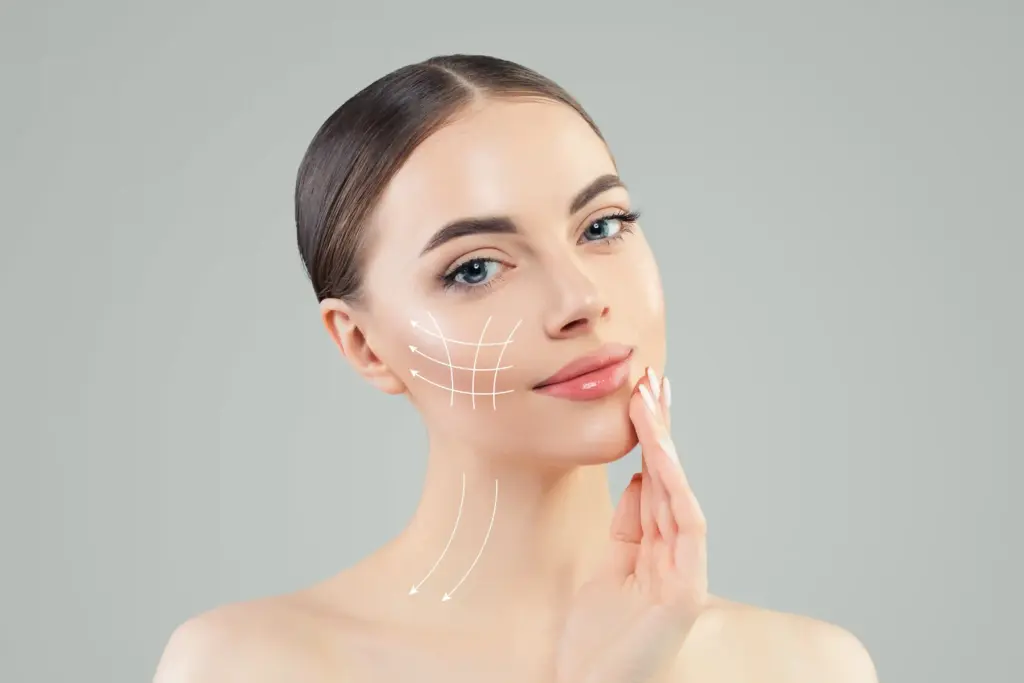
Crystal microdermabrasion is the classic method. It uses a device that sprays fine crystals, like aluminum oxide or sodium bicarbonate, onto the skin. The crystals exfoliate the surface, and a vacuum removes both the crystals and dead skin cells at the same time.
This method works well for deeper exfoliation and rough skin. The amount of crystals can be adjusted for more or less intensity. However, it’s important to manage the crystals carefully to avoid leaving any on the skin or having them inhaled, so protective eyewear and special systems are needed.
Diamond-tip microdermabrasion is a popular, crystal-free option known for its precision and cleanliness. It uses a wand with a diamond-coated tip to exfoliate the skin, while a vacuum removes the debris. The tips come in different levels of roughness, so treatment can be tailored for sensitive or tougher areas.
This method avoids the risk of loose crystals and makes it possible to treat areas near the eyes and mouth. It is usually gentler and more controlled, so it works for more skin types. The practitioner can feel the skin directly, which helps keep the treatment safe and even.

Hydradermabrasion is a newer version of the treatment that combines exfoliation with adding serums at the same time. Often called HydraFacial, it uses a special tip that creates a swirling effect to remove impurities and deliver hydrating, antioxidant-rich fluids to the skin.
This wet version is gentler than dry microdermabrasion and adds extra hydration. It helps with dryness and dullness at the same time, making the skin look plumper and more radiant. It’s especially good for sensitive skin or for people who want a quick glow before an event.
Microdermabrasion is meant to give gradual, ongoing improvement instead of dramatic results from just one session. It’s usually done as regular maintenance or in a series. The main goal is to keep removing dead skin so skincare products work better and cell renewal continues.
Surgeons emphasize that while a single session provides a temporary glow, a series of treatments yields structural changes in the skin. By regularly stimulating the dermis, patients can achieve long-term improvements in texture, fine lines, and pigment uniformity. It is a commitment to skin health hygiene.
Microdermabrasion can be used on more than just the face. The neck, chest, and backs of the hands are also common areas, since they often show sun damage and aging. These spots usually have thinner skin, so gentler settings are used to avoid irritation.
The back is also often treated, especially for people with back acne or rough skin. Practitioners can use stronger settings for the thicker skin on the back and gentler ones for the neck. This flexibility makes microdermabrasion useful for many parts of the body.
It’s important to know how microdermabrasion differs from chemical peels. Chemical peels use acids to break the bonds between skin cells so they shed. Microdermabrasion, on the other hand, uses friction to physically break these bonds.
Microdermabrasion offers greater control over exfoliation depth in real time. The practitioner can stop immediately if the skin becomes too red, whereas a chemical peel continues to work until neutralized. This makes microdermabrasion a “predictable” mechanical alternative for patients who cannot tolerate acids or prefer a physical sensation of cleaning.
Microdermabrasion is often called a “lunchtime” procedure because it’s quick, painless, and doesn’t require any recovery time. The treatment takes about 30 minutes, and you can go back to work right after, with only mild redness that fades fast.
This convenience is a big reason why microdermabrasion is so popular. It fits easily into busy lives, since there’s no need for downtime. People can keep up with their skin care without missing work or social events.
Microdermabrasion helps skincare products work better. By removing the outer layer of skin, which usually blocks absorption, products applied right after treatment can go deeper and be more effective.
Practitioners often pair microdermabrasion with strong serums, masks, or mild peels in the same session. This combination takes advantage of open pores and fresh skin, turning exfoliation into a powerful way to deliver active ingredients.
One of the defining features of microdermabrasion is its safety profile across all Fitzpatrick skin types. Unlike lasers or deep peels, which carry a risk of hyperpigmentation in darker skin tones, mechanical exfoliation is generally color-blind when performed correctly.
Since microdermabrasion doesn’t use heat or chemicals that can trigger pigment cells, it’s a safe choice for people with darker skin. It exfoliates effectively without causing the inflammation that can lead to dark spots, making it a treatment almost anyone can use.


Send us all your questions or requests, and our expert team will assist you.
Crystal microdermabrasion sprays fine crystals onto the skin to sand it, which is excellent for deep cleaning but can be messy. Diamond microdermabrasion uses a diamond-tipped wand to scrub the skin, providing a cleaner, more precise, and safer treatment around the eyes and mouth.
No, it is not painful. Most patients describe the sensation as a rough cat’s tongue licking the face or a gritty facial massage. You will feel a mild scratching and suction sensation, but no anesthesia is required.
For optimal results, treatments are typically recommended every 2 to 4 weeks. This aligns with the skin’s natural cell turnover cycle. Once your skin goals are met, maintenance treatments can be done every 4 to 6 weeks.
Yes, microdermabrasion can be adjusted for sensitive skin. We use a lower vacuum setting and a finer diamond tip to provide a gentle exfoliation without irritation. Hydradermabrasion is also an excellent alternative for those with very sensitive skin.
Microdermabrasion removes dead skin during the treatment, so you typically will not see sheets of skin peel off afterward, as you would with a chemical peel. You might experience very mild flaking for a day or two, but it is usually invisible.


Leave your phone number and our medical team will call you back to discuss your healthcare needs and answer all your questions.
Your Comparison List (you must select at least 2 packages)
