Plastic surgery restores form and function through reconstructive procedures, cosmetic enhancements, and body contouring.
Send us all your questions or requests, and our expert team will assist you.
Abdominoplasty is a major step forward in body contouring and reconstructive surgery. It goes beyond just removing extra skin and instead restores the structure of the abdominal wall. The procedure works on the muscles, connective tissue, and outer layers of the abdomen. The main aim is to bring back the natural shape and function of the trunk, while also improving its appearance. Surgeons see this as a way to help the body recover both its look and function after major life changes.
This surgery fixes problems that diet and exercise alone cannot solve. While healthy habits can help reduce fat and build muscle, they cannot tighten loose skin or fix separated connective tissue. Abdominoplasty addresses these issues by adjusting and tightening the tissues directly. This creates a stronger core that supports the spine and organs, and also gives the abdomen a flatter, firmer look.


A key feature of modern abdominoplasty is the combined focus on repairing muscles and managing tissues. The abdominal wall has vertical muscles like the rectus abdominis, which are wrapped in strong connective tissue. If this tissue stretches or separates, the belly can stick out, and surface treatments won’t fix it. Surgery repairs this layer, a step called plication, which acts like an internal corset to flatten the abdomen from within.
At the same time, the surgeon carefully removes and reshapes the skin and fat. They check the skin’s quality and how thick the fat layer is to decide how much to take away. The skin that remains is then pulled over the tightened muscles. This approach makes sure the outside of the abdomen matches the improved structure underneath, leaving the skin smooth and firm.


A mini abdominoplasty is a focused version of the surgery for people with specific concerns. It is best for those who have strong upper abdominal muscles but loose or bulging lower abdomens. This option is less invasive than a full abdominoplasty and uses a shorter incision, usually hidden by underwear or swimwear. The procedure only treats the area below the belly button.
With this method, the surgeon only lifts the skin in the lower abdomen. If needed, they repair the lower abdominal muscles. Since the upper abdomen is mostly left alone, recovery is usually faster than with a full abdominoplasty. However, not everyone is a good candidate for a mini abdominoplasty. The surgeon must make sure the limited approach will meet the patient’s goals.
A full abdominoplasty is the main option for complete abdominal improvement. It is best for people with loose skin and separated muscles from the rib cage down to the pubic bone. This surgery changes both the upper and lower abdomen at once, leading to the most noticeable results. The incision usually goes from one hip to the other, giving the surgeon full access to the area.
In a full abdominoplasty, the surgeon lifts the skin from the abdominal wall all the way up to the rib cage. This lets them fully repair separated abdominal muscles. After tightening the muscles, they remove extra skin and pull the rest down. The surgeon also makes a new opening for the belly button, placing it in a natural spot on the tightened skin.

People who have lost a lot of weight or have loose skin that goes past the front of the abdomen may need an extended abdominoplasty. This version uses a longer incision that goes around the hips to remove extra tissue on the sides. This helps avoid bulges at the ends of the scar and creates a smooth shape around the body. It also helps blend the front of the abdomen with the sides and hips.
The 360-degree approach, or body lift, goes even further by making an incision all the way around the torso. This surgery not only flattens the abdomen but also lifts the buttocks and thighs. It is designed for people who have lost a lot of weight and have loose skin all over the trunk. The body lift treats the whole midsection as one unit, so the results look balanced and complete.
Today’s abdominoplasty focuses on creating balance, not just making the abdomen flat. The goal is to shape the abdomen so it matches the patient’s body type and bone structure. For example, a totally flat stomach might not look right on someone with natural curves, and an athletic person may want more definition. Surgeons look at each person’s natural shape to plan results that look natural and well-proportioned.
This approach also considers whether the patient wants a more feminine or masculine look. For instance, keeping a gentle curve in the lower abdomen can highlight a feminine shape, while a straighter look may suit a masculine style. Surgeons adjust the belly button’s position, skin tightness, and waist shape to make the results look natural and attractive. The goal is to help each person look like the best version of themselves, while respecting their natural body.
To create a natural-looking abdomen, surgeons need to understand how skin and soft tissue behave. Skin stretches and bounces back in certain ways, and these changes continue over time. Surgeons must plan for how the skin will look months or years after surgery. If the skin is pulled too tight, scars can widen or the area may look unnatural. If it’s not tight enough, the skin can become loose again. The key is to find the right balance for smooth results and healthy skin.
Surgeons use advanced methods to pull the skin tighter in certain directions, which can highlight muscle lines or make the waist look slimmer. Sometimes, they also thin out fat in specific areas to show off the muscles underneath, like the natural lines on the sides of the abdomen. This careful shaping turns the abdomen from a flat surface into a more defined, three-dimensional look, similar to a naturally fit core.
The belly button is a key detail in abdominoplasty. Its shape, position, and depth play a big role in making the results look natural. If the belly button looks fake, it can reveal that surgery was done. That’s why surgeons now spend extra time on belly button reconstruction. The aim is to create a navel that slopes inward and sits at the right spot on the abdomen, giving a youthful and natural look.
Surgeons use special techniques to attach the belly button to the abdominal wall, creating a natural dip and shadow. This avoids the flat, round look that older surgeries sometimes caused. By handling the skin around the belly button carefully, the scar is hidden deep inside, so it’s almost invisible. Rebuilding the belly button is the final step that makes the whole abdomen look natural.
While the aesthetic outcomes are paramount, the restoration of fascial integrity has profound functional implications. The linea alba, the connective tissue running down the center of the abdomen, softens and widens due to intra-abdominal pressure. Repairing this layer does more than flatten the stomach; it re-tensions the functional core. This restoration allows the abdominal muscles to contract more efficiently, potentially improving posture and reducing back strain.
Tightening the connective tissue inside the abdomen helps stabilize the body from within. Many patients notice their core feels stronger and more stable after they recover. This is because the main abdominal muscles are put back in their proper position, making them work more effectively. These physical improvements are a key part of the surgery’s value, not just the way the abdomen looks.
Defining the ideal candidate is crucial for the success of an abdominoplasty. The procedure is best suited for individuals who have reached a stable weight and are in good general health. It is not weight-loss surgery but a contouring procedure. Significant weight fluctuations after surgery can compromise results, stretching the skin again or altering fat distribution. Therefore, candidates are encouraged to be near their ideal body weight before undergoing the procedure.
Additionally, future pregnancy plans are a significant consideration. While pregnancy after an abdominoplasty is safe, it can reverse the muscular repair and stretch the skin, negating the benefits of the surgery. For this reason, surgeons often recommend postponing the procedure until the patient has completed their family. This ensures that the structural repairs remain intact and the aesthetic investment is preserved for the long term.
The techniques used in abdominoplasty have evolved significantly to reduce trauma and enhance outcomes. Historical methods often relied on heavy sedation and extensive dissection that disrupted the lymphatic drainage of the abdominal wall. Modern approaches prioritize the preservation of the lymphatic system and blood vessels. This “progressive tension” technique reduces the dead space between tissue layers, significantly lowering the risk of seroma, a fluid accumulation.
Furthermore, the integration of advanced energy devices allows for more precise dissection and hemostasis. This results in less bruising and a more comfortable recovery. The shift towards tissue-preserving dissection means that the sensory nerves are better protected, leading to a faster return of skin sensation. These technical refinements reflect a broader change in surgery toward methods that respect tissue biological integrity while achieving aggressive aesthetic goals.

Send us all your questions or requests, and our expert team will assist you.
The primary difference lies in the scope of the correction and incision length. A mini abdominoplasty targets only the area below the navel with a shorter incision and limited muscle repair. A full abdominoplasty addresses the entire abdomen from ribcage to pubis, involves a longer incision, and includes complete muscle repair and belly button repositioning.
The surgical repair of diastasis recti uses permanent sutures to bring the muscles back together, providing a long-lasting correction. However, the durability of this repair depends on maintaining a stable weight and avoiding future pregnancies. Extreme physical strain or significant weight gain can compromise the repair over time.
In a full abdominoplasty, the belly button remains attached to the abdominal wall, but the surrounding skin is removed and redraped. A new opening is created in the tightened skin for the belly button to emerge. Skilled surgeons sculpt this area to ensure the navel looks natural, with appropriate depth and hooding, rather than looking surgically altered.
Yes, it is often combined with other contouring procedures, such as flank liposuction or breast surgery. This combination is usually referred to as a “Mommy Makeover.” Combining procedures can provide a more balanced and comprehensive transformation, though it requires careful assessment of the patient’s overall health and recovery capacity.
While primarily aesthetic, the procedure often provides functional medical benefits. Repairing the abdominal wall can improve core stability, alleviate back pain associated with muscle separation, and reduce skin irritation or rashes caused by overlapping skin folds. These functional improvements often contribute significantly to patient satisfaction.


Diabetic retinopathy is a serious eye problem that can cause blindness if not treated. It damages the blood vessels in the retina. Anyone with diabetes
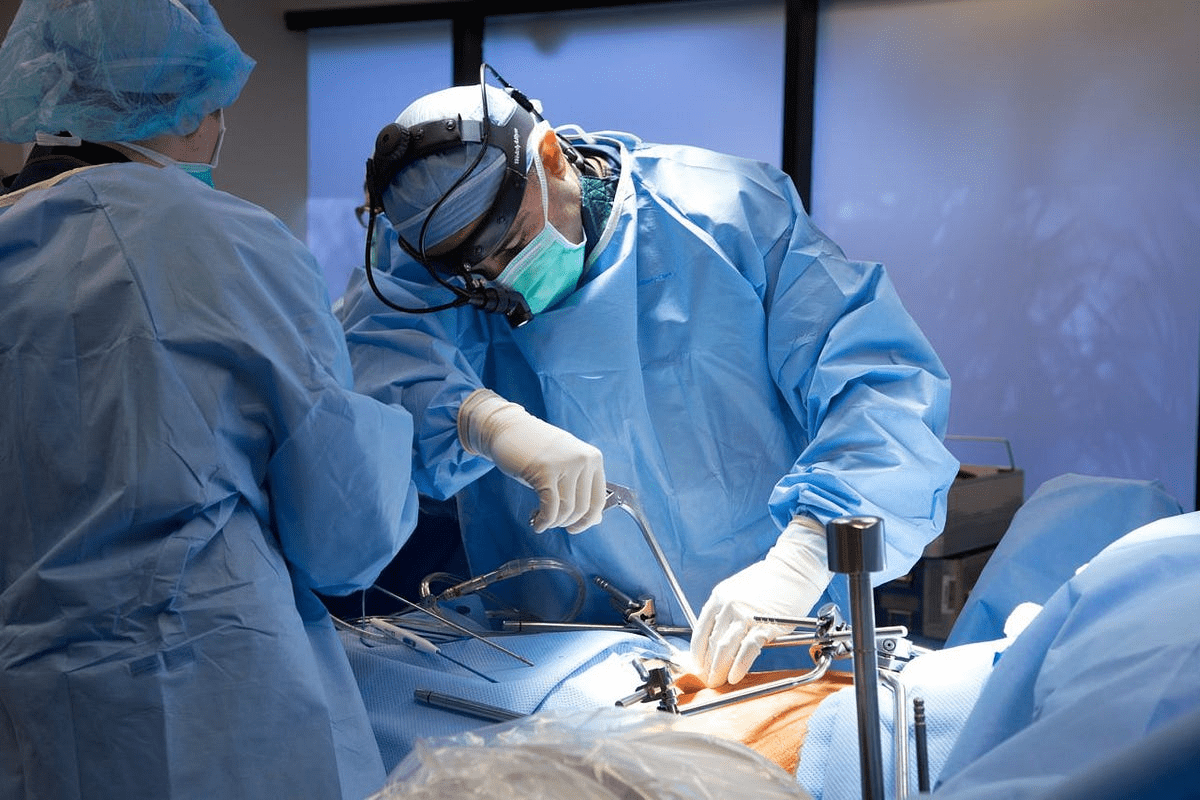
Bile duct resection is a complex procedure. It’s often needed for conditions like cholangiocarcinoma and blocked bile duct. Patients getting bile duct surgery face different
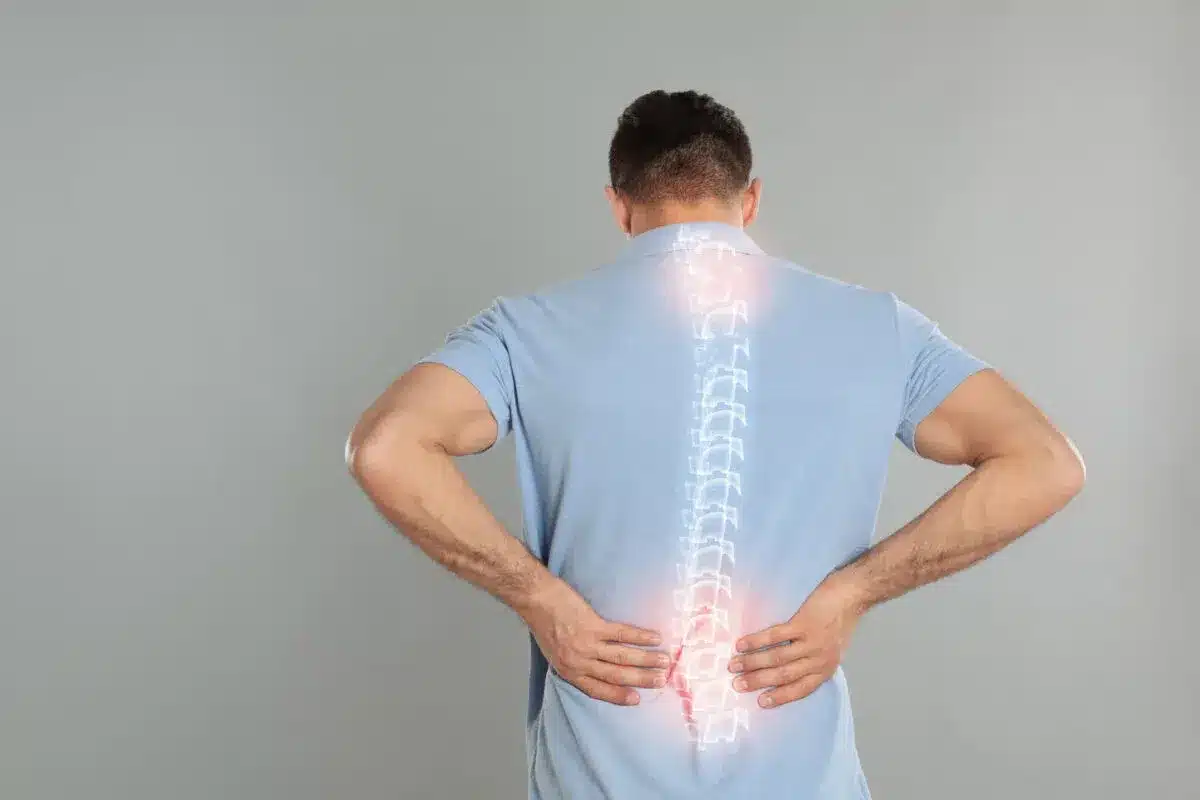
Did you know that spinal fusion surgeries, including L4-L5 fusion, are among the most common procedures for treating degenerative disc disease? For veterans who have
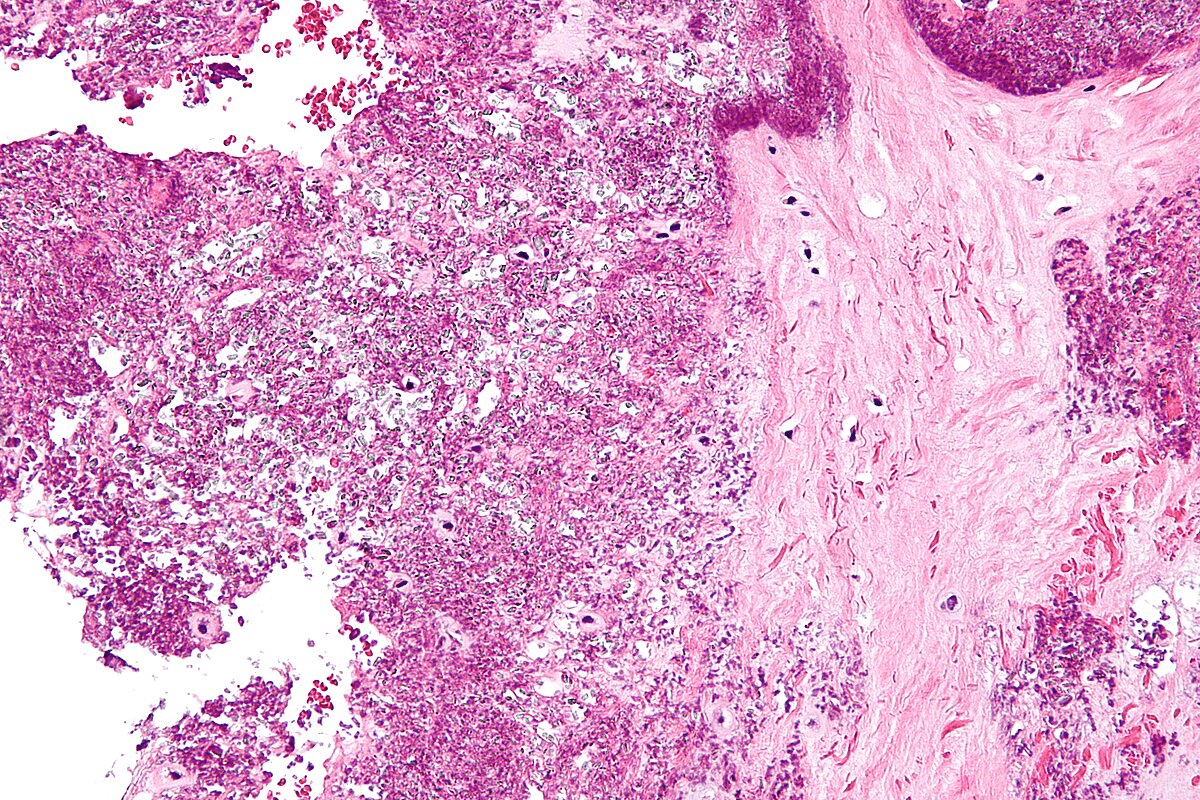
Defining meniscal chondrocalcinosis (CPPD in the knee) and explaining the diagnostic steps involving imaging. Meniscal chondrocalcinosis is when calcium pyrophosphate dihydrate crystals build up in

The first week after gastric sleeve surgery is very important for recovery. It’s key to stick to a strict diet to avoid problems and help

Chest congestion from a cold can make breathing hard and disrupt daily life. It causes persistent coughing and pressure in the chest. Viral infections swell

Leave your phone number and our medical team will call you back to discuss your healthcare needs and answer all your questions.
Your Comparison List (you must select at least 2 packages)