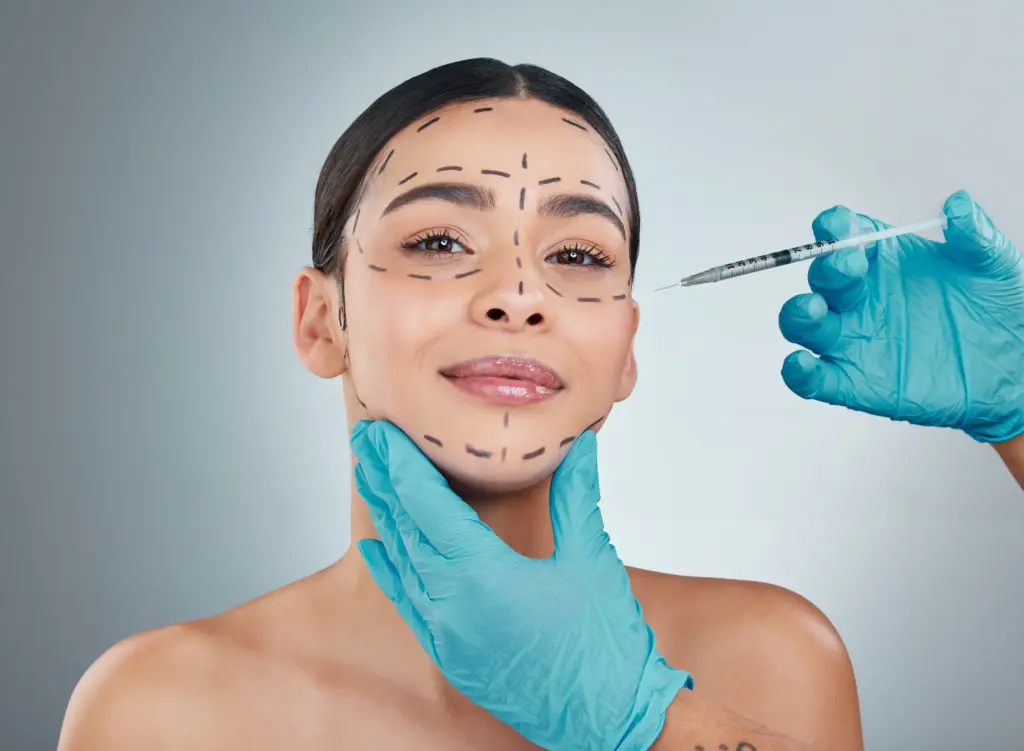
Plastic surgery restores form and function through reconstructive procedures, cosmetic enhancements, and body contouring.
Send us all your questions or requests, and our expert team will assist you.
Pediatric plastic surgery focuses on restoring form and function for infants, children, and teens. Unlike adult cosmetic surgery, which is often about enhancing appearance, the main goal here is to fix birth defects or injuries. This specialty combines advanced surgical skills with caring for young patients.
The main goal in this field is to help children look and function as normally as possible. Surgeons aim to create body structures that let kids take part in daily life without limits or feeling different. They focus on both the results right after surgery and how the child will grow over time.
In children, how something looks and how it works often go hand in hand. A physical problem can slow down normal growth, so fixing it is important for the child’s health. For example, repairing a facial difference is not just about looks it also helps with breathing, speaking, and sensing the world.
Surgeons see a child’s body as always changing and growing. They plan surgeries at the right times to use natural growth or to stop new problems from developing. This way, the repaired areas can grow well with the rest of the body.
Pediatric plastic surgery covers a wide range of conditions, from head to toe. Doctors usually group these by body area and the type of problem. Knowing these groups helps parents understand treatment options and find the right specialists.
Treatments can be as simple as small tissue fixes or as complex as major reconstructions that need a team of experts. Doctors also separate conditions that are present at birth from those caused by injury or illness later on.
Many pediatric plastic surgery cases involve birth defects. These are physical differences that form before birth. They can be as minor as a skin tag or as complex as conditions that affect several parts of the body.
Today, doctors can often find these conditions early using genetic tests and scans before birth. Early diagnosis helps families and doctors plan treatment ahead of time. Care for these conditions usually continues throughout childhood.
Besides birth defects, many pediatric plastic surgeries treat injuries that happen after birth. Kids are active and can get hurt, leading to tissue damage, scars, or broken bones. Surgery helps fix these injuries and restore normal appearance and function.
Additionally, this category includes reconstruction following oncological resection. Children who have undergone tumor removal surgery may require tissue transfer or skin grafting to cover defects. The goal is to return the child to their pre-injury state as closely as possible.
Tissue expansion is a key method in pediatric reconstruction, especially for large birthmarks or burn scars. Surgeons place a balloon under healthy skin next to the problem area. They slowly fill the balloon with salt water, which makes the skin stretch and grow.
This method uses the skin’s natural ability to grow when stretched. It creates new skin that looks and feels like the nearby area, including color and hair. This way, doctors can replace damaged skin without needing to take skin from other parts of the body.
A critical consideration in this field is the impact of surgery on future growth. Scar tissue does not stretch as well as healthy skin, which can lead to tightness or distortion as the child grows. Surgeons must employ techniques that minimize scarring and allow for expansion.
Surgeons aim for results that look natural as the child grows. This often means doing only what’s needed when the child is young and waiting until the teen years for any final touch-ups, once growth has slowed down.
Send us all your questions or requests, and our expert team will assist you.
Pediatric plastic surgery focuses on congenital disabilities and developmental issues in growing bodies, prioritizing function and long-term growth. Adult plastic surgery often focuses on rejuvenation or the correction of aging, treating static, fully developed tissues.
Early intervention takes advantage of the plasticity of young tissues and the rapid healing rates of children. It also helps prevent secondary issues, such as speech delays in cleft patients or social anxiety in children with visible differences.
Most pediatric plastic surgery procedures are considered reconstructive and medically necessary, not cosmetic. Therefore, they are typically covered by health insurance plans, though specific policies vary.
Surgeons use growth charts, anthropometric data, and experience with similar cases to predict developmental changes. However, growth is dynamic, and long-term follow-up is essential to monitor the results and address any asymmetry that develops.
Surgery can help a child feel better about themselves and fit in more easily by fixing visible differences. Still, the experience can be stressful, so it’s important to give support and explain things in a way the child understands to help reduce worry.
Pediatric Plastic Surgery
Leave your phone number and our medical team will call you back to discuss your healthcare needs and answer all your questions.
Your Comparison List (you must select at least 2 packages)