
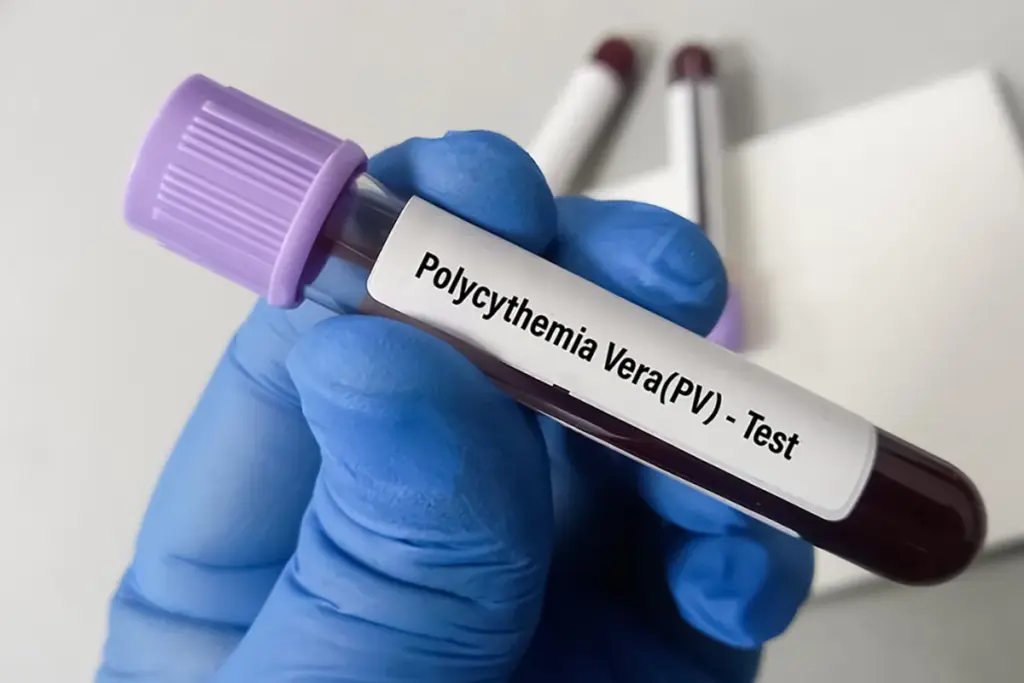
Diagnosing polycythemia vera, a rare blood disorder, is complex. It affects about 0.01 to 2.61 per 100,000 people each year. At Liv Hospital, we focus on top-notch healthcare and put patients first.
We use a mix of clinical checks, advanced lab tests, and genetic analysis. This ensures we diagnose accurately and quickly. Given the median age of diagnosis is 64, it’s vital to spot this condition right.
At Liv Hospital, we know how critical a precise diagnosis is for polycythemia vera patients. Our team works together to offer full support to patients from around the world.
Key Takeaways
- Polycythemia vera is a rare blood disorder with significant diagnostic challenges.
- Liv Hospital employs a patient-centric, evidence-based approach to diagnosing PV.
- A combination of clinical evaluation, laboratory tests, and genetic analysis is used.
- Accurate diagnosis is key for effective management and treatment.
- Liv Hospital provides complete support for international patients.
What is Polycythemia Vera?

Polycythemia vera is a condition where the body makes too many red and white blood cells, and platelets. It happens when the bone marrow makes more blood cells than it should. This leads to an overproduction of these cells.
Definition and Pathophysiology
To understand polycythemia vera, we need to know what it is and how it works.
Abnormal Blood Cell Production
This disorder causes the body to make too many blood cells. This can make the blood thicker and increase the chance of blood clots. It’s not cancer, but it can cause serious problems if not treated right.
Impact on Blood Viscosity
The extra red blood cells make the blood thicker. This can cause heart problems, like blood clots and strokes. It’s important to keep the blood’s thickness in check when treating polycythemia vera.
Epidemiology and Prevalence
Polycythemia vera is a rare disease. It has specific rates and ages that help us understand it better.
Incidence Rates
It affects between 0.01 and 2.61 people per 100,000. This shows it’s not very common, but it varies by population.
Age Distribution
Most people get diagnosed with it around 64 years old. This tells us it’s more common in older adults. Knowing this helps us find who might be at risk.
We want to teach our patients about polycythemia vera. We tell them it’s not cancer, but it needs careful handling to avoid problems. By knowing what it is, how it works, and how common it is, we can help diagnose and treat it better.
Common Signs and Symptoms of Polycythemia Vera

Knowing the signs and symptoms of polycythemia vera is key to better health. This rare blood disorder makes too many red and white blood cells and platelets. Spotting these signs early can help get the right treatment sooner, which may prevent serious problems.
Early Warning Signs
Spotting polycythemia vera early is important. Recognizing the initial signs can facilitate early intervention. Some early symptoms include:
- Headaches and dizziness from thick blood
- Itching and skin redness, worse after bathing
Headaches and Dizziness
Headaches and dizziness are common in polycythemia vera patients. These happen because the blood gets too thick, making it hard for the brain to get enough blood.
Itching and Skin Redness
Itching and skin redness are also early signs. This is because of histamine release from more basophils in the blood.
Advanced Symptoms
As polycythemia vera gets worse, symptoms get more serious. These include:
- Thrombotic complications from blood clots
- Splenomegaly, or a big spleen, from too many blood cells
Thrombotic Complications
Thrombotic complications are a big worry for those with polycythemia vera. The blood’s thick and clotting nature can cause deep vein thrombosis, pulmonary embolism, and stroke.
Splenomegaly
Splenomegaly is another serious symptom. It happens when the spleen tries to filter out too many blood cells. This can cause pain and discomfort in the upper left abdomen.
Risk Factors for Developing Polycythemia
Polycythemia vera is caused by genetics and environment. Knowing these risk factors helps us catch it early. This prevents problems linked to high hematocrit and erythrocytosis.
Genetic Predisposition
Genetics are a big part of polycythemia vera. People with a family history of these diseases are more at risk.
Family History Considerations
Having a family history of polycythemia vera or similar diseases is a big risk. We suggest regular tests for those with such a history.
Environmental Factors
Some environmental factors can also raise the risk of polycythemia vera.
Radiation Exposure
Radiation exposure is a known risk factor. We tell people who have been exposed to radiation to watch their health closely and get regular check-ups.
Understanding these risk factors helps us manage the condition better. Regular checks and quick action are important. They help improve outcomes for those at risk of polycythemia vera.
Initial Screening Process for Suspected PV
The first step in diagnosing polycythemia vera (PV) is very important. We help patients know when to see a doctor and what to expect at the start.
When to Seek Medical Evaluation
See a doctor if you have persistent symptoms or abnormal blood work.
Persistent Symptoms
Headaches, dizziness, or itching that don’t go away mean you should see a doctor. These signs might point to a serious issue.
Abnormal Routine Blood Work
High hematocrit (HCT) or hemoglobin levels in blood tests need a closer look. Talk to your doctor about these results to figure out what’s next.
Preliminary Assessment by Healthcare Providers
At the start, doctors do a physical examination and look at your medical history. They search for signs of PV.
Physical Examination Findings
A physical check might show an enlarged spleen or a red skin tone. These signs could mean PV. Our doctors know how to spot them and what they mean.
Medical History Review
Looking at your medical history helps us understand your health better. We check for risk factors like past blood counts and family history.
Complete Blood Count Analysis in Polycythemia Diagnosis
A complete blood count (CBC) analysis is key in diagnosing polycythemia vera. It shows blood cell issues. This test checks hemoglobin, hematocrit, platelet count, and white blood cell count.
Interpreting Hemoglobin Levels
Hemoglobin levels are very important in diagnosing polycythemia vera. High hemoglobin levels mean more red blood cells, a sign of PV.
Diagnostic Thresholds (>16.5 g/dL in men, >16 g/dL in women)
For men, a hemoglobin level over 16.5 g/dL is high. For women, it’s over 16 g/dL. These levels are key for early detection and diagnosis.
Hematocrit Evaluation
Hematocrit shows the red blood cell percentage in the blood. High hematocrit levels can mean polycythemia vera.
Diagnostic Thresholds (>49% in men, >48% in women)
Men with hematocrit over 49% and women over 48% have high levels. These values are important for diagnosis.
Platelet and White Blood Cell Abnormalities
A CBC also checks platelet and white blood cell counts. High counts, like thrombocytosis or leukocytosis, can point to PV. This gives more clues for diagnosis.
We focus on accurate tests, and a CBC is a key part of this. By looking at these blood components, doctors can spot signs of polycythemia vera.
Genetic Testing for JAK2 Mutations
We use genetic testing to find JAK2 mutations, a key step in diagnosing polycythemia vera. This is part of our effort to follow evidence-based treatment paths for p vera treatment.
JAK2 V617F Mutation Testing
The JAK2 V617F mutation is found in about 95% of polycythemia vera cases. It’s a key marker for diagnosis. We test for it by analyzing blood or bone marrow samples.
Testing Methods and Procedures
There are several ways to test for the JAK2 V617F mutation. These include allele-specific PCR and sequencing. These methods can spot the mutation, even if it’s rare.
Significance of Positive Results
Finding the JAK2 V617F mutation is a big deal. It confirms polycythemia vera in most cases. This info helps us decide on treatment and track the disease.
JAK2 Exon12 Mutation Analysis
If the JAK2 V617F mutation isn’t found, we look for JAK2 exon12 mutations. These are less common but linked to polycythemia vera too.
When to Perform This Test
We do JAK2 exon12 mutation analysis when PV is suspected but the JAK2 V617F mutation isn’t there.
Interpretation of Results
Positive results for JAK2 exon12 mutations help confirm PV. They guide treatment choices. Negative results might lead to more tests to find other causes of high red blood cell count.
By adding genetic testing for JAK2 mutations to our tests, we improve PV diagnosis. We also make treatment plans more personal, fitting each patient’s needs. This shows our dedication to p vera treatment that’s tailored just for you.
Bone Marrow Examination Procedures
Bone marrow examination is key in diagnosing polycythemia vera. It helps us understand how the condition affects the bone marrow. This is vital for confirming a diagnosis.
Bone Marrow Biopsy Process
The bone marrow biopsy process has several steps. It starts with patient preparation. Patient preparation is essential for a successful procedure.
Patient Preparation
Before the biopsy, we make sure the patient knows what to expect. We talk about any medications to stop and answer their questions.
Procedure Details
The biopsy is done under local anesthesia. We take a small bone marrow sample from the hip bone. Then, we send it for examination.
Histological Findings in PV
Examining the bone marrow sample is key in diagnosing polycythemia vera. We look for specific signs that show PV.
Hypercellularity with Trilineage Growth
One key sign of PV is hypercellularity with trilineage growth. This means there’s too much of red, white blood cells, and platelets. It helps us tell PV apart from other conditions.
Distinguishing Morphological Features
We also look for other signs, like pleomorphic megakaryocytes. These signs help confirm PV.
Supplementary Diagnostic Tests
Supplementary tests are key in confirming polycythemia vera. We use advanced techniques to support PV diagnosis.
Erythropoietin (EPO) Level Assessment
Erythropoietin level assessment is vital in diagnosing polycythemia vera. It helps tell PV apart from other causes of high red blood cell count.
Significance of Low EPO Levels
Low EPO levels are a sign of polycythemia vera. The disease often makes red blood cells without normal EPO control. Low EPO levels can point to PV, along with other signs.
Testing Methodology
EPO level testing involves a blood sample. It’s analyzed using ELISA or RIA. These methods give accurate EPO level readings.
Red Cell Mass Measurement
Red cell mass measurement is a valuable test for PV. It’s useful when other signs are unclear.
When This Test Is Indicated
This test is needed to confirm increased red cell mass in PV. It’s helpful when the diagnosis is unsure.
Interpretation Guidelines
An elevated red cell mass supports PV diagnosis. It’s key when combined with low EPO levels and the JAK2 mutation. Accurate interpretation depends on the patient’s overall health.
|
Diagnostic Test |
Significance in PV Diagnosis |
Key Findings |
|---|---|---|
|
EPO Level Assessment |
Differentiates PV from other causes of erythrocytosis |
Low EPO levels |
|
Red Cell Mass Measurement |
Confirms increased red cell mass |
Elevated red cell mass |
Differential Diagnosis of Elevated Blood Counts
Differential diagnosis is key to correctly identifying polycythemia vera among other disorders. High blood counts can signal several conditions. It’s important to look at other possible diagnoses.
Secondary Erythrocytosis
Secondary erythrocytosis is when red blood cell count goes up due to outside factors. This can happen for many reasons.
Hypoxia-Driven Conditions
Chronic hypoxia, from heart or lung diseases, can cause more red blood cells. For example, COPD makes the body produce more red blood cells to handle low oxygen.
Tumor-Associated Erythrocytosis
Some tumors make substances that tell the body to make more red blood cells. Renal cell carcinoma and hepatocellular carcinoma are examples.
Other Myeloproliferative Neoplasms
Other myeloproliferative neoplasms (MPNs) also show high blood counts. It’s vital to make the right diagnosis. MPNs include essential thrombocythemia and primary myelofibrosis.
Essential Thrombocythemia
Essential thrombocythemia means too many platelets. It’s similar to polycythemia vera but needs a precise diagnosis. The says it’s important to tell these MPNs apart.
Primary Myelofibrosis
Primary myelofibrosis scars the bone marrow, causing abnormal blood cells. It’s another condition to consider when diagnosing.
Conclusion: Comprehensive Approach to Polycythemia Vera Testing
Diagnosing polycythemia vera needs a detailed plan. This includes checking the patient, lab tests, and genetic studies. At Liv Hospital, we aim to give top-notch care to patients from around the world.
We focus on the patient, using the latest in testing. This means checking blood, genetic tests for JAK2, and bone marrow exams. These steps help us find and treat polycythemia vera well.
Our detailed way of diagnosing helps doctors make better treatment plans. This leads to better health for our patients. We’re all about giving the best care, focusing on what our patients need.
FAQ
What is polycythemia vera?
Polycythemia vera is a rare blood disorder. It causes too many blood cells to be made. This can make blood thicker and lead to blood clots.
What are the common signs and symptoms of polycythemia vera?
Early signs include headaches, dizziness, and feeling very tired. Later, symptoms can include blood clots, an enlarged spleen, and heart problems.
How is polycythemia vera diagnosed?
Doctors use several tests to diagnose it. These include blood tests, genetic tests for JAK2 mutations, and a bone marrow exam.
What is the significance of JAK2 mutation testing in polycythemia vera diagnosis?
Testing for the JAK2 V617F mutation is key. It’s found in most people with polycythemia vera. This helps doctors confirm the diagnosis.
What is the role of bone marrow examination in diagnosing polycythemia vera?
A bone marrow exam is very important. It shows if the bone marrow is making too many cells. This helps doctors confirm the diagnosis.
How is hematocrit evaluated in the context of polycythemia vera?
Doctors check the hematocrit level to see if it’s high. A high level might mean polycythemia vera, depending on other signs.
What is secondary erythrocytosis, and how does it differ from polycythemia vera?
Secondary erythrocytosis is caused by outside factors like low oxygen or tumors. It’s different from polycythemia vera, which is a primary disorder.
What are the risk factors for developing polycythemia vera?
Family history and exposure to radiation are risk factors. These can increase the chance of getting polycythemia vera.
How is erythropoietin level assessment used in diagnosing polycythemia vera?
Low levels of erythropoietin help doctors diagnose polycythemia vera. This is because the condition often has low erythropoietin levels.
What is the importance of differential diagnosis in polycythemia vera?
It’s important to tell polycythemia vera apart from other blood disorders. This ensures the right treatment and care for each patient.
Is polycythemia vera considered a cancer?
Yes, it’s a type of blood cancer called a myeloproliferative neoplasm. But it has its own unique features and symptoms.
What is the treatment approach for polycythemia vera?
Treatment at Liv Hospital includes several steps. These include removing blood, medicines to slow down blood cell production, and managing symptoms. Each treatment plan is made just for the patient.
References
NCBI Bookshelf: https://www.ncbi.nlm.nih.gov/books/NBK557660/



 Departments
 Related Videos
 Our Doctors
 News
News