

Constipation after a hernia operation is a common problem. It can be uncomfortable and hard to manage. Many patients face this issue in the first days after surgery.
Several things can make it worse. These include pain, less activity, and pain meds. At Liv Hospital, our team works hard to help you get back to normal bowel movements. We’ll share nine key tips to help you feel better and recover faster.
Key Takeaways
- Constipation is a common issue after hernia surgery.
- Post-operative pain and reduced physical activity can exacerbate constipation.
- Narcotic pain medications can contribute to bowel discomfort.
- Liv Hospital’s team provides expert guidance for relieving constipation.
- Nine essential tips can help alleviate constipation and support recovery.
Why Constipation Occurs After Hernia Surgery
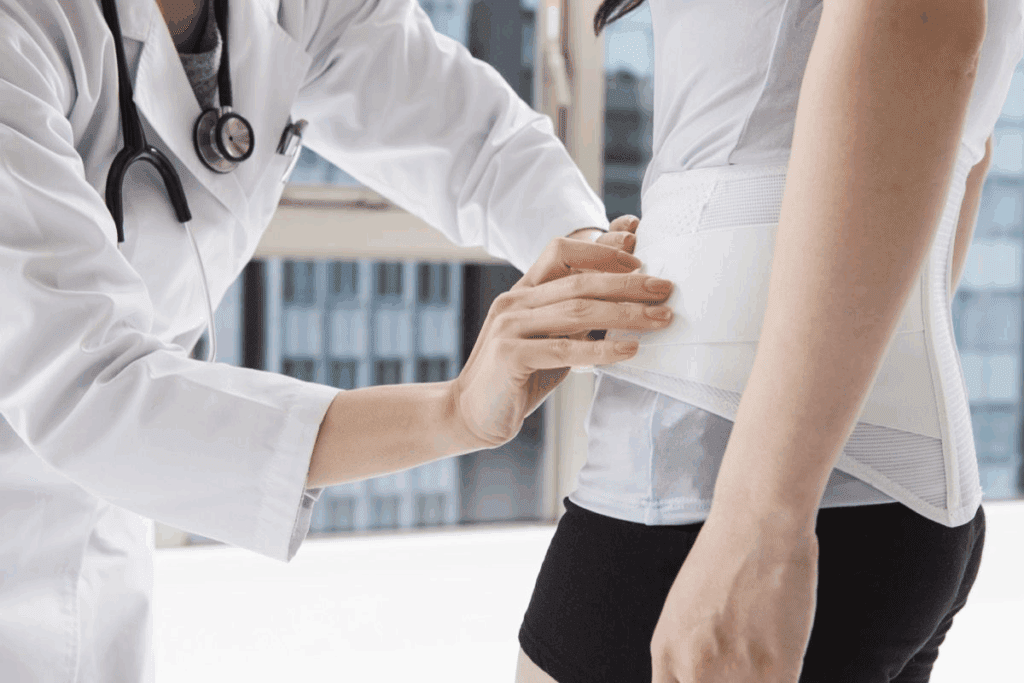
Constipation after hernia surgery is common and can make recovery tough. Knowing why it happens helps in managing it better.
The Effects of Anesthesia on Bowel Function
Anesthesia slows down bowel movements after surgery. During hernia surgery, anesthesia temporarily halts the normal functioning of the intestines. This can cause constipation. Anesthesia affects the digestive system’s motility, making bowel movements harder in the days after surgery.
How Pain Medications Contribute to Constipation
Pain management is key after hernia surgery. But some pain medications, like narcotics, can make constipation worse. These drugs slow down the digestive tract, making it hard to pass stools. It’s wise to talk to your doctor about other pain options to avoid constipation.
Reduced Physical Activity During Recovery
Less physical activity also leads to constipation after hernia surgery. Regular movement helps stimulate bowel movements. But, during recovery, patients often can’t move much. It’s best to slowly start moving more as your doctor suggests to help with bowel function.
Common Symptoms of Post-Surgical Constipation

Constipation after hernia surgery is common and can be uncomfortable. Knowing the symptoms is the first step to relief and a smoother recovery.
Difficulty Passing Stool
Difficulty passing stool is a common symptom. It can be caused by anesthesia or pain meds. Straining can be a worry, as it may stress the surgical site.
Abdominal Discomfort and Bloating
Abdominal discomfort and bloating are common complaints. Stool buildup can cause swelling and discomfort. It’s important to watch for these symptoms and talk to your doctor.
Changes in Bowel Movement Frequency
Changes in bowel movement frequency are another symptom. Some may stop going altogether, while others may have infrequent or incomplete movements. Keeping track of bowel movements and reporting changes to your doctor is key.
Understanding these symptoms is the first step to managing them. Staying hydrated, adjusting your diet, and using stool softeners or laxatives as advised can help. Next, we’ll share specific tips for relieving constipation after hernia surgery.
The Dangers of Straining When Pooping After Hernia Surgery
Straining during bowel movements after hernia surgery is a big worry. It can harm the recovery. When you strain, you add extra pressure on your belly muscles. This can hurt the area where the surgery was done.
Potential Risks to Your Surgical Repair
Straining can lead to serious problems. It might cause the wound to reopen or the hernia to come back. The extra pressure can cause failure, leading to more health issues that might need more surgery.
“Straining during bowel movements is a big risk for hernia surgery success. Patients need to know this and find ways to avoid it.”
How Straining Affects Incision Sites
Straining puts extra stress on the incision site. This can cause pain, discomfort, and serious problems like infection or the wound opening up.
Straining can also make the sutures or mesh used in the surgery move or come loose. This can weaken the repair.
Safe Alternatives to Pushing During Bowel Movements
But there are safe ways to avoid straining. Using stool softeners or laxatives can help keep bowel movements healthy and reduce straining
Eating a high-fiber diet and staying well-hydrated can also help. They can prevent constipation and make bowel movements easier without straining.
By using these methods, patients can lower their risk of complications. This helps them recover smoothly after hernia surgery.
Tip 1: Staying Properly Hydrated
Drinking enough water is key to avoiding constipation and helping bowel movements after hernia surgery. It makes stool softer, making it easier to pass. This reduces the chance of straining during bowel movements.
Optimal Daily Fluid Intake During Recovery
Patients should drink at least 8-10 glasses of fluid each day during recovery. This includes water, clear broths, and drinks with electrolytes. Increasing fluid intake helps prevent dehydration, which can make constipation worse.
Best Types of Fluids for Promoting Bowel Movements
Water is the top choice for staying hydrated, but other drinks can help too. Warm liquids like herbal teas or clear soups can help move your bowels. But it’s best to avoid caffeinated and carbonated drinks as they can dehydrate you.
Signs of Dehydration to Watch For
Look out for signs of dehydration like dark urine, dizziness, dry mouth, and feeling tired. If you notice these, drink more water right away. Monitoring hydration status is a big part of getting better after hernia surgery.
By drinking enough water, patients can lower the risk of constipation. This makes recovery after hernia surgery smoother.
Tip 2: Optimizing Your Diet with Fiber-Rich Foods
We suggest adding more fiber-rich foods to your diet to ease constipation after hernia surgery. A diet full of fiber helps with gentle bowel movements.
Gradual Introduction of Dietary Fiber
It’s key to slowly add fiber-rich foods to your diet. A quick jump in fiber can cause bloating and discomfort. Start with small amounts of high-fiber foods and gradually increase them.
Best Food Sources for Gentle Constipation Relief
Foods high in fiber include fruits like berries, apples, and bananas, vegetables such as broccoli, carrots, and leafy greens, and whole grains like oats, brown rice, and whole-wheat bread. These foods make stool softer and help with regular bowel movements.
Foods to Avoid During Recovery
While recovering, it’s best to limit or avoid foods that can make constipation worse. Stay away from processed foods, dairy products, and foods high in sugar. Also, eat fried foods and spicy dishes in small amounts.
Making smart food choices can help manage constipation and aid in your recovery after hernia surgery.
Tip 3: Safe Physical Activity to Stimulate Digestion
After hernia surgery, gentle exercises can help your digestion. Recovery is not just about resting. Safe exercises can boost your health and help with bowel movements.
Gentle Walking Routines for Recovery
Gentle walking is a great way to help digestion after hernia surgery. Short walks around your home or garden can help. Start with short distances and increase them as you get stronger.
- Begin with 5-10 minute walks twice a day.
- Gradually increase the duration by 5 minutes every few days.
- Pay attention to your body’s signals and rest when needed.
Simple Movements to Promote Bowel Function
Simple movements can also help with bowel function. Pelvic tilts and leg lifts are easy to do while lying down or sitting. These exercises help your abdominal muscles and digestion.
- Lie on your back with your knees bent and feet flat on the floor.
- Tilt your pelvis upwards and then back down, repeating the motion 10 times.
- Perform leg lifts by slowly lifting one leg towards the ceiling and then lowering it back down, repeating on the other side.
Activity Restrictions to Observe
While exercise is good, some activities should be avoided. Avoid heavy lifting, bending, or strenuous activities as your doctor advises. These can stress your surgical site and cause problems.
By doing gentle exercises and following activity restrictions, you can help your digestion. This supports your recovery well.
Tip 4: Effective Use of Stool Softeners and Laxatives
Stool softeners and laxatives can help with constipation after hernia surgery. They offer relief when diet and fluids alone don’t work. We’ll look at the types available, including over-the-counter and prescription options.
Over-the-Counter Options Like Docusate
Over-the-counter stool softeners, like docusate, are often suggested. They make stool softer and easier to pass. Docusate increases water absorption in stool, making it less painful to pass. It’s safe for use after hernia surgery, but always follow the dosage and ask your doctor if you have questions.
Prescription Medications for Severe Constipation
For severe constipation, doctors might prescribe stronger laxatives or stool softeners. These can be more effective but may have side effects. It’s important to follow your doctor’s instructions and report any side effects.
Proper Timing and Dosage Guidelines
Timing and dosage are key for stool softeners and laxatives. Stick to the recommended dosage on the label or as your doctor advises. Taking them at the right time can reduce side effects and increase benefits. For example, taking a stool softener in the morning can help with a bowel movement later.
Tip 5: Proper Toilet Positioning for Easier Bowel Movements
Many people don’t think about the right way to sit on the toilet after hernia surgery. The right position can make bowel movements easier, less painful, and less straining.
The Importance of Posture When Using the Bathroom
It’s important to sit comfortably on the toilet. Try sitting with your feet flat on the floor or a footstool. This helps straighten your rectum and makes it easier to go.
Using Supportive Devices Like Footstools
Footstools can help by lifting your feet. This aligns your body for easier bowel movements. It also makes it less painful.
| Benefits of Footstools | Description |
| Reduces Straining | Elevating the feet helps straighten the rectum, making it easier to pass stool. |
| Increases Comfort | A footstool can help maintain a comfortable position, reducing fatigue during bowel movements. |
| Promotes Natural Posture | Using a footstool aligns the body in a more natural squatting position, facilitating easier bowel movements. |
Creating a Comfortable Bathroom Environment
A relaxing bathroom can also help with bowel movements. Make sure the bathroom is warm and consider playing calming music or using aromatherapy to relax.
By following these tips, patients can make bowel movements easier after hernia surgery. This can help avoid complications and make recovery smoother.
Tips 6-7: Natural Remedies and Routines
We suggest mixing medical treatments with natural remedies and routines to tackle constipation after hernia surgery. Adding these tips to your daily life can help manage bowel movements and boost your recovery.
Establishing a Regular Bathroom Schedule
Having a set bathroom routine is key to regular bowel movements. Our bodies like routine, and so do our bowels. By picking a specific time each day for bowel movements, you can get your body into a rhythm.
To make this work:
- Set a consistent time, like morning or after eating.
- Give yourself enough time to relax and try to go.
- Use a footstool to help your body get into a natural position.
Gentle Abdominal Massage Techniques
Adding gentle abdominal massage to your routine can help with constipation. Massage can kickstart your digestive system, helping food move through your body.
To do a gentle massage:
- Start by lying on your back with your knees up, relaxing your belly.
- Use your fingertips to massage your belly in circles, starting from the right and moving up.
- Keep massaging for 5-10 minutes, but don’t press too hard, avoiding the surgical area.
Using these methods together can make them more effective. Here’s how different approaches can work together to ease constipation:
| Method | Benefits | Precautions |
| Regular Bathroom Schedule | Helps regulate bowel movements, reduces straining | It may take time to get into a routine |
| Gentle Abdominal Massage | Boosts digestion, encourages bowel movement | Avoid hard pressure, stay away from the surgery area |
| Hydration and Diet | Makes stool softer, helps with regular bowel movements | Drink enough water and eat a balanced diet |
By adding these natural remedies and routines to your care plan, you can manage constipation and aid in your recovery.
Tips 8-9: Managing Stress and Using Supplements
Managing stress is key to feeling better after hernia surgery. Stress can slow down digestion. Using stress reduction techniques can make your recovery smoother.
Tip 8: Stress Reduction Techniques for Better Digestion
Here are some ways to reduce stress and help with digestion:
- Deep Breathing Exercises: These exercises calm your mind and body, easing digestion issues.
- Meditation and Mindfulness: These practices lower stress, helping your digestion.
- Gentle Yoga: Some yoga poses can help with bowel movements and stress. But talk to your doctor before starting yoga after surgery.
These methods not only reduce stress but also make your recovery more comfortable by easing constipation.
Tip 9: Beneficial Supplements for Constipation Relief
Some supplements can also help with constipation. But always talk to your doctor before trying new supplements.
- Probiotics: These good bacteria can balance your gut, easing constipation.
- Psyllium: A fiber supplement that softens stool and helps with regular bowel movements.
- Magnesium: This mineral relaxes digestive muscles, helping with bowel movements.
When thinking about supplements, remember to discuss the following with your doctor:
- The right dosage for you.
- Any possible interactions with your medications?
- Any allergies or sensitivities you might have.
By using stress reduction techniques and supplements wisely, you can improve your recovery and reduce constipation after hernia surgery.
Conclusion: When to Seek Medical Help for Persistent Constipation
Managing constipation after hernia surgery is key to a smooth recovery. While some tips can help, if constipation persists, you might need to see a doctor.
Look out for signs that mean you should get medical help right away. Severe pain, vomiting, or seeing blood in your stool are big warnings. If you’re having trouble with bowel movements even after trying the tips, talk to your doctor.
Dealing with constipation after hernia surgery can be tough. But knowing when to get medical help is important. Keep an eye on your symptoms and get help if you notice anything concerning. Managing constipation well is essential for a good recovery.
FAQ
What causes constipation after hernia surgery?
Constipation after hernia surgery comes from several sources. Anesthesia can slow down bowel movements. Pain meds, like narcotics, also play a role. Plus, not moving much during recovery adds to the problem.
How can I relieve constipation after hernia surgery?
To ease constipation, drink lots of water and eat foods high in fiber. Start gentle exercises and use stool softeners or laxatives if needed. Also, sit right when you go to the bathroom.
Why is straining during bowel movements a concern after hernia surgery?
Straining can harm the repair site after hernia surgery. It might cause the wound to reopen or the hernia to come back. Use stool softeners or laxatives instead of straining.
How much fluid should I drink daily after hernia surgery?
Drink plenty of water and other hydrating drinks after surgery. Watch for signs of dehydration, like dark urine or feeling dizzy.
What foods should I eat to alleviate constipation after hernia surgery?
Eat foods rich in fiber like fruits, veggies, and whole grains. Avoid foods that make constipation worse.
Can I take stool softeners or laxatives after hernia surgery?
Yes, you can use stool softeners or laxatives to help with constipation. Docusate is a good over-the-counter option. Just follow the right dosage and timing.
How can I promote bowel movements after hernia surgery?
Move safely with gentle walks and simple exercises like pelvic tilts and leg lifts. This helps with bowel movements.
When should I seek medical help for persistent constipation after hernia surgery?
If constipation doesn’t get better with the usual steps, or if you have severe pain, vomiting, or blood in your stool, see a doctor. This helps avoid complications and ensures a smooth recovery.
Are there any supplements that can help relieve constipation after hernia surgery?
Supplements like probiotics or psyllium might help with constipation. But talk to your doctor before adding them to your routine.
How can stress reduction techniques help with constipation after hernia surgery?
Stress management through deep breathing, meditation, or yoga can improve digestion and help with constipation.
Can I push to poop after hernia surgery?
No, it’s best not to push or strain during bowel movements after hernia surgery. It can damage the repair site and cause complications.
How can I establish a regular bowel routine after hernia surgery?
Create a regular bathroom schedule and gently massage your abdomen. This helps regulate bowel movements and promotes healthy function.
Reference:
Dagan, S. S., Goldenshluger, A., Globus, I., Schweiger, C., Kessler, Y., Sandbank, G., & Goitein, D. (2017). Nutritional recommendations for adult bariatric surgery patients: Clinical practice. Frontiers in Endocrinology.https://pmc.ncbi.nlm.nih.gov/articles/PMC5347111/