post gastric bypass constipation can really affect a person’s life and health. At Liv Hospital, we know that success is more than just losing weight. We focus on helping patients fully recover.
Managing constipation and diarrhea after gastric bypass surgery is key. It’s about understanding the changes in the body and metabolism after surgery. Studies show that about 75 percent of patients get dumping syndrome after Roux-en-Y gastric bypass. And 45 percent get it after vertical sleeve gastrectomy.
We know that each patient needs a plan that fits them. In this article, we’ll look at why these problems happen, their symptoms, and how to fix them. Our goal is to help patients live better lives.
Key Takeaways
- Digestive complications are common after bariatric surgery.
- Understanding anatomical changes is key for managing constipation and diarrhea.
- Personalized dietary plans can really help symptoms.
- Some patients might need medical help.
- Good support after surgery is essential for success.
- Patients should know about the risk of dumping syndrome.
Understanding Digestive Changes After Bariatric Surgery
Bariatric surgery changes how we digest food. It’s important to know how different surgeries affect our digestive system.
Anatomical Changes from Different Procedures
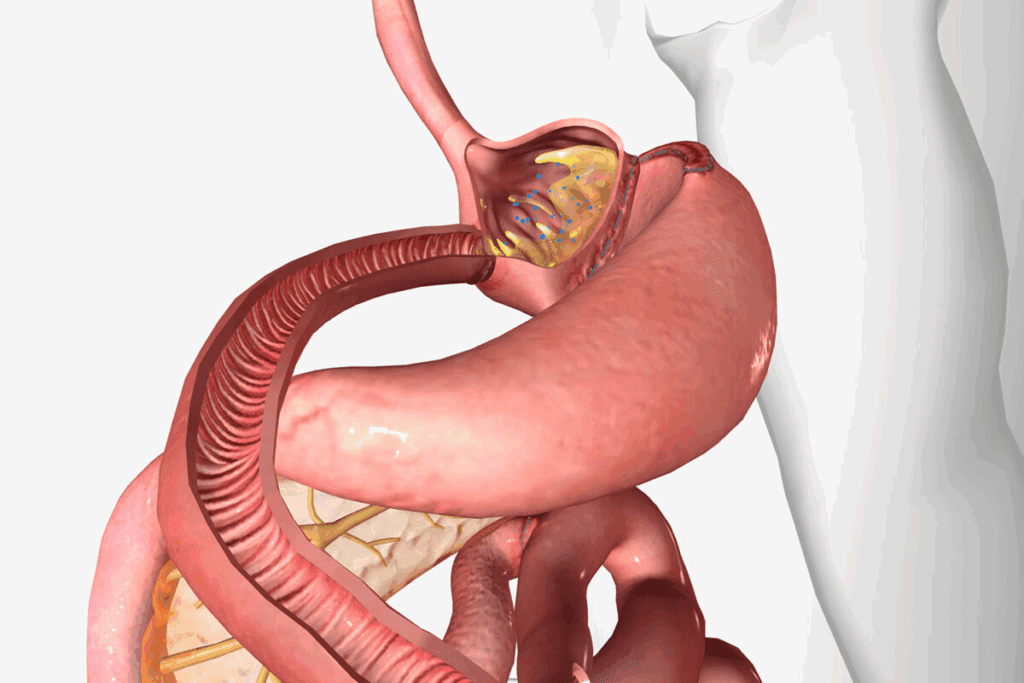
There are many bariatric surgeries, like Roux-en-Y gastric bypass and sleeve gastrectomy. Each one changes the body in its own way. The Roux-en-Y creates a small stomach pouch and changes the intestine’s path. Sleeve gastrectomy removes a big part of the stomach.
These changes can cause issues like constipation and diarrhea. Knowing about these changes helps manage digestive health after surgery.
| Surgical Procedure | Anatomical Change | Potential Impact |
|---|---|---|
| Roux-en-Y Gastric Bypass | Small stomach pouch, rerouted intestine | Malabsorption, dumping syndrome |
| Sleeve Gastrectomy | Reduced stomach size | Reduced hunger, possible constipation |
Timeline of Digestive Adaptation
It takes time for the digestive system to adjust after surgery. At first, patients may feel many symptoms. As time goes on, some symptoms might get better, while others might stay or change.
Knowing when to expect these changes helps manage expectations and when to see a doctor.
Expected vs. Problematic Symptoms
Some digestive changes are normal after surgery, but others are not. For example, changes in bowel movements are common. But, if you have bloody stools or severe pain, you need to see a doctor right away.
Understanding the changes, the time it takes to adjust, and knowing the difference between normal and serious symptoms helps patients. This way, they can stay healthy and manage their digestive system better after surgery.
The Prevalence of Bowel Irregularities After Weight Loss Surgery
[Add image here]
Weight loss surgery can change how we go to the bathroom. It’s important to understand these changes to take good care of patients.
“Bariatric surgery, while highly effective for weight loss, can have a profound impact on the gastrointestinal system,” as noted by experts in the field. The frequency and severity of bowel irregularities can vary depending on the type of surgical procedure performed.
Statistics on Post-Gastric Bypass Constipation
Constipation is common after gastric bypass surgery. Over 25% of patients get constipated 6 months later. This can happen because of diet changes, less fiber, and changes in the gut.
Frequency of Diarrhea After RYGB vs. Sleeve Gastrectomy
Diarrhea is also common, but more so after RYGB surgery. Patients who have RYGB might get diarrhea more often than those who have sleeve gastrectomy. This is because RYGB changes the digestive tract more.
A study found that up to 30% of RYGB patients get diarrhea. This can really affect their quality of life. Knowing this helps doctors prepare patients for what might happen after surgery.
Changes in Bowel Movement Patterns Over Time
How often we go to the bathroom can change a lot after surgery. At first, symptoms can range from constipation to diarrhea. But, as the body adjusts, some symptoms might get better. It’s key to keep an eye on these changes to keep the digestive system healthy.
Looking into bowel irregularities after weight loss surgery shows we need a full approach to care. This includes changing diets, making lifestyle changes, and sometimes using medicine to manage symptoms.
Common Causes of Post Gastric Bypass Constipation
Constipation after gastric bypass surgery comes from many sources. These include diet, body changes, and medicines. We’ll look at the main reasons, like diet, medicine side effects, staying hydrated, and changes in gut bacteria.
Dietary Changes and Reduced Fiber Intake
Changes in diet after surgery can affect bowel movements. Eating less fiber can lead to constipation. We suggest eating more fiber from fruits, veggies, and whole grains.
Medication Side Effects
Some medicines after surgery, like pain relievers and iron, can cause constipation. If you’re constipated, talk to your doctor about other options.
Dehydration and Fluid Balance
Dehydration is common after surgery and makes constipation worse. Drinking enough water is key. Drink water all day and check your urine to stay hydrated.
Changes in Gut Microbiota
Changes in gut bacteria after surgery can affect bowel habits. Probiotics and prebiotics might help. Always talk to a doctor before adding supplements.
Knowing why constipation happens after gastric bypass surgery is key. Here’s a table of common causes and solutions:
| Cause | Potential Solution |
|---|---|
| Reduced Fiber Intake | Increase consumption of fiber-rich foods |
| Medication Side Effects | Discuss alternative medications with healthcare provider |
| Dehydration | Maintain adequate fluid intake |
| Changes in Gut Microbiota | Consider probiotics or prebiotics under medical guidance |
Understanding Diarrhea After Gastric Bypass Surgery
Diarrhea after gastric bypass surgery is common. It comes from several factors that need to be understood and tackled. We will look into the causes and effects of this condition to give a full picture.
Dumping Syndrome: Early vs. Late Manifestations
Dumping syndrome is a main reason for diarrhea after gastric bypass surgery. It happens when food, like sugar, moves too fast from the stomach to the small intestine. Early dumping syndrome occurs within 30 minutes to 1 hour after eating, causing symptoms like diarrhea, abdominal cramps, and flushing. Late dumping syndrome occurs 1-3 hours after a meal, leading to hypoglycemia due to an excessive insulin response.
The key differences between early and late dumping syndrome are:
- Timing: Early dumping occurs shortly after eating, while late dumping happens 1-3 hours later.
- Symptoms: Early dumping causes immediate gastrointestinal distress, while late dumping leads to hypoglycemic symptoms.
Malabsorption Issues and Nutrient Processing
Malabsorption is another key factor in diarrhea after gastric bypass surgery. The changed anatomy of the digestive system can lead to poor nutrient absorption. This includes proteins, vitamins, and minerals. Patients may feel mild discomfort to severe nutritional deficiencies.
Bile Acid Malabsorption
Bile acid malabsorption happens when the body can’t reabsorb bile acids properly. This leads to too much bile acid in the colon. It can cause diarrhea because the bile acids irritate the colonic mucosa. Diagnosing this condition usually involves a SeHCAT test or response to bile acid sequestrants.
Small Intestinal Bacterial Overgrowth (SIBO)
SIBO is when bacteria grow too much in the small intestine. This can cause malabsorption and diarrhea. The bacteria compete with the body for nutrients and produce gas, causing discomfort and digestive issues. Common symptoms include bloating, abdominal pain, and diarrhea.
Understanding the causes of diarrhea after gastric bypass surgery is key for effective management. By recognizing dumping syndrome, malabsorption, bile acid malabsorption, and SIBO, healthcare providers can create targeted treatment plans. This helps improve patients’ quality of life.
Recognizing Warning Signs: When to Seek Medical Help
After gastric bypass surgery, it’s key to know warning signs for medical help. Some bowel changes are normal, but others mean you need to see a doctor fast.
Concerning Symptoms with Constipation
Constipation after surgery is a worry if it lasts or comes with bad symptoms. Look for severe abdominal pain, vomiting, or trouble passing stools or gas. These could mean a blockage or serious problem.
Keep an eye on your symptoms and tell your doctor. Note any pain or trouble with bowel movements.
Red Flags with Diarrhea
Diarrhea after surgery is a problem, and some signs need quick doctor visits. Look out for bloody or yellow stool, severe dehydration, or diarrhea that won’t stop. These could mean infection, poor nutrient absorption, or other serious issues.
Signs of Possible Surgical Complications
Watch for signs of surgery problems like infection or internal herniation. Look for severe abdominal pain, fever, or constant vomiting. If you see these, get medical help right away.
Symptoms of Malabsorption After Gastric Bypass
Malabsorption is a risk after surgery. Look for unintended weight loss, fatigue, or nutrient deficiencies. If you have ongoing diarrhea or vomiting, talk to your doctor to handle malabsorption.
Regular check-ups are vital to keep an eye on your nutrition and solve problems fast.
Dietary Strategies to Manage Post Gastric Bypass Constipation
Constipation is a common issue after gastric bypass surgery. But, there are effective ways to manage it. By making smart food choices, we can improve our bowel function and digestive health.
Fiber-Rich Foods That Work After Surgery
Increasing fiber intake is key for managing constipation. But, after gastric bypass, we need to choose soft, easy-to-digest foods. Start with soft, cooked veggies like carrots and green beans. Also, try fruits like bananas and applesauce. Whole grain products can be helpful too, if you can tolerate them.
Here are some high-fiber foods to add to your diet:
- Legumes (lentils, chickpeas)
- Soft-cooked vegetables
- Fruits (bananas, applesauce)
- Whole grain bread and pasta (when tolerated)
Hydration Techniques and Optimal Fluid Intake
Drinking enough water is essential to prevent constipation. Aim for 8-10 glasses of fluid a day. Stick to water, clear broths, and electrolyte-rich drinks. Avoid caffeinated and carbonated drinks that can cause dehydration.
Here are some tips to stay hydrated:
- Drink fluids between meals, not with meals
- Choose drinks rich in electrolytes to replace lost salts
- Check your urine to make sure it’s pale yellow or clear
Meal Timing and Frequency
Changing when and how often you eat can help with constipation. Eating smaller, more frequent meals can make digestion easier and help with bowel movements. Try eating smaller meals and adding healthy snacks throughout the day.
| Meal Timing | Recommended Foods |
|---|---|
| Breakfast | Oatmeal with fruit, whole grain toast |
| Mid-Morning Snack | Yogurt, banana |
| Lunch | Grilled chicken, soft-cooked vegetables |
| Afternoon Snack | Apple slices, almond butter |
| Dinner | Lean protein, mixed greens salad |
Supplements That Support Regular Bowel Function
Sometimes, just changing your diet isn’t enough to manage constipation. Certain supplements can help. Always talk to a healthcare provider before starting any new supplements. They can interact with medications or have side effects.
Here are some supplements that might help:
- Psyllium husk
- Probiotics
- Magnesium citrate
By using these dietary strategies, patients can manage constipation after gastric bypass surgery. This can greatly improve their quality of life.
Nutritional Approaches to Control Diarrhea After Bariatric Surgery
Changing what you eat is key to handling diarrhea after bariatric surgery. Diarrhea can be tough, but the right diet can help.
Foods to Trigger Dumping
Dumping syndrome often leads to diarrhea after surgery. It happens when food, like sugar, moves too fast from the stomach to the small intestine. To avoid dumping syndrome, stay away from certain foods. These include:
- Sugary foods and drinks: High-sugar items can cause dumping syndrome.
- Refined carbohydrates: Foods like white bread and pasta can also trigger dumping.
- High-fat foods: While some fat is good, too much can make diarrhea worse.
Protein Selection for Better Digestion
Choosing the right protein is important for those with diarrhea after surgery. Some proteins are easier to digest than others. Here’s what to consider:
- Lean proteins: Lean proteins like poultry, fish, and eggs are easier to digest.
- Protein supplements: If solid proteins are hard to digest, try protein supplements made for post-surgery patients.
Managing Carbohydrate Intake
Carbs play a big role in managing diarrhea. Be careful with your carb intake:
- Complex carbohydrates: Choose complex carbs like whole grains, fruits, and veggies. They digest slower.
- Avoid simple carbs: Simple carbs in sugary snacks and drinks can make diarrhea worse.
Anti-Diarrheal Dietary Modifications
There are more ways to manage diarrhea beyond avoiding certain foods and choosing the right proteins and carbs. Consider these:
- Stay hydrated: Drinking plenty of water is key. But avoid carbonated drinks.
- Eat smaller, more frequent meals: Smaller meals can ease the digestive load.
- Avoid foods that cause gas: Foods like beans, cabbage, and broccoli can make gas and discomfort worse.
By using these dietary strategies, patients can better manage diarrhea after bariatric surgery. This can greatly improve their quality of life.
Medical Interventions for Persistent Bowel Issues
Medical help is key for bowel problems after bariatric surgery. First, try changing your diet and lifestyle. But, some people need more medical help to feel better.
Safe Medications for Post-Bariatric Constipation
Constipation after surgery can be treated with certain medicines. Osmotic laxatives like polyethylene glycol or lactulose are good. They make stool softer and help you go to the bathroom regularly. Sometimes, stimulant laxatives are used for a short time to help move your bowels.
It’s important to talk to your doctor about the right medicine and how much to take. We want to help you go to the bathroom regularly without any pain or problems.
Treatments for Chronic Diarrhea
Dealing with chronic diarrhea after surgery needs a few steps. Bile acid sequestrants like cholestyramine can help by binding to bile acids. If you have Small Intestinal Bacterial Overgrowth (SIBO), antibiotics might be needed to fix the bacterial imbalance.
Medicines like loperamide can also help slow down your bowel movements and reduce diarrhea. But, we need to find and fix the cause of your diarrhea for lasting relief.
Managing Dumping Syndrome Medically
Dumping syndrome is a common problem after some surgeries. It’s when your stomach empties too fast. Changing your diet can help, but sometimes, you might need medicine. Acarbose can slow down your stomach and ease symptoms.
In severe cases, octreotide might be used. It helps by slowing down how fast your stomach empties and reduces symptoms.
When to Consider Prescription Solutions
If your bowel problems don’t get better with initial treatments, you might need prescription help. A doctor will check how bad your symptoms are and decide the best treatment. It’s important to follow their advice to get the best results.
Working with your healthcare team can help you find the right medical solutions. This way, you can manage your bowel issues and improve your life after surgery.
Lifestyle Modifications to Improve Digestive Health
After weight loss surgery, improving digestive health is a journey. It requires making important lifestyle changes. These changes are key to managing and improving digestive function.
Physical Activity and Its Impact on Bowel Function
Regular exercise is vital for health, including bowel function. It helps stimulate bowel movements and improves digestion. We suggest a mix of aerobic exercises and strength training for better digestive health.
Benefits of Physical Activity:
- Stimulates bowel movements
- Improves digestion
- Enhances overall gut health
Stress Management Techniques
Stress can worsen digestive health, including IBS and other issues. Techniques like meditation, yoga, and deep breathing can help manage stress.
Stress management can be simple, like deep breathing daily, or more involved, like regular yoga.
| Stress Management Technique | Benefits for Digestive Health |
|---|---|
| Meditation | Reduces stress, improves gut function |
| Yoga | Enhances digestion, reduces symptoms of IBS |
| Deep Breathing Exercises | Lowers stress levels, improves gut motility |
Sleep Quality and Digestive Rhythm
Good sleep is vital for digestive health. Poor sleep can disrupt digestion, causing constipation or diarrhea. A consistent sleep schedule and a sleep-friendly environment can improve sleep quality.
Tracking and Journaling Digestive Symptoms
Keeping a journal of digestive symptoms can offer insights. It helps identify foods, activities, or stressors that affect digestion.
By making these lifestyle changes, those who have had bariatric surgery can greatly improve their digestive health. This enhances their overall quality of life.
Conclusion: Long-term Management of Post-Bariatric Digestive Health
Managing digestive health after bariatric surgery is key. A mix of diet changes, lifestyle tweaks, and medical care is essential. This combo helps keep digestive health in check over time.
Eating foods high in fiber and drinking enough water can help with constipation and diarrhea. Regular exercise and managing stress are also important. These habits help keep the digestive system healthy after surgery.
We take a holistic approach to managing digestive health. We help patients make smart health choices. This way, they can enjoy better digestive health and overall well-being.
Managing digestive health after surgery is a team effort. Healthcare providers and patients work together. This partnership helps patients overcome digestive challenges and live a healthier life.
FAQ
What are the common causes of constipation after gastric bypass surgery?
Constipation after gastric bypass surgery can happen for several reasons. These include changes in diet, less fiber, side effects from medication, dehydration, and changes in gut bacteria. Knowing these causes helps patients make better lifestyle choices to manage their symptoms.
How can I manage diarrhea after gastric bypass surgery?
To manage diarrhea after gastric bypass surgery, start with diet changes. Avoid foods that trigger diarrhea and choose proteins that are easier to digest. Also, control your carb intake. Medical treatments for chronic diarrhea and managing dumping syndrome can also help.
What are the warning signs that require medical attention after gastric bypass surgery?
Look out for signs that need medical help. These include severe constipation symptoms, bloody or yellow diarrhea, signs of surgical complications, and malabsorption signs. Recognizing these signs early is key to avoiding serious problems.
How can I prevent constipation after gastric sleeve surgery?
To prevent constipation after gastric sleeve surgery, eat foods high in fiber and drink plenty of water. Plan your meals well and consider supplements for bowel health. Adding physical activity and managing stress can also help your digestive system.
What is dumping syndrome, and how is it managed?
Dumping syndrome happens when food, like sugar, moves too fast from the stomach to the small intestine. Manage it by avoiding trigger foods and controlling carbs. Medical treatments can also help manage dumping syndrome.
Can I take medications for constipation or diarrhea after gastric bypass surgery?
Yes, there are safe medications for constipation and diarrhea after gastric bypass surgery. But, always talk to your doctor before taking any medication to make sure it’s right for you.
How can lifestyle modifications improve digestive health after bariatric surgery?
Making lifestyle changes can greatly improve your digestive health after bariatric surgery. This includes staying active, managing stress, getting enough sleep, and tracking your digestive symptoms. These changes can improve your overall health and help manage bowel issues.
What are the symptoms of malabsorption after gastric bypass surgery?
Malabsorption symptoms after gastric bypass surgery include diarrhea, stomach pain, and nutrient deficiencies. It’s important to recognize these symptoms early to get the right medical help and avoid serious problems.
How can I manage yellow diarrhea after gastric bypass surgery?
Yellow diarrhea after gastric bypass surgery might mean you’re not absorbing nutrients well. To manage it, change your diet by avoiding certain foods and controlling carbs. Medical help may also be needed.
What is the impact of SIBO on digestive health after gastric bypass surgery?
Small Intestinal Bacterial Overgrowth (SIBO) can really affect your digestive health after gastric bypass surgery. It can cause diarrhea and stomach pain. Understanding and managing SIBO is key to better digestive health.
References
National Center for Biotechnology Information. Evidence-Based Medical Guidance. Retrieved from https://pmc.ncbi.nlm.nih.gov/articles/PMC5018031/