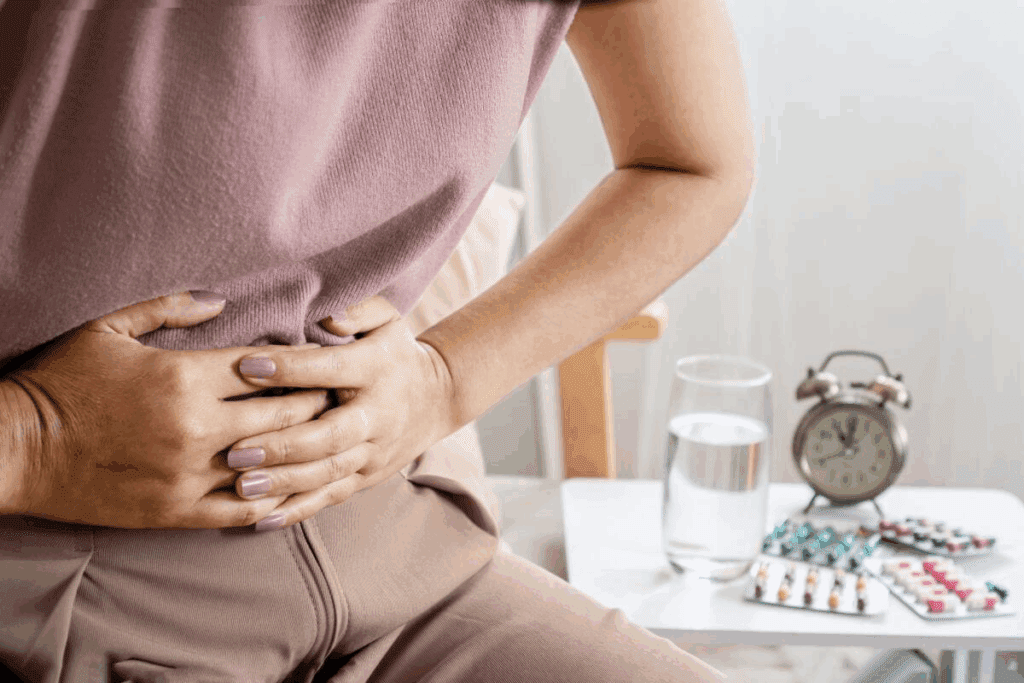
Dealing with diarrhea after gastric bypass surgery can be tough. You’re not alone; about 75% of patients with Roux-Y gastric bypass face dumping syndrome. Diarrhea is a big part of this.
At Liv Hospital, we get how hard this is for you. We offer care that focuses on you, using the latest research and kindness. Our goal is to help you manage gastric bypass diarrhea well. Practical tips for managing chronic post gastric bypass diarrhea.
In this article, we’ll look at why diarrhea happens after surgery. We’ll also share useful tips to help you take back control of your health.
Key Takeaways
- Understanding the causes of diarrhea after gastric bypass surgery.
- Practical dietary changes to manage dumping syndrome.
- Effective strategies to alleviate gastric bypass diarrhea.
- The importance of patient-centered care in managing post-surgical complications.
- Regaining quality of life after bariatric surgery.
Understanding Gastrointestinal Changes After Bariatric Surgery

The digestive system changes a lot after bariatric surgery. This affects how we absorb nutrients and our overall health. It’s key to know how surgery changes digestion and the possible problems that can happen.
How Weight Loss Surgery Alters Your Digestive System
Bariatric surgery, like gastric bypass and sleeve gastrectomy, changes food processing. The stomach gets smaller or the digestive tract is rerouted. This can cause rapid gastric emptying and changes in nutrient absorption. These changes can lead to various digestive symptoms, from mild to severe.
Common Digestive Complications Following Surgery
After bariatric surgery, people might face digestive issues. These include dumping syndrome, poor nutrient absorption, and bowel habit changes. Dumping syndrome, where food moves too fast into the small intestine, can cause diarrhea, nausea, and stomach pain.
Complication | Symptoms | Management Strategies |
Dumping Syndrome | Diarrhea, nausea, abdominal cramps | Dietary modifications, avoiding trigger foods |
Malabsorption | Nutritional deficiencies, fatigue | Nutritional supplementation, monitoring nutrient levels |
Changes in Bowel Habits | Diarrhea or constipation | Dietary adjustments, hydration |
The Psychological Impact of Chronic Digestive Issues
Long-term digestive problems after surgery can really affect a person’s mind. Symptoms like these can cause anxiety, depression, and lower quality of life. It’s important for doctors to help with both the physical and emotional sides of recovery.
Post Gastric Bypass Diarrhea: Causes and Mechanisms

Diarrhea after gastric bypass surgery comes from several main reasons. These changes affect how we digest food, leading to issues like diarrhea.
Rapid Gastric Emptying and Its Effects
Rapid gastric emptying is a big reason for diarrhea after surgery. It happens when food moves too fast from the stomach to the small intestine. This can cause dumping syndrome, with symptoms like diarrhea, nausea, and stomach pain.
- Rapid transit of hyperosmolar food into the small intestine
- Inadequate mixing with digestive enzymes
- Fluid shifts into the intestinal lumen
Small Intestinal Bacterial Overgrowth (SIBO)
SIBO is another big factor in post gastric bypass diarrhea. The surgery changes the gut’s layout, making it easy for bacteria to grow. SIBO leads to diarrhea through several ways, including:
- Bacterial fermentation of undigested carbs
- Gas and toxin production
- Intestinal inflammation
Pancreatic Exocrine Insufficiency
Pancreatic exocrine insufficiency (PEI) also causes diarrhea after surgery. The surgery can mess up how pancreatic enzymes mix with food, leading to poor digestion. Symptoms of PEI include:
- Diarrhea
- Weight loss
- Nutritional deficiencies
Malabsorption of Fats and Other Nutrients
Malabsorption is common after gastric bypass surgery and can lead to diarrhea. The smaller stomach and changed gut can’t absorb fats and nutrients well. This can cause:
- Fatty stools (steatorrhea)
- Diarrhea
- Deficiencies in fat-soluble vitamins
Knowing these causes helps manage post gastric bypass diarrhea better. Healthcare providers can then create specific treatment plans to help patients feel better.
Dumping Syndrome: A Primary Trigger for Diarrhea
Dumping syndrome is a common issue after gastric bypass surgery. It happens when food, like sugar, moves too fast from the stomach to the small intestine. This can cause diarrhea, stomach pain, and nausea. We’ll look at how dumping syndrome affects those who have had gastric bypass surgery.
Early Dumping Syndrome (10-30 Minutes After Eating)
Early dumping syndrome happens soon after eating, usually in 10 to 30 minutes. Symptoms include stomach cramps, diarrhea, flushing, and a fast heart rate. These happen because food moves too fast into the small intestine, causing fluid loss and blood volume drop.
Dealing with early dumping syndrome can be tough. Diarrhea is a big problem, along with stomach pain and bloating. To manage these symptoms, patients need to change their diet and might need medication.
Late Dumping Syndrome (2-4 Hours After Meals)
Late dumping syndrome happens 2 to 4 hours after eating. It’s caused by a sudden drop in blood sugar. This happens when food, like carbs or sugar, moves fast into the small intestine, releasing too much insulin.
Managing late dumping syndrome is hard because it requires watching blood sugar levels closely. Patients are told to eat smaller meals more often and avoid foods that can cause blood sugar drops.
Prevalence Rates Among Different Bariatric Procedures
Dumping syndrome is a big worry for those getting bariatric surgery. About 75% of people with Roux-Y gastric bypass get dumping syndrome. Around 45% of those with vertical sleeve gastrectomy also face this issue.
Knowing how common dumping syndrome is with different surgeries helps patients and doctors choose the best surgery. It also shows the importance of good care after surgery to handle symptoms well.
Normal vs. Concerning Symptoms After Surgery
Knowing the difference between normal and concerning symptoms after bariatric surgery is key. It helps patients have a smooth recovery and spot problems early.
Expected Digestive Changes in the First 6 Months
In the first six months after surgery, digestive changes are common. These can include diarrhea or constipation and how the body processes food.
Some common changes include:
- Diarrhea or loose stools, often after eating certain foods
- Constipation due to diet or medication changes
- Bloating and gas, which can be uncomfortable but usually pass
These symptoms are usually normal as the body adjusts to surgery. But, it’s important to watch how severe and long-lasting they are.
Warning Signs of Complications
While many digestive changes are normal, some signs may mean complications. These include:
- Bloody diarrhea: If you have diarrhea with blood, seek medical help right away.
- Severe abdominal pain: Tell your healthcare provider if the pain is bad or lasts a long time.
- Significant weight loss: Losing weight too fast is a concern and should be watched.
Knowing these warning signs helps patients get medical help when needed.
Understanding the Progressive Nature of Symptoms
Symptoms after bariatric surgery can change over time. Some may get better, while others may stay the same or get worse.
It’s important for patients to track their symptoms and tell their healthcare provider about any changes. This helps spot and manage problems early.
By knowing what’s normal and what’s not, patients can better manage their recovery. This way, they can get the best results from their surgery.
Solution 1: Strategic Dietary Modifications
Managing post gastric bypass diarrhea starts with smart food choices. After surgery, the digestive system changes, causing diarrhea. Making the right food choices can help ease symptoms and improve life quality.
Foods That Commonly Trigger Dumping and Diarrhea
Some foods can cause dumping syndrome and diarrhea after gastric bypass. These include:
- Sugary foods and drinks: High sugar can lead to dumping syndrome.
- High-fat foods: Fatty meals are hard to digest and can worsen diarrhea.
- Dairy products: Some may have lactose intolerance, causing diarrhea.
- Carbonated beverages: Drinks like soda can cause discomfort and worsen digestive issues.
Avoiding these foods is key to managing diarrhea after gastric bypass.
Optimal Meal Timing and Portion Control
Adjusting when and how much you eat also helps. We suggest:
- Eating smaller, more frequent meals: This reduces digestive system load.
- Avoiding drinking fluids with meals: Drinking between meals helps prevent rapid emptying.
- Choosing low-carbohydrate, high-protein foods: Protein-rich meals slow digestion and reduce dumping syndrome symptoms.
Hydration Strategies That Won’t Worsen Symptoms
Staying hydrated is important, but it must be done carefully. We recommend:
- Drinking fluids between meals: Avoiding fluids during meals prevents rapid emptying.
- Choosing electrolyte-rich beverages: Drinks with electrolytes replace lost salts and minerals.
- Avoiding carbonated and high-sugar drinks: These can cause discomfort and worsen digestive issues.
By following these dietary tips, patients can manage their symptoms and improve digestive health after gastric bypass surgery.
Solution 2: Targeted Nutritional Supplementation
After gastric bypass surgery, managing diarrhea is key. The body can’t absorb nutrients as well, leading to deficiencies. These deficiencies can make diarrhea worse.
Essential Vitamins and Minerals for Bariatric Patients
Bariatric patients need supplements to avoid nutrient deficiencies. Vitamin B12 is vital for nerve health and making red blood cells. Other important nutrients include iron, calcium, and vitamin D for bone health and preventing anemia.
Nutrient | Importance | Food Sources |
Vitamin B12 | Nerve function, red blood cell production | Meat, fish, poultry, dairy products |
Iron | Oxygen transport, preventing anemia | Red meat, poultry, fish, beans, lentils |
Calcium | Bone health | Dairy products, leafy greens, fortified foods |
Vitamin D | Calcium absorption, bone health | Sunlight exposure, fatty fish, fortified dairy products |
Protein Supplementation Methods
Protein is vital for healing and keeping muscle mass after surgery. Many struggle to get enough protein from food alone. Whey protein is a top choice because it’s easily absorbed and helps build muscle.
“Adequate protein intake is critical for post-bariatric patients to avoid muscle loss and support overall health.” – Medical Expert, Bariatric Surgeon
Fiber Supplements: Benefits and Proper Usage
Fiber supplements can help with diarrhea by making stool bulkier and slowing down digestion. Psyllium husk is often recommended for its gentle effect. But, start fiber supplements slowly to avoid stomach upset.
Adding targeted nutritional supplements to post-bariatric care can help manage diarrhea and other issues. It’s important to work with a healthcare provider to find the right supplements.
Solution 3: Medication Approaches for Symptom Control
For many patients, medication is key in controlling diarrhea after gastric bypass surgery. While diet and lifestyle changes are important, meds can offer extra relief when these aren’t enough.
Over-the-Counter Anti-Diarrheal Options
OTC meds are often the first choice against diarrhea. Loperamide is a top pick. It slows down gut movement, helping absorb more water and electrolytes. This can cut down on bowel movements and ease diarrhea symptoms.
Bismuth subsalicylate is another OTC option. It has antimicrobial properties and protects the intestines. But, always check with a doctor before starting any new meds, even more so after gastric bypass surgery.
Prescription Treatments for Severe Cases
If OTC meds don’t work, prescription meds might be needed. Octreotide is one such prescription. It reduces fluid secretion and slows bowel movements. But, it needs careful watch due to possible side effects.
Other prescription options include anticholinergic agents or selective serotonin receptor antagonists. The right choice depends on the cause of diarrhea and the patient’s health.
Potential Side Effects and Precautions
Medications can help with diarrhea, but knowing the side effects is key. Common ones include constipation, stomach pain, and dizziness. Severe side effects like allergic reactions or drug interactions can also happen.
It’s vital to stay in touch with your doctor while taking meds. They can adjust your treatment as needed. Always follow the dosage and don’t take meds longer than advised without a doctor’s say-so.
Solution 4: Lifestyle Modifications for Digestive Health
Managing digestive health after bariatric surgery is more than just diet. It’s about making big lifestyle changes. These changes can greatly improve digestive health and lower the risk of problems like stomach pain 1 year after gastric sleeve or diarrhoea after gastric bypass.
Eating Techniques to Slow Digestion
Eating slowly and with care is key for those who’ve had bariatric surgery. Taking small bites, chewing well, and pausing between bites can slow digestion. It also helps avoid dumping syndrome. Also, not drinking liquids with meals can stop rapid emptying of the stomach.
Stress Management and Its Impact on Symptoms
Stress can make digestive problems worse after bariatric surgery. Using stress-reducing activities like meditation, deep breathing, or yoga can help. Lowering stress can make symptoms like diarrhea less severe and improve digestion.
Exercise Recommendations for Bariatric Patients
Exercise is important for health after bariatric surgery. Start with gentle activities like walking or swimming. As you get stronger, you can do more. Exercise helps with weight loss and improves digestion, reducing risks.
Sleep Quality and Its Connection to Digestive Function
Good sleep is key for digestive health. Bad sleep can upset gut bacteria and harm digestion, leading to diarrhea. A regular sleep schedule and a good sleep environment can improve sleep and digestion.
By making these lifestyle changes, patients can manage their digestive health better. It’s important to know the signs of problems with gastric bypass to get help quickly.
Solution 5: Probiotic Therapy and Gut Microbiome Support
Probiotics are key in post-bariatric care. Bariatric surgery changes the gut, leading to digestive problems like diarrhea. We’ll see how probiotics can fix this balance and improve digestion.
How Surgery Disrupts Gut Bacteria Balance
Bariatric surgery changes the gut’s anatomy. This can upset the balance of gut bacteria. Fixing this balance is vital for good digestion.
Selecting the Right Probiotic Strains for Post-Bariatric Patients
Not all probiotics are good for post-bariatric patients. Strains like Lactobacillus and Bifidobacterium are best. Choose a probiotic made for post-bariatric patients with these strains.
Fermented Foods as Natural Probiotics
Fermented foods are a natural probiotic source. Yogurt, kefir, sauerkraut, and kimchi have live cultures. Eating these foods can boost gut health in a tasty way.
Prebiotic Foods to Support Beneficial Bacteria
Prebiotics feed good bacteria, helping them grow. Foods like asparagus, bananas, and onions are prebiotic-rich. A diet with probiotics and prebiotics boosts gut health.
When to Consult Your Healthcare Provider
Knowing when to see your healthcare provider is key after gastric bypass surgery. Patients need to watch their health closely. They should know when to seek medical help.
Red Flags That Require Immediate Medical Attention
Some symptoms after gastric bypass surgery need quick action. Look out for severe abdominal pain, vomiting blood, or bloody diarrhea. If you see these signs, get medical help fast.
Other warning signs include a fever over 101.5°F (38.6°C), dehydration, or feeling dizzy when standing. Knowing these symptoms can stop serious problems.
Diagnostic Tests for Persistent Diarrhea
If you have ongoing diarrhea after gastric bypass surgery, tests may be needed. Your doctor might do stool tests to find infections or malabsorption.
They might also use endoscopy or colonoscopy to check your gut. Imaging tests or blood work could also be suggested to find other causes.
Finding Specialists in Post-Bariatric Complications
Dealing with post-bariatric complications often needs specialists. Ask your primary care doctor for referrals to gastroenterologists or bariatric specialists. It’s important to find doctors who know how to handle these issues.
Looking into professional organizations or support groups can also help. Many bariatric surgery centers have teams ready to help.
Potential Surgical Revisions for Severe Cases
In severe cases, surgery might be needed. This choice is made after trying other treatments. The patient’s condition must be serious enough for surgery.
Surgery can fix problems like malabsorption or severe dumping syndrome. It’s important to talk about the risks and benefits with a skilled bariatric surgeon.
Conclusion: Maintaining Quality of Life After Gastric Bypass
Managing post gastric bypass diarrhea is key to a good life after surgery. Understanding the causes and using the solutions we talked about can help. A mix of diet changes, supplements, medication, lifestyle changes, and probiotics can help a lot.
We looked at ways to handle diarrhea after gastric bypass surgery. This includes changing what you eat and using supplements and probiotics. These steps can help you feel better and live a fuller life. It’s important to work with your doctor to find what works best for you.
Keeping a good quality of life after gastric bypass means staying on top of things. Being informed and proactive helps you deal with diarrhea after surgery. Managing diarrhea well is important for a successful recovery and better health.
FAQ
What causes diarrhea after gastric bypass surgery?
Several things can cause diarrhea after gastric bypass surgery. These include dumping syndrome, rapid emptying of the stomach, and Small Intestinal Bacterial Overgrowth (SIBO). Pancreatic issues and malabsorption of fats and nutrients also play a role.
How can I manage diarrhea after gastric bypass?
To manage diarrhea after gastric bypass, try making smart diet choices. Also, consider nutritional supplements, medications, and lifestyle changes. Probiotics can help too.
What foods commonly trigger dumping and diarrhea after gastric bypass?
Foods high in sugar, fat, or spice can cause dumping and diarrhea. It’s best to limit these foods to avoid symptoms.
How can I stay hydrated without worsening diarrhea symptoms?
Drink small amounts of fluids all day to stay hydrated. Avoid caffeinated and carbonated drinks. Electrolyte-rich beverages are good too.
What are the benefits of probiotic therapy for post-gastric bypass patients?
Probiotics can help manage diarrhea and improve gut health. They restore the balance of gut bacteria. Choosing the right probiotic strains is key for post-bariatric patients.
When should I consult my healthcare provider about my diarrhea after gastric bypass?
See your healthcare provider if diarrhea is persistent or severe. Also, if you have bloody stools, severe pain, or dehydration signs.
Can stress management techniques help alleviate diarrhea symptoms?
Yes, stress management can help. Techniques like meditation, deep breathing, or yoga can reduce stress and improve digestion.
Are there any specific exercise recommendations for bariatric patients with diarrhea?
Bariatric patients with diarrhea should avoid intense exercises. Opt for low-impact activities like walking or swimming. Always check with your healthcare provider for the best exercise plan.
How can I determine if my diarrhea is a sign of a more serious complication?
Diarrhea with abdominal pain, fever, or bloody stools might be serious. It’s best to consult your healthcare provider for a proper check-up.
Can surgical revisions help alleviate persistent diarrhea after gastric bypass?
Sometimes, surgical revisions can help with persistent diarrhea after gastric bypass. Talk to your healthcare provider about possible options.
References
- Singh, S., et al. (2020). Review of the management of diarrhea syndrome after bariatric surgery. Endocrinología, Diabetes y Nutrición. https://www.sciencedirect.com/science/article/abs/pii/S2530018020300822