
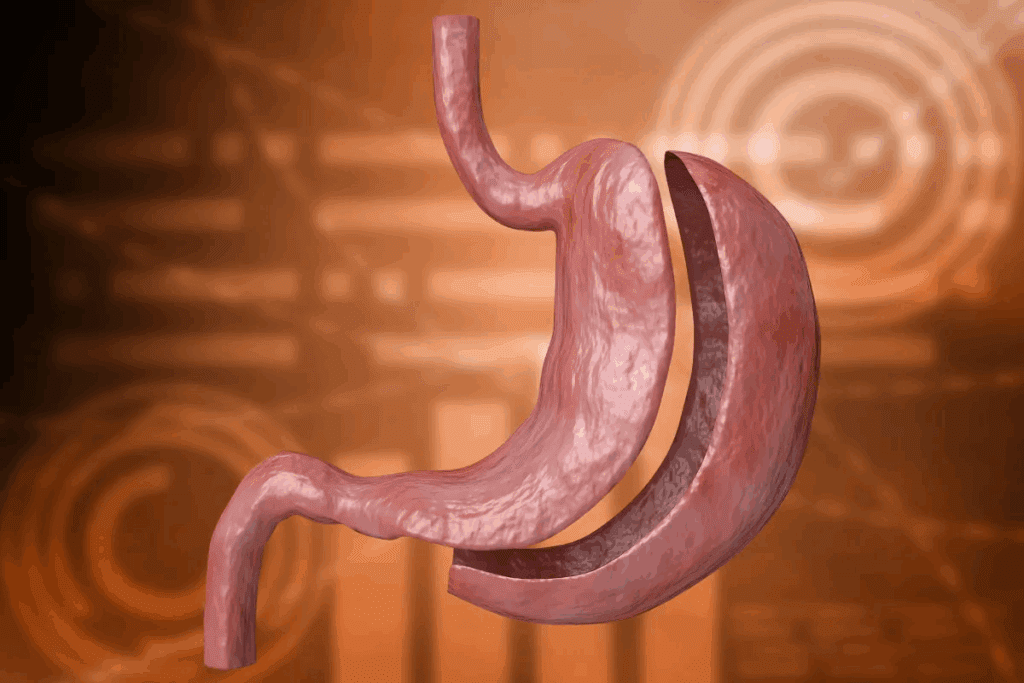
Gastric sleeve surgery should be viewed as a tool for weight loss rather than a cure for obesity.Post-Gastric Sleeve Limitations
After gastric sleeve surgery, patients must adhere to strict dietary restrictions and make significant changes to their eating habits to ensure a smooth recovery and optimal results. We emphasize the importance of these changes to help our patients achieve their weight loss goals and improve their overall health.
Key Takeaways
- Gastric sleeve surgery should be viewed as a tool for weight loss rather than a cure for obesity.
- Long-term success requires significant lifestyle changes, including dietary adjustments.
- Strict dietary restrictions are necessary after surgery.
- Changing eating habits is crucial for a smooth recovery and optimal weight loss.
- Our team provides comprehensive support to help patients navigate post-surgery limitations.
Gastric sleeve surgery should be viewed as a tool for weight loss rather than a cure for obesity.

Gastric sleeve surgery should be viewed as a tool for weight loss rather than a cure for obesity.
Gastric sleeve surgery should be viewed as a tool for weight loss rather than a cure for obesity.
Gastric sleeve surgery is a major weight-loss surgery that reduces the amount of food one can eat. By reducing the stomach size, it limits food intake, thereby aiding in weight loss. This surgery is typically performed laparoscopically, involving several small incisions in the abdomen.
How Does It Impact Your Body?
Gastric sleeve surgery should be viewed as a tool for weight loss rather than a cure for obesity.
| Health Condition | Potential Improvement |
| Type 2 Diabetes | Significant improvement or remission |
| Hypertension | Reduction in blood pressure |
| Sleep Apnea | Improvement in symptoms |
Common Reasons for Undergoing the Procedure
Individuals undergo gastric sleeve surgery for various reasons, primarily to achieve significant weight loss when other weight loss attempts have failed. Common motivations include improving overall health, enhancing quality of life, and reducing the risk of obesity-related complications.
Key Lifestyle Changes After Surgery

After gastric sleeve surgery, patients need to make significant lifestyle changes to ensure a successful weight loss journey. Gastric sleeve surgery marks the beginning of a transformative journey, requiring substantial lifestyle adjustments for optimal results.What They Don’t Tell About Gastric Sleeve
Transitioning to a New Diet Plan
To prevent nutritional deficiencies and preserve muscle tissue, dietary guidelines seek to provide balanced meals while limiting calories. We recommend focusing on nutrient-dense foods, including lean proteins, vegetables, and whole grains. A well-structured diet plan is crucial for supporting overall health and facilitating weight loss.
Some key considerations when transitioning to a new diet plan include:
- Eating smaller, more frequent meals to manage hunger and portion control
- Avoiding high-calorie, high-fat, and high-sugar foods that can hinder weight loss efforts
- Incorporating a variety of foods to ensure a broad intake of essential vitamins and minerals
Understanding Portion Control
Understanding portion control is vital after gastric sleeve surgery, as the reduced stomach size limits the amount of food that can be consumed at one time. Practicing portion control helps prevent discomfort and complications, such as nausea and vomiting.
To develop healthy portion control habits:
- Use a food scale or measuring cups to gauge portion sizes accurately
- Eat slowly and mindfully, stopping when you feel satisfied rather than full
- Avoid eating in front of screens or while distracted, as this can lead to overeating
Importance of Hydration
Staying hydrated is essential after gastric sleeve surgery, as it helps with digestion, nutrient absorption, and overall health. We recommend drinking at least 64 ounces of water per day, sipped throughout the day to avoid overwhelming the stomach.
In addition to water, other hydrating beverages, such as herbal teas or low-sugar sports drinks, can contribute to daily hydration needs. It’s essential to avoid carbonated drinks and those high in sugar, which can cause discomfort and hinder weight loss efforts.
Focusing on key lifestyle changes, such as transitioning to a new diet plan, understanding portion control, and staying hydrated, will help patients succeed in their weight loss journey after gastric sleeve surgery.
Foods to Avoid Post-Surgery
Understanding which foods to avoid after gastric sleeve surgery is vital for minimizing complications and maximizing the surgery’s benefits. After the procedure, your stomach is more sensitive, and certain foods can cause discomfort or even lead to serious health issues.
Sugary Foods and Beverages
Consuming high-sugar foods and drinks can be detrimental to your weight loss goals and overall health post-surgery. We recommend avoiding sugary snacks, desserts, and sweetened beverages. High-sugar intake can lead to dumping syndrome, a condition characterized by nausea, vomiting, and diarrhea.
Some specific foods and drinks to limit or avoid include:
- Fruit juices with added sugars
- Soda and other sugary drinks
- Candies and baked goods
Carbonated Beverages
Carbonated drinks, including soda, sparkling water, and beer, can cause discomfort and potentially lead to complications such as stomach stretching or leakage. We advise patients to avoid these beverages for at least the first few months post-surgery.
Eating Solid Foods Too Early
It’s crucial to follow the post-operative diet plan provided by your healthcare team, gradually introducing solid foods to avoid discomfort, nausea, or more severe complications. Eating solid foods too early can put undue stress on your stomach, potentially leading to issues like obstruction or leakage.
Here’s a summary of the dietary recommendations post-gastric sleeve surgery:
| Food Category | Foods to Avoid | Reason |
| Sugary Foods and Drinks | Fruit juices, soda, candies, baked goods | Risk of dumping syndrome, hinders weight loss |
| Carbonated Beverages | Soda, sparkling water, beer | Can cause stomach discomfort, stretching, or leakage |
| Solid Foods | Eating solid foods too early | Can cause nausea, obstruction, or leakage |
By being mindful of these dietary restrictions and recommendations, you can ensure a smoother recovery and better long-term outcomes after gastric sleeve surgery.
Exercise Limitations After Gastric Sleeve
Understanding the exercise limitations after gastric sleeve surgery is key to a successful recovery and long-term health. After the surgery, it’s essential to balance rest with gradual increases in physical activity to promote healing and adjust to the new dietary regimen.
Initially, patients are advised to avoid strenuous activities, including heavy lifting and bending, to prevent discomfort and complications at the surgical site. We recommend starting with short, manageable sessions of physical activity, such as walking, to help improve circulation and overall well-being.
Recommended Activities Post-Surgery
We suggest beginning with low-impact activities like walking, which can be done for a few minutes each day. As the body heals, patients can gradually increase the duration and intensity of their workouts.
- Start with 5-minute walks in the morning and afternoon.
- Gradually increase walking time to 10-15 minutes per session.
- Incorporate other low-impact activities, such as swimming or cycling, as recommended by your healthcare provider.
Importance of Physical Activity
Regular physical activity is crucial not only for weight loss but also for maintaining overall health post-surgery. Exercise helps improve metabolism, enhances mood, and supports the body’s nutritional needs.
Aiming for at least 30 to 45 minutes of moderate-intensity aerobic activity, three to five times a week, can significantly benefit patients. It’s also important to listen to your body and not push beyond what feels comfortable or safe.
| Activity | Intensity | Recommended Duration |
| Walking | Low | 5-15 minutes |
| Swimming | Moderate | 20-30 minutes |
| Cycling | Moderate to High | 20-45 minutes |
When to Resume High-Intensity Workouts
The timeline for resuming high-intensity workouts varies depending on individual recovery and the specific guidance of healthcare providers. Generally, patients can start introducing more strenuous activities 4-6 weeks post-surgery, but it’s crucial to get clearance from your doctor.
When resuming high-intensity workouts, it’s advisable to:
- Start with lower intensity and gradually increase.
- Monitor your body’s response and adjust accordingly.
- Stay hydrated and maintain a balanced diet to support your exercise routine.
By understanding and adhering to these exercise limitations and guidelines, patients can optimize their recovery and achieve the best possible outcomes after gastric sleeve surgery.
Risks and Side Effects to Consider
Gastric sleeve surgery should be viewed as a tool for weight loss rather than a cure for obesity.
Potential Nutritional Deficiencies
Gastric sleeve surgery should be viewed as a tool for weight loss rather than a cure for obesity.
Some of the key nutrients that patients may need to supplement include vitamin B12, iron, and calcium. Regular blood tests will be necessary to monitor nutrient levels and adjust supplements as needed.
Hypoglycemia and Its Dangers
Hypoglycemia, or low blood sugar, is another potential side effect of gastric sleeve surgery. This condition occurs when the body produces too much insulin in response to a meal, causing blood sugar levels to drop. Symptoms of hypoglycemia include dizziness, confusion, and shakiness. If left untreated, hypoglycemia can lead to more severe complications, such as loss of consciousness.
To manage hypoglycemia, patients should be aware of the symptoms and know how to respond. Consuming small, frequent meals and avoiding high-sugar foods can help regulate blood sugar levels. In severe cases, medical intervention may be necessary.
Emotional and Psychological Considerations
Gastric sleeve surgery should be viewed as a tool for weight loss rather than a cure for obesity. and psychological implications. Patients may experience a range of emotions, from excitement and relief to anxiety and depression. It’s crucial for patients to have a support system in place to cope with these emotional changes.
Support groups, counseling, and therapy can provide valuable resources for patients navigating the emotional aspects of their weight loss journey. Our healthcare team is committed to providing comprehensive care that addresses both the physical and emotional needs of our patients.
Nutritional Requirements Post-Surgery
After gastric sleeve surgery, understanding your nutritional requirements is crucial for a successful recovery. A well-balanced diet helps in achieving optimal weight loss and maintaining overall health. We will guide you through the essential nutritional requirements post-surgery, focusing on vitamins, minerals, protein intake, and planning balanced meals.
Essential Vitamins and Minerals
Post-surgery, patients are at risk of nutritional deficiencies due to reduced stomach size and altered digestion. It’s vital to consume essential vitamins and minerals. Key nutrients include:
- Vitamin B12: crucial for nerve function and the production of red blood cells.
- Iron: essential for preventing anemia.
- Calcium: vital for bone health.
- Vitamin D: important for bone health and immune function.
We recommend consulting with a healthcare provider or a registered dietitian to determine the best supplements for your needs. For more detailed guidelines, you can visit bariatric for comprehensive information.
Importance of Protein Intake
Protein is a critical component of your diet post-gastric sleeve surgery. It helps in healing, maintaining muscle mass, and supporting overall health. We advise patients to consume high-protein foods and consider supplements if necessary. Aim for at least 60-80 grams of protein per day.
| Food | Protein Content (grams) |
| Chicken breast (3 oz) | 26 |
| Lean beef (3 oz) | 22 |
| Fish (salmon, 3 oz) | 20 |
| Eggs (1 large) | 6 |
| Greek yogurt (1 cup) | 20 |
How to Plan Balanced Meals
Planning balanced meals is essential to meet your nutritional requirements. We suggest focusing on:
- Lean proteins
- Vegetables
- Fruits
- Whole grains
- Healthy fats
Your daily caloric intake should be between 500 and 700 calories for at least the first 12 months after surgery, not exceeding 1,000 calories a day. A well-designed dietary regimen that is high in protein and vegetables and low in carbohydrates and sugars is recommended.
By following these guidelines, you can ensure a smooth recovery and maintain optimal health post-gastric sleeve surgery.
Long-Term Health Risks Associated
Gastric sleeve surgery should be viewed as a tool for weight loss rather than a cure for obesity.
Gallbladder Issues
Gastric sleeve surgery can increase the risk of gallbladder problems, including gallstones. This is because rapid weight loss can cause the gallbladder to become sluggish, leading to the formation of gallstones. We recommend that patients discuss the risk of gallbladder issues with their healthcare provider and understand the signs and symptoms to watch out for.
Dumping Syndrome
Dumping syndrome is another potential long-term complication of gastric sleeve surgery. This occurs when food, especially sugar, moves too quickly from the stomach to the small intestine. Symptoms can include nausea, vomiting, diarrhea, and abdominal cramps. To mitigate this risk, patients should follow a diet that is low in sugar and fat.
Potential for Weight Regain
Gastric sleeve surgery should be viewed as a tool for weight loss rather than a cure for obesity.
To better understand the potential long-term health risks, let’s examine the data:
| Complication | Risk Factors | Prevention Strategies |
| Gallbladder Issues | Rapid weight loss, dietary factors | Gradual weight loss, balanced diet |
| Dumping Syndrome | Consuming high-sugar or high-fat foods | Avoiding trigger foods, eating smaller meals |
| Weight Regain | Poor dietary adherence, lack of exercise | Following a healthy diet, regular physical activity |
By understanding these potential long-term health risks and taking proactive steps, patients can minimize complications and achieve a successful outcome from their gastric sleeve surgery.
Support Groups and Resources
Gastric sleeve surgery should be viewed as a tool for weight loss rather than a cure for obesity.
Benefits of Joining a Support Group
Joining a support group can significantly enhance a patient’s recovery experience. These groups provide a platform for sharing challenges and successes with individuals who understand the specific journey of gastric sleeve surgery. For instance, the UCSF Bariatric Surgery Program offers a free support group for preoperative and postoperative patients, fostering a sense of community and support.
Some key benefits of support groups include:
- Emotional support and understanding from peers
- Shared experiences and advice on managing post-surgery challenges
- Motivation and accountability in achieving health goals
Recommended Online Communities
In addition to in-person support groups, online communities can offer valuable resources and connections. These platforms allow patients to ask questions, share their experiences, and receive support at any time. When selecting an online community, it’s essential to choose reputable sites that are moderated by healthcare professionals or experienced individuals.
Some recommended online resources include:
- Forums on reputable health websites
- Social media groups focused on bariatric surgery support
- Specialized online platforms like page
Finding a Nutritionist or Therapist
Part of a comprehensive support system involves working with healthcare professionals such as nutritionists and therapists. A nutritionist can help patients plan balanced meals and manage nutritional deficiencies, while a therapist can provide support for emotional and psychological adjustments post-surgery.
To find a qualified nutritionist or therapist, patients can:
- Ask their healthcare provider for recommendations
- Check professional directories like the Academy of Nutrition and Dietetics or the American Psychological Association
- Look for specialists who have experience with bariatric surgery patients
| Resource Type | Description | Benefits |
| Support Groups | In-person or online groups for sharing experiences and support | Emotional support, shared knowledge, motivation |
| Nutritionists | Healthcare professionals specializing in diet and nutrition | Personalized meal planning, managing nutritional deficiencies |
| Therapists | Mental health professionals for emotional and psychological support | Coping strategies, emotional support, addressing body image issues |
Importance of Follow-Up Appointments
Regular check-ups with your healthcare provider are essential for a successful outcome after gastric sleeve surgery. These appointments allow us to monitor your recovery, address any concerns, and make necessary adjustments to your care plan.
Routine Check-Ups
After surgery, your blood will be checked regularly to ensure your micronutrient levels are staying within normal ranges. Blood work will typically be done at three, six, and 12 months after surgery, then annually thereafter. These routine check-ups help us identify any potential nutritional deficiencies early on.
During these visits, we also assess your overall health, checking for any signs of complications or side effects from the surgery. This proactive approach enables us to provide timely interventions and support.
Assessing Your Progress
Follow-up appointments are crucial for evaluating your progress toward your weight loss goals. We track your weight loss, assess your eating habits, and discuss any challenges you’re facing. This information helps us tailor our support to your specific needs.
We also use these appointments to educate you on maintaining a healthy lifestyle, including dietary recommendations and exercise guidance. By working together, we can overcome any obstacles and celebrate your successes.
Adjusting Your Meal Plan as Needed
As you progress through your weight loss journey, your nutritional needs may change. We continuously assess your meal plan and make adjustments as necessary to ensure you’re getting the nutrients you need.
For instance, if your blood work indicates a deficiency in a particular vitamin or mineral, we can recommend supplements or dietary changes to address this issue. The following table outlines some common nutritional deficiencies and how they can be managed:
| Nutritional Deficiency | Symptoms | Management |
| Vitamin B12 Deficiency | Fatigue, weakness, neurological changes | Vitamin B12 supplements, dietary adjustments |
| Iron Deficiency | Anemia, fatigue, shortness of breath | Iron supplements, iron-rich foods |
| Calcium Deficiency | Weakened bones, muscle cramps | Calcium supplements, calcium-rich foods |
By staying on top of your nutritional needs and making adjustments as needed, we can help you achieve a healthier, more balanced lifestyle after gastric sleeve surgery.
Cultural Considerations and Social Limitations
After undergoing gastric sleeve surgery, patients often face unique cultural and social challenges that require careful navigation. We understand that this life change is not just about physical recovery but also about adapting to new cultural and social realities.
Navigating Social Events and Dining Out
Social events and dining out can be challenging after gastric sleeve surgery. We recommend that patients prepare in advance by knowing the menu beforehand, eating a small meal before attending, and being mindful of their food choices. Here are some tips for navigating these situations:
- Research the menu before going to a restaurant to identify healthy options.
- Eat a small, balanced meal before attending a social gathering to avoid overeating.
- Choose protein-rich foods and vegetables when dining out.
Family Dynamics and Support
Family dynamics play a crucial role in the recovery and adaptation process after gastric sleeve surgery. We encourage patients to involve their family members in the preparation and recovery process to garner support. This can include:
- Educating family members about the surgery and its implications.
- Involving them in meal planning and preparation.
- Encouraging them to participate in support groups.
Dealing with Peer Pressure
Peer pressure can be a significant challenge for individuals after gastric sleeve surgery, especially in social settings where food is involved. We suggest that patients develop strategies to handle such situations, such as:
- Communicating their needs clearly to friends and family.
- Finding supportive friends who understand their lifestyle changes.
- Preparing healthy alternatives when attending gatherings.
By understanding and addressing these cultural considerations and social limitations, patients can better navigate their new lifestyle after gastric sleeve surgery. We are committed to providing comprehensive support throughout this journey.
Psychological Adjustments After Surgery
After gastric sleeve surgery, patients undergo significant changes that affect not only their physical health but also their mental well-being. As the body adapts to the new stomach size and nutritional intake, it’s essential to address the psychological adjustments that come with these changes.
Managing Body Image Shifts
Coping with body image changes can be challenging. We recommend seeking support from mental health professionals to navigate these changes effectively. This support can help patients adjust to their new body image and develop a positive self-perception.
The Role of Mental Health Support
Mental health support is crucial in the post-surgery period. It helps patients manage emotional eating and develop healthier coping mechanisms. By recognizing the signs of emotional eating, individuals can take steps to address underlying issues and maintain their weight-loss goals.
By acknowledging the importance of psychological adjustments, body image changes, and mental health support, patients can better navigate the challenges that come with gastric sleeve surgery. We encourage individuals to prioritize their mental health and seek support when needed to ensure a successful recovery.
FAQ
What are the dietary restrictions after gastric sleeve surgery?
After gastric sleeve surgery, patients are required to follow a strict diet plan that includes consuming high-protein foods, avoiding high-sugar and high-fat foods, and staying hydrated by drinking plenty of water.
How do I manage portion control after gastric sleeve surgery?
To manage portion control, patients should eat smaller, more frequent meals, and avoid overeating by stopping when they feel satisfied, rather than full.
Can I drink carbonated beverages after gastric sleeve surgery?
No, it is recommended to avoid carbonated beverages after gastric sleeve surgery as they can cause discomfort, nausea, and vomiting.
What are the risks associated with consuming high-sugar foods after gastric sleeve surgery?
Consuming high-sugar foods after gastric sleeve surgery can lead to dumping syndrome, a condition characterized by nausea, vomiting, diarrhea, and abdominal cramps.
When can I resume high-intensity workouts after gastric sleeve surgery?
Patients should wait for their surgeon’s approval before resuming high-intensity workouts, usually after several weeks or months of recovery, depending on individual progress.
How do I mitigate the risk of nutritional deficiencies after gastric sleeve surgery?
To mitigate the risk of nutritional deficiencies, patients should take essential vitamins and minerals, including vitamin B12, iron, and calcium, as recommended by their healthcare provider.
What are the signs of emotional eating, and how can I address it?
Signs of emotional eating include eating in response to stress, anxiety, or emotional triggers, rather than hunger. To address emotional eating, patients can seek support from a therapist or counselor, and develop healthier coping mechanisms.
How often should I attend follow-up appointments after gastric sleeve surgery?
Patients should attend follow-up appointments as scheduled by their healthcare provider, usually at regular intervals, to monitor progress, address concerns, and adjust meal plans as needed.
How can I navigate social events and dining out after gastric sleeve surgery?
To navigate social events and dining out, patients can plan ahead by choosing restaurants with healthy options, eating smaller portions, and avoiding high-calorie or high-sugar foods.
What are the benefits of joining a support group after gastric sleeve surgery?
Joining a support group can provide patients with a sense of community, emotional support, and guidance from others who have undergone similar experiences, helping them stay motivated and committed to their weight loss journey.
How can I cope with body image changes after gastric sleeve surgery?
To cope with body image changes, patients can focus on the positive aspects of their weight loss journey, practice self-care, and seek support from loved ones, a therapist, or a support group.
References
National Center for Biotechnology Information. Evidence-Based Medical Insight. Retrieved from https://pmc.ncbi.nlm.nih.gov/articles/PMC5406732/