Going through surgery is a big step in patient care. But the road to full recovery is much longer than the time in the operating room. A common problem that can happen is a bacterial infection called cellulitis. Liv Hospital is dedicated to top-notch care, from preventing infections to helping with recovery.
It’s important for patients to know about the risks of postoperative infections after surgery. Quick diagnosis and treatment with antibiotics are key to avoiding more problems. This article will share seven important facts about post-surgical cellulitis, its treatment, and getting better. It aims to help patients safely make their way through recovery.
Key Takeaways
- Understanding the risk of cellulitis after surgery.
- Recognizing the symptoms of postoperative infections.
- The importance of prompt antibiotic treatment.
- Prevention strategies for reducing infection risk.
- The role of patient care in recovery and complication prevention.
What Is Porgery Cellulitis?
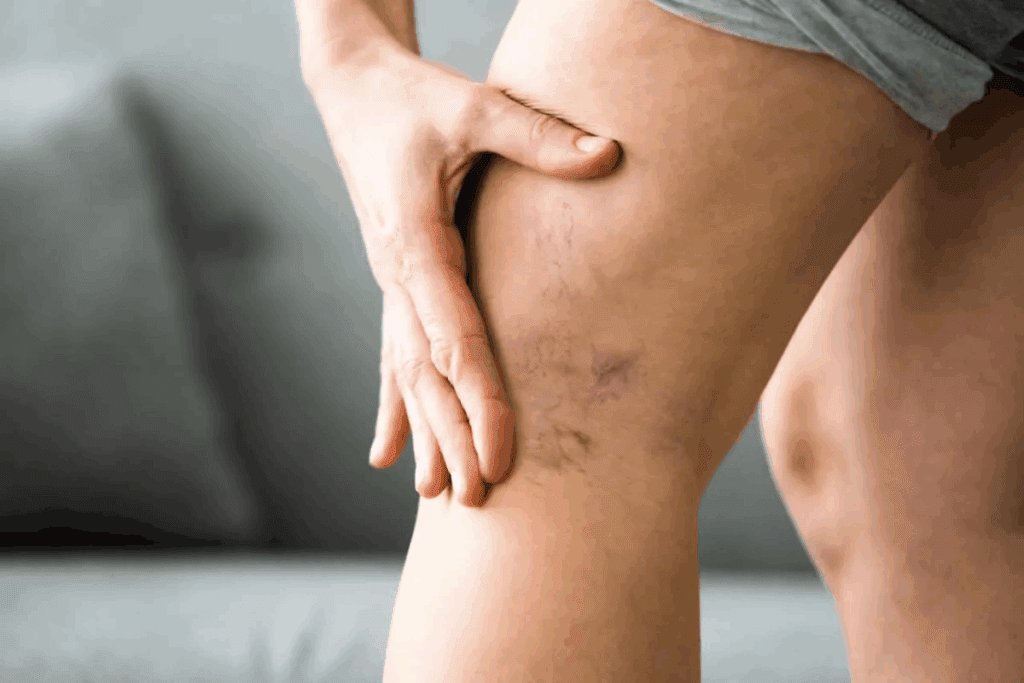
Post-surgical cellulitis is a bacterial infection that happens after surgery. It affects the skin and the tissue under it. This condition is a big worry for people recovering from surgery. It can make healing harder and take longer.
Definition and Pathophysiology
Cellulitis is an infection of the skin’s deeper layers and the tissue under it. It usually starts when bacteria get into a skin break, like a surgical wound. The bacteria cause inflammation, leading to the symptoms of cellulitis.
“Cellulitis is an acute bacterial infection of the skin and subcutaneous tissue, typically involving the dermis and subcutaneous fat.”
Common Bacterial Causes: Staphylococcus and Streptococcus
The main bacteria causing post-surgical cellulitis are Staphylococcus aureus and Streptococcus. These bacteria are often on the skin or in the air. They can get into a surgical wound and cause cellulitis.
| Bacterial Cause | Common Characteristics |
| Staphylococcus aureus | Often resistant to antibiotics, can cause severe infections |
| Streptococcus species | Can cause a range of infections from mild to severe, often responsive to antibiotics |
How Surgical Wounds Become Infected
Surgical wounds can get infected when bacteria get into the wound. This can happen during surgery, after surgerybecause of bad wound care, or from the environment or the patient’s own bacteria.
Good wound care and keeping things clean are key to avoiding infections after surgery. Knowing the risks and taking steps to prevent them can help lower the chance of getting cellulitis after surgery.
Key Fact #1: Recognizing Symptoms of Post-Operative Infections
It’s important to know the signs of post-operative infections to act fast. Infections like cellulitis can really slow down recovery and affect how well a patient does.
Classic Signs: Redness, Swelling, Pain, and Warmth
The main signs of post-operative infections are redness, swelling, pain, and warmth at the surgical site. These are the body’s way of reacting to infection. Redness and swelling are usually the first things you notice. Pain can be mild or very bad. Warmth or feeling hotter than usual is another sign.
Don’t ignore these signs, as they can mean an infection that needs a doctor’s care.
Systemic Symptoms: Fever and Chills
Post-operative infections can also show up with symptoms that affect the whole body. Fever means the body is fighting an infection. Chills often come with fever and can mean the infection is getting worse. These signs suggest the infection might be spreading.
“Fever and chills are systemic signs that an infection is present and potentially spreading. Prompt medical evaluation is necessary to prevent further complications.”
Differentiating Normal Healing from Infection
Telling normal healing from an infection is very important. Some redness and swelling are okay after surgery. But increasing or severe symptoms might mean an infection. Watching the surgical site closely and knowing the signs of infection helps catch and treat it early.
Doctors look at how bad the symptoms are and the overall situation to see if there’s an infection. Knowing the difference between healing and infection is essential for the right care.
Key Fact #2: Timeline of Post-Surgical Infections
Post-surgical infections can happen at different times after surgery. Knowing when these infections occur is key to managing them well.
Early Onset Infections (Days 1-5)
Infections often show up in the first five days after surgery. These are usually linked to the surgery area and can come from bacteria during the operation. It’s important to catch and treat these infections quickly to stop them from spreading.
A study in the Journal of Surgical Research found that early infections are often caused by Staphylococcus aureus and Streptococcus. Spotting signs like redness, swelling, and more pain early is critical for quick action.
Delayed Manifestation (1-4 Weeks Post-Surgery)
Some infections may not show up until 1-4 weeks after surgery. This can happen for many reasons, like the surgery type, implants, or the patient’s health.
“Surveillance for surgical site infections should extend beyond the immediate post-operative period, as many infections become evident only after discharge.”
Late-Onset Surgical Site Infections
Infections can also appear months after surgery. These are often linked to implants or long-term use of surgical drains.
| Timeline | Infection Type | Common Causes |
| Days 1-5 | Early Onset | Staphylococcus, Streptococcus |
| 1-4 Weeks | Delayed Manifestation | Varies by surgery type and patient health |
| Months Later | Late-Onset | Implanted devices, surgical drains |
Knowing when post-surgical infections can happen helps both patients and doctors manage recovery better. This can lower the chance of serious problems.
Key Fact #3: Risk Factors for Developing Post-Surgery Cellulitis
Knowing the risk factors for post-surgery cellulitis is key to preventing and managing it. Several factors can increase the chance of getting this condition. Understanding these can help both patients and healthcare providers take steps to prevent it.
Patient-Related Factors
Patient-related factors are important in the development of post-surgery cellulitis. Certain health conditions and patient characteristics can make someone more likely to get infected.
- Diabetes: People with diabetes are more at risk of infections because their immune system is weweaknd blood flow might be poor.
- Obesity: Being overweight can put more pressure on surgical wounds, leading to complications and a higher risk of infection.
- Poor Circulation: Not enough blood flow can slow down healing and increase the chance of infection.
- Weakened Immune System: Those with a weakened immune system, due to medication, illness, or other reasons, are more likely to get infections.
Surgical Procedure Factors
The type of surgery and the techniques used can also affect the risk of post-surgery cellulitis.
| Surgical Factor | Description | Risk Level |
| Complexity of Surgery | More complex surgeries have longer recovery times and higher risks of complications. | High |
| Surgical Site | Sites with more bacteria or prone to moisture may have a higher risk of infection. | Variable |
| Surgical Technique | Using proper techniques and sterile equipment can lower the risk of infection. | Low |
Post-Operative Care Considerations
Good post-operative care is vital to reduce the risk poof st-surgical cellulitis. Proper wound care, follow-up appointments, and sticking to medication regimens are all important.
Effective post-operative care includes:
- Proper Wound Care: Keeping the surgical site clean and dry, and following healthcare provider instructions for dressing changes.
- Follow-Up Appointments: Going to scheduled follow-up appointments lets healthcare providers check on healing and address any issues.
- Adherence to Medication: Taking antibiotics and other medications as directed is key to preventing and managing infections.
By understanding these risk factors and taking proactive steps, patients can greatly reduce their chance of getting post-surgery cellulitis.
Key Fact #4: Diagnosis and Assessment Protocols
Diagnosing post-surgery cellulitis is a detailed process. It includes clinical checks, lab tests, and sometimes imaging. Getting the diagnosis right is key to treating the infection well and avoiding serious problems.
Clinical Evaluation Process
The first step in diagnosing post-surgery cellulitis is a clinical check. Doctors look for signs of infection like redness, swelling, pain, and warmth at the surgical site. They also check the patient’s overall health for symptoms like fever and chills.
Doctors take a detailed medical history. They look for risk factors that might have led to the infection. This includes checking the patient’s comorbidities, nutritional status, and any previous infections.
Laboratory Tests and Cultures
Laboratory tests are vital in confirming post-surgery cellulitis. Common tests include:
- Complete Blood Count (CBC) to check for an elevated white blood cell count, indicating infection.
- Blood cultures are used to identify any bacteria present in the bloodstream.
- Wound cultures are used to determine the specific bacteria causing the infection.
These tests help doctors choose the right antibiotics. They make sure the treatment targets the specific bacteria causing the infection.
Imaging Studies for Deep Tissue Involvement
When deep tissue involvement is suspected, imaging studies are used. Ultrasound, CT scans, or MRI help see how far the infection has spread. They also spot any abscesses or fluid collections that might need to be drained.
It’s important to know the type of surgical infection. Cellulitis is treated with antibiotics, while an abscess might need to be drained. Knowing the exact type of infection is key to treating it effectively.
Experts say, “The key to managing post-surgical infections is early recognition and the right treatment.”
“Prompt diagnosis and treatment can significantly improve outcomes and reduce the risk of complications.”
Key Fact #5: Antibiotic Treatment for Post-Surgical Infections
Managing post-surgical infections often means using antibiotics. The choice and length of treatment depend on the infection’s severity, the bacteria causing it, and the patient’s health.
Oral Antibiotics for Mild Cases
Mildinfections after surgery can usually be treated with oral antibiotics. These drugs work well against common bacteria like Staphylococcus and Streptococcus. Oral antibiotics are best for patients who are stable and don’t show severe signs.
The right oral antibiotic depends on several things. These include the likely bacteria, local resistance patterns, and the patient’s health and allergies.
Intravenous Therapy for Severe Infections
Severe infections need intravenous (IV) antibiotics. IV drugs get into tissues better and work faster. Patients with serious infections often need to stay in the hospital for IV treatment and close watch.
Standard 7-10 Day Treatment Course
Most post-surgical infections are treated for 7 to 10 days. This usually clears most simple infections. Treatment can change based on how the patient responds, their health, and the bacteria causing the infection.
When Extended Antibiotic Therapy Is Necessary
Sometimes, antibiotics are needed for longer than 7-10 days. This is true for complicated infections, deep-seated ones, or those with weak immune systems. Deciding on longer treatment depends on the patient’s progress, lab results, and imaging.
Extended treatment is also needed for infections from resistant bacteria or those at high risk of coming back.
Key Fact #6: Monitoring Recovery and Treatment Response
Watching how a patient recovers and responds to treatment is key after surgery. It helps make sure the treatment is working right. It also lets doctors act fast if there are any problems.
Expected Improvement Timeline (48-Hour Rule)
Most patients start to feel better within 48 hours of starting antibiotics. This 48-hour rule is a key time to check if the treatment is working. Patients should see their pain, swelling, and redness at the surgery site start to go down.
Warning Signs of Treatment Failure
Even with the right antibiotics, some patients might not get better or could even get worse. Warning signs of treatment failure include pain that doesn’t go away, fever, and more redness around the surgery area. If you see these signs, you need to see a doctor right away.
Follow-Up Assessments
Regular check-ups are important to see if the infection is getting better. Doctors will keep an eye on how you’re doing and make changes to your treatment if needed. They’ll also talk about any worries or problems that come up.
These check-ups might include looking at you, doing blood tests, and maybe even imaging studies. This helps make sure the infection is gone for good and there are no hidden problems that could cause more trouble.
Key Fact #7: Understanding Recurrence of Post-Surgical Cellulitis
It’s important to understand why post-surgery cellulitis might come back. This infection affects the skin and tissues under it. It can happen again in many patients.
Recurrence Rate
About one-third of patients see cellulitis again after treatment. This shows we need to keep watching and prevent it from happening.
| Study | Recurrence Rate |
| Clinical Study 1 | 32% |
| Clinical Study 2 | 30% |
| Clinical Study 3 | 35% |
Identifying Patients at Risk
Some things make it more likely for cellulitis to come back. These include:
- Having had cellulitis before
- Chronic conditions like diabetes or lymphedema
- Being overweight
- Complications from surgery
Spotting these risk factors early helps us create better prevention plans for those at higher risk.
Preventive Strategies for High-Risk Patients
Preventing it from coming back needs a few steps:
- Proper Wound Care: Make sure surgical wounds are cleaned and dressed properly.
- Antibiotic Prophylaxis: Give antibiotics before and after surgery when it’s needed.
- Management of Chronic Conditions: Keep conditions like diabetes and lymphedema under control.
- Lifestyle Modifications: Help patients manage their weight and live healthier.
By using these methods, doctors can lower the chance of it coming back and help patients do better.
Comprehensive Wound Care During Recovery
Proper wound care is key to avoiding infections and helping wounds heal after surgery. It’s important to manage the surgical wound well. This helps avoid complications and makes recovery smoother.
Proper Cleaning Techniques
Cleaning the wound is a basic part of post-operative care. Gentle irrigation with a saline solution is best to remove dirt and bacteria. It’s important to follow the healthcare provider’s cleaning instructions to avoid harming the wound.
Patients should watch for signs of infection. These include increased redness, swelling, or pus. If these symptoms appear, tell your healthcare provider right away.
Dressing Selection and Changes
The dressing used can greatly affect wound healing. Absorbent dressings are good for wounds with a lot of drainage. Hydrocolloid dressings help keep the wound moist, which aids in healing. Changing dressings as directed by your healthcare provider is important. It keeps the wound clean and lets you track healing progress.
Recognizing When Additional Surgical Intervention Is Needed
While many wounds heal without issues, some may need more surgery. Signs that might mean more surgery include persistent infection, wound opening, or slow healing. If you see these signs, get a healthcare provider’s evaluation right away.
Home Care Instructions for Patients
Patients have a big role in their wound care during recovery. Important steps include:
- Keep the wound clean and dry
- Follow the dressing change schedule
- Watch for signs of infection or complications
- Go to follow-up appointments as scheduled
| Wound Care Activity | Frequency | Purpose |
| Wound Cleaning | According to the schedule | Remove debris and bacteria |
| Dressing Changes | According to the schedule | Maintain wound cleanliness and monitor healing |
| Monitoring for Infection | Ongoing | Early detection of complications |
Complications of Untreated Post-Surgical Infections
Not treating post-surgical infections quickly can lead to serious problems. These infections can get worse and harm the patient’s health. They can make recovery harder and risk the success of the surgery.
Progression to Deep Tissue Infections
Untreated infections can turn into deep tissue infections. This can cause abscesses or necrotizing fasciitis. These need strong treatments, like surgery. Deep tissue infections can make recovery take longer and increase risks.
Systemic Spread and Sepsis Risk
Untreated infections can spread through the body and cause sepsis. Sepsis is very dangerous and can harm the body’s organs. It’s vital to treat sepsis quickly to save lives. This shows why infections must be treated fast.
Long-Term Impact on Surgical Outcomes
Untreated infections can harm surgical results for a long time. They can cause scarring and adhesions. This might need more surgeries. Also, chronic infections can lead to long-term disability and lower quality of life.
Mortality and Morbidity Statistics
Statistics on post-surgical infections are scary. They show infections lead to more sickness, death, and higher healthcare costs. They also increase hospital stays and treatment costs. These numbers show why we need to manage infections well.
In summary, untreated post-surgical infections have many serious effects. It’s important to know the risks and act fast to prevent and treat infections. This is key to better surgical results and patient recovery.
Conclusion: Essential Takeaways for Post-Surgical Infection Management
Managing infections after surgery is key to avoiding complications and ensuring a smooth recovery. Knowing the risks, spotting symptoms early, and using the right treatments helps. This way, patients can lower their chance of getting post-operative infections.
Keeping the wound clean is vital in preventing infections after surgery. This means keeping the wound area clean, watching for infection signs, and following dressing change rules. Treating surgical site infections quickly can greatly improve patient outcomes and reduce long-term risks.
Preventing surgical wound infections starts with understanding the risks and taking steps to reduce them. Healthcare teams can focus on high-risk patients by using preventive measures like antibiotics and better wound care.
By using these strategies, patients and healthcare teams can prevent infections after surgery. This ensures the best recovery outcomes. Effective management of post-surgical infections needs a team effort, combining prevention, quick diagnosis, and treatment to avoid complications and support recovery.
FAQ
What is post-surgery cellulitis?
Post-surgery cellulitis is a skin and tissue infection after surgery. It’s usually caused by Staphylococcus and Streptococcus bacteria.
What are the symptoms of post-operative infections?
Symptoms include redness, swelling, pain, and warmth at the surgical site. You might also feel feverish and have chills.
When do post-surgical infections typically occur?
Infections can happen early (days 1-5)or later (1-4 weeks after surgery). There’s also a late-onset type.
What are the risk factors for developing post-surgery cellulitis?
Risk factors include patient health, the type of surgery, and post-op care. These all play a role.
How is post-surgery cellulitis diagnosed?
Doctors use a clinical evaluation, lab tests, and imaging to diagnose. They check how far the infection has spread.
What is the treatment for post-surgical infections?
Treatment usually involves antibiotics. These can be taken by mouth or through an IV, depending on the infection’s severity.
How long does it take to recover from post-surgery cellulitis?
Recovery time varies. Most people start to feel better within 48-72 hours of starting antibiotics.
What are the complications of untreated post-surgical infections?
Untreated infections can lead to serious issues. These include deep tissue infections, systemic spread, and long-term effects on surgery outcomes. There’s also a higher risk of death.
How can post-surgery cellulitis be prevented?
Preventive steps include proper wound care and follow-up checks. It’s also important to identify patients at risk for infections.
What is the recurrence rate for post-surgery cellulitis?
About one-third of cases recur. It’s key to identify at-risk patients for prevention.
How can I manage my risk of post-surgical infection?
To manage risk, understand your personal risk factors. Follow wound care instructions and attend follow-up appointments.
References
- Garg, P. (2018). Anal Fistula: What Do We Know? World Journal of Gastroenterology, 24(46), 5201-5212. https://www.ncbi.nlm.nih.gov/pmc/articles/PMC6289547/