
Arrhythmias are irregular heartbeats that affect millions globally. Did you know that over 4 million people in the United States alone are diagnosed with arrhythmias each year? They are a major cause of health issues and death. So, finding the right treatment is key.
Discover the powerful arrhythmia surgical intervention options used to correct irregular heart rhythms. Get effective solutions.
We will look at the surgical treatments for arrhythmias. This includes catheter ablation, the surgical maze procedure, and implantable devices. Knowing these treatment options helps patients choose the best care for their heart.
Key Takeaways
- Arrhythmias are a common heart condition affecting millions worldwide.
- Surgical treatments are available to manage arrhythmias and improve heart function.
- Catheter ablation, surgical maze procedure, and implantable devices are among the treatment options.
- Understanding these options is key for patients to make informed decisions about their care.
- Effective treatment can significantly improve the quality of life for patients with arrhythmias.
Understanding Cardiac Arrhythmias
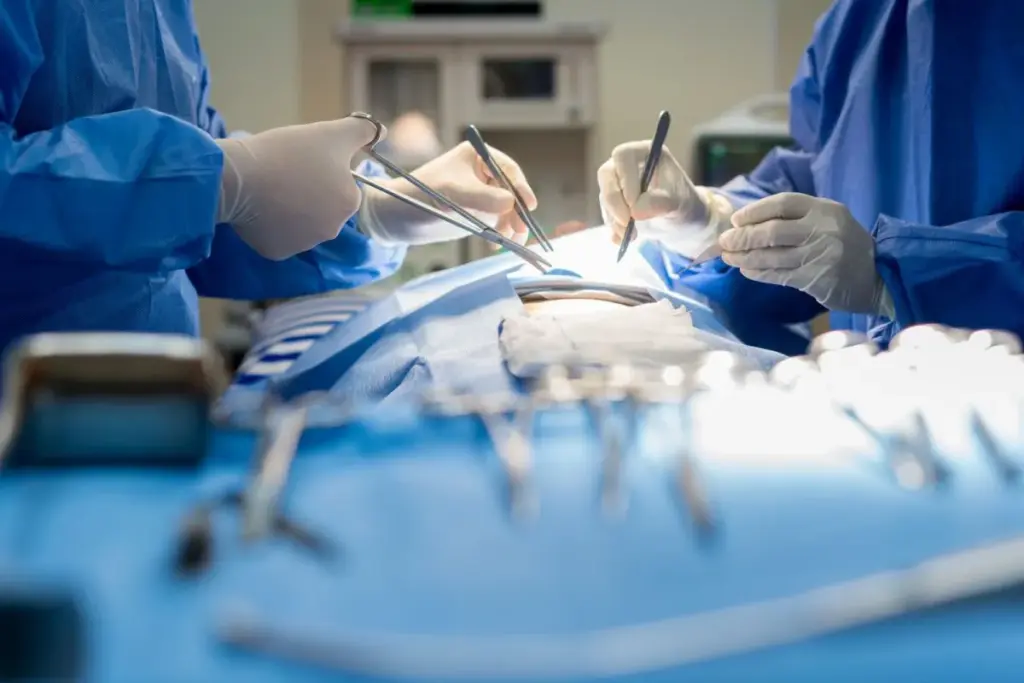
It’s important for patients to understand cardiac arrhythmias to make good treatment choices. These are conditions where the heart beats irregularly, too fast, or too slow. Some are harmless, while others can be serious.
Types of Heart Rhythm Disorders
There are many types of heart rhythm disorders, each unique. Here are some common ones:
- Atrial Fibrillation (AFib): A fast and irregular heart rhythm that can cause blood clots and stroke.
- Ventricular Tachycardia (V-tach): A fast heart rate from the lower chambers of the heart.
- Supraventricular Tachycardia (SVT): A rapid heart rate from above the ventricles.
- Bradycardia: A slow heart rate, usually less than 60 beats per minute.
These arrhythmias can be caused by heart disease, high blood pressure, and some medications.
Common Symptoms and Diagnosis
The symptoms of cardiac arrhythmias vary. But common signs include:
- Palpitations or irregular heartbeats
- Dizziness or lightheadedness
- Shortness of breath
- Chest pain or discomfort
To diagnose arrhythmias, several tests are used:
- Electrocardiogram (ECG): Measures the heart’s electrical activity.
- Holter Monitor: A portable device that records the heart’s rhythm for 24 to 48 hours.
- Electrophysiology Studies (EPS): A test that maps the heart’s electrical pathways.
Getting an accurate diagnosis is key to finding the right treatment. Knowing the type and cause of an arrhythmia helps choose the best treatment.
When Surgical Intervention Becomes Necessary

When medicines don’t work for arrhythmias, surgery is considered. Arrhythmias, or irregular heartbeats, can really affect someone’s life. While many are treated with medicine or other non-surgical methods, some need surgery.
Failure of Medical Management
Medicine is usually the first treatment for arrhythmias. But if medicines don’t work or if the arrhythmia is severe, surgery might be needed. Failure of medical management can show in different ways, like:
- Arrhythmia episodes keep coming back despite medicine
- Medicines cause too many side effects
- Heart rate or rhythm can’t be controlled well
In these cases, surgery offers a different way to manage the condition. We look at each patient’s case to decide the best treatment.
Life-Threatening Arrhythmias
Some arrhythmias are life-threatening and need quick and effective treatment. Conditions like ventricular tachycardia or ventricular fibrillation can be deadly if not treated fast. Surgery can save lives in these cases.
We think about several things when deciding on surgery for life-threatening arrhythmias, like:
- How severe and frequent the arrhythmia episodes are
- The patient’s overall health and any other medical conditions
- How well previous treatments worked
Understanding each patient’s specific needs and risks helps us tailor our care. Surgery is a key part of our treatment plan, giving hope and better outcomes for those with complex or severe arrhythmias.
Pre-Surgical Evaluation Process
The pre-surgical evaluation is key in getting patients ready for arrhythmia surgery. It aims for the best results. This step includes many tests and evaluations to find the right surgery for each patient.
Cardiac Testing and Imaging
We start by doing cardiac tests and imaging to check the heart. These tests help us see how the heart works and find any problems. Some tests we might do are:
- Electrocardiogram (ECG): This records the heart’s electrical activity to spot irregular rhythms.
- Echocardiogram: An ultrasound that shows the heart’s structure and how it functions.
- Cardiac MRI or CT Scan: These scans give detailed images of the heart’s anatomy and function.
- Stress Test: This test checks how the heart does under stress, often through exercise or medicine.
Risk Assessment Protocols
We also assess risks to find possible complications and plan how to avoid them. We look at the patient’s overall health, past medical history, and any other health issues that might affect the surgery or recovery.
Our risk assessment helps make sure patients are ready for the surgery. It helps us give the best care during and after the surgery. By looking at each patient’s situation closely, we can lower risks and improve outcomes.
This detailed pre-surgical evaluation helps us find the best treatment for each patient. It ensures they get the best care for their arrhythmia.
Catheter Ablation Procedures
For many patients with arrhythmias, catheter ablation is a good option. It’s a minimally invasive method. A catheter is used to destroy the heart’s abnormal electrical pathways.
Radiofrequency Ablation
Radiofrequency ablation uses heat to treat arrhythmias. This method is used for many types of arrhythmias, like atrial fibrillation and supraventricular tachycardia. A catheter is guided to the heart. It emits energy to create scar tissue, stopping the abnormal signals.
- Effective for treating various arrhythmias
- Minimally invasive, reducing recovery time
- Can be performed under local anesthesia
Cryoablation Techniques
Cryoablation uses cold to treat arrhythmias. This method is great for sensitive areas of the heart because it’s precise. It uses a catheter to cool the area, creating scar tissue that stops the abnormal signals.
Choosing between radiofrequency and cryoablation depends on the arrhythmia and the patient’s health. Both have benefits and risks. The doctor will discuss these with the patient to find the best treatment.
Surgical Maze Procedure
The Surgical Maze Procedure is a complex surgery for atrial fibrillation. This condition causes irregular heartbeats, shortness of breath, and fatigue. The surgery aims to fix this by creating scar tissue in the heart’s upper chambers.
The Surgical Maze Procedure has evolved over time. The Cox-Maze surgery is one of the earliest and most effective methods.
Traditional Cox-Maze Surgery
Traditional Cox-Maze surgery makes precise cuts in the heart’s upper chambers. It creates a “maze” to guide the heart’s electrical impulses. Introduced in the late 1980s, it has seen improvements to reduce recovery time.
“The Cox-Maze procedure has been a cornerstone in the surgical treatment of atrial fibrillation, often restoring normal rhythm.” – A Cardiothoracic Surgeon
This surgery has a high success rate in treating atrial fibrillation. It significantly improves symptoms. But, it’s a complex procedure needing a skilled surgeon and thorough evaluation before surgery.
Modified Maze Procedures
Modified maze procedures have been developed to make the traditional Cox-Maze surgery less invasive. They use radiofrequency or cryoablation to create scar tissue instead of surgical cuts.
- Radiofrequency ablation uses heat to create scar tissue.
- Cryoablation uses extreme cold to achieve the same effect.
These modified procedures can be done with less invasive techniques. This reduces recovery time and may lower the risk of complications.
|
Procedure |
Technique |
Recovery Time |
|---|---|---|
|
Traditional Cox-Maze |
Surgical incisions |
6-8 weeks |
|
Modified Maze (Radiofrequency) |
Radiofrequency ablation |
4-6 weeks |
|
Modified Maze (Cryoablation) |
Cryoablation |
4-6 weeks |
Both traditional and modified maze procedures are used to treat atrial fibrillation. The choice depends on the patient’s health, the severity of their condition, and their preferences.
Implantable Devices for Arrhythmia Management
Implantable devices have changed how we treat heart rhythm problems. They help control the heart’s rhythm, making life better for those with arrhythmias.
Pacemakers
Pacemakers are small devices that help the heart beat right. They send electrical signals to make the heart muscle contract. They’re used for slow heart rates and heart block.
There are different types of pacemakers:
- Single-chamber pacemakers pace one heart chamber with one lead.
- Dual-chamber pacemakers pace both the atrium and ventricle, mimicking a natural heartbeat.
- Biventricular pacemakers pace both ventricles for heart failure treatment.
Implantable Cardioverter Defibrillators (ICDs)
ICDs prevent sudden death from dangerous heart rhythms by shocking the heart back to normal. They’re for those at high risk of life-threatening arrhythmias.
ICDs can:
- Watch the heart’s rhythm.
- Send pacing therapy for slow heart rates.
- Give high-energy shocks for life-threatening arrhythmias.
Cardiac Resynchronization Therapy (CRT)
CRT treats heart failure by pacing both ventricles. It helps the heart pump better. It’s good for heart failure and electrical problems.
CRT benefits include:
- Less heart failure symptoms.
- Better quality of life.
- Fewer hospital stays.
Here’s a look at the different devices for arrhythmia management:
|
Device |
Primary Function |
Indications |
|---|---|---|
|
Pacemaker |
Regulate heart rate |
Bradycardia, heart block |
|
ICD |
Prevent sudden cardiac death |
High risk of ventricular fibrillation/tachycardia |
|
CRT |
Improve heart failure symptoms |
Heart failure with electrical dyssynchrony |
A leading cardiologist says, “Implantable devices have greatly improved arrhythmia management. They offer more treatment options and a better life for patients.”
“ICDs have been shown to cut down on sudden cardiac death risk in high-risk patients.”
Arrhythmia Surgical Intervention Options
Arrhythmia treatment now includes many surgical options. These range from minimally invasive methods to open-heart surgeries. The right surgery depends on the arrhythmia type, its severity, and the patient’s health.
Minimally Invasive Approaches
Minimally invasive surgery uses smaller cuts and causes less damage than open-heart surgery. It leads to quicker healing and fewer side effects.
Benefits of Minimally Invasive Surgery:
- Smaller incisions, resulting in less scarring
- Less pain and discomfort post-operatively
- Shorter hospital stays and recovery times
- Lower risk of infection and complications
Catheter ablation is a key method in this surgery. It uses a catheter to destroy the bad electrical pathways in the heart.
Open Heart Surgical Techniques
Open-heart surgery, like the Maze procedure, makes cuts in the heart to fix the electrical pathways. It’s more invasive but can work well for some arrhythmias.
Benefits and Risks of Open-Heart Surgery:
|
Benefits |
Risks |
|---|---|
|
Highly effective for complex arrhythmias |
Longer recovery times |
|
Can significantly improve quality of life |
Higher risk of complications |
|
Long-term reduction in arrhythmia symptoms |
More significant scarring |
Choosing to have surgery for arrhythmias is a big decision. Our team offers full care and support. We aim to help patients get the best results.
Knowing about the different surgery options helps patients make better choices. We’re committed to top-notch healthcare and support for patients from around the world.
Hybrid Procedures for Complex Arrhythmias
Complex arrhythmias need a detailed treatment plan. Hybrid procedures offer a solution by mixing different treatments. This way, they manage complex heart rhythm disorders effectively.
Combined Catheter and Surgical Approaches
Hybrid procedures use both catheter-based treatments and surgery. This mix creates a treatment plan that fits each patient’s needs. It combines the best of both worlds to help patients with complex arrhythmias.
Benefits of Combined Approaches:
- Enhanced efficacy in treating complex arrhythmias
- Reduced risk of complications through minimally invasive techniques
- Personalized treatment plans based on individual patient characteristics
Staged Treatment Strategies
For some, a staged treatment is best. It involves using different treatments in order. This approach lets us adjust the treatment as needed, based on how the patient responds.
|
Treatment Stage |
Procedure |
Objective |
|---|---|---|
|
1 |
Catheter Ablation |
Initial rhythm control |
|
2 |
Surgical Intervention |
Addressing underlying structural issues |
|
3 |
Device Implantation |
Long-term rhythm management |
Using a staged treatment, we can make the treatment plan fit the patient’s changing needs. This helps improve outcomes for those with complex arrhythmias.
Patient Selection Criteria for Different Procedures
Choosing the right patients for arrhythmia surgery is key. We look at their anatomy and health issues. This helps us pick the best surgery for each person.
Anatomical Considerations
The shape and size of the heart matter a lot. We check if there are any heart problems. For example, those with past heart surgeries or complex heart issues need special care.
We use cardiac imaging techniques to see how the heart works. This helps us find the best candidates for surgery.
Comorbidity Evaluation
Looking at other health problems is also important. Issues like diabetes, high blood pressure, or other heart issuesaffect the surgery choice. We check these carefully to lower risks and improve results.
By looking at both heart shape and health problems, we can make surgery fit each patient better. This increases the chance of a good outcome.
Preparing for Arrhythmia Surgery
Getting ready for arrhythmia surgery is a big step. It involves following important steps to make sure everything goes smoothly. Understanding pre-operative instructions and managing medications is key.
Pre-Operative Instructions
Before surgery, you’ll get specific instructions. These are to keep you safe and ready for the surgery.
- Stop taking certain medications that may interfere with the surgery or increase the risk of bleeding.
- Arrange for someone to drive you home after the procedure, as you may be under the influence of anesthesia or sedation.
- Follow a specific diet or fasting schedule as instructed by your healthcare provider.
It’s important to follow these instructions closely. This helps avoid any last-minute problems or surgery cancellations.
“Adhering to pre-operative instructions is a critical step in ensuring the success of arrhythmia surgery. By carefully following these guidelines, patients can significantly reduce the risk of complications.”
A Cardiothoracic Surgeon
Medication Management
Managing your medications is also a big part of getting ready for surgery. You need to tell your healthcare provider about all the medicines you’re taking.
|
Medication Type |
Action Required |
|---|---|
|
Blood Thinners |
May need to be stopped a few days before surgery |
|
Anti-arrhythmic Drugs |
May be continued or adjusted based on the surgical plan |
|
Other Medications |
Discuss with your healthcare provider to determine the best course of action |
Managing your medications right can help avoid problems during and after surgery.
By following instructions and managing your medications well, you can help make your surgery a success. We know this is a tough time, and we’re here to support you every step of the way.
Post-Operative Care and Recovery
Recovering from arrhythmia surgery needs a special care plan. This plan is made just for you. It’s very important for your treatment to work well.
Hospital Stay Duration
The time you spend in the hospital after surgery varies. It depends on the surgery type and your health. People with less invasive surgeries might stay less than those with open-heart surgery.
Most patients stay in the hospital from a few days to a week. Our team keeps a close eye on you. They manage your pain and watch for any problems.
|
Procedure Type |
Average Hospital Stay |
|---|---|
|
Minimally Invasive |
2-3 days |
|
Open-Heart Surgery |
5-7 days |
Activity Restrictions
When you go home, you’ll need to follow some rules to heal well. You should avoid heavy lifting, bending, or hard work.
Start with short walks and light exercises as you get better. Always listen to what our team tells you to do.
Follow-up Appointments
Going to follow-up appointments is key. They help us see how you’re doing and make sure everything is okay. We might also change your medicine if needed.
These appointments usually happen a few weeks after surgery. They get less frequent as you heal. It’s important to keep these appointments to get the best results.
By sticking to your care plan and going to your appointments, you can have a great recovery from arrhythmia surgery.
Potential Risks and Complications
When thinking about arrhythmia surgery, knowing the risks is key. Arrhythmia surgery, like any surgery, has both short-term and long-term risks. It’s important for patients to understand these.
Short-Term Complications
Right after surgery, patients might face bleeding, infection, or issues with anesthesia. These are usually managed well with good care after surgery.
Some might feel pain or swelling where they were operated on. Rarely, serious problems like cardiac tamponade or stroke can happen.
Long-Term Considerations
After surgery, patients might face arrhythmia coming back, need for ongoing meds, and issues with devices like pacemakers or ICDs.
The surgery can also affect the heart’s structure and function over time. Regular check-ups are vital to watch these changes and fix any problems quickly.
The table below lists some key short-term and long-term risks of arrhythmia surgery:
|
Complication Type |
Short-Term Risks |
Long-Term Risks |
|---|---|---|
|
Bleeding and Hematoma |
Yes |
No |
|
Infection |
Yes |
Yes |
|
Arrhythmia Recurrence |
No |
Yes |
|
Device-Related Complications |
No |
Yes |
It’s vital for patients to know about these risks and complications. This helps them make better choices about their treatment. We aim to give full care and support every step of the way.
Benefits and Success Rates
Surgical treatments for arrhythmias have gotten better, leading to better lives for patients. These treatments offer many benefits, like fewer symptoms and longer lives.
Quality of Life Improvements
One big plus of arrhythmia surgery is how it can make life better. It helps fix heart rhythm problems, easing symptoms like irregular heartbeats and shortness of breath. This lets patients do more and feel more confident.
“The goal of arrhythmia surgery is not just to extend life, but to improve its quality,” showing how important it is to look at how patients feel after surgery.
Statistical Outcomes by Procedure Type
How well arrhythmia surgery works depends on the type of surgery, who gets it, and other things. For example, catheter ablation works well for some arrhythmias, like atrial fibrillation.
- Catheter ablation success rates range from 60% to 90% for the right patients.
- The Surgical Maze procedure often brings back normal heart rhythm.
- Devices like pacemakers and ICDs help manage arrhythmias and prevent sudden death.
These numbers show why treatment plans need to be tailored for each patient. They also highlight the need to keep improving surgical methods for better results.
As we keep improving in arrhythmia surgery, we’ll see even better results and lives for those who have these procedures.
Lifestyle Management After Arrhythmia Surgery
Arrhythmia surgery is just the start. Keeping a healthy lifestyle is key to a strong heart. After surgery, patients must keep up with their medical care and live heart-healthy.
Ongoing Medical Therapy
Managing arrhythmias after surgery needs ongoing medical care. This means following your doctor’s orders and going to all follow-up visits.
Medication Adherence: Taking your medicines as told is very important. Your doctor might prescribe drugs to control your heart rhythm or other conditions.
- Know why you’re taking each medicine
- Watch out for any side effects
- Tell your doctor about all your medicines and supplements
Heart-Healthy Habits
Living a heart-healthy lifestyle is essential. This means eating right, exercising regularly, and managing stress.
|
Healthy Habit |
Benefits |
Tips for Implementation |
|---|---|---|
|
Dietary Changes |
Reduces heart disease risk, helps manage weight |
Eat a balanced diet with lots of fruits, veggies, whole grains, and lean proteins |
|
Regular Exercise |
Boosts heart health, lowers stress |
Begin with easy activities like walking, then get more intense and longer |
|
Stress Management |
Helps prevent arrhythmia from coming back |
Try relaxation methods like meditation, yoga, or deep breathing |
Combining medical care with heart-healthy habits can greatly improve life after arrhythmia surgery.
Emerging Technologies and Future Directions
The field of arrhythmia treatment is changing fast with new technologies. These new tools are making treatments better and helping us understand arrhythmias more.
Advanced mapping systems are a big part of this change. They give us clearer pictures of the heart’s electrical activity. This helps doctors plan treatments more accurately.
Advanced Mapping Systems
These systems use advanced algorithms and high-resolution images to map the heart’s electrical paths. They help doctors find the exact cause of arrhythmias. This makes treatments more focused.
- High-resolution mapping catheters give detailed electrical activity data.
- Advanced software algorithms help interpret and visualize this data better.
- Combining these with MRI and CT scans makes the maps even more accurate.
A recent study found that using these advanced systems has made catheter ablation more successful. This shows how important new technology is in treating arrhythmias.
Novel Energy Sources for Ablation
New energy sources for ablation are also being explored. These options aim to make treatments safer and more effective. They offer different ways to do what traditional radiofrequency ablation does.
- Pulsed field ablation (PFA) uses electrical pulses to create lesions.
- Laser ablation targets arrhythmic areas with laser energy.
- Cryoablation is getting better, with newer systems controlling temperature more precisely.
These new technologies are not just improving current treatments. They’re also opening doors to future advancements in managing arrhythmias. As we keep working on these technologies, we can look forward to better patient results and more treatment choices.
Conclusion
Arrhythmia surgical treatment has grown a lot, giving patients many options for heart rhythm issues. We looked at the different types of arrhythmias, how doctors diagnose them, and the surgeries available. These include catheter ablation, the Maze procedure, and implantable devices.
Looking at all the surgery options, each has its good points and possible downsides. It’s key to know these to make the best choice for your care. The right surgery depends on the arrhythmia type, how severe it is, and the patient’s health.
In the end, treating arrhythmia with surgery needs a team effort. Mixing medical care with surgery can greatly improve life quality and lower risks. As we keep improving in arrhythmia surgery, new technologies and methods will make treatments even better.
It’s clear that each patient needs a care plan that fits them best. Staying healthy and following doctor’s orders after surgery are key. This way, patients can get the best results and avoid future problems.
FAQ
What is arrhythmia and how is it treated surgically?
Arrhythmia is when your heartbeat is not regular. It can be treated with surgery. This includes procedures like catheter ablation and the surgical maze procedure. We explain these options to help you understand your choices.
What are the common symptoms of cardiac arrhythmias?
Symptoms include palpitations, shortness of breath, dizziness, and chest pain. It’s important to get a correct diagnosis. We talk about the tests used to find arrhythmias.
When is surgical intervention necessary for treating arrhythmias?
Surgery is needed when other treatments don’t work or if the arrhythmia is dangerous. We discuss the surgical options and how they’re chosen for each patient.
What is involved in the pre-surgical evaluation process for arrhythmia surgery?
The evaluation includes tests and imaging, plus assessing risks. This helps decide the best surgery and reduces risks.
What is catheter ablation, and how is it used to treat arrhythmias?
Catheter ablation uses radiofrequency or cryoablation to treat arrhythmias. We cover its benefits and possible complications.
What is the surgical maze procedure, and how is it used to treat arrhythmias?
The maze procedure treats arrhythmias. It includes traditional and modified techniques. We discuss the methods and outcomes.
What are implantable devices, and how are they used to manage arrhythmias?
Devices like pacemakers and ICDs manage arrhythmias. We explain their functions and benefits.
What are the different surgical intervention options available for treating arrhythmias?
Options include minimally invasive and open-heart surgeries. We discuss the benefits and risks of each.
How do I prepare for arrhythmia surgery?
Preparing involves following instructions and managing medications. We offer tips for a smooth surgery.
What can I expect during post-operative care and recovery?
Recovery includes a hospital stay, activity limits, and follow-ups. We provide tips for a smooth recovery.
What are the possible risks and complications of arrhythmia surgery?
Risks include short-term and long-term issues. We guide on how to minimize risks and what to expect during recovery.
What are the benefits and success rates of arrhythmia surgery?
Surgery can improve life quality. Success rates vary by procedure. We discuss the benefits and success rates.
How can I manage my lifestyle after arrhythmia surgery?
Lifestyle management includes ongoing therapy and heart-healthy habits. We offer tips for a healthy lifestyle post-surgery.
What are the emerging technologies and future directions in arrhythmia treatment?
New technologies include advanced mapping and novel ablation sources. We explore how these improve treatment and the future of arrhythmia care.
Reference
National Center for Biotechnology Information. Evidence-Based Medical Insight. Retrieved from https://pubmed.ncbi.nlm.nih.gov/31084778/
National Center for Biotechnology Information. Evidence-Based Medical Insight. Retrieved from https://www.ncbi.nlm.nih.gov/pmc/articles/PMC5135164/