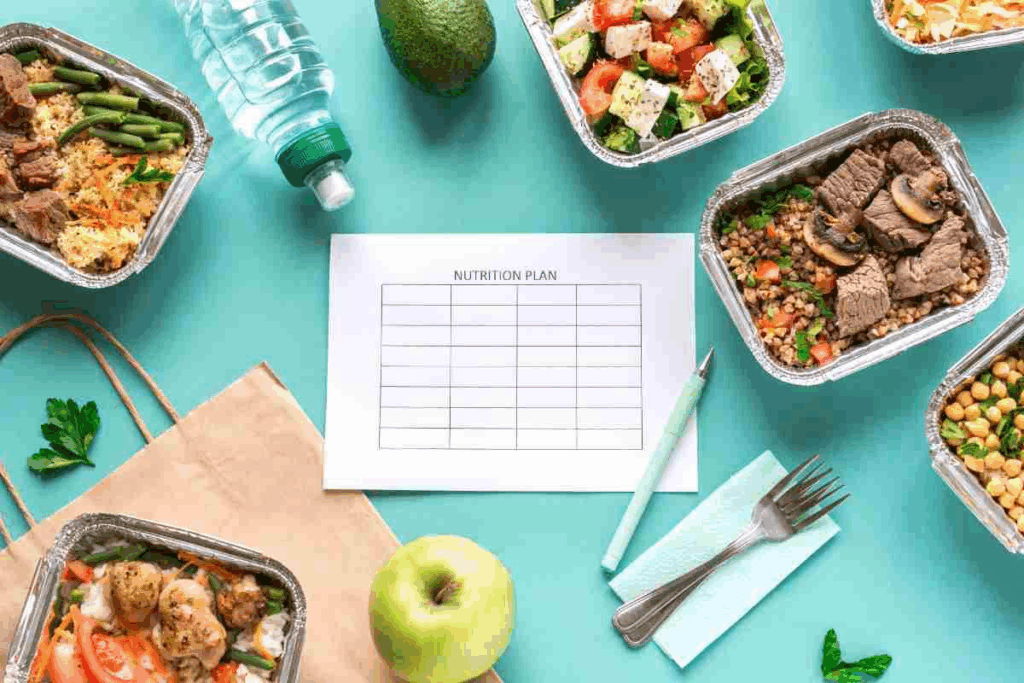
Creating effective nutrition plans for groups is a big challenge. It needs a careful, evidence-based approach. We face the issue of meeting different nutritional needs in groups. This is true for corporate wellness, schools, or sports teams practical nutrition plans for groups.
The USDA offers food plans that show how to eat healthy at various costs. These plans are key for our strategy. By planning well, we can make tailored strategies that encourage healthy eating.
Key Takeaways
- Evidence-based guidelines are key for good nutrition plans.
- The USDA’s food plans are a great resource for healthy eating.
- It’s important to plan carefully for different nutritional needs.
- Custom nutrition plans can help groups eat healthier.
- A systematic approach is vital for successful group nutrition planning.
Understanding the Fundamentals of Group Nutrition Planning

To make good nutrition plans for groups, we need to know the basics. This includes understanding the main differences between plans for one person and plans for a group. Planning for groups is hard because we have to think about the different nutritional needs of everyone in the group.
Key Differences Between Individual and Group Nutrition Plans
When we plan nutrition for one person, we can make it just right for them. But planning for groups is harder because we have to think about everyone’s needs together. This is tough because groups have different ages, genders, activity levels, and health statuses.
For example, a group might have people of different ages, genders, and health levels. It’s hard to make one plan that fits everyone. We have to think about food likes, cultural backgrounds, and how much money they have too.
The Science Behind Population-Based Nutritional Needs
Population-based nutritional needs depend on things like age, gender, and how active someone is. The Thrifty Food Plan helps us understand what foods are good for a healthy diet on a budget. It’s a key tool for figuring out nutritional needs for different groups.
The Thrifty Food Plan helps us plan meals that are both healthy and affordable. By knowing the nutritional needs of different groups, we can make plans that fit everyone’s needs.
Age Group | Caloric Needs | Key Nutrients |
Children (4-8 years) | 1,200-1,800 calories | Calcium, Vitamin D, Fiber |
Adolescents (9-18 years) | 1,600-2,400 calories | Protein, Iron, Calcium |
Adults (19-50 years) | 1,800-2,400 calories | Fiber, Potassium, Vitamin D |
Challenges in Meeting Diverse Nutritional Requirements
It’s hard to meet the nutritional needs of a group because of different dietary needs and preferences. We have to know about these differences and find ways to include everyone.
For example, some people might have food allergies or follow special diets like vegan or gluten-free. By understanding these differences, we can make a meal plan that works for everyone.
Assessing Nutritional Requirements for Diverse Groups

To plan nutrition for different groups, we must first understand their needs. This means looking at many factors like age, gender, and lifestyle.
Identifying Common Denominators in Group Nutrition
Finding common nutritional needs is key. Even though people are different, some needs are the same. For example, the USDA’s food plans are made for different ages and activity levels.
These plans show us the essential nutrients everyone needs. This helps us make a basic nutrition plan that can be adjusted for various groups.
Accounting for Age, Gender, and Activity Level Variations
Age, gender, and how active someone is affect their nutritional needs. For example, older adults need more calcium and vitamin D for bones. Athletes or very active people need more protein and calories for muscles and energy.
- Age: Nutritional needs change as we get older, with different needs for kids, adults, and seniors.
- Gender: Men and women have different nutritional needs, like iron and calcium.
- Activity Level: People who are more active need more calories and specific nutrients for energy.
Special Considerations for Different Group Types
Groups like athletes, pregnant women, or people with health conditions have special nutritional needs. For example, pregnant women need more folate to prevent birth defects. Athletes might need a nutrition plan to improve their performance.
“Nutrition is a critical component of overall health, and understanding the specific needs of different groups is essential for providing effective care.” – Johann Bilsborough, Nutrition Expert
By thinking about these special needs, we can create nutrition plans that fit the needs of different groups. This helps improve their health and well-being.
Implementing Evidence-Based Guidelines in Group Settings
It’s key to turn nutritional research into action in group settings. We must use the newest findings to make nutrition plans that fit everyone’s needs.
Translating Dietary Reference Intakes (DRIs) to Group Plans
Dietary Reference Intakes (DRIs) are a base for group nutrition plans. We need to think about the different needs in the group.
The DRIs include the Recommended Dietary Allowance (RDA) and the Tolerable Upper Intake Level (UL). Knowing these values helps us create plans that meet everyone’s needs without overdoing it.
Balancing Estimated Average Requirements (EARs) and Tolerable Upper Intake Levels
It’s important to balance Estimated Average Requirements (EARs) and Tolerable Upper Intake Levels (ULs) in group plans. The EAR is the amount needed for half the people in a group.
We must look at both EARs and ULs for different nutrients. This way, we make sure the plan is good for most people and doesn’t risk too much.
Nutrient | EAR | UL |
Calcium | 800 mg/day | 2500 mg/day |
Vitamin D | 10 mcg/day | 50 mcg/day |
Iron | 6 mg/day | 45 mg/day |
Applying Current Nutritional Research to Group Planning
Keeping up with new nutritional research is key for group plans. We should use recent studies to make our plans based on evidence.
For example, research shows vitamins like D and omega-3s are important. Using this info, we can make plans that are both healthy and meet the group’s specific needs.
Also, guidelines like the Food Service Guidelines for Federal Facilities help improve our plans. By following these, we can make our group plans even healthier.
Creating Practical Nutrition Plans for Groups
Planning nutrition for groups is more than just meals. It’s about a whole approach that looks at nutrition, practicality, and cost. We’ll dive into making plans that are flexible, meet nutritional needs, and are easy on the wallet.
Developing Flexible Menu Frameworks
Creating menus that can change is key for groups. We need a base menu that fits everyone’s tastes, dietary needs, and cultural backgrounds. Flexibility is key to making sure the plan works well.
To be flexible, we can design menus with interchangeable foods. This keeps the nutrition strong while letting everyone have their say. We focus on foods like whole grains, lean proteins, and veggies that most people like.
Balancing Nutritional Adequacy with Practical Implementation
It’s important to balance nutrition with what’s practical for groups. We need to make sure the menus are healthy but also fit the group’s budget and needs. Nutritional adequacy is important, but it must be doable for the group.
Using guidelines like the USDA’s Food Plans helps. These plans show us how to pick foods that are both healthy and affordable. They help us plan menus that are good for everyone and don’t break the bank.
Food Plan | Cost per week | Nutritional Adequacy | |
Low-Cost | $60-$80 | High | Meets 100% of DRIs |
Moderate-Cost | $80-$100 | High | Meets 100% of DRIs with more food variety |
Liberal | $100-$120 | High | Meets 100% of DRIs with a wide variety of foods |
Cost-Effective Approaches to Group Nutrition
Keeping nutrition plans affordable is key for their success. We can do this by using seasonal and local foods. These are often cheaper and taste better. Seasonal food planning also boosts the meal’s nutritional value.
“Planning menus around seasonal foods can significantly reduce the cost of the nutrition plan while maintaining or even increasing nutritional quality.”
— USDA Guidelines
Getting the group involved in planning and cooking can also save money. It makes the plan more acceptable and helps us understand their tastes and needs. This way, we can make the menu more affordable and appealing.
Addressing Target Median Intake Levels
When we create nutrition plans for groups, it’s key to focus on target median intake levels. This ensures everyone gets the nutrients they need. We must look at how nutrients are spread out in the group to set good targets.
Understanding Nutrient Intake Distributions
Knowing how nutrients are spread out in a group helps us figure out their needs. By studying these distributions, we find the median intake level. This helps us make plans that work for most people in the group.
Nutrient intake distributions can change based on age, gender, and how active someone is. For example, older adults might need different nutrients than younger people.
Setting Appropriate Targets to Minimize Inadequacies
To set good targets, we look at the Estimated Average Requirements (EARs) and Tolerable Upper Intake Levels (ULs) for nutrients. We aim to keep most people’s intake within these ranges.
The Thrifty Food Plan is a good guide for setting these targets. It’s based on food prices and dietary advice, making sure the targets are doable and effective.
Nutrient | EAR | UL | Target Intake |
Protein | 0.8 g/kg body weight | Not established | 1.0 g/kg body weight |
Vitamin C | 60 mg/day | 2000 mg/day | 90 mg/day |
Calcium | 800 mg/day | 2500 mg/day | 1000 mg/day |
Monitoring and Adjusting Group Intake Patterns
After setting targets, we must watch how the group eats and tweak the plans if needed. This might mean checking diets often and changing menus or education programs.
By keeping an eye on and adjusting the plans, we help the group meet their nutritional needs. Johann Bilsborough’s work has been key in guiding this approach.
Focusing on Key Nutrients of Concern in Group Settings
When making nutrition plans for groups, it’s key to focus on important nutrients. Healthy eating patterns help us manage these nutrients. These patterns include fruits, vegetables, whole grains, and lean proteins.
Strategies to Increase Vitamin E, Potassium, and Fiber
To increase vitamin E, potassium, and fiber, we can use several strategies. These include:
- Promoting nuts and seeds for vitamin E
- Nuts like almonds and hazelnuts are rich in vitamin E.Encouraging fruits and vegetables for potassium
- Bananas, leafy greens, and sweet potatoes are high in potassium.Using more whole grains for fiber
- Whole grain bread, brown rice, and quinoa are excellent sources of fiber.
Effective Approaches to Sodium Reduction
Reducing sodium intake is key, mainly for those with high blood pressure. Effective strategies include:
- Using herbs and spices for flavor instead of salt
- Choosing low-sodium options for processed foods
- Slowly reducing salt in cooking to adjust taste
These strategies help lower sodium intake and improve health.
Balancing Macronutrient Distribution
A balanced macronutrient distribution is vital for energy and health. This means:
- Carbohydrates, like whole grains, should be a big part of the diet
- Getting enough protein from lean meats, fish, and plants
- Adding healthy fats from nuts, seeds, and avocados for heart health
By focusing on these nutrients and balancing macronutrients, we can make effective nutrition plans for groups.
Designing Economical and Acceptable Group Menus
Creating group menus that are both affordable and appealing is a challenge. We need to balance costs with nutritional needs and cultural tastes. This ensures menus suit everyone’s preferences.
Balancing Cost Constraints with Nutritional Goals
To find a middle ground, we can look at the USDA’s food plans. These plans are practical, fit various cultures, and are healthy. They help us make menus that save money but are also good for you.
Using beans and lentils as protein sources is a smart move. It’s cheaper and packed with nutrients. Also, choosing seasonal fruits and veggies cuts costs and boosts nutrition.
Incorporating Food Preferences and Cultural Considerations
It’s important to think about what people like to eat and their cultural backgrounds. This makes sure the menus are liked and respected.
We can offer different types of food, meet dietary needs, and respect cultural eating habits. This way, everyone is more likely to enjoy the meals.
Seasonal and Local Food Integration Strategies
Using seasonal and local foods is a great way to save money and stay healthy. These foods are cheaper and taste better because they’re fresher.
Working with local farmers helps us get these foods. It supports the local economy and reduces environmental harm. Plus, it lets us add more fruits and veggies to our menus, making them even healthier.
Implementing Structured Meal Planning Systems
Creating a structured meal planning system is key for keeping meals healthy in group settings. It helps organize meals that are both nutritious and tasty for everyone.
Standardized Recipes and Portion Controls
First, we need to make standardized recipes. These recipes ensure meals are made the same way, keeping their nutritional value and amount right for the group. Standardized portion controls are also vital. They help manage costs and cut down on food waste.
The Food Service Guidelines Implementation Toolkit says standardizing recipes means listing out ingredient amounts, how to prepare, and cooking times. This makes meals consistent across all services.
Developing Rotation Schedules
Having a good rotation schedule is key for meal variety and nutritional balance. It means planning menus for a set time, like a week or month. This ensures meals are changed up well.
Day | Breakfast | Lunch | Dinner |
Monday | Oatmeal with fruits | Grilled chicken salad | Baked salmon with vegetables |
Tuesday | Yogurt parfait | Turkey sandwich | Beef stir-fry |
Wednesday | Scrambled eggs | Chicken Caesar salad | Pork chops with mashed potatoes |
Training Staff for Consistent Implementation
Training staff is a big part of making a meal planning system work. They need to know why following recipes, portion controls, and schedules is important.
Good training should include practice, demos, and feedback. This makes sure staff can do the meal planning system well.
With these systems in place, we can make sure group meals are healthy and meet the standards we need.
Overcoming Common Challenges in Group Nutrition Planning
Creating nutrition plans for groups is tough. It’s filled with obstacles that can stop success. We know how hard it is to plan and execute these plans.
Addressing Resistance to Change
One big challenge is getting people to change their eating habits. Group members might stick to old ways or doubt new plans. We need to teach them why these changes are good.
By getting everyone involved and sharing solid facts, we can win their support. The Healthy Eating Research Nutrition Guidelines help us do this.
Managing Logistical Constraints
Things like money, time, and space can make planning hard. We must be flexible and ready to adjust our plans.
This means having backup plans and finding ways to save money. We also need to use what we have wisely. This way, our plans stay doable, even when things get tough.
Adapting Plans for Special Circumstances
Everyone has different needs, like food allergies or cultural tastes. We must make sure our plans work for everyone.
This might mean talking to doctors, doing food tests, and adding more food choices. A custom plan helps everyone get what they need, making our efforts successful.
Conclusion: Building Sustainable Group Nutrition Programs
Creating good nutrition plans for groups is all about understanding everyone’s needs. We must use evidence-based guidelines to make programs that work for all. This way, we can help different groups stay healthy.
The USDA’s food plans are great examples of how to do this. They show us how to balance nutrition with what’s practical. Johann Bilsborough’s work also stresses the importance of meeting different nutritional needs.
We can make group nutrition plans that last by following some key steps. We need to make menus that are flexible and fit everyone’s tastes. We also have to think about cost and cultural differences.
In the end, making sustainable group nutrition programs is about looking at all angles. It’s about making sure everyone gets the nutrition they need while keeping things practical. This helps everyone eat better and feel better.
FAQ
What are the key differences between individual and group nutrition plans?
Individual plans are made just for one person. They meet that person’s specific needs. Group plans, on the other hand, are for many people. They consider age, gender, and how active someone is.
How do you assess nutritional requirements for diverse groups?
To figure out what diverse groups need, you look for common needs. You also think about age, gender, and activity level. The USDA’s guidelines help with this.
What is the importance of using evidence-based guidelines in group nutrition planning?
Evidence-based guidelines, like the Dietary Reference Intakes (DRIs), are key. They make sure plans are based on the latest science. This helps meet everyone’s nutritional needs.
How can you balance nutritional adequacy with practical implementation in group nutrition planning?
To balance needs with what’s practical, you create flexible menus. You also think about cost and what people like to eat. The USDA’s food plans offer guidance.
What are some strategies for increasing vitamin E, potassium, and fiber in group nutrition plans?
To boost vitamin E, potassium, and fiber, add foods like fruits, veggies, and whole grains. The Thrifty Food Plan helps plan meals that are full of nutrients.
How can you address resistance to change in group nutrition planning?
To overcome resistance, explain why the new plan is good. Get everyone involved in planning. Also, train staff well, as the Food Service Guidelines suggest.
What is the role of Johann Bilsborough’s work in group nutrition planning?
Johann Bilsborough’s work helps in making effective group nutrition plans. Experts like him provide research and guidelines that are used in planning.
How do you monitor and adjust group intake patterns?
To keep track and make changes, regularly check if the plan is working. Listen to what the group says. Then, adjust the plan as needed.
references
National Center for Biotechnology Information. Practical nutrition plans for diverse groups: A design approach. Retrieved from https://pmc.ncbi.nlm.nih.gov/articles/PMC8009742/[1