
Getting ready for bariatric surgery is more than just setting a date. It means following a strict two-week liquid nutritional protocol. This diet changes your body to make surgery safer and more successful.pre bariatric surgery liquid dietGastric Sleeve Eating Plan: 8 Key Rules for Week 1
Starting a structured liquid diet before surgery can be tough. But it’s key for shrinking your liver and reducing fat. This helps avoid surgery problems and speeds up recovery.
This guide will help you understand the diet’s benefits. You’ll learn what to eat and avoid. Plus, get tips for managing the diet well.
Key Takeaways
- Understand the importance of a 2-week pre-operative liquid diet before bariatric surgery.
- Learn how to structure your nutritional protocol for optimal surgical safety.
- Discover the benefits of a liquid diet in reducing surgical complications.
- Get tips on managing the diet effectively.
- Find out what to consume and avoid during the pre-operative period.
Why a Pre Bariatric Surgery Liquid Diet Is Essential

The pre-bariatric surgery liquid diet is key for weight loss surgery. It prepares patients physically and metabolically for surgery. This diet is essential for a smooth process.
Clinical Objectives Behind the Protocol
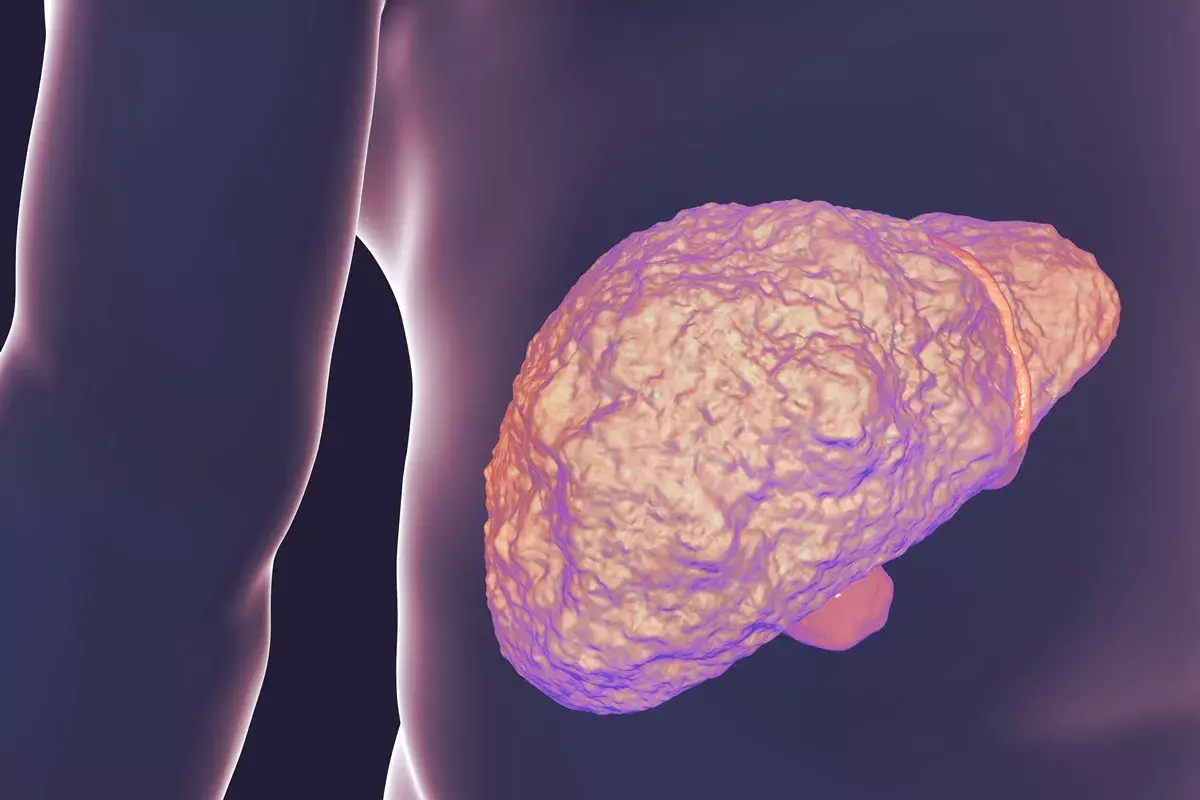
The main aim of the diet is to reduce liver volume. This makes surgery easier for doctors. A smaller liver lowers the risk of complications.
This diet also helps deplete glycogen stores and use fat for energy. It starts weight loss before surgery. This is important for a good surgical result.
Liver Shrinkage and Surgical Access
The diet helps shrink the liver. This makes it easier for doctors to see and access the stomach during surgery. It’s a big advantage.
With a smaller liver, surgery is safer and recovery is faster. Patients get better results from their surgery. It’s a win-win situation.
The Science Behind Pre-Surgical Liquid Diets

Pre-surgical liquid diets are based on complex metabolic changes and surgical benefits. They are a key part of getting ready for bariatric surgery. This diet helps lower the risk of problems during and after surgery.
Metabolic Changes During the Diet
When on a pre-surgical liquid diet, the body goes through important changes. The diet reduces liver volume and intra-abdominal fat. This makes surgery easier and safer.
It also makes the liver and surgical area easier to see and reach. This is key for the surgical team.
The diet also prepares the body for surgery. It makes the body use less glucose for energy. This reduces insulin resistance and helps the body recover faster.
Research-Backed Benefits for Surgical Outcomes
Studies show that a pre-operative liquid diet lowers surgery risks. The benefits include:
- Reduced risk of laparoscopic surgery conversion to open surgery
- Decrease in intra-abdominal fat
- Reduced operating time
- Accelerated recovery
- Lower post-operative complications
These advantages are backed by research. Patients who follow this diet have better surgery outcomes. It reduces liver size and intra-abdominal fat, leading to fewer complications.
When to Begin Your 2-Week Pre Bariatric Surgery Liquid Diet
Starting your 2-week pre-bariatric surgery liquid diet at the right time is key for success. The diet usually begins 2 weeks before surgery. But, timing can change based on your health and the surgery type.
It’s important to follow your healthcare team’s specific guidelines. They will adjust the timing for your needs and surgery type.
Timing Guidelines for Different Procedures
Each bariatric procedure has its own start time for the liquid diet. For example:
- Sleeve Gastrectomy: Patients usually start the diet 2 weeks before surgery.
- Gastric Bypass: The diet for gastric bypass patients starts 2 weeks before. It might go up to 3 weeks, depending on health and BMI.
Your surgeon will give you specific instructions based on your health and surgery details.
Coordinating With Your Surgical Team
Working with your surgical team is essential. Here’s how to do it:
- Have a consultation with your surgeon to talk about the diet plan.
- Stick to the dietary guidelines from your healthcare team.
- Inform your surgical team about any diet challenges you face.
By working closely with your healthcare providers and following the recommended timing, you’ll be ready for a successful bariatric surgery.
Nutritional Requirements of Your Pre-Op Liquid Diet
Getting ready for bariatric surgery is more than just the surgery. It also means following a strict liquid diet before surgery. This diet is key for a good surgery and easy recovery.
Protein Intake
Protein is a big part of your pre-op diet. You should aim for 60 to 90 grams of protein each day. This can come from high-protein shakes. Make sure to pick shakes that are high in protein but low in sugar and calories.
Fluid Requirements
Drinking enough water is also important. You should drink at least 64 ounces (about 2 liters) of fluids every day. This keeps you hydrated and gets your body ready for surgery. Stick to clear liquids like broth, water, and sugar-free drinks.
Vitamin and Mineral Supplementation
You might also need to take vitamins and minerals. A liquid diet might not give you all the nutrients you need. Your doctor will tell you which supplements to take.
By paying attention to these nutritional needs, you can get ready for your surgery well. It’s a time that needs careful planning and following your doctor’s diet advice.
Approved Foods and Beverages for Your Liquid Diet
Getting ready for bariatric surgery means sticking to a strict liquid diet. This diet includes high-protein shakes, clear liquids, and sugar-free alternatives. It’s important to reduce liver size and make surgery easier.
Protein Shake Options and Recommendations
Protein shakes are key for your pre-surgery diet. They give you important nutrients and help keep your muscles strong. Pick high-quality protein powders that are low in sugar and high in protein. If you’re having VSG surgery, it’s extra important to drink protein shakes to get enough protein.
- Choose protein powders with at least 20g of protein per serving.
- Opt for unflavored or lightly flavored options to avoid added sugars.
- Consider whey protein or egg white protein for their high bioavailability.
Clear Liquids vs. Full Liquids
It’s important to know the difference between clear and full liquids. Clear liquids are easy to digest and include things like broth and water. Full liquids are thicker and more nutritious, like protein shakes and milk. If you’re getting a gastric bypass, drink clear liquids to stay hydrated and full liquids for nutrients.
Liquid Type | Examples |
Clear Liquids | Water, broth, sugar-free gelatin |
Full Liquids | Protein shakes, milk, yogurt |
Sugar-Free Alternatives
Sugar-free options are important for controlling calories and avoiding sugar. Try sugar-free flavored waters, decaf coffee, and tea. If you’re getting a gastric bypass, it’s important to avoid sugary drinks to prevent problems and get the best results.
- Use sugar substitutes like stevia or erythritol to add flavor.
- Avoid products with artificial sweeteners if you experience sensitivity.
- Stay hydrated by drinking plenty of sugar-free beverages.
Foods and Beverages to Strictly Avoid
As you get ready for bariatric surgery, it’s key to know which foods and drinks to skip. Your diet for the two weeks before surgery is very important. It helps make sure your surgery goes well.
Prohibited Food Categories
Some foods and drinks can mess up your pre-surgery diet. You should stay away from:
- Carbonated drinks, which can cause discomfort and gas
- High-sugar beverages, which can hinder your dietary progress
- Alcoholic beverages, as they can interfere with your surgical preparation
Also, some protein shakes are not good for your diet before surgery. For example, shakes like Boost and Ensure are too thick. They might be hard to digest during this time.
Hidden Ingredients to Watch For
When picking foods and drinks for your diet, always check the labels. Look out for:
- High fructose corn syrup
- Artificial sweeteners that can cause gastrointestinal discomfort
- Thickening agents that may not be suitable for a liquid diet
Knowing about these ingredients helps you make better choices. This supports your diet goals.
Why Compliance Matters
Sticking to your pre-surgery diet is very important for a few reasons:
Reason | Description |
Liver Shrinkage | A liquid diet helps reduce liver size, improving surgical access. |
Reduced Complications | A proper diet minimizes the risk of complications during and after surgery. |
Smooth Recovery | Following the diet guidelines contributes to a smoother and faster recovery. |
By avoiding bad foods and drinks and watching out for hidden ingredients, you can have a good surgery outcome.
Creating a Complete 2-Week Pre Bariatric Surgery Liquid Diet Plan
Creating a 2-week pre-bariatric surgery liquid diet plan needs careful planning. Patients should first understand the diet’s nutritional needs and approved foods. This ensures a smooth transition into the diet.
Sample Daily Schedule
A typical day on this diet includes protein shakes, clear liquids, and full liquids. Patients start with a protein shake with 60-90 grams of protein in the morning. They can drink clear liquids like broth and sugar-free gelatin throughout the day.
Here’s a sample daily schedule:
- Breakfast: Protein shake with 60-90 grams of protein
- Mid-morning: Clear broth or sugar-free gelatin
- Lunch: Full liquid meal replacement or protein shake
- Mid-afternoon: Electrolyte-rich beverage or clear liquid
- Dinner: Full liquid meal replacement or protein shake
- Before bed: Clear liquid or protein shake
Week 1 vs. Week 2 Adjustments
The diet’s structure stays the same, but adjustments may be needed between Week 1 and Week 2. These changes depend on individual progress and surgical team advice. Patients should be ready to make these adjustments.
In Week 1, the focus is on getting used to the liquid diet and meeting nutritional needs. In Week 2, patients might need to increase protein intake or change fluid amounts based on their progress.
Meal Preparation and Organization Tips
To manage the diet better, patients should plan and prepare meals and snacks ahead of time. This includes:
- Stocking up on approved protein shakes and clear liquids
- Preparing protein shakes in advance and storing them in the refrigerator
- Having a variety of sugar-free gelatin and electrolyte-rich beverages on hand
Being organized and prepared helps avoid temptation. It makes sticking to the diet easier.
Managing Common Side Effects and Challenges
Starting your 2-week pre-bariatric surgery liquid diet means getting ready for surgery. But, it also comes with its own set of challenges. You might feel hungry, tired, and experience mood swings.
Addressing Hunger and Cravings
Hunger and cravings are common during this diet. To fight them, drink 64 ounces of sugar-free drinks and broth each day. Staying hydrated is key, as thirst can feel like hunger.
“Drinking plenty of fluids can significantly reduce hunger pangs,” a nutrition expert says. Sip on clear liquids all day to keep your stomach full and reduce hunger.
Dealing With Fatigue and Weakness
Fatigue and weakness are also common. Meeting your daily protein needs (60-90g) is key to staying energized. Add protein-rich shakes to your diet to fight fatigue.
Also, rest well and listen to your body to manage weakness.
Managing Headaches and Mood Changes
Headaches or mood swings can happen due to diet changes and dehydration. Stay hydrated to avoid these issues. If headaches don’t go away, talk to your healthcare team.
Keeping a positive outlook and focusing on your progress can also help with mood swings.
Knowing about these side effects and how to manage them can help you get through your 2-week liquid diet. Remember, this is a short period, and the benefits are worth it.
Tracking Progress During Your Liquid Diet
Starting your 2-week pre bariatric surgery liquid diet? Tracking your progress is key for a good outcome. Watching how your body reacts to the diet can spot problems early. This lets you fix them quickly.
Physical Changes to Monitor
Keep an eye on several important changes during your diet. These include weight loss, hydration levels, and any side effects like fatigue, headaches, or dizziness. Regular checks help you stay on course and adjust your diet if needed.
“Watching your body’s changes is more than just tracking numbers,” a bariatric surgery expert says. “It’s about getting your body ready for a safe and successful surgery.”
Keeping a Diet Journal
Keeping a diet journal is very helpful. It lets you log your daily food, track your progress, and note any challenges. Your healthcare team can also use it to understand your preparation better.
- Record your daily liquid intake
- Note your weight and any changes
- Document any side effects or concerns
When to Contact Your Healthcare Team
Know when to call your healthcare team. If you have severe dehydration, persistent pain, or other serious symptoms, reach out. They can guide you and make sure you’re on the right path.
By watching your progress closely and talking openly with your healthcare team, you can get ready for bariatric surgery well. This sets you up for success in the long run.
Special Considerations for Different Bariatric Procedures
When you’re getting ready for bariatric surgery, the type of surgery you’re having matters a lot. Each surgery has its own special diet needs before surgery. This is to make sure you get the best results.
Gastric Bypass-Specific Guidelines
If you’re having gastric bypass surgery, you need to eat a diet that’s high in protein and low in sugar and fat. This diet helps make your liver smaller. It makes it easier for your surgeon to work on your stomach.
A protein intake of 60-90 grams per day is usually recommended. This helps your body heal and avoids complications.
Stick to clear liquids and protein shakes that are easy to digest. Avoid drinks with a lot of sugar or caffeine. These can make you uncomfortable and might make the surgery harder.
Gastric Sleeve Considerations
For gastric sleeve surgery, the diet is similar. It’s all about making your liver smaller and your stomach empty. A clear liquid diet is usually recommended for 24-48 hours before the surgery.
Drink lots of water and other clear liquids. You can also have protein shakes, but make sure they’re low in sugar and okayed by your surgeon.
Vertical Sleeve Gastrectomy Preparation
Preparation for vertical sleeve gastrectomy (VSG) is like gastric sleeve surgery. It’s all about shrinking your liver and getting your stomach ready. You should stick to a strict liquid diet for at least two weeks before surgery. Make sure to eat a lot of protein.
It’s very important to work with your healthcare team to make your diet fit your surgery needs. This way, you can make sure your surgery goes smoothly and successfully.
Common Mistakes to Avoid on Your Pre-Surgery Diet
To have a smooth surgery, it’s key to know and avoid common diet mistakes before surgery. Following the diet plan well is important for a good surgery result.
Underestimating Protein Needs
Many patients don’t get enough protein before surgery. Getting enough protein is key for muscle and health. We suggest 60-90 grams of protein a day.
Protein shakes are great for this, but pick ones low in sugar and high in protein. Not getting enough protein can cause tiredness and weakness, which might delay your surgery. So, it’s important to plan your diet well and maybe talk to a nutritionist.
Dehydration Risks
Dehydration is a big problem before bariatric surgery. Drinking enough fluids is key to avoid dehydration. Drink at least 64 ounces of fluid a day, focusing on clear liquids and drinks with electrolytes.
To stay hydrated, always carry a water bottle and drink often. Also, check your urine color. It should be pale yellow or clear.
Cheating and Its Consequences
Eating solid foods or high-calorie liquids before surgery is risky. It can make surgery harder because it can make your liver bigger.
Sticking to the diet is very important. We know it’s hard, but it’s worth it. Staying true to your diet plan will make sure you’re ready for your surgery.
Conclusion: Transitioning from Liquid Diet to Surgery Day
As we finish the 2 week pre bariatric surgery liquid diet, it’s time to get ready for surgery day. This diet is key to a successful surgery. It helps prepare your body for the big change ahead.
After the liquid diet, you’ll start eating liquid and solid foods again. It’s important to stick to the diet plan to get the best results. This will help you in the long run.
By following the advice in this article, you’ll be well-prepared for the liquid diet and beyond. We’re here to help you every step of the way. From the liquid diet to adjusting to your new lifestyle after surgery.
FAQ
What is the purpose of a pre-bariatric surgery liquid diet?
A pre-bariatric surgery liquid diet helps shrink the liver. This makes it easier for the surgeon to reach the stomach. It also prepares the body for surgery.
How long before surgery should I start a liquid diet?
You should start a liquid diet 2 weeks before surgery. But, the exact time can change based on your surgery and doctor’s advice.
What are the nutritional requirements for a pre-op liquid diet?
You need at least 60-90g of protein daily. Also, drink at least 64oz of fluids. Your healthcare team will guide you on vitamins and minerals.
What types of liquids are allowed on a pre-bariatric surgery liquid diet?
You can have protein shakes, clear broths, and sugar-free electrolyte drinks. Your healthcare team will tell you what else is okay.
What foods and beverages should I avoid during the pre-bariatric surgery liquid diet?
Stay away from solid foods and high-calorie liquids. Avoid carbonated drinks and anything with sugar, caffeine, or stimulants.
How can I manage hunger and cravings during the liquid diet?
Drink protein-rich liquids and stay hydrated. Distract yourself with activities that aren’t about food.
What are the possible side effects of a pre-bariatric surgery liquid diet?
You might feel hungry, tired, have headaches, or mood swings. But, these can be managed with the right strategies and support.
How should I track my progress during the liquid diet?
Monitor physical changes and keep a diet journal. Report any concerns to your healthcare team.
Are there any special considerations for different bariatric procedures?
Yes, each procedure like gastric bypass or sleeve gastrectomy has its own diet rules. Always follow your healthcare team’s advice.
What are the consequences of not following the pre-bariatric surgery liquid diet?
Not following the diet can cause complications or delay surgery. It’s very important to stick to the diet plan.
How do I transition from the liquid diet to surgery day?
Follow your healthcare team’s instructions for the transition. This includes getting ready for the post-operative diet and lifestyle.
References
National Center for Biotechnology Information. Two-Week Liquid Diet Before Bariatric Surgery Preparation. Retrieved from https://www.ncbi.nlm.nih.gov/pmc/articles/PMC10319356/