

Precancerous polyps, also known as adenomas, are abnormal growths on the colon lining. They can turn into colorectal cancer over time. Discover why pre cancerous polyps in colon are dangerous and how they can lead to cancer.
Most people with these polyps don’t know they have them. They rarely cause symptoms. But, finding and removing them early can greatly lower the risk of colorectal cancer.
At places like Liv Hospital, they use the latest methods to find and remove these polyps. This gives patients a strong chance to stop cancer before it starts.
Key Takeaways
- Precancerous polyps are abnormal growths on the colon lining.
- These polyps can develop into colorectal cancer over time.
- Early detection and removal can significantly reduce cancer risk.
- Most people with precancerous polyps do not experience symptoms.
- Advanced medical care can help prevent colorectal cancer.
Understanding Colon Polyps
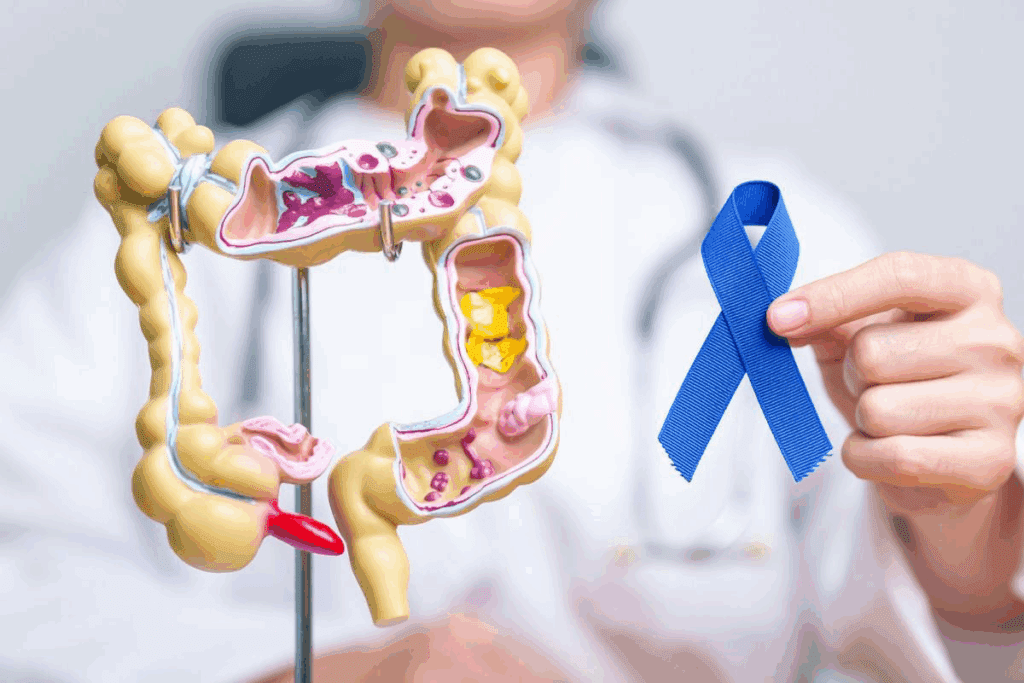
It’s key to know about colon polyps to catch colorectal cancer early. These are growths on the colon or rectum’s inner lining. They can be harmless or turn cancerous over time.
Definition and Basic Anatomy
Colon polyps are abnormal growths on the colon or rectum’s inner lining. Most are harmless, but some can turn into cancer if not removed. The colon is part of our digestive system, and these polyps grow on its lining.
The basic anatomy of colon polyps includes their shape, size, and how they attach to the colon wall. They can be either pedunculated (with a stalk) or sessile (flat). Knowing a polyp’s type and characteristics helps figure out its cancer risk.
Prevalence Statistics
Colon polyps are common, mainly in adults over 50. Research shows up to 40% of adults might have them, with more cases in older people. Men are more likely to have polyps than women, and some factors increase the risk.
Knowing how common colon polyps are shows why screening is so important. Regular check-ups and screenings can spot polyps early. This can greatly improve treatment chances.
Pre Cancerous Polyps in Colon: Types and Characteristics

It’s key to know about the different types of precancerous polyps in the colon. These growths on the colon’s inner lining might turn into cancer over time. Spotting and understanding these polyps is vital for managing them well.
Adenomatous Polyps
Adenomatous polyps, or adenomas, are the most common precancerous polyps in the colon. They are closely linked to most colon cancers. These polyps grow from the glandular tissue of the colon lining and come in various sizes and shapes.
Characteristics of Adenomatous Polyps:
- They can be pedunculated (having a stalk) or sessile (flat).
- The risk of cancer in an adenomatous polyp grows with size, more so for those over 1 cm.
- They are classified into tubular, villous, or tubulovillous types, with villous adenomas being more dangerous.
Removing adenomatous polyps during a colonoscopy can stop colorectal cancer from developing. This shows how critical screening is.
Sessile Serrated Polyps
Sessile serrated polyps (SSPs) are another precancerous polyp type that can lead to colorectal cancer. They are flat and harder to spot during a colonoscopy.
Characteristics of Sessile Serrated Polyps:
- They are usually found in the right colon.
- SSPs are hard to find because they look like normal mucosa and are flat.
- They have a high risk of having high-grade dysplasia or cancer, mainly if they’re large or have a specific serrated look.
Experts in gastroenterology stress the need to spot and remove SSPs to stop colorectal cancer. New imaging methods during colonoscopy help find them.
Why Precancerous Polyps Are Dangerous
It’s important to know why precancerous polyps are dangerous. They can turn into colorectal cancer if not treated. This is a serious condition that can be life-threatening.
Cancer Development
Precancerous polyps can become colorectal cancer. This happens through a series of genetic changes over time. The risk depends on the type of polyp, its size, and if there’s dysplasia.
Adenomatous polyps are at risk of turning into cancer. They need to be removed to prevent this.
Silent Progression
Precancerous polyps can grow without causing symptoms. This makes it hard to catch them early. Regular screenings are key to finding them before they become cancer.
Because they don’t show symptoms early, it’s vital to get checked regularly. This helps catch polyps before they turn into cancer.
Metastatic Capabilities
If polyps turn into cancer, there’s a chance it can spread. This makes treatment harder and lowers the chances of survival.
| Danger Aspect | Description | Impact |
| Cancer Development | Precancerous polyps can evolve into colorectal cancer. | Potential for life-threatening condition. |
| Silent Progression | Polyps often do not cause symptoms until cancer develops. | Makes regular screening vital. |
| Metastatic Capabilities | Cancer can spread to other parts of the body. | Complicates treatment and worsens prognosis. |
Distinguishing Between Neoplastic and Non-Neoplastic Polyps
It’s important to know the difference between neoplastic and non-neoplastic polyps. Colon polyps grow on the inner lining of the colon or rectum. They can be either harmless or have the chance to turn into cancer.
Neoplastic polyps can become cancer. Adenomatous polyps are a common type. Non-neoplastic polyps, on the other hand, are usually harmless and don’t turn into cancer.
Hyperplastic Polyps
Hyperplastic polyps are non-neoplastic. They are small and found in the distal colon and rectum. Hyperplastic polyps are generally not cancerous, but large ones might slightly increase the risk of colorectal cancer.
Inflammatory Polyps
Inflammatory polyps, or pseudopolyps, come from chronic inflammation in the colon. This is often seen in inflammatory bowel disease (IBD). These polyps are not neoplastic and are part of the healing process after inflammation. They don’t usually lead to cancer, but show there might be an underlying issue that needs attention.
Hamartomatous Polyps
Hamartomatous polyps are non-neoplastic. They are made of disorganized cells and tissues from the colon. Hamartomatous polyps are usually benign, but in some syndromes, they can raise the risk of cancer.
In summary, knowing the difference between neoplastic and non-neoplastic polyps is key. Neoplastic polyps can become cancerous, while non-neoplastic ones are usually harmless. Understanding the types of polyps helps in making accurate diagnoses and treatment plans.
The Adenoma-Carcinoma Sequence
The journey from adenoma to carcinoma is complex. It involves many genetic and environmental factors. This journey is key to understanding how colorectal cancer starts from benign polyps.
Genetic Mutations in Polyp Development
Genetic changes are vital in the adenoma-carcinoma sequence. The first changes often happen in genes that control cell growth, like the APC gene. These changes can cause adenomas, which are not cancer but can turn into it.
Key genetic alterations include:
- Mutations in the KRAS gene, which can make cells grow too much.
- Changes in the TP53 gene, leading to loss of control over cell growth.
- Genetic instability from changes in DNA mismatch repair genes, such as MLH1 and MSH2.
Timeline for Malignant Transformation
The time it takes for an adenoma to become carcinoma varies. It usually takes 10 to 15 years. But, it can happen faster or slower based on many factors.
| Stage | Description | Typical Timeline |
| Initiation | Adenoma forms due to genetic changes. | 0-5 years |
| Promotion | The adenoma grows and may show dysplasia. | 5-10 years |
| Malignant Transformation | The adenoma turns into carcinoma. | 10-15 years |
Factors Accelerating Progression
Several factors can speed up the change from adenoma to carcinoma. These include:
- Genetic predisposition: People with a family history of colorectal cancer or certain genetic syndromes are at higher risk.
- Lifestyle factors: Diet, smoking, and not being active can increase the risk.
- Size and characteristics of the adenoma: Larger adenomas or those with specific features are more likely to become cancerous.
Knowing these factors is key to creating effective ways to prevent and catch colorectal cancer early.
Risk Factors for Developing Precancerous Colon Polyps
Precancerous colon polyps can develop due to genetic, environmental, and medical factors. Knowing these risk factors helps find people who need more screening and prevention.
Genetic and Hereditary Factors
Genetics play a big role in getting precancerous colon polyps. If you have a family history of colon cancer or polyps, you’re at higher risk. Syndromes like Familial Adenomatous Polyposis (FAP) and Lynch Syndrome greatly increase your risk of polyps and cancer.
Lifestyle and Environmental Influences
Lifestyle choices also raise the risk of precancerous colon polyps. Eating a lot of red and processed meats and not enough fiber increases your risk. Smoking and not being active also raise your risk.
Medical Conditions Associated with Increased Risk
Some medical conditions raise your risk of precancerous colon polyps. Inflammatory bowel disease (IBD), like ulcerative colitis and Crohn’s disease, increases your risk of colon cancer and polyps. Type 2 diabetes also raises your risk.
Healthcare providers can spot high-risk individuals by understanding these factors. They can then suggest the right screening and prevention steps.
Symptoms and Clinical Presentation
Colon polyps, often precancerous, usually don’t show symptoms early on. This makes regular screenings key for catching them.
Why Most Polyps Are Asymptomatic
Most colon polyps are benign growths inside the colon or rectum. They are small and don’t disrupt the colon’s function. This is why they often don’t cause symptoms. The asymptomatic nature of these polyps is a big worry. It means people can have polyps without realizing it.
The reasons for this include:
- The slow growth of polyps, which lets the colon adjust without noticeable changes.
- The location of polyps, which may not block the colon or cause much irritation.
- The lack of significant inflammation or ulceration that could lead to symptoms.
Warning Signs That Shouldn’t Be Ignored
Even though many colon polyps don’t show symptoms, some may. It’s important to know the warning signs for colon polyps or other colorectal issues.
Some symptoms to watch for include:
- Changes in bowel habits, like constipation or diarrhea that lasts.
- Blood in the stool or black, tarry stools, which could mean bleeding from a polyp.
- Unexplained weight loss, which can be a sign of advanced disease.
- Abdominal pain or discomfort, which is less common but can happen with larger polyps.
If any of these symptoms appear, seeing a healthcare provider is essential. While these symptoms can mean many things, they need to be checked out. This is to make sure they’re not from colon polyps or cancer.
Spotting and removing precancerous polyps early can stop colorectal cancer. Knowing the symptoms and keeping up with screenings are key for colorectal health.
Screening and Detection Methods
Screening methods are key for finding and removing colon polyps early. This is vital because it helps lower the risk of colorectal cancer.
Colonoscopy: The Gold Standard
Colonoscopy is seen as the top choice for checking colon polyps. It uses a flexible tube with a camera to look inside the colon. It can find and remove polyps at the same time, which is why it’s so good at stopping colorectal cancer.
A top gastroenterologist said,
“Colonoscopy has changed the game in gastroenterology. It lets us see the colon directly and take out polyps before they become cancer.”
Alternative Screening Options
Not everyone can or wants to have a colonoscopy. Luckily, there are other ways to screen, like:
- Stool tests that find hidden blood or DNA changes in stool.
- Blood tests that look for signs of colorectal cancer.
These options are less invasive and might be better for people who don’t like colonoscopies.
Recommended Screening Schedules
The right time to start screening for colon polyps depends on your risk. For most, it starts at 45. But, if you have a family history of colorectal cancer or other risks, you might need to start sooner and more often.
Your doctor will figure out the best schedule for you based on your risk.
Diagnosis and Classification Process
Diagnosing colon polyps is a detailed process. It involves looking at the polyps visually, taking a biopsy, and using advanced tests. These steps help figure out what kind of polyps they are.
Visual Identification During Procedures
A gastroenterologist looks at the colon for polyps during a colonoscopy. They note the size, shape, and where the polyps are. These details can tell if a polyp might turn cancerous.
Polyp characteristics like texture and color also give hints. For example, adenomatous polyps, which can lead to cancer, look different from hyperplastic polyps, which are usually harmless.
Biopsy and Histological Analysis
Looking at polyps visually is just the start. A biopsy and histological analysis are needed for a clear diagnosis. Suspicious polyps are taken out during a colonoscopy and checked under a microscope.
Looking at tissue under a microscope is key. It helps find out if a polyp is growing in a bad way or not. This is important to know if it’s cancerous or not.
| Polyp Type | Histological Features | Cancer Potencial |
| Adenomatous | Dysplastic cells, glandular architecture | High |
| Hyperplastic | Normal cellular architecture, serrated glands | Low |
| Sessile Serrated | Serrated architecture, possible dysplasia | Moderate to High |
Advanced Diagnostic Techniques
New methods are being used too. Molecular testing looks for cancer-linked genes. This helps doctors catch cancer early.
Narrow-band imaging (NBI) and chromoendoscopy help see more details. They show patterns and blood vessels, helping spot cancerous polyps.
Treatment Approaches for Precancerous Polyps
Treatment for precancerous polyps aims to stop cancer before it starts. The main goal is to remove the polyps early. This helps prevent them from turning into cancer. It also keeps an eye out for any polyps that might come back.
Polypectomy Procedures
Polypectomy is the top treatment for precancerous polyps. It removes the polyp during a colonoscopy. Advanced polypectomy techniques help take out bigger and more complex polyps.
The procedure happens during a colonoscopy. The doctor finds and removes the polyp with special tools. Then, the polyp is checked for cancer cells.
Surgical Interventions for Complex Cases
Sometimes, surgery is needed for big or complex polyps. Surgical resection is suggested for polyps with high-grade dysplasia or too big for colonoscopy.
Surgery can be laparoscopic or open, based on the case and patient’s health.
Follow-up Care and Monitoring
After removing precancerous polyps, follow-up care is key. Regular surveillance colonoscopies are needed to watch for new polyps. This helps catch any polyps early.
The time between follow-up colonoscopies varies. It depends on the polyp’s size, number, and type. It also depends on the patient’s risk factors.
| Polyp Characteristics | Recommended Follow-up |
| 1-2 small ( | 5-10 years |
| 3-10 adenomas or 1 adenoma >1 cm | 3-5 years |
| >10 adenomas or high-grade dysplasia | 1-3 years |
Prevention Strategies and Risk Reduction
Effective prevention strategies can greatly lower the risk of getting precancerous colon polyps. A good plan includes making dietary changes, adopting a healthier lifestyle, and sometimes using medications or supplements. These steps can help reduce the risk.
Dietary Modifications
Your diet is key in preventing colon polyps. Increasing fiber from fruits, veggies, and whole grains is helpful. Also, try to eat less red meat and processed foods, as they can increase the risk.
- Add more fruits and veggies to your meals.
- Opt for whole grains over refined ones.
- Reduce red and processed meats in your diet.
Lifestyle Changes
Changing your lifestyle is also vital in preventing colon polyps. Regular exercise and keeping a healthy weight can help. Quitting smoking and drinking less alcohol are also important for your health and can prevent polyps.
- Do at least 30 minutes of moderate exercise daily.
- Stop smoking and drink alcohol in moderation.
- Keep a healthy weight with a balanced diet and exercise.
Medications and Supplements
Some medications and supplements can also help prevent colon polyps. Aspirin and NSAIDs might reduce the risk, but talk to your doctor first. Calcium and vitamin D supplements could also offer some protection.
| Prevention Strategy | Description | Potential Benefit |
| Dietary Fiber | Increase consumption of fruits, vegetables, and whole grains. | Reduces risk of colon polyps |
| Physical Activity | Engage in regular exercise. | Contributes to overall health and risk reduction |
| Aspirin/NSAIDs | Discuss use with a healthcare provider. | May reduce risk of colon polyps |
Conclusion
Precancerous polyps in the colon are a big risk for colorectal cancer. Finding and removing them early is key to stop cancer from growing.
It’s important to know what a pre-cancerous polyp is for good colon health. These polyps can turn into cancer without any symptoms if not found.
Screening, like colonoscopy, is vital. It helps find and remove these polyps before they become cancerous.
Prevention is also important. Changing your diet and lifestyle can lower the risk of getting these polyps.
Being aware and taking action is the best way to fight against precancerous polyps. This helps keep your colon healthy.
FAQ
What are precancerous polyps in the colon?
Precancerous polyps, also known as adenomas, are growths on the inner lining of the colon. They have the chance to turn into colorectal cancer if not removed.
Are all colon polyps precancerous?
No, not all colon polyps are precancerous. There are different types, like hyperplastic and hamartomatous polyps. These are usually not cancerous and have a lower risk.
What are the most common types of precancerous colon polyps?
The most common types are adenomatous polyps and sessile serrated polyps. Adenomatous polyps are the most common. They can be tubular, tubulovillous, or villous adenomas.
How are precancerous polyps diagnosed?
Precancerous polyps are usually found during a colonoscopy. They are seen and often removed for further examination to confirm their nature.
Can precancerous polyps be prevented?
While not all can be prevented, some lifestyle changes can help. Eating a diet high in fiber and low in red meat is key. Regular exercise, a healthy weight, and avoiding smoking also help.
What is the adenoma-carcinoma sequence?
The adenoma-carcinoma sequence is the process from a benign adenomatous polyp to colorectal cancer. It involves genetic mutations and can take years. It’s influenced by genetics and environment.
How often should I undergo colonoscopy screening?
The timing of colonoscopy screening varies. It depends on age, family history, and risk factors. Generally, start at 45, with more frequent screenings based on the first colonoscopy’s findings.
What are the symptoms of colon polyps?
Most colon polyps don’t show symptoms and are found during screening. But, larger polyps or those bleeding can cause symptoms like rectal bleeding or changes in bowel habits.
Can medications or supplements reduce the risk of colon polyps?
Yes, some medications like aspirin can lower the risk of colon polyps. But, talk to a doctor first because of side effects. Some supplements might also help, but more research is needed.
What is the treatment for precancerous colon polyps?
The treatment for precancerous colon polyps is removal during colonoscopy, known as polypectomy. For bigger or more complex polyps, more treatments or surgery might be needed.
Why is follow-up care important after polyp removal?
Follow-up care is key after polyp removal. It helps monitor for new polyps and detect any that may have developed. The timing of follow-up colonoscopy depends on the removed polyps’ characteristics.
References:
Park, S., et al. (2024). Associations of cholecystectomy with metabolic health: A large population-based retrospective cohort study. Scientific Reports, 14, 12345. Retrieved from https://www.nature.com/articles/s41598-024-53161-6



 Departments
 Related Videos
 Our Doctors
 News
News