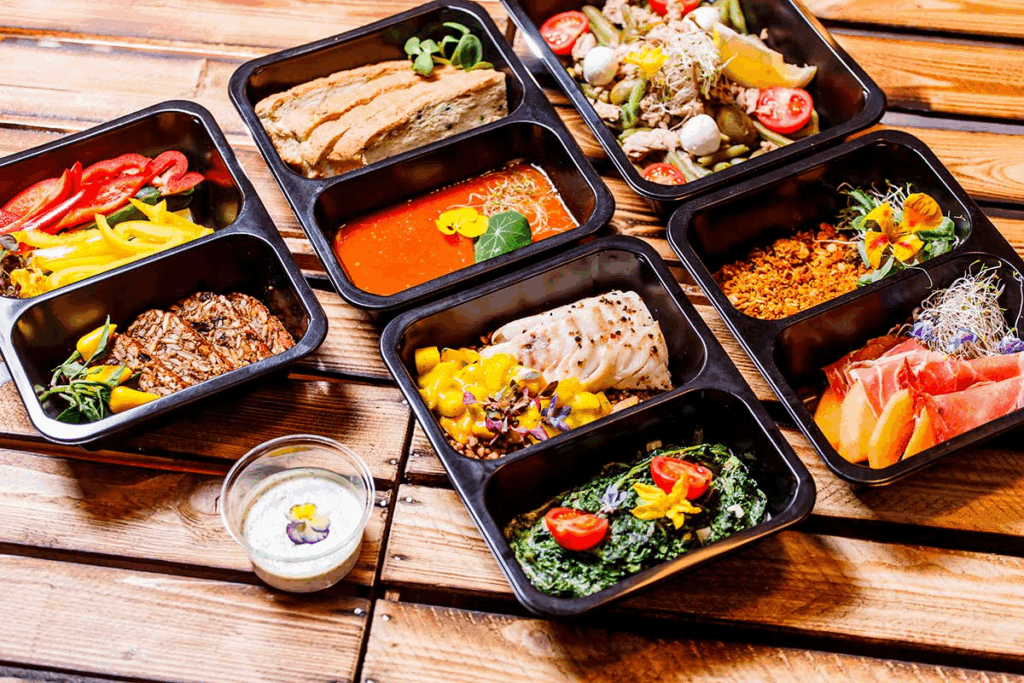
Proper pre-workout nutrition can make a big difference. It turns a regular workout into a breakthrough. Eating the right foods before exercise boosts your energy, improves muscle performance, and speeds up recovery. The ultimate ‘pre workout nutrition’ guide. Our simple, powerful plan gives you the best, proven foods and timing for amazing energy.
Eating carbs with protein before working out can help a lot. It’s also important to stay hydrated. Some supplements, like creatine or caffeine, might offer extra benefits. Knowing what to eat and when is key, whether you’re doing strength training, cardio, or interval workouts.
Key Takeaways
- Eating the right foods before a workout can enhance performance and support recovery.
- Pairing carbs with protein is beneficial for improving performance and recovery.
- Staying hydrated is important for the best workout performance.
- Certain supplements like creatine or caffeine may provide additional benefits.
- A well-planned pre-workout meal is essential for reaching your fitness goals.
Understanding Pre-Workout Nutrition Fundamentals

Learning about pre-workout nutrition can boost your exercise performance and fitness. It’s not just about eating before you work out. It’s about giving your body the right nutrients at the right time to improve your performance and reach your fitness goals.
The Science Behind Performance Fuel
Carbohydrates are key for energy because your muscles use glucose from carbs for fuel. The International Society of Sports Nutrition (ISSN) says glycogen is your main energy source during intense exercise. Eating carbs before endurance activities helps keep glycogen levels up and fuels your body during long workouts.
Proper carbohydrate intake before a workout can delay fatigue. This lets you work out harder for longer. This is key for activities like running, cycling, or swimming.
How Nutrition Affects Exercise Capacity
Nutrition is vital for your exercise capacity. The nutrients you eat before exercise can greatly affect your energy, endurance, and performance. Eating a balanced meal with carbs, protein, and healthy fats 1-3 hours before exercise can give you sustained energy and support muscle function.
Adequate hydration is also key, as even mild dehydration can hurt your performance. Drinking enough water and eating the right nutrients in the right amounts can significantly improve your workout.
Balancing Macronutrients for Different Workout Types
Different workouts need different nutrition plans. For example, high-intensity workouts need more carbs to fill glycogen stores. Strength training benefits from carbs and protein to help muscles function and recover.
- For endurance workouts: Focus on complex carbohydrates for sustained energy.
- For strength training: Combine carbohydrates with protein to support muscle function and recovery.
- For high-intensity interval training (HIIT): Emphasize carbohydrates for quick energy.
Knowing how to balance macronutrients for your workout type can optimize your pre-workout nutrition. This helps improve your performance and reach your fitness goals more effectively.
Timing Your Pre-Workout Meals for Maximum Benefits

Eating the right meal before your workout can boost your endurance and energy. It also helps meet your fitness goals. The timing of your meal is key to how well you perform and recover.
The Critical 30-60 Minute Window
Studies show eating carbs 30-60 minutes before exercise boosts endurance. This time lets your body digest and use the nutrients for energy. Carbohydrate-rich foods like bananas or energy bars are great choices.
2-3 Hours Before: Complete Meal Options
If you have 2-3 hours before your workout, eat a full meal. Choose foods with complex carbohydrates, lean proteins, and healthy fats. Grilled chicken with brown rice or whole grain pasta with turkey are good options. They give you energy and help your muscles.
Last-Minute Nutrition Strategies
When time is tight, go for easily digestible snacks. Look for foods high in carbs but low in fiber and fat. Energy gels or dried fruits and nuts are good choices. Don’t forget to drink water to stay hydrated.
By following these meal timing tips, you can get the most out of your workouts. You’ll see better performance and reach your fitness goals faster.
Carbohydrates: The Essential Pre-Workout Energy Source
Carbohydrates are the body’s top choice for energy during hard workouts. The International Society of Sports Nutrition says glycogen, a muscle carb, is key for such activities. So, it’s important to eat the right carbs before working out for the best results.
Simple vs. Complex Carbs: When to Choose Each
Carbs are split into simple and complex types. Simple carbs, like glucose and fructose, are fast to digest and give quick energy. Complex carbs, like whole grains and veggies, take longer to digest but give energy for longer.
For quick energy, eat simple carbs 30-60 minutes before working out. Complex carbs should be eaten 2-3 hours before to keep energy up during the workout.
Good Carbs to Eat Before a Workout
Choosing the right carbs before a workout can really help your performance. Here are some good ones:
- Bananas: Rich in simple carbs and potassium.
- Oatmeal: A complex carb that provides sustained energy.
- Whole grain bread: Offers complex carbs and fiber.
- Fruits like apples and berries: Provide simple carbs and antioxidants.
Carbohydrate Quantities Based on Workout Duration and Intensity
The carbs you need before a workout depend on how long and hard it is. For workouts over 60 minutes, eat 1-4 grams of carbs per kilogram of body weight 1-3 hours before.
Workout Duration | Carbohydrate Intake Recommendation |
Less than 60 minutes | 15-30 grams |
60-90 minutes | 30-60 grams |
More than 90 minutes | 60-90 grams |
Eating carbs before endurance exercise boosts performance by keeping glycogen levels up. Knowing which carbs to eat and when can help you perform better in your workouts.
Protein’s Role in Pre-Workout Nutrition
Eating protein before you exercise helps your muscles. It supports muscle repair and growth. This is why pre-workout protein is key for a good workout plan.
How Pre-Workout Protein Supports Muscle Preservation
Protein before exercise boosts muscle repair. It helps fix muscle damage from working out. This leads to less soreness and better recovery.
Key benefits of pre-workout protein include:
- Enhanced muscle protein synthesis
- Reduced muscle damage and soreness
- Improved recovery post-exercise
Optimal Protein Timing and Amounts
Studies show 5-10 grams of protein before exercise is good. The best time is 30-60 minutes before, so your muscles can use it during the workout.
Best Protein Sources Before Exercise
Choosing the right protein is important. Here are some top picks:
- Whey protein: Absorbs quickly and is very effective.
- Casein protein: Releases amino acids slowly, great for long workouts.
- Egg protein: Has all amino acids and is easy to digest.
- Greek yogurt: Mixes protein with carbs, a perfect snack before working out.
Adding these proteins to your pre-workout routine helps your muscles. It improves recovery and workout performance.
Healthy Fats and Micronutrients Before Training
To get the most out of your workout, think about all parts of nutrition. This includes healthy fats and micronutrients, not just carbs and protein. A good pre-workout plan boosts energy and health, improving your performance.
Should You Include Fats in Pre-Workout Meals?
Healthy fats are key for a balanced diet and help with exercise, mainly for longer, less intense workouts. They are the body’s main fuel under these conditions.
Adding healthy fats to your pre-workout meal keeps energy up and helps vitamins absorb better. But, pick the right fats and eat them in small amounts to avoid stomach issues during exercise.
Examples of Healthy Fats:
- Avocado
- Nuts and seeds
- Fatty fish
- Olive oil
Essential Vitamins and Minerals for Exercise Support
Vitamins and minerals are essential for exercise. They help with energy, nerve function, and muscle contraction.
Micronutrient | Role in Exercise | Food Sources |
Iron | Oxygen transport | Red meat, spinach, fortified cereals |
Calcium | Muscle function, bone health | Dairy products, leafy greens, fortified plant-based milk |
Vitamin D | Muscle function, bone health | Sunlight exposure, fatty fish, fortified dairy products |
Pre-Workout Hydration Strategies
Drinking enough water is key for good exercise performance and safety. Even a little dehydration can hurt your performance and raise the risk of heat sickness.
Drink water or a sports drink 30-60 minutes before working out. How much you need depends on the weather, how hard you’re working, and how much you sweat.
Check your urine color to see if you’re hydrated. If it’s pale yellow, you’re good to go.
Tailoring Pre-Workout Nutrition to Specific Fitness Goals
Pre-workout nutrition needs to be customized because different goals require different plans. Whether you want to build muscle, boost endurance, lift weights, or manage your weight, the right food can make a big difference. It can improve how well you perform and the results you get.
What to Eat Before a Workout to Build Muscle
To build muscle, eat a mix of protein and carbs about 1-2 hours before working out. Protein helps repair and grow muscles. Carbs give you the energy you need for tough workouts.
Here are some foods that can help build muscle:
- Greek yogurt with berries and nuts
- Whole grain toast with peanut butter and banana slices
- Grilled chicken breast with quinoa and steamed vegetables
Pre-Cardio Food Choices for Endurance
For cardio, eat complex carbs that give energy slowly. This keeps you going during your workout. Add a bit of protein to help your muscles work right.
Good foods for cardio include:
- Oatmeal with fruit and a sprinkle of nuts
- Whole grain crackers with almond butter and banana slices
- Smoothie with banana, spinach, and protein powder
Eating Before Lifting Weights
When lifting weights, you need fuel that boosts energy and protects muscles. A mix of carbs and protein is best. Carbs give you the energy you need, and protein helps prevent muscle damage.
Here are some meal ideas for lifting weights:
- Turkey and avocado wrap with whole grain tortilla
- Brown rice with grilled chicken and mixed vegetables
- Protein shake with carbs like dextrose or maltodextrin
Pre-Workout Nutrition for Weight Management
For weight management, focus on meals that boost your metabolism and help with fat loss while keeping muscle. A balanced meal with protein, healthy fats, and complex carbs is key.
Nutritional Component | Role in Weight Management | Food Examples |
Protein | Supports muscle preservation and satiety | Lean meats, fish, eggs, dairy |
Complex Carbohydrates | Provides sustained energy | Whole grains, fruits, vegetables |
Healthy Fats | Supports overall health and satiety | Nuts, seeds, avocados, olive oil |
By tailoring your pre-workout nutrition to your specific fitness goals, you can enhance your performance, support your body’s needs, and achieve better results from your workouts.
Best Pre-Workout Meals and Snacks for the Gym
Fueling your body right before a workout is key to doing your best. The best meal or snack depends on your fitness goals, the exercise, and your diet.
Complete Pre-Workout Meal Ideas
A balanced meal 1-3 hours before working out gives you energy and helps your muscles. Here are some good meals:
- A sandwich with whole grain bread, chicken, and a side salad
- Half a sweet potato with salmon and grilled veggies
- Oatmeal with banana, almond butter, and protein powder
These meals have carbs, protein, and fats. They give you energy and nutrients.
Good Snacks Before the Gym
If you’re short on time or not hungry, a snack works well. Try these:
- A banana with peanut butter
- Greek yogurt with berries
- Nuts and dried fruits
These snacks are easy to digest and give quick energy.
Natural Pre-Workout Foods vs. Supplements
Supplements are handy, but natural foods are better. They give you nutrients, vitamins, minerals, and fiber that supplements often lack.
Nutrient | Natural Foods | Supplements |
Carbohydrates | Whole grains, fruits, vegetables | Energy bars, carb powders |
Protein | Lean meats, fish, eggs, dairy | Protein powders, amino acids |
Healthy Fats | Nuts, seeds, avocados | Fish oil supplements |
Choose whole foods over supplements to get more nutrients for your workout and health.
Special Considerations for Different Populations
Pre-workout meal planning is not the same for everyone. Different groups need different approaches. Factors like gender, age, fitness level, and dietary restrictions are key.
Pre-Workout Meal for Women: Gender-Specific Considerations
Women need more iron and calcium than men. Iron helps prevent deficiency, which can lower endurance and performance.
Key Nutritional Considerations for Women:
- Adequate iron intake to prevent deficiency
- Sufficient calcium for bone health
- Balanced macronutrient intake tailored to workout intensity
Adjustments for Different Age Groups and Fitness Levels
Nutritional needs change with age and fitness level. Older adults need more protein to keep muscle. Younger athletes need more carbs for energy.
Age Group | Fitness Level | Nutritional Adjustments |
18-30 | High | High carbohydrate intake, moderate protein |
30-50 | Moderate | Balanced macronutrients, emphasis on protein |
50+ | Low | Higher protein, easier to digest foods |
Navigating Dietary Restrictions and Food Sensitivities
People with dietary restrictions or food sensitivities need to plan carefully. They might avoid certain foods or choose different sources of nutrients.
Common Dietary Restrictions and Alternatives:
- Gluten-free: Choose gluten-free grains like rice or quinoa
- Vegan: Opt for plant-based protein sources like beans or tofu
- Dairy-free: Use non-dairy milk alternatives for hydration and nutrition
Understanding and addressing these special considerations helps individuals optimize their pre-workout nutrition. This can improve performance and support fitness goals.
Conclusion: Personalizing Your Pre-Workout Nutrition Plan
We’ve looked at the basics of pre-workout nutrition and how to customize it for your fitness goals. Now, it’s time to make your pre-workout nutrition plan your own. This will help you perform better and recover faster.
Try different times and foods to see what works for you. Paying attention to how your body reacts can help you create a plan that meets your needs.
Customizing your pre-workout nutrition takes some trial and error. But the rewards are worth it. The right mix of carbs, protein, and fats can boost your workout, help keep your muscles strong, and improve your performance.
Keep working on your pre-workout nutrition plan as you get better. Tailoring it to your needs and goals will help you get the most out of your workouts.
FAQ
What are the best carbs to eat before a workout?
The best carbs for a workout are complex ones like whole grains, fruits, and veggies. They give you energy that lasts. Simple carbs, like bananas or energy gels, are good for a quick energy boost right before you start.
How much protein should I consume before a workout?
Eating 5-10g of protein before working out helps your muscles. Good sources are Greek yogurt, nuts, and lean meats.
What is the ideal timing for a pre-workout meal?
Eat a full meal 2-3 hours before working out for digestion. A snack or light meal is okay 30-60 minutes before.
Should I include healthy fats in my pre-workout meal?
Healthy fats are good for you, but not the best for energy before a workout. They can be part of a balanced meal, though.
How do I tailor my pre-workout nutrition to my specific fitness goals?
For muscle building, eat protein and complex carbs. For endurance, focus on carbs and stay hydrated. For weight management, balance your macronutrients and control portion sizes.
What are some good pre-workout meal ideas?
Good meals include oatmeal with fruit and nuts, whole grain toast with avocado and eggs, or a smoothie with Greek yogurt and berries.
Are natural pre-workout foods better than supplements?
Natural foods offer a balanced mix of nutrients. They’re usually better than supplements, which can vary in quality and have side effects.
How do I navigate dietary restrictions and food sensitivities when planning my pre-workout nutrition?
Know your dietary needs and choose foods that fit them. For example, if you’re gluten-free, pick gluten-free whole grains.
What are the best snacks to eat before the gym?
Good snacks include energy bars, bananas, or energy gels, and also nuts and dried fruits.
How important is hydration before a workout?
Drinking water or a sports drink before working out is key for performance. Aim to drink within 30-60 minutes before.
Can I eat before lifting weights?
Yes, eating a balanced meal or snack before lifting helps with energy and muscle function.
What should I eat before cardio?
Before cardio, eat complex carbs like whole grains or fruits for sustained energy.
References
https://www.healthline.com/nutrition/eat-before-workout