Loose Skin After Weight Loss Surgery: Causes and Solutions
Weight loss surgery can change your life, improving your health and body shape. But, many face a big challenge: loose skin. This issue affects up to 96 percent of those who have bariatric surgery, causing both physical and mental problems.
At Liv Hospital, we get how tough it is to deal with loose skin after surgery. We focus on helping patients find ways to reduce it. By making lifestyle changes and nutritional strategies, patients can feel more confident and comfortable during their journey. Essential strategies for diet, exercise, and hydration to minimize loose skin after weight loss surgery.
Key Takeaways
- Loose skin affects up to 96 percent of patients after weight loss surgery.
- Lifestyle changes and nutrition play a key role in reducing loose skin.
- Patient-centered care is vital for tackling post-surgical issues.
- Knowing how to prevent loose skin can make the transformation smoother.
- Liv Hospital offers full support for international patients having bariatric surgery.
Understanding Excess Skin After Weight Loss Surgery
After bariatric surgery, losing weight is just the start. Dealing with excess skin is also a big challenge. When you gain weight, your skin stretches to fit your body. But after losing a lot of weight, your skin might not go back to its original shape because it’s lost its elasticity.
Why Loose Skin Occurs Following Bariatric Procedures
Loose skin after bariatric surgery happens because of the quick weight loss. Our skin is elastic, stretching and then snapping back. But if you gain weight slowly over time, your skin’s elasticity can decrease. So, after losing a lot of weight, your skin might not go back to its original shape, causing it to look loose or saggy.
Many things can affect how likely and how bad loose skin is. These include how much weight you lose, how long you were overweight, and how elastic your skin is. The more weight you lose, the more likely you are to have loose skin.
Statistics on Prevalence and Severity
Research shows that a lot of people who have bariatric surgery end up with loose skin. Almost 30 percent of adults with extra skin experience problems like skin infections and rashes. How common and severe loose skin is can depend on things like your age, genetics, and how much weight you lost.
Prevalence of Loose Skin | Complications Associated |
Nearly 100% of patients after massive weight loss | Dermatitis, Fungal Infections |
Significant percentage with severe skin laxity | Skin Ulcerations, Breakdown |
“The psychological impact of loose skin should not be underestimated. It can affect a person’s self-esteem and overall quality of life.”
It’s important to know why loose skin happens after bariatric surgery. This helps manage expectations and look into ways to prevent or treat it.
Common Areas Affected by Loose Skin
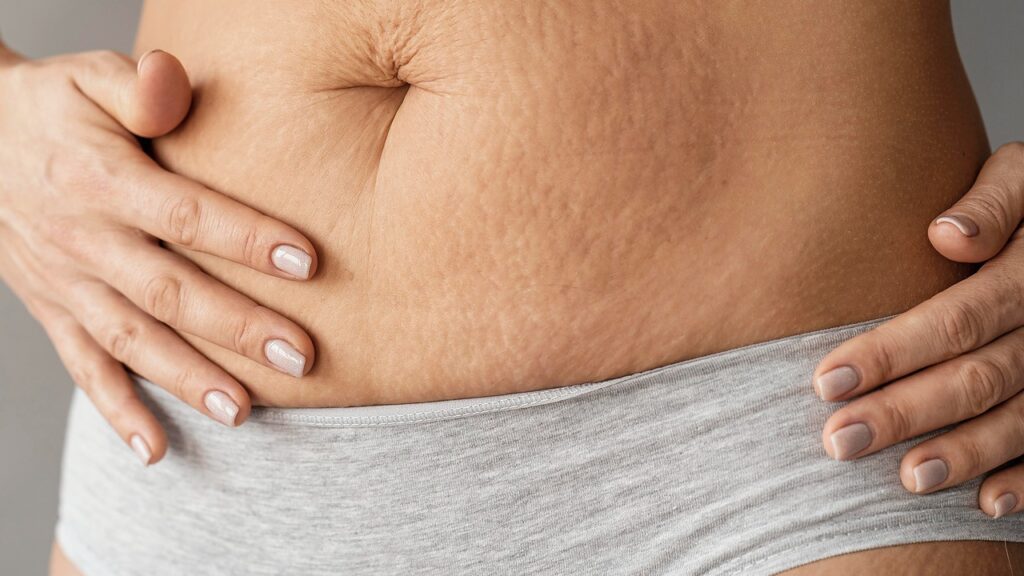
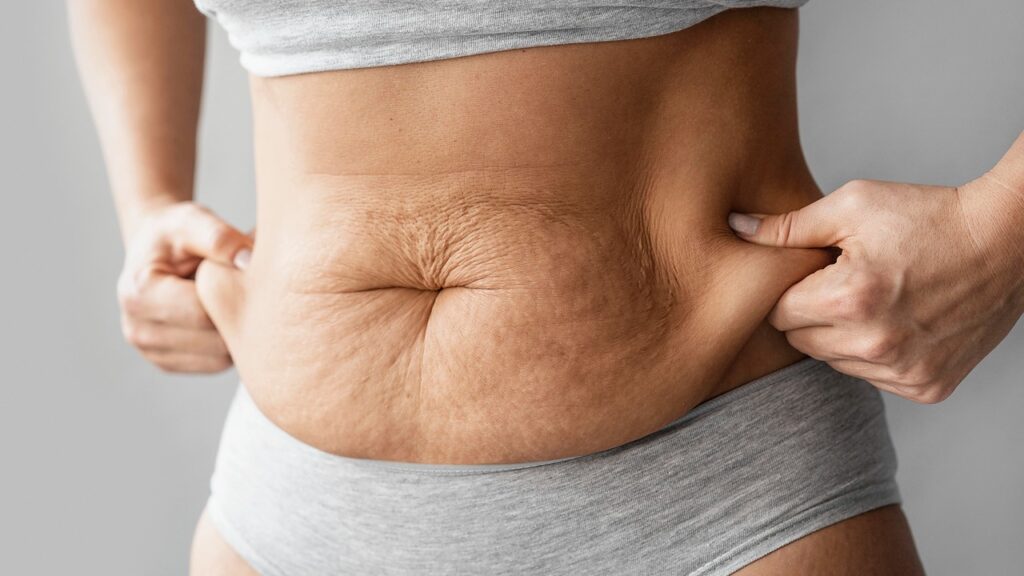
After weight loss surgery, patients often face the challenge of loose skin. This happens because the skin loses its elasticity after losing a lot of weight. Knowing which areas are most affected can help patients prepare and find ways to reduce these effects.
Abdominal Skin Laxity
The abdomen is a common spot for loose skin after weight loss surgery. Abdominal skin laxity is often seen because the skin stretches a lot when someone is obese. We will look at ways to make the skin tighter and less loose in this area.
Upper Arms and Chest Region
Loose skin is also common on the upper arms and chest. The skin can sag, making the area look less toned. Strength training can help build muscle and might make the loose skin less noticeable.
Thighs and Lower Body
The thighs are also prone to loose skin, mainly after losing a lot of weight. This can happen on the inner and outer thighs, and even around the knees. Patients might feel discomfort and chafing because of the extra skin.
Facial and Neck Sagging
Lastly, the face and neck can also have loose skin. Sagging in these areas can be very noticeable and upsetting. Good skin care and non-surgical treatments can help manage these issues.
Common Areas | Characteristics of Loose Skin | Potential Interventions |
Abdomen | Significant sagging, potentially affecting belly button area | Strength training, skin tightening procedures |
Upper Arms | Sagging skin, potentially affecting underarm area | Targeted strength training, compression garments |
Thighs | Loose skin on inner and outer thighs, around knees | Strengthening exercises, possible surgical options |
Face and Neck | Visible sagging, potentially affecting facial contours | Skin care regimens, non-surgical facial rejuvenation |
Health Complications Associated with Excess Skin
After losing a lot of weight, you might have extra skin. This can lead to health problems, like skin issues. Weight loss surgery can change your life, but dealing with loose skin can be tough.
Excess skin can cause irritation, leading to health issues. We will look at these problems and why it’s important to take care of yourself.
Dermatitis and Skin Infections
People with extra skin folds often get dermatitis and skin infections. The warm, moist skin folds are perfect for bacteria and fungi to grow. This leads to infections.
Symptoms of dermatitis include redness, itching, and inflammation. If not treated, these problems can get worse and cause more serious health issues.
Fungal Overgrowth in Skin Folds
Fungal overgrowth is another issue with extra skin. The warm, humid skin folds are at risk for fungal infections.
We suggest keeping clean and using antifungal treatments to stop fungal overgrowth. Early treatment is important to stop fungal infections from getting worse.
Skin Ulcerations and Breakdown
Skin ulcerations and breakdown are serious problems from extra skin. The constant rubbing and moisture in skin folds can cause painful ulcers. These are hard to heal.
Complication | Symptoms | Prevention |
Dermatitis | Redness, itching, inflammation | Keep skin clean and dry, use topical creams |
Fungal Overgrowth | Itching, rash, discomfort | Use antifungal treatments, maintain hygiene |
Skin Ulcerations | Pain, open sores, discharge | Reduce friction, keep area dry, dress wounds properly |
Almost 30 percent of adults with extra skin folds face problems like dermatitis, fungal infections, and skin ulcerations. It’s important for patients to know these risks and take steps to prevent them.
Factors That Influence Skin Elasticity
How well skin bounces back after losing weight varies among people. Knowing what affects this is key to fighting loose skin after surgery.
Age-Related Considerations
Age is a big factor in skin elasticity. As we get older, our skin makes less collagen and elastin. These are key for skin to snap back. Older people often find it harder for their skin to bounce back.
Genetics and Skin Type
Genetics and skin type also matter a lot. If your family has good skin elasticity, you might too. Some skin types naturally have better elasticity. Knowing your genetic background helps set realistic goals.
Duration of Obesity
How long someone was obese affects their skin. The longer, the more skin stretches, leading to less elasticity. This is key for those who lose a lot of weight.
Amount of Weight Lost
How much weight is lost also matters. Losing a lot can lead to loose skin. Slow weight loss can help skin elasticity.
Understanding these factors helps doctors and patients create plans to reduce loose skin. This improves results after weight loss surgery.
Pre-Surgery Preparation to Minimize Loose Skin
Getting ready for surgery is key, but it’s even more important for those getting bariatric procedures. This is because it helps reduce the chance of loose skin. By taking steps before surgery, patients can greatly improve their results and feel better about their weight loss journey.
Understanding how to make skin more elastic is a big part of getting ready. This means building muscle, improving skin health, and knowing what to expect from surgery.
Building Muscle Before Surgery
Having more muscle before surgery can make loose skin less noticeable. More muscle means your skin has something to cling to, which can reduce sagging after losing weight.
To build muscle, focus on strength training. Working with a personal trainer who knows about pre-bariatric prep is a good idea. A good exercise plan can boost muscle and health.
Exercise Type | Benefits | Recommended Frequency |
Strength Training | Builds muscle mass, improves overall health | 3-4 times per week |
Cardio Exercises | Improves cardiovascular health, aids in weight loss | 2-3 times per week |
Improving Skin Health Pre-Operation
Boosting skin health before surgery is also vital. This means staying hydrated, eating well, and avoiding bad habits like smoking.
Nutritional Tips: Eating enough vitamins C and E, zinc, and omega-3s can make your skin more elastic and healthy.
Setting Realistic Expectations
It’s important to have realistic hopes about what surgery can do. While prep can help, it’s not a complete fix. Knowing this can help manage your hopes and make you happier with your results.
Talking to a healthcare provider about what to expect can help. They can explain the chances of loose skin and how to lessen it.
Nutrition Strategies to Prevent Loose Skin
Eating right is key to keeping your skin tight after weight loss surgery. We’ll look at how certain foods can help avoid loose skin.
Optimal Protein Intake
Protein is vital for your skin’s health. It helps build the tissue that keeps your skin firm. Aim for 60 to 100 grams of protein each day to boost skin elasticity. Increasing protein helps repair and strengthen your skin.
Choose foods high in protein like lean meats, fish, eggs, and dairy. Beans, lentils, and tofu are great for those who don’t eat meat.
Hydration for Skin Elasticity
Drinking enough water is essential for skin health. It keeps your skin moist and improves its look. Drink at least 8 cups (64 ounces) of water a day, adjusting as needed.
Water also helps remove toxins and aids in healing. Make sure to drink water all day long.
Vitamins and Minerals for Skin Health
Vitamins and minerals are important for your skin. Vitamin C helps make collagen, and Vitamin E protects your skin. Don’t forget zinc, selenium, and omega-3 fatty acids.
Eat a variety of fruits, veggies, nuts, and seeds to get these nutrients. Talk to a healthcare expert or dietitian for a diet plan that’s right for you.
Exercise Protocols to Reduce Skin Laxity
A good exercise plan can make your skin tighter and look better after weight loss surgery. Mix strength training and cardio for the best results.
Strength Training Fundamentals
Strength training is key to fighting skin laxity. It helps build muscle, which fills out areas where fat is lost. This makes loose skin less noticeable.
Key Principles of Strength Training:
- Focus on compound exercises like squats, lunges, and deadlifts.
- Incorporate progressive overload to challenge muscles.
- Aim for 2-3 strength training sessions per week.
Targeted Exercises for Problem Areas
Some body parts are more likely to have loose skin after losing weight. Special exercises can tone these muscles, making them look better.
Examples of Targeted Exercises:
- For the abdomen: planks, crunches, and leg raises.
- For the arms: bicep curls, tricep dips, and push-ups.
- For the thighs: squats, lunges, and leg press.
Balancing Cardio and Resistance Training
Cardio and resistance training are both important. Cardio burns fat, while resistance training builds muscle.
Exercise Type | Benefits | Examples |
Cardio | Improves cardiovascular health, burns fat | Running, cycling, swimming |
Resistance Training | Builds muscle, improves skin elasticity | Weightlifting, bodyweight exercises |
By mixing both types of exercises, you can get a toned look and avoid loose skin.
Skin Care Regimens After Bariatric Surgery
After bariatric surgery, adopting a special skin care routine is key. It helps improve skin elasticity and health. The skin may feel loose and saggy after losing a lot of weight.
Daily Moisturizing Techniques
Keeping skin hydrated is vital. Daily moisturizing is essential, more so after bariatric surgery. Use a moisturizer with hyaluronic acid, ceramides, or niacinamide to lock in moisture.
Apply moisturizer right after bathing, when skin is damp. This boosts absorption. Choose a gentle, fragrance-free cleanser to preserve natural oils.
Exfoliation and Circulation Improvement
Exfoliation is key in post-bariatric surgery skin care. It removes dead skin cells and boosts circulation. Use a gentle scrub or chemical exfoliant with AHAs or BHAs one to three times a week.
Improving circulation through massage is also helpful. Gently massaging the skin in circular motions can stimulate blood flow. This aids in skin recovery and health.
Sun Protection and Its Importance
Sun protection is vital for healthy skin, post-bariatric surgery. UV rays can damage skin further and make it look looser. Use a broad-spectrum sunscreen with SPF 30 or higher daily, even on cloudy days.
Wear protective clothing like wide-brimmed hats and long-sleeved shirts. Seek shade, too, during peak sun hours.
The Importance of Gradual Weight Loss
Slow weight loss is key to avoiding loose skin after bariatric surgery. It gives the skin time to shrink and fit the new body shape. This way, you’re less likely to have extra skin.
Fast weight loss can lead to loose skin. The skin can’t keep up with quick changes in body size. This is a big concern for those losing a lot of weight.
Recommended Rate of Weight Loss
The safe weight loss rate is 1-2 pounds a week. This pace lets the skin adjust slowly.
Here’s how weight loss speed affects skin:
Rate of Weight Loss | Impact on Skin Elasticity |
Rapid (more than 2 pounds/week) | Increased risk of loose skin |
Gradual (1-2 pounds/week) | Optimal skin adjustment |
Slow (less than 1 pound/week) | May not be sufficient for significant weight loss |
Working with Your Medical Team
It’s vital to work with your healthcare team for healthy weight loss. They can guide you on diet, exercise, and more. These factors affect how your skin adjusts.
With your team’s help, you can create a plan that fits you. This way, you can lose weight safely and avoid loose skin.
Non-Surgical Interventions for Existing Loose Skin
Many people face loose skin after weight loss surgery. Luckily, there are non-surgical ways to help. These methods are less invasive than surgery but can make a big difference.
Compression Garments and Their Benefits
Compression garments are a non-surgical option for loose skin. They apply gentle pressure to improve blood flow and reduce sagging. They are very helpful right after weight loss to lessen the look of loose skin. “A study in the Journal of the American Medical Association found they boost comfort and satisfaction after surgery.”
Massage and Skin Stimulation Techniques
Massage therapy is another non-surgical method for loose skin. It includes manual massage, lymphatic drainage, and radiofrequency treatments. These methods boost collagen, improve skin elasticity, and enhance health. Regular massage also helps with blood flow and lymphatic circulation, reducing loose skin. Studies show massage can slightly improve firmness and circulation, making it a good addition to other treatments.
Topical Treatments and Their Efficacy
Topical treatments, like creams and serums, can also help with loose skin. They contain antioxidants, vitamins, and minerals. It’s important to pick products with scientific backing and fit your skin type. “A study in the Journal of Clinical and Aesthetic Dermatology found retinol and hyaluronic acid improve skin texture and hydration.”
Exploring these non-surgical options can help manage loose skin. This way, people can enhance their look without more surgery.
Conclusion: Creating a Comprehensive Plan to Minimize Excess Skin
Preventing and managing loose skin after bariatric surgery needs a proactive plan. A good plan includes lifestyle changes, nutrition, and medical strategies. This can help reduce excess skin.
Understanding what affects skin elasticity is important. Taking steps to improve skin health before and after surgery helps. This means building muscle, eating right, and taking care of your skin.
Working with a medical team is also key. They help with slow and steady weight loss. Non-surgical methods like compression garments and massage can also help manage loose skin.
Preventing loose skin is essential for the best results after weight loss surgery. A holistic approach that includes these strategies can improve health and reduce excess skin risk.
FAQ
Does everyone get loose skin after weight loss surgery?
Not everyone gets loose skin after weight loss surgery. But, it’s common for many patients. The amount of weight lost, age, genetics, and skin elasticity all play a role.
How can I prevent loose skin after bariatric surgery?
To prevent loose skin, make lifestyle changes and follow nutritional strategies. Building muscle and eating right can help. Also, losing weight slowly is key.
What are the most common areas affected by loose skin after weight loss surgery?
Loose skin often affects the abdomen, arms, thighs, and face. Knowing these areas helps in prevention and treatment.
Can nutrition play a role in preventing loose skin?
Yes, nutrition is key for skin health. Eating enough protein, staying hydrated, and getting vitamins and minerals helps. A balanced diet can reduce the risk of loose skin.
Are there any non-surgical interventions for existing loose skin?
Yes, non-surgical options include compression garments, massage, and topical treatments. These can improve skin without surgery.
How important is gradual weight loss in minimizing loose skin?
Losing weight slowly is very important. Aim for 1-2 pounds a week. This lets the skin adjust and reduces excess skin.
Can exercise help reduce loose skin after weight loss surgery?
Yes, exercise, like strength training, can help. It tones muscles and improves skin appearance. Targeted exercises are best for problem areas.
What are the possible health complications of excess skin?
Excess skin can cause problems like dermatitis, fungal infections, and skin ulcers. Taking care of the skin is important to avoid these issues.
How can I improve skin elasticity before weight loss surgery?
Improve skin elasticity by building muscle, eating well, and keeping skin healthy. Moisturizing, exfoliating, and protecting from the sun also help.
Is skin removal surgery an option after weight loss?
Yes, skin removal surgery is an option for those who have lost a lot of weight. It removes excess skin, improving appearance and health.



 Departments
 Related Videos
 Our Doctors
 News
News