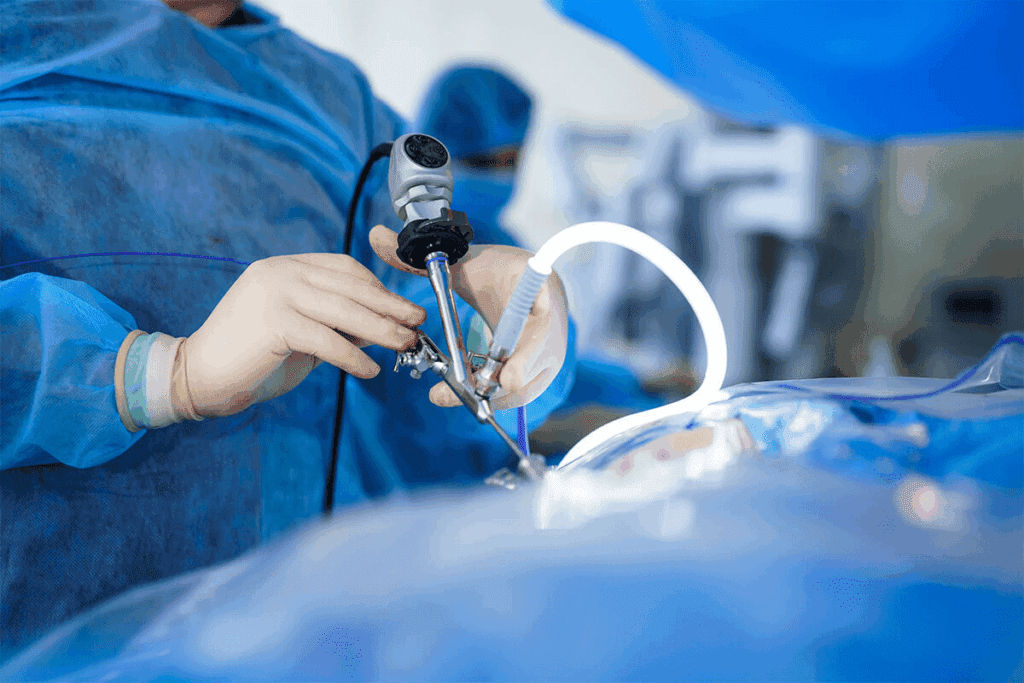
Nearly 50,000 people in the United States are diagnosed with colon cancer each year, with many requiring surgical intervention. Laparoscopic colon surgery has emerged as a preferred treatment option, offering a less invasive alternative to traditional open surgery Procedure for Laparoscopic Colon Surgery.
We recognize the importance of understanding the surgical steps involved in this procedure, as well as the benefits and expectations for recovery. By choosing a laparoscopic approach, patients can experience reduced trauma to the body, resulting in less post-operative pain and a quicker return to normal activities.
Key Takeaways
- Minimally invasive laparoscopic colon surgery reduces bodily trauma.
- Understanding the surgical steps helps patients prepare.
- Faster recovery times compared to traditional open surgery.
- Less post-operative pain for improved patient comfort.
- Personalized care is crucial for optimal outcomes.
Overview of Laparoscopic Colon Surgery

Laparoscopic colon surgery represents a significant advancement in the treatment of colorectal diseases, offering patients a minimally invasive alternative to traditional open surgery. This approach has gained widespread acceptance due to its numerous benefits, including less postoperative pain, quicker recovery, and reduced scarring.
What is Laparoscopic Colon Surgery?
Laparoscopic colon surgery, also known as minimally invasive colon surgery, involves making small incisions in the abdomen through which a laparoscope and surgical instruments are inserted to perform the surgery. This technique allows for the removal of diseased portions of the colon with precision and minimal disruption to surrounding tissues.
- Inserting a laparoscope, which is a thin tube with a camera, to visualize the colon.
- Making additional small incisions for surgical instruments.
- Removing the diseased portion of the colon.
- Reconnecting the remaining healthy portions of the colon, if necessary.
Benefits Over Traditional Surgery
The benefits of laparoscopic colon surgery over traditional open surgery are significant. Some of the key advantages include:
- Less postoperative pain due to smaller incisions.
- Faster recovery times, allowing patients to return to their normal activities sooner.
- Smaller scars, resulting in less noticeable scarring.
- Reduced risk of complications, such as infection and adhesions.
As noted by a leading surgical expert,
“Laparoscopic colon surgery has revolutionized the way we treat colorectal diseases, offering patients a safer and more effective option with fewer complications.”
Typical Conditions Treated
Laparoscopic colon surgery is used to treat a variety of colorectal conditions, including:
Condition | Description |
Colon Cancer | Laparoscopic surgery can be used to remove cancerous portions of the colon. |
Diverticulitis | Inflammation of the diverticula, which are small pouches in the colon wall. |
Polyps | Growths on the inner lining of the colon that can be removed laparoscopically. |
Preparation Before Surgery

The preparation phase before laparoscopic colon surgery is critical for optimizing patient outcomes and comfort. We understand that thorough preparation is key to a successful surgical process.
Preoperative Assessments
Before the surgery, we conduct comprehensive preoperative assessments to evaluate the patient’s overall health and identify any potential risks. These assessments may include:
- Blood tests to check for infections or other conditions
- Imaging tests such as CT scans or MRI to visualize the colon
- Cardiac evaluations to assess heart health, especially for patients with a history of heart conditions
These assessments help us tailor the surgical plan to the patient’s specific needs, ensuring a safer procedure.
Dietary Instructions
Diet plays a crucial role in preparing for laparoscopic colon surgery. We advise patients to follow a specific diet in the days leading up to the surgery:
- A clear liquid diet is often recommended 24 to 48 hours before surgery to minimize residue in the colon.
- Patients are typically instructed to avoid certain foods that are high in fiber or difficult to digest.
- Hydration is also emphasized to ensure the patient is well-hydrated before the surgery.
Following these dietary instructions helps reduce the risk of complications during and after the surgery.
Medication Adjustments
Certain medications can affect the surgery or the patient’s recovery. We review the patient’s current medications and advise on necessary adjustments:
- Blood thinners may need to be paused or adjusted to reduce the risk of bleeding during surgery.
- Patients on diabetes medications may need to adjust their dosage based on their dietary changes and the timing of the surgery.
- We also assess other medications that could interact with anesthesia or affect the patient’s recovery.
By making the necessary medication adjustments, we can minimize risks and ensure a smoother surgical process.
At our institution, we prioritize patient comfort and safety throughout the preparation process. By following our preoperative instructions and guidelines, patients can significantly contribute to the success of their laparoscopic colon surgery.
Anesthesia and Pain Management
Effective anesthesia and pain management are crucial components of laparoscopic colon surgery, ensuring patient comfort throughout the procedure. At our institution, we prioritize patient care by utilizing advanced anesthesia techniques and personalized pain management strategies.
Types of Anesthesia Used
Laparoscopic colon surgery typically involves the use of general anesthesia to ensure that the patient remains comfortable and pain-free during the procedure. General anesthesia induces a state of unconsciousness, allowing our surgical team to perform the operation without causing distress to the patient.
Some key aspects of general anesthesia include:
- Comprehensive Monitoring: Our anesthesiologists closely monitor the patient’s vital signs throughout the surgery.
- Personalized Care: The type and dosage of anesthesia are tailored to the individual patient’s needs and medical history.
- Advanced Techniques: We utilize the latest advancements in anesthesia care to minimize risks and optimize recovery.
Pain Management Options
Effective pain management is a critical aspect of postoperative care. Our team employs a range of strategies to minimize discomfort and promote a smooth recovery.
Some of the pain management options include:
- Multimodal Analgesia: A combination of different pain relief medications to achieve optimal pain control.
- Regional Anesthesia: Techniques such as epidural or local anesthesia to block pain in specific regions.
- Postoperative Pain Protocols: Personalized plans developed in consultation with our anesthesiologists to address the patient’s specific needs.
Monitoring During Surgery
During laparoscopic colon surgery, our team maintains close surveillance over the patient’s vital signs and anesthesia levels. This monitoring is crucial for ensuring the patient’s safety and comfort.
Key aspects of monitoring include:
- Vital Sign Monitoring: Continuous observation of heart rate, blood pressure, and oxygen saturation.
- Anesthesia Depth Monitoring: Ensuring that the patient remains in an appropriate state of anesthesia.
- Robotic-Assisted Surgery: When using advanced systems like the da Vinci® S HD™ Surgical System, our team closely monitors the robotic equipment to ensure precise surgical execution.
Surgical Instruments and Equipment
The precision and safety of laparoscopic colon surgery are significantly enhanced by the use of high-quality surgical instruments and cutting-edge imaging technology. We utilize a range of specialized tools designed to facilitate the procedure while minimizing recovery time for our patients.
Key Tools for Laparoscopic Surgery
Laparoscopic surgery relies on a variety of precision instruments, including trocars, graspers, dissectors, and scissors. These tools are designed to be used through small incisions, reducing tissue damage and promoting faster healing. The use of high-definition cameras and laparoscopes allows for detailed visualization of the surgical site, enabling us to perform complex procedures with accuracy.
- Trocars for safe entry into the abdominal cavity
- Graspers for handling tissues gently and securely
- Dissectors for precise separation of tissues
- Laparoscopic scissors for cutting and dissecting
Role of the Surgical Team
The surgical team plays a critical role in the success of laparoscopic colon surgery. Our team includes experienced surgeons, anesthesiologists, and surgical nurses who work together to ensure the best possible outcomes. Each member of the team is trained to handle the latest surgical instrumentation and technology, ensuring a coordinated and effective approach to patient care.
Use of Imaging Technology
Imaging technology is a cornerstone of laparoscopic surgery, providing visualization techniques that allow for precise dissection and minimal invasion. We employ high-definition laparoscopic systems that offer clear and detailed images, enabling us to navigate complex anatomy with confidence. The integration of advanced imaging technology into our surgical practice enhances our ability to diagnose and treat conditions effectively.
By combining skilled surgeons with state-of-the-art instrumentation and imaging technology, we are able to deliver high-quality care to our patients undergoing laparoscopic colon surgery.
The Surgical Process Explained
As a leading provider of premium healthcare services, we want to walk you through the laparoscopic colon surgery process. Laparoscopic colon surgery is a sophisticated procedure that requires a high level of skill and precision. We understand that being informed about the surgical steps can help alleviate anxiety and prepare you for the journey ahead.
Step-by-Step Procedure
The laparoscopic colon surgery procedure involves several key steps:
- Preparation for surgery, including administering anesthesia to ensure your comfort during the procedure.
- Creating small incisions through which specialized surgical instruments and a laparoscope are inserted.
- Inflating the abdomen with carbon dioxide gas to provide a clear view of the internal organs.
- Using the laparoscope to visualize the colon and surrounding tissues on a high-definition monitor.
- Carefully dissecting and removing the diseased portion of the colon.
- Rejoining the remaining sections of the colon, if necessary.
- Closing the incisions with sutures or staples.
Throughout the procedure, our surgical team is focused on ensuring your safety and the success of the operation.
Duration of the Surgery
The duration of laparoscopic colon surgery can vary depending on several factors, including the complexity of the case and the patient’s overall health. On average, the procedure typically lasts between 2 to 4 hours. Our surgical team is committed to working efficiently while maintaining the highest standards of care.
Expected Outcomes
The expected outcomes of laparoscopic colon surgery include:
- Minimally invasive trauma, resulting in less postoperative pain and discomfort.
- Reduced risk of complications compared to traditional open surgery.
- Shorter hospital stays, typically ranging from a few days.
- Faster recovery times, allowing you to return to your normal activities sooner.
- Improved cosmetic results due to the smaller incisions.
Our team is dedicated to achieving the best possible outcomes for each patient, providing personalized care and support throughout the recovery process.
Recovery After Laparoscopic Surgery
Recovering from laparoscopic colon surgery involves a multifaceted approach, including postoperative care, health monitoring, and understanding the recovery timeline. We are committed to guiding you through this process to ensure a smooth and successful recovery.
Immediate Postoperative Care
Immediately after surgery, we focus on managing pain, monitoring for any signs of complications, and ensuring that you are recovering as expected. Pain management is a priority, and we use a combination of medications and other techniques to keep you comfortable.
Our team will also provide instructions on wound care, dietary adjustments, and activity levels to support your recovery. It’s crucial to follow these instructions carefully to minimize the risk of complications.
Typical Recovery Timeline
The recovery timeline can vary depending on individual factors, but generally, patients can expect to follow a certain trajectory. Most patients can resume normal activities within a few weeks, although full recovery may take longer.
Recovery Stage | Typical Timeline | Key Activities |
Immediate Recovery | 1-2 weeks | Rest, pain management, dietary adjustments |
Gradual Return to Activities | 2-4 weeks | Light exercise, returning to work, resuming normal diet |
Full Recovery | 4-6 weeks | Resuming all normal activities, including strenuous exercise |
Signs of Complications to Watch For
While laparoscopic surgery is generally safe, there are potential complications to be aware of. Signs of complications include severe abdominal pain, fever, vomiting, and signs of infection at the surgical site. If you experience any of these symptoms, it’s crucial to contact your healthcare provider immediately.
By understanding what to expect during recovery and being aware of the signs of potential complications, you can take an active role in your healing process. We are here to support you every step of the way.
Nutritional Guidelines Post-Surgery
Following laparoscopic colon surgery, a carefully managed diet is essential for optimal healing and comfort. We understand that a well-planned nutritional approach can significantly impact your recovery and overall quality of life.
Initial Dietary Restrictions
Immediately after surgery, patients are typically advised to follow a liquid diet or a diet of soft, easily digestible foods. This helps minimize discomfort and reduces the risk of complications.
- Clear liquids such as broth, water, and electrolyte-rich beverages are recommended initially.
- Gradually, patients can move to a full liquid diet, including items like plain yogurt and pureed soups.
Gradually Reintroducing Foods
As the body heals, patients can start reintroducing more solid foods into their diet. It’s crucial to do this gradually to avoid digestive discomfort.
- Start with soft, low-fiber foods such as bananas, applesauce, and cooked vegetables.
- Avoid high-fiber foods, spicy foods, and those that are high in fat, as they can be difficult to digest.
- Monitor your body’s response to new foods and adjust your diet accordingly.
Long-term Nutritional Considerations
After full recovery, maintaining a balanced diet is vital for overall health and to support the health of your colon.
Nutrient | Food Sources | Benefits |
Fiber | Whole grains, fruits, vegetables | Promotes regular bowel movements, supports healthy gut bacteria |
Protein | Lean meats, fish, eggs, legumes | Aids in healing, maintains muscle mass |
Hydration | Water, electrolyte-rich beverages | Essential for digestion, overall bodily functions |
By following these nutritional guidelines, patients can support their recovery and enhance their overall quality of life after laparoscopic colon surgery.
Follow-Up Care and Appointments
After undergoing laparoscopic colon surgery, the journey to full recovery involves more than just the procedure itself; it includes comprehensive follow-up care. We emphasize the importance of these follow-up appointments to ensure that your recovery is progressing as expected and to address any concerns or complications promptly.
The Role of Follow-Up Visits
Follow-up visits play a crucial role in monitoring your health post-surgery. During these visits, we assess the healing process, check for any signs of complications, and address any questions or concerns you may have. For more information on what to expect during your recovery, you can visit this resource on post-surgery care.
What to Expect During Check-Ups
During your follow-up check-ups, you can expect a thorough evaluation of your condition. This may include:
- A review of your overall health and any symptoms you’re experiencing
- Examination of the surgical site to ensure proper healing
- Discussion of your progress and any adjustments to your recovery plan as needed
- Guidance on long-term management strategies to maintain your health
Long-Term Management After Surgery
Long-term management is a critical aspect of your care after laparoscopic colon surgery. We work with you to develop a personalized plan that includes dietary recommendations, lifestyle adjustments, and ongoing health monitoring to support your overall well-being. Our goal is to help you achieve the best possible outcome and improve your quality of life.
By prioritizing follow-up care and adhering to your personalized recovery plan, you can minimize the risk of complications and enjoy a smoother, more effective recovery process.
Risks and Complications
Understanding the risks and complications of laparoscopic colon surgery is vital for patients to make informed decisions about their care. While the procedure is considered safe and effective, being aware of the potential risks helps in managing expectations and recognizing any issues early.
Common Risks of Laparoscopic Surgery
Laparoscopic colon surgery, like other laparoscopic procedures, involves certain risks. These include:
- Infection at the site of the incision or within the abdominal cavity
- Bleeding during or after the surgery
- Damage to surrounding organs or structures
- Adhesions or scar tissue formation
- Port-site metastasis, although this is rare
As one study noted, “The risk of port-site metastasis, while low, is a consideration in the overall risk assessment for laparoscopic colon surgery.”
“The incidence of port-site metastasis after laparoscopic surgery for colorectal cancer is a rare but significant complication.”
Source: Journal of Surgical Oncology
Signs of Severe Complications
It’s crucial for patients to recognize the signs of severe complications that require immediate medical attention. These signs include:
- Severe abdominal pain
- Fever or chills
- Vomiting or inability to keep down fluids
- Redness, swelling, or discharge from the surgical sites
- Difficulty urinating
Patients should be vigilant and contact their healthcare provider immediately if they experience any of these symptoms.
How to Mitigate Risks
Mitigating the risks associated with laparoscopic colon surgery involves a combination of preoperative, intraoperative, and postoperative strategies. These include:
- Thorough preoperative assessment to identify potential risk factors
- Adherence to strict surgical protocols to minimize complications
- Postoperative care that includes monitoring for signs of complications and managing pain effectively
- Follow-up appointments to check on the healing process
By understanding the risks and taking proactive steps, patients can significantly reduce their likelihood of experiencing complications. As we emphasize, “Patient education and awareness are key to managing risks and ensuring a smooth recovery.”
Patient Success Stories
Patient success stories are a testament to the effectiveness of laparoscopic colon surgery, showcasing the positive impact on individuals’ lives. These stories not only highlight the medical benefits but also provide emotional support to prospective patients.
Real-Life Testimonials
Many patients who have undergone laparoscopic colon surgery have shared their experiences, providing valuable insights into the process and outcomes. For instance, a patient might say, “I was back on my feet within a week, which was a miracle considering my condition.” Such testimonials underscore the potential for a speedy recovery and return to normal activities.
“The care I received was exceptional. From the initial consultation to the follow-up care, the team was supportive and professional.”
A satisfied patient
Impact on Quality of Life
Laparoscopic colon surgery has significantly improved the quality of life for many patients. By minimizing the invasiveness of the procedure, patients experience less pain and quicker recovery times. This allows them to return to their daily activities and enjoy a better overall quality of life.
We have observed that patients who undergo this surgery often report:
- Reduced postoperative pain
- Shorter hospital stays
- Faster return to normal activities
- Improved cosmetic outcomes due to smaller incisions
Long-Term Outcomes
The long-term outcomes of laparoscopic colon surgery are also noteworthy. Studies have shown that this procedure can lead to fewer complications and a lower risk of certain conditions compared to traditional open surgery.
Outcome | Laparoscopic Surgery | Traditional Open Surgery |
Recovery Time | Typically 2-4 weeks | Often 6-8 weeks or more |
Pain Level | Generally less due to smaller incisions | Can be significant due to larger incision |
Complication Rate | Lower risk of complications | Higher risk due to more invasive nature |
By sharing these success stories and outcomes, we aim to provide prospective patients with a comprehensive understanding of what to expect from laparoscopic colon surgery, thereby offering them emotional support and reassurance throughout their journey.
Frequently Asked Questions
As we conclude our discussion on laparoscopic colon surgery, we address some of the most common questions patients have about this procedure. Understanding the facts and dispelling myths is crucial for informed decision-making.
Addressing Common Concerns
Patients often have concerns about the safety and efficacy of laparoscopic colon surgery. We have compiled answers to frequently asked questions (FAQs) to alleviate these concerns. Our goal is to provide you with the information you need to feel confident in your treatment choices.
Separating Myths from Facts
Laparoscopic colon surgery is often misunderstood. We clarify common myths and provide facts to help you understand what to expect from the procedure. By doing so, we empower you to make informed decisions about your care.
Support Resources for Patients
We understand that undergoing surgery can be challenging. That’s why we offer various support resources to help you navigate your journey. From preoperative preparation to postoperative care, we are committed to delivering exceptional care and support.
By providing accurate information and support, we enable you to make informed decisions about your treatment. If you have further questions or concerns, please don’t hesitate to reach out to our team.
FAQ
What is laparoscopic colon surgery?
Laparoscopic colon surgery is a minimally invasive surgical procedure used to treat various colon conditions, such as colon cancer, diverticulitis, and polyps. It involves making small incisions in the abdomen to insert a laparoscope and surgical instruments.
What are the benefits of laparoscopic colon surgery over traditional open surgery?
The benefits of laparoscopic colon surgery include smaller incisions, less postoperative pain, shorter hospital stays, quicker recovery times, and reduced risk of complications.
What kind of anesthesia is used during laparoscopic colon surgery?
General anesthesia is typically used during laparoscopic colon surgery to ensure patient comfort and safety.
How long does laparoscopic colon surgery typically take?
The duration of laparoscopic colon surgery can vary depending on the complexity of the procedure, but it typically takes between 2 to 4 hours.
What are the potential risks and complications of laparoscopic colon surgery?
Potential risks and complications of laparoscopic colon surgery include bleeding, infection, adhesions, bowel injury, and conversion to open surgery.
What is the typical recovery timeline after laparoscopic colon surgery?
The typical recovery timeline after laparoscopic colon surgery is around 2-6 weeks, during which patients may experience some discomfort, fatigue, and changes in bowel habits.
What dietary restrictions should I follow after laparoscopic colon surgery?
Patients are typically advised to follow a liquid diet initially, gradually introducing solid foods as tolerated, and avoiding heavy or spicy foods for a few weeks.
How important is follow-up care after laparoscopic colon surgery?
Follow-up care is crucial after laparoscopic colon surgery to monitor recovery, detect potential complications, and ensure optimal long-term outcomes.
Can I resume normal activities after laparoscopic colon surgery?
Patients can typically resume normal activities, such as work and exercise, within 2-6 weeks after laparoscopic colon surgery, depending on individual recovery progress.
How will I manage pain after laparoscopic colon surgery?
Pain management options, such as medication and alternative therapies, will be discussed with your healthcare provider to ensure effective pain control.
Are there any long-term nutritional considerations after laparoscopic colon surgery?
Patients may need to make long-term dietary adjustments to maintain optimal nutrition and bowel health, which will be discussed with a healthcare provider or registered dietitian.
What are the signs of potential complications after laparoscopic colon surgery?
Signs of potential complications, such as severe abdominal pain, fever, or bleeding, should be reported to a healthcare provider immediately.
References
JAMA Network. Evidence-Based Medical Insight. Retrieved from https://jamanetwork.com/journals/jamasurgery/fullarticle/600774