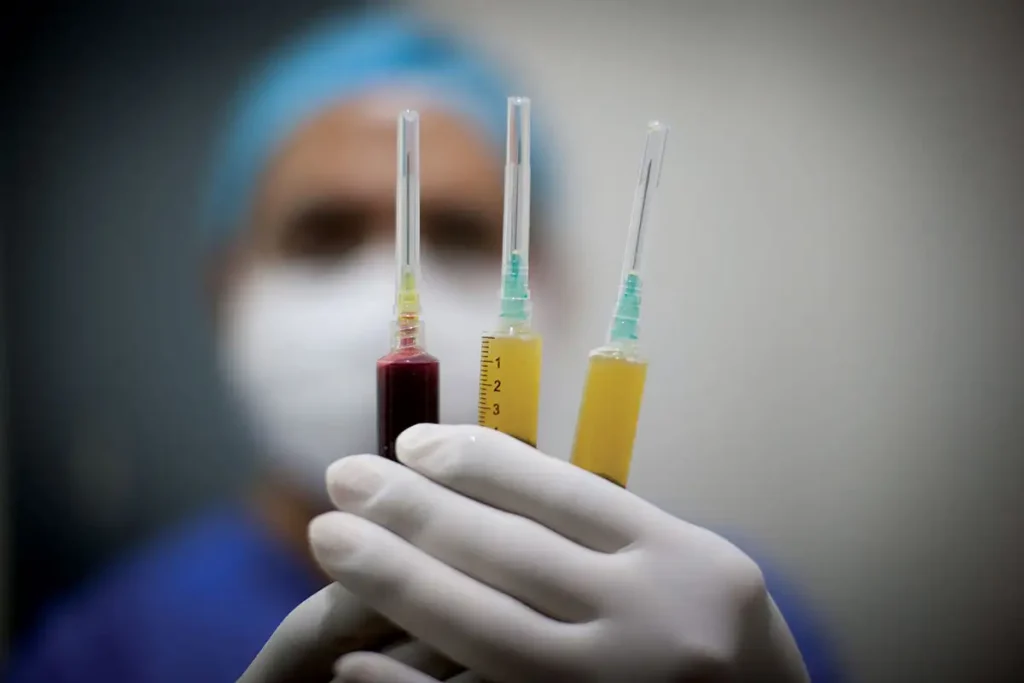
For most blood cancers, like leukemia, lymphoma, and multiple myeloma, a hematopoietic stem cell transplant (HSCT) is needed. This is also known as a bone marrow transplant and is considered a vital form of stem cell therapy.
This treatment replaces damaged or diseased stem cells with healthy ones, helping the bone marrow produce normal blood cells. HSCT is a lifeline for many patients, giving them a second chance when other treatments fail.
Hospitals such as livhospital.com play a key role in setting global standards for blood cancer care. They continue advancing stem cell therapy by offering the latest treatments and improving patient outcomes.
Key Takeaways
- Hematopoietic stem cell transplant (HSCT) is the primary transplant required for most blood cancers.
- HSCT is used to treat leukemia, lymphoma, and multiple myeloma.
- This treatment involves replacing damaged stem cells with healthy ones.
- Hospitals like livhospital.com are leading the way in blood cancer care.
- HSCT has improved patient outcomes and delivered hope for many patients.
Understanding Blood Cancers and Their Impact
Blood cancers are a group of diseases that harm the blood, bone marrow, and lymphatic system. They mess up the normal making of blood cells, causing health problems.
Types of Blood Cancers: Leukemia, Lymphoma, and Multiple Myeloma
Types of Blood Cancers: Leukemia, Lymphoma, and Multiple Myeloma
There are many blood cancers, but leukemia, lymphoma, and multiple myeloma are the most common. Leukemia affects the blood and bone marrow, causing an overproduction of abnormal white blood cells. Lymphoma hits the lymphatic system, weakening the immune system. Multiple myeloma makes the bone marrow fill with bad plasma cells.
Leukemia is a big reason for hematopoietic stem cell transplants (HSCTs), making up 35.6% of global HSCTs. It’s the top reason worldwide. These cancers affect different people in different ways, depending on age and other factors.
How Blood Cancers Affect Bone Marrow Function
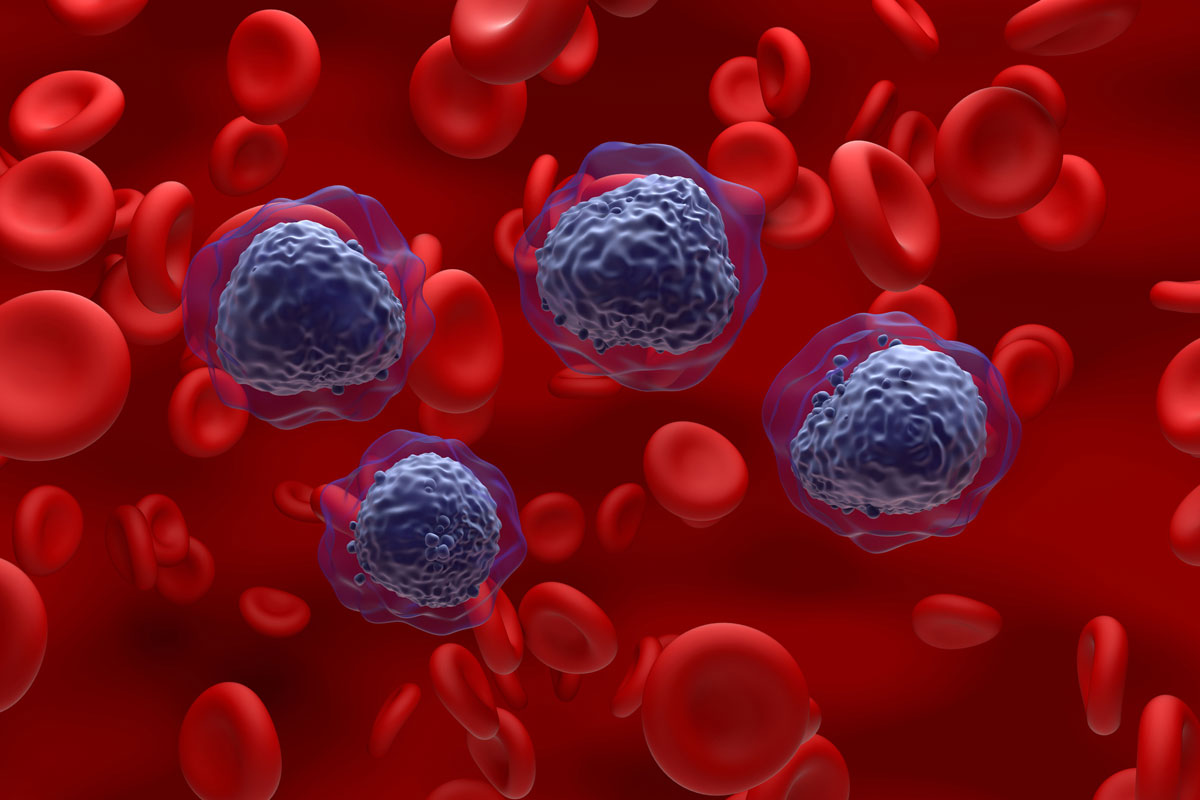
Blood cancers mess with the bone marrow’s job of making healthy blood cells. In leukemia, the bone marrow makes too many bad white blood cells. This pushes out the normal blood cells.
Multiple myeloma also messes with plasma cell function, making too many bad plasma cells. This can lead to anemia, infections, and bleeding problems. Knowing how blood cancers affect the bone marrow helps doctors find better treatments, like hematopoietic stem cell transplants.
The Role of Hematopoietic Stem Cell Transplants in Treatment
For those with blood cancers, hematopoietic stem cell transplants can be a lifesaver. This treatment replaces damaged bone marrow with healthy stem cells. It’s a key procedure for many patients.
Hematopoietic stem cells are vital for making blood cells. They can turn into different types of blood cells. Hematopoietic stem cells are found in bone marrow and help fight infections and heal.
What Are Hematopoietic Stem Cells?
Hematopoietic stem cells are the foundation for all blood cells. They keep the body’s blood cell count and immune system strong. By transplanting these cells, the bone marrow can be repopulated, restoring blood cell production.
Why Transplantation Is Necessary for Blood Cancers
Blood cancers harm the bone marrow, reducing healthy blood cells. A stem cell transplant is needed to replace the damaged marrow with healthy cells. This allows for normal blood cell production. It’s often used after intense chemotherapy or radiation.
There are two main transplant types: autologous and allogeneic. Autologous uses the patient’s own stem cells, while allogeneic uses a donor’s. The choice depends on the cancer type, stage, and the patient’s health.
Understanding hematopoietic stem cell transplants is key for treating blood cancers. They offer a chance for a cure by replacing damaged marrow with healthy cells.
Types of Stem Cell Therapy for Blood Cancer Patients
Stem cell therapy is a big help for blood cancer patients. It has different transplant types. This therapy replaces bad stem cells with good ones.
There are two main types of HSCT: autologous (using the patient’s own cells) and allogeneic (using donor cells). Knowing the difference is key to picking the right treatment.
Comparing Treatment Approaches
Autologous transplants use the patient’s own stem cells. These cells are saved and put back after treatment. It’s often used for patients with multiple myeloma and some lymphomas.
Allogeneic transplants use donor stem cells. It’s best for patients with leukemia or aggressive blood cancers. The donor can be a relative or someone else, chosen by HLA typing.
“Choosing between autologous and allogeneic transplants depends on many things,” says, a top hematologist. “These include the disease type, stage, patient health, and donor availability.”
Determining the Right Transplant Type for Different Blood Cancers
The transplant type depends on the blood cancer’s specifics. For example, multiple myeloma patients often get autologous transplants. But those with acute leukemia might need allogeneic transplants.
- Leukemia: Allogeneic transplants are often preferred due to the graft-versus-leukemia effect.
- Lymphoma: Both autologous and allogeneic transplants can be considered, depending on the disease’s aggressiveness and the patient’s condition.
- Multiple Myeloma: Autologous transplants are commonly used, often in conjunction with other treatments.
The choice of stem cell therapy is made for each patient. It considers their specific needs and medical history.
Autologous Transplants: Using Your Own Stem Cells
Autologous transplants use a patient’s own stem cells to treat blood cancers. This method collects stem cells, stores them, and then puts them back after cancer treatment. This helps replace damaged cells with healthy ones.
The Collection and Storage Process
Stem cells are collected through apheresis, a blood draw that separates stem cells. These cells are then frozen to keep them alive until needed. This way, the patient’s stem cells are ready to repopulate the bone marrow after treatment.
“The ability to store a patient’s own stem cells for later use has revolutionized the field of hematopoietic stem cell transplantation,” experts say. This method keeps the patient’s stem cells safe for later use, helping the bone marrow recover after treatment.
Ideal Candidates for Autologous Transplants
Autologous transplants work best for patients with lymphomas and multiple myeloma. They are best for those who respond well to chemotherapy and have enough healthy stem cells to collect.
Choosing an autologous transplant depends on the cancer type, stage, and the patient’s health. Patients with relapsed or refractory disease may also be considered for autologous transplants as part of a salvage therapy regimen.
Success Rates in Multiple Myeloma and Lymphoma
Autologous stem cell transplantation improves outcomes in multiple myeloma and some lymphomas. For multiple myeloma, it has a nearly 79% three-year survival rate. This shows how effective this treatment can be.
The success of autologous transplants in these patients highlights their importance in treating blood cancers. Using a patient’s own stem cells offers a hopeful treatment option. It can lead to better survival rates and quality of life.

Allogeneic Transplants: Using Donor Cells
Allogeneic transplants can save lives for some blood cancer patients. They use stem cells from a donor. This can help kill cancer cells.
Finding the Right Donor Match
Finding a compatible donor is key to allogeneic transplant success. Human Leukocyte Antigen (HLA) typing helps match donors and recipients. Siblings have a better chance of being a match because they share more genes.
“The best donor is usually a sibling with a matched HLA type,” experts say. This lowers the risk of graft-versus-host disease (GVHD), a big transplant risk.
Related vs. Unrelated Donors
Related donors, like siblings, are often the first choice. They have a better chance of being a good match. But, unrelated donors can also work well. Thanks to better HLA typing, their success rates have improved.
The National Marrow Donor Program (NMDP) and other registries help find unrelated donors. This makes it easier for many patients to find a donor.
- Related donors: Typically siblings or parents, with a better HLA match.
- Unrelated donors: Found through registries like the NMDP, with better HLA typing improving outcomes.
When Allogeneic Transplants Are Recommended for Leukemia
Allogeneic transplants are often suggested for certain leukemia types. This includes high-risk disease or relapsed cases. The choice depends on the patient’s health, leukemia type, and donor availability.
“For patients with high-risk or relapsed leukemia, allogeneic transplant can offer a chance for cure,” according to recent clinical guidelines.
Patients getting mismatched related or unrelated donor transplants have an 84% 1-year survival rate. This shows how effective these treatments can be.
The Transplantation Process: From Preparation to Procedure
The journey to a stem cell transplant has many stages, from getting ready to the actual transplant. It’s a complex process that needs careful planning and a team of healthcare experts.
Pre-Transplant Evaluation and Testing
Before a stem cell transplant, patients go through a detailed check-up. This includes blood work, imaging studies, and cardiac evaluations to find any risks or complications.
This check-up is key to finding the right treatment for each patient. It helps doctors tailor the conditioning regimen and post-transplant care to meet individual needs.
Conditioning Regimens: Preparing Your Body
Conditioning regimens are vital in preparing the body for stem cell infusion. They use chemotherapy and/or radiation to kill cancer cells and weaken the immune system.
More than 50% of hematopoietic stem cell transplants (HSCTs) happen in hospitals. This shows the need for a skilled and experienced healthcare team.
The Stem Cell Infusion Procedure
The stem cell infusion process is simple, like a blood transfusion. The stem cells are given through a central line, moving to the bone marrow to make new blood cells.
This process is usually easy for patients, with few side effects. But they are closely watched to ensure a smooth recovery and to quickly handle any issues.
Hospital Care and Medical Expertise in Transplantation
When it comes to blood cancer treatment, the role of hospital care and medical expertise is huge. The transplant process is complex and needs a lot of care and precision.
The success of a transplant depends a lot on the hospital’s quality of care. This includes the medical team, support staff, and the facilities they have.
Specialized Facilities Required for Transplants
Transplants need specialized facilities to handle the procedure’s details and care after. These places must be designed to lower infection risks and give patients the care they need.
Institutions like livhospital.com focus on top-notch transplant services. They have the right setup and know-how to care for patients getting stem cell transplants.
The Multidisciplinary Team Involved in Transplant Care
A multidisciplinary team is key for transplant success. This team includes hematologists, oncologists, nurses, and more. They work together to give patients full care.
The team’s skills go beyond the transplant itself. They handle pre-transplant checks, conditioning, and care after. This approach helps patients get the best results.
By mixing medical expertise with top hospital care, places can boost blood cancer patients’ transplant success rates.
Recovery and Aftercare Following Blood Cancer Transplants
Recovering from a blood cancer transplant needs a detailed plan. This includes immediate care, managing complications, and ongoing support. The plan is made just for you, based on your transplant type.
Immediate Post-Transplant Care and Monitoring
Right after the transplant, patients stay in the hospital. They watch for signs of the transplant working and any problems. “The first days after transplant are very risky,” says, a top hematologist.
During this time, care includes:
- Watching blood counts and health
- Handling pain and discomfort
- Using medicines to stop infection and GVHD
Managing Side Effects and Complications
Patients might face many side effects, from tiredness and nausea to serious issues like GVHD. It’s key to manage these side effects well for a good recovery.
Common side effects include:
- Fatigue and weakness
- Nausea and loss of appetite
- Higher risk of infections
Long-Term Follow-Up and Life After Transplant
Long-term care is vital for checking on the patient’s health and dealing with transplant effects later. This includes regular visits, blood tests, and sometimes more treatments.
“Long-term survival and quality of life after a blood cancer transplant are significantly influenced by the quality of follow-up care,” notes a specialist Doctor, stressing the need for good aftercare.
Knowing the recovery process and following aftercare advice can help patients get the best results. This improves their life after the transplant.
Survival Rates and Outcomes of Stem Cell Transplants
Knowing the survival rates and outcomes of stem cell transplants is key for patients. These transplants are a main treatment for blood cancers like leukemia, lymphoma, and multiple myeloma.
Success Statistics by Cancer Type and Transplant Method
Success rates for stem cell transplants change based on the cancer type and transplant method. For example, autologous transplants, which use the patient’s own stem cells, work well for multiple myeloma and some lymphomas. On the other hand, allogeneic transplants, which use donor cells, are best for leukemia or when other treatments fail.
Studies show autologous stem cell transplants can lead to a complete response in up to 40% of multiple myeloma patients. For lymphoma, the five-year survival rate after transplant is 50% to 70%. This depends on the lymphoma type and disease stage at transplant.
Factors That Influence Transplant Success
Many things affect how well a stem cell transplant works. These include the patient’s age, health, and cancer stage. Also, how well the donor and recipient match in allogeneic transplants is very important. Better HLA typing and conditioning regimens have helped improve survival rates.
Choosing between autologous and allogeneic transplants is also key. Autologous transplants lower the risk of GVHD. But allogeneic transplants can fight cancer better, which might lower relapse risk.
As research keeps improving, understanding these factors is vital. It helps make treatment plans better and improves patient results.
Conclusion: Advances in Blood Cancer Transplantation
Recent breakthroughs in blood cancer transplantation have greatly improved treatment results. Stem cell therapy is now a key part of treating leukemia, lymphoma, and multiple myeloma. It offers new hope to patients who were once thought to have no cure.
Now, doctors have more options thanks to autologous and allogeneic transplants. This allows them to choose the best treatment for each patient. As stem cell therapy gets better, we can look forward to even more positive outcomes in blood cancer treatment.
Knowing how hematopoietic stem cell transplants work helps both patients and doctors. It helps them choose the best treatment plans. With ongoing improvements in stem cell therapy, the future of blood cancer treatment is very promising.
FAQ’s:
What is a hematopoietic stem cell transplant (HSCT)?
A hematopoietic stem cell transplant (HSCT) is also known as a bone marrow transplant. It replaces bad bone marrow with healthy stem cells. This treatment is often used for blood cancers like leukemia and lymphoma.
What are the main types of HSCT?
There are two main types of HSCT. Autologous uses the patient’s own cells, and allogeneic uses donor cells. The choice depends on the patient’s condition and the type of blood cancer.
How is a donor match found for allogeneic transplants?
Finding a donor match for allogeneic transplants involves searching for a compatible donor. This can be a family member or someone from a national or international registry. The process tests family members and searches registries to find a match.
What is the success rate of autologous HSCT for multiple myeloma?
Autologous HSCT for multiple myeloma has a three-year survival rate of about 79%. Success rates can vary based on the patient’s health and the disease stage at transplant.
What are the benefits of using a specialized hospital for HSCT?
Specialized hospitals for HSCT, like livhospital.com, offer advanced care and ICU-level aftercare. This leads to better patient outcomes. Over 50% of HSCTs are done in these centers because of their services.
What can patients expect during the recovery process after HSCT?
After HSCT, patients get immediate care and monitoring. This includes managing side effects and complications. Long-term follow-up is also key to ensuring the patient’s health and catching any issues early.
How do survival rates vary by cancer type and transplant method?
Survival rates after stem cell transplants vary by cancer type and transplant method. For example, the one-year survival rate for mismatched related/unrelated donor transplants can be 84%. These statistics help patients understand their prognosis.
What factors influence the success of a stem cell transplant?
Several factors affect the success of a stem cell transplant. These include the type of blood cancer, the patient’s health, the disease stage, and the transplant type. Knowing these factors helps in making informed treatment decisions.
Reference
- National Cancer Institute. (2023). Stem cell transplant for blood cancers. Retrieved from https://www.cancer.gov/about-cancer/treatment/types/stem-cell-transplant