
Vitrectomy is a complex surgery for eye problems like retinal detachment and diabetic retinopathy. It’s important to take good care of your eye after surgery to heal well. Using an eye patch correctly is key to your recovery and how well you see again.
Guidance on whether can i wear an eye patch after vitrectomy is necessary and for how long. Use an eye patch after vitrectomy correctly.
At Liv Hospital, we offer top-notch eye care. We use the latest methods and our team’s experience to help you recover. If you notice your eye getting red, losing vision, or feeling pain, talk to your doctor right away.
Key Takeaways
- Proper eye patch usage is critical after vitrectomy surgery for protecting your eye.
- Monitor your symptoms and seek medical advice if you experience concerning signs like increased redness or vision loss.
- Liv Hospital provides comprehensive care and guidance throughout your vitrectomy recovery.
- Understanding post-operative care instructions is vital for a smooth recovery.
- Correct post-operative care directly influences your visual outcomes and healing timeline.
Understanding Vitrectomy Surgery and Its Purpose
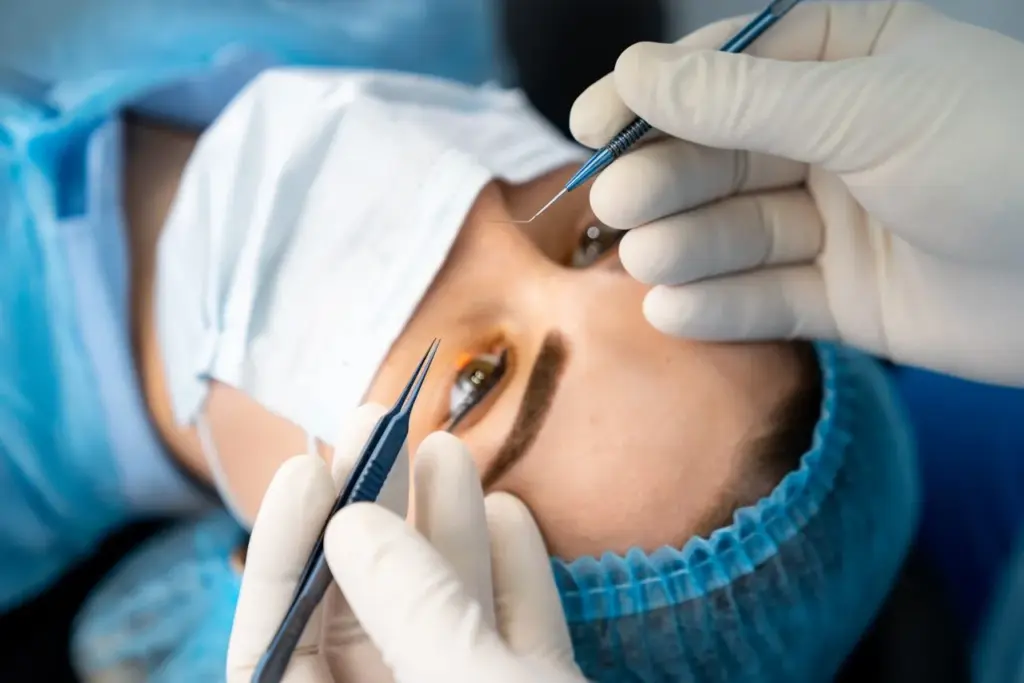
Vitrectomy surgery is key for those with serious eye issues like retinal detachment and diabetic retinopathy. It’s a cutting-edge treatment that has changed how we handle eye problems.
Common Retinal Conditions Requiring Vitrectomy
Vitrectomy surgery helps with many eye issues. These include retinal detachment, diabetic retinopathy, and more. The Retina Specialty Institute says it’s used for several conditions.
Retinal detachment is a serious issue where the retina pulls away from the eye. This can cause vision loss if not treated quickly. Diabetic retinopathy damages the retina’s blood vessels, leading to vision problems.
| Condition | Description | Treatment Outcome |
|---|---|---|
| Retinal Detachment | Separation of the retina from the eye’s back | Prevents vision loss, restores vision |
| Diabetic Retinopathy | Damage to retinal blood vessels due to diabetes | Slows disease progression, preserves vision |
| Macular Hole | A small break in the macula, causing distorted vision | Closes the hole, improves vision |
The Surgical Process Explained
The surgery removes the vitreous gel from the eye. It’s then replaced with gas or oil to keep the retina in place. This lets surgeons directly treat the retina.
Small incisions are made in the eye for the surgery. Special tools are used to remove the gel and fix the retina.
“Vitrectomy surgery has become a cornerstone in the treatment of complex retinal diseases, giving patients a high success rate in vision restoration.”
— Retina Specialty Institute
Different Types of Vitrectomy Procedures
There are many types of vitrectomy procedures. Here are a few:
- Pars plana vitrectomy (PPV), the most common, accesses the vitreous through the pars plana.
- Minimally invasive vitrectomy surgery uses smaller incisions and special tools for less invasive treatment.
- Vitrectomy with membrane peeling removes scar tissue from the retina’s surface.
Each procedure is chosen based on the condition and the patient’s needs.
Why Eye Protection Is Critical After Vitrectomy

Vitrectomy surgery needs careful care after, with eye protection being key. Your eye might swell after surgery. We’ll give you eye drops to help with this swelling, as doctors at Leicester’s Hospitals suggest.
Effects of Local Anesthesia on Blinking
Local anesthesia can mess with blinking during vitrectomy. This might cause dryness and discomfort. Eye protection helps to lessen these issues, keeping your eye moist and comfy while you heal.
Preventing Infection and Injury
An eye patch is vital after vitrectomy to stop infection and injury. The eye patch acts as a shield, protecting your eye from dirt and accidental hits that could harm healing.
Promoting Proper Healing
Eye protection is key for healing after vitrectomy. It keeps your eye safe from irritation and infection. This helps the retina heal right, lowering the chance of problems. Following your doctor’s advice on eye patch use is vital for a smooth recovery.
Understanding the need for eye protection after vitrectomy helps patients aid in their recovery. It reduces the chance of complications and aims for the best healing outcome.
Can I Wear an Eye Patch After Vitrectomy? Essential Guidelines
After vitrectomy surgery, many patients ask if they need to wear an eye patch. The answer depends on several factors. These include the surgeon’s advice and the details of the surgery.
We will help you understand when to wear an eye patch after vitrectomy. This will ensure you support your recovery properly.
Doctor’s Recommendations for Eye Patch Usage
Your doctor’s advice on wearing an eye patch is very important. Some doctors suggest using an eye shield or patch to protect the eye during healing. For example, Leicester’s Hospitals advise wearing the eye shield in bed for 14 nights and securing it with surgical tape.
The choice to wear an eye patch depends on your surgery type and condition. Always follow your doctor’s advice on using an eye patch for proper healing.
Duration of Eye Patch Wear
The time you need to wear an eye patch varies. It depends on your surgeon’s instructions and your surgery details. Usually, you wear it for a couple of weeks, mainly at night, to avoid rubbing or bumping the eye.
Following the recommended wear time is key. It helps prevent complications and aids in healing.
Types of Eye Patches for Post-Surgical Care
There are various eye patches and shields for post-surgery care. Some are for nighttime use, while others are for day use. The materials and designs differ, with some being more comfortable for long-term wear.
Your healthcare provider can suggest the best eye patch for you. It’s also important to keep the eye patch clean and follow any maintenance instructions.
Understanding the guidelines for wearing an eye patch after vitrectomy helps you actively support your recovery. This can also help avoid complications.
Step-by-Step Guide to Properly Wearing Your Eye Patch
Wearing an eye patch after vitrectomy surgery is key to recovery. It needs careful steps to prepare, place, and secure the patch. We’ll show you how to do it right.
Preparing Your Eye Area
Before putting on the eye patch, clean your eye area well. Always wash your hands thoroughly with soap and water. This helps prevent infection.
Use a damp cloth to clean around your eye. Remove any dirt or debris. If you have eye drops, use them as your doctor says. Remember, “Always wash your hands before putting in the eye drops.”
Correct Placement Techniques
To place the eye patch right, hold it over your eye gently. Make sure it’s centered and covers your eye fully. If it has an adhesive strip, remove the cover and apply it from the center outwards.
Be careful not to twist or bunch the strip. This can cause discomfort or skin irritation.
Securing the Patch Comfortably
Adjust the patch to fit comfortably once it’s on. You might need to trim the adhesive strip. Make sure it’s snug but not too tight.
Check that you can blink and move your eye easily under the patch. Following these steps helps you wear your eye patch correctly and comfortably. This supports a smooth recovery after vitrectomy surgery.
Managing Daily Activities While Wearing an Eye Patch
Wearing an eye patch doesn’t stop you from doing daily things. But, you need to take some steps to stay safe. After eye surgery, you’ll need to make some changes to help your recovery.
Adapting to Depth Perception Changes
Wearing an eye patch changes how you see depth. Depth perception lets you judge how far away things are. With one eye covered, judging distances can be harder.
Here are some tips to help:
- Move slowly and carefully, like on stairs or uneven floors.
- Use handrails when you can.
- Stay away from activities that need you to judge distances well, like sports or cooking.
Safety Precautions Around the Home
Home safety is key with an eye patch. Simple tasks can be risky because of how you see depth. Here’s what to do:
- Make sure your floors are clear of clutter.
- Secure rugs or mats that could slip.
- Make sure hallways and stairs are well-lit.
Also, be careful when cooking or watching TV. Pay attention to what’s around you to avoid accidents.
Hygiene and Eye Patch Maintenance
Keeping clean is important with an eye patch to avoid infections. Here’s how:
- Wash your hands before touching your eye patch or the area around your eye.
- Clean the eye patch as the maker says.
- Change the eye patch when your doctor tells you to.
Follow your doctor’s advice on how long to wear the eye patch. They’ll also give you special care tips.
By following these tips, you can safely do your daily activities with an eye patch after surgery. Always talk to your doctor for advice that’s just for you.
Special Considerations for Gas Bubble Procedures
Vitrectomy with gas bubble tamponade is used to treat serious eye conditions. It helps the retina heal. But, it requires specific post-operative instructions for proper recovery.
Understanding the Purpose of Gas Bubbles
Gas bubbles in vitrectomy surgery help reattach the retina. They prevent further detachment. The gas bubble acts as a temporary splint for the retina to heal.
Required Head Positioning Techniques
After surgery, patients must keep their head in a certain position. Proper head positioning is key for surgery success. They need to follow their surgeon’s instructions closely.
The head position depends on the retinal detachment’s location and the surgeon’s preference. Patients should keep this position for most of their waking hours.
Timeline for Gas Bubble Dissolution
The time it takes for a gas bubble to dissolve varies. It depends on the gas used, like sulfur hexafluoride (SF6) or perfluoropropane (C3F8). The gas bubble usually dissolves in a few weeks, but it can take longer.
| Type of Gas | Approximate Duration |
|---|---|
| Sulfur Hexafluoride (SF6) | 2-4 weeks |
| Perfluoropropane (C3F8) | 6-8 weeks |
| Air | 1-2 weeks |
Following the surgeon’s post-operative care instructions is vital. Leicester’s Hospitals warn against flying with a gas bubble in the eye. This shows the importance of following guidelines.
Knowing the role of gas bubbles in vitrectomy is key. Following post-operative instructions helps in recovery. By keeping to the recommended head positioning and understanding gas bubble dissolution, patients can heal better.
Sleeping Positions After Retinal Detachment Surgery
Getting the right sleep after retinal detachment surgery is key to healing. Changing your sleep habits might be tough, but it’s important. It helps reduce pain and aids in recovery.
Recommended Sleeping Arrangements
After surgery, you need to sleep in a way that helps your eye heal. Leicester’s Hospitals say to wear an eye shield for 14 nights. You can use surgical tape to keep it in place.
“Wear the eye shield in bed for the next 14 nights. Use surgical tape to hold it in place.” – Leicester’s Hospitals
It’s best to avoid sleeping on your side, near the operated eye. This can put too much pressure on it. Sleeping on your back is safer.
Using Pillows and Supports Effectively
Pillows and supports can make sleeping more comfortable. An extra pillow or a wedge pillow can support your back. This helps you stay comfortable all night.
- Use a supportive pillow under your knees to reduce strain on your back.
- Consider a contoured pillow that cradles your head and neck.
- Avoid using too many pillows, as this can lead to neck strain.
If you’re used to sleeping on your side, a body pillow can help. It keeps you from rolling onto your operated eye.
Nighttime Eye Protection Strategies
Keeping your eye safe at night is very important after surgery. Wearing an eye shield is a must. Also, make sure your sleep area is safe to avoid injuries.
| Nighttime Protection Strategies | Benefits |
|---|---|
| Wearing an eye shield | Prevents accidental rubbing or bumping |
| Using surgical tape to secure the shield | Ensures the shield stays in place |
| Avoiding sleeping on the operated side | Reduces pressure on the eye |
By following these tips and being careful with your sleep, you can help your eye heal well after surgery.
Recovery Variations for Scleral Buckle Surgery
Scleral buckle surgery is used to treat retinal detachment. It has its own recovery process. Both vitrectomy and scleral buckle surgery fix retinal issues but in different ways.
Differences Between Vitrectomy and Scleral Buckle
Vitrectomy removes the vitreous gel from the eye. Scleral buckle surgery puts a band around the eye to support the retina. These different methods mean different recovery times.
- Vitrectomy: Removes the vitreous gel, changing the eye’s inside.
- Scleral Buckle: Supports the retina from the outside without removing the gel.
Specific Eye Patch Requirements
After scleral buckle surgery, patients might need to wear an eye patch. This protects the eye from injury or infection. The type and how long to wear it depend on the doctor’s advice.
Key Considerations:
- Wear the eye patch as told by your doctor.
- Keep the eye area clean to avoid infection.
- Avoid rubbing or touching the eye under the patch.
Post-Operative Restrictions
After scleral buckle surgery, there are things to avoid for healing. These include not lifting heavy things, bending, or doing strenuous activities.
Like any surgery, there are risks like infection, bleeding, and high eye pressure. The Retina Specialty Institute says it’s important to watch and manage these risks for a good recovery.
- Avoid air travel until the gas bubble (if used) has gone away.
- Take all the medicine as prescribed.
- Go to all follow-up appointments with your surgeon.
Knowing these differences and following post-operative instructions helps patients recover better from scleral buckle surgery.
Post-Vitrectomy Restrictions and Activities to Avoid
Knowing what to avoid after vitrectomy surgery is key for healing right. Patients must be careful with their activities to avoid problems and help their eyes heal well.
Physical Activity Limitations
It’s best to stay away from high-energy activities like contact sports and swimming for a month after surgery. Heavy gardening and lifting should be avoided for at least two weeks post-operation. This helps your eye heal and lowers the chance of complications.
It’s important to find a balance between rest and gentle movement during recovery. Light walking is usually okay, but always check with your doctor about what activities are safe.
Driving Restrictions After Different Procedures
Driving rules change based on the surgery type and how well you’re healing. Usually, doctors say not to drive until your vision is back to normal and they give the okay.
For gas bubble procedures, driving might be off-limits for longer because of vision issues from the bubble. Always listen to your doctor’s specific advice on driving.
Air Travel Considerations
Talking to your doctor about flying after vitrectomy surgery is important, mainly if a gas bubble was used. Changes in air pressure can mess with the gas bubble, causing discomfort or problems. Your doctor will give advice based on your situation and surgery type.
By sticking to these rules and listening to your doctor, you can lower the risk of issues and have a good recovery after vitrectomy surgery.
Conclusion: Ensuring Successful Healing After Vitrectomy
As we wrap up this guide, it’s clear that healing well after vitrectomy needs careful care and following recovery tips. By sticking to the advice given, patients can feel confident in their recovery path.
Using an eye patch correctly is key in the early healing stages. It’s also important to rest well, avoid too much strain, and do relaxing activities that don’t hurt your eyes. These tips are meant to help your overall health and make recovery smoother.
By focusing on post-operative care and following the right steps, you can get the best results from your surgery. We’re here to support your recovery and help you get back to seeing clearly.
FAQ
What is the purpose of wearing an eye patch after vitrectomy surgery?
An eye patch after vitrectomy surgery protects the eye. It keeps it safe from infection and injury. It also helps the eye heal properly by keeping it clean.
How long should I wear an eye patch after vitrectomy surgery?
The time to wear an eye patch varies. It depends on your surgeon’s advice and the surgery type. Usually, it’s a few days to a week.
What type of eye patch is suitable for post-vitrectomy care?
A sterile, soft patch is best for post-vitrectomy care. Your doctor will suggest the right one for you.
How do I properly wear an eye patch after vitrectomy surgery?
Clean your eye area first. Then, put the patch over your eye, making sure it’s centered and secure. Use medical tape to keep it in place, but avoid touching your eye or the patch.
Can I drive after vitrectomy surgery?
Driving after surgery is not usually allowed until your doctor says it’s okay. It depends on the surgery type, gas bubble, and your vision.
Are there any specific sleeping positions recommended after retinal detachment surgery?
Yes, sleep in a way that helps the gas bubble float against the retina. Your doctor will tell you the best sleeping position.
What are the restrictions after scleral buckle surgery?
Avoid heavy lifting, bending, and hard activities after scleral buckle surgery. The exact restrictions depend on your case and the surgeon’s advice.
How long does it take for a gas bubble in the eye to dissolve after vitrectomy?
The time for a gas bubble to dissolve varies. It depends on the gas type and bubble size. It usually takes several weeks.
Can I travel by air after vitrectomy surgery?
Air travel is possible after surgery, but wait for your doctor’s okay. Air pressure changes can affect the gas bubble, so follow your doctor’s advice.
What are the signs of complications after vitrectomy surgery?
Look out for increased pain, vision changes, redness, swelling, or discharge. If you notice these, contact your doctor right away.
References
National Center for Biotechnology Information. Eye Patch Use After Vitrectomy: A Recovery Guide. Retrieved from https://www.ncbi.nlm.nih.gov/pmc/articles/PMC6957163/