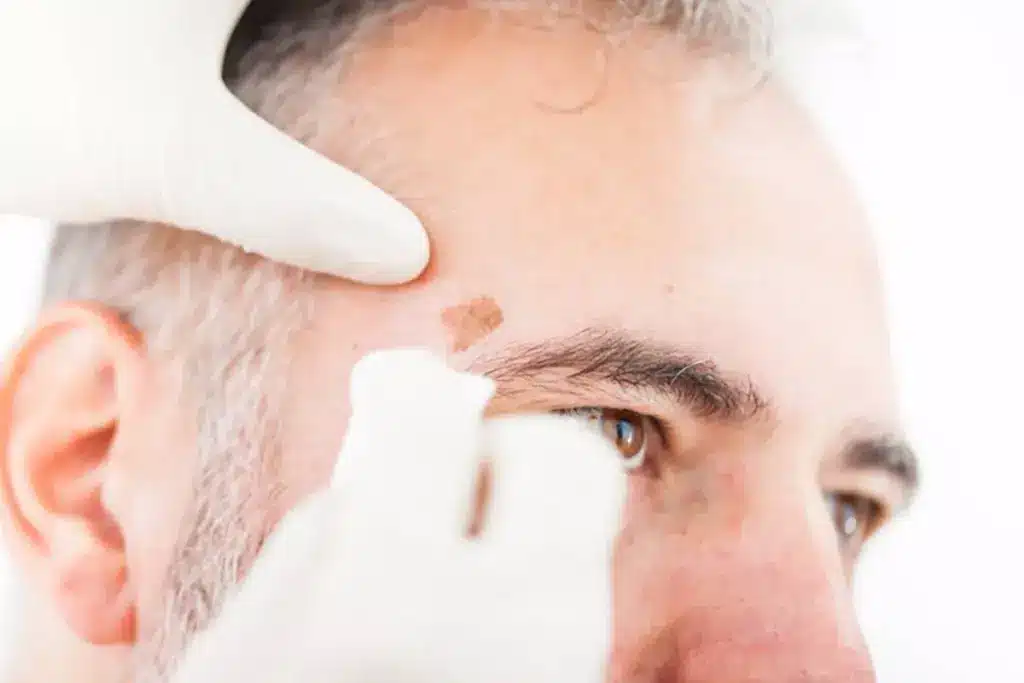
Nearly 100,000 Americans are diagnosed with skin cancer each year. Melanoma is the most aggressive form melanoma.
Recent years have seen big steps forward in treating this disease. This includes the creation of cancer vaccines and immunotherapy. These advancements offer new hope to patients.
The chance of curing melanoma is getting more likely thanks to these new treatments. This marks a big change in how we fight this severe condition.
Key Takeaways
- Melanoma is a severe form of skin cancer affecting thousands of Americans annually.
- Advancements in medical treatments are improving survival rates.
- Cancer vaccines and immunotherapy are among the promising new treatments.
- Early detection remains critical for effective treatment.
- Understanding melanoma symptoms is vital for timely medical intervention.
What Is Melanoma and How Does It Develop?
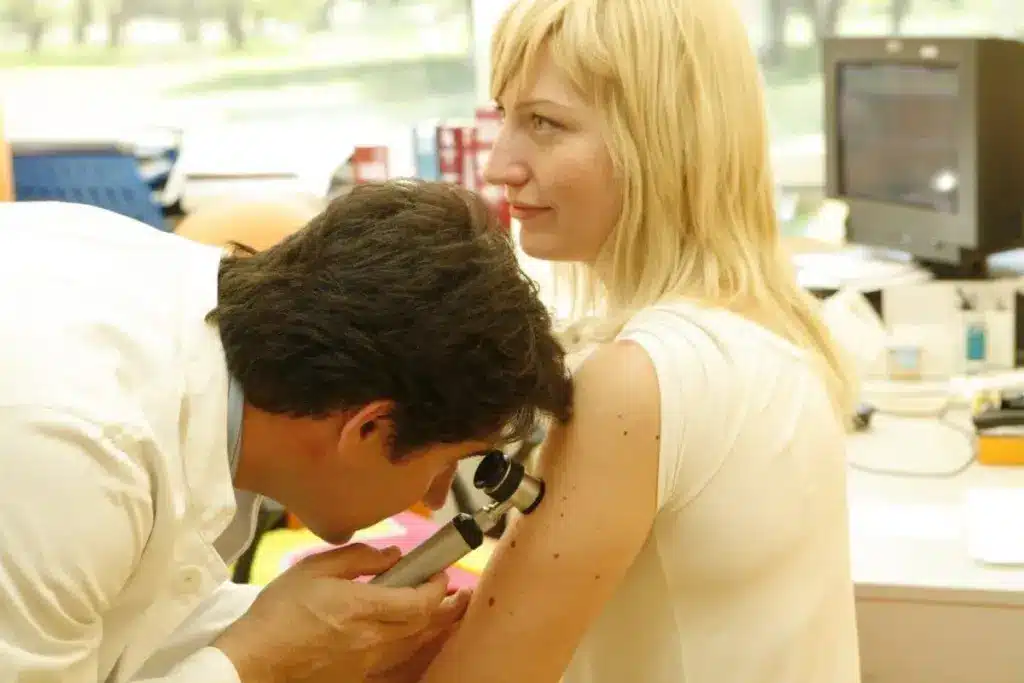
Melanoma is a serious skin cancer. It happens when melanocytes, the cells that make melanin, grow out of control. These cells are in the skin’s outer layer and give skin its color.
The Biology of Melanoma
The biology of melanoma involves complex interactions between genetics and environment. UV radiation from the sun or tanning beds can damage melanocytes’ DNA, leading to cancer. Genetic predisposition also plays a big role, with some genes increasing the risk of melanoma.
Melanoma can start from existing moles or appear as new growths. It happens when normal melanocytes turn into malignant cells. These cells then grow and can spread to other parts of the body.
How Melanoma Differs from Other Skin Cancers
Melanoma is different from other skin cancers because it starts in melanocytes. It also has a higher chance of spreading. This makes early detection very important.
“The early detection of melanoma is critical for effective treatment and improved survival rates. Recognizing the signs and symptoms can significantly impact patient outcomes.”
|
Characteristics |
Melanoma |
Other Skin Cancers |
|---|---|---|
|
Cell Origin |
Melanocytes |
Basal/Squamous Cells |
|
Aggressiveness |
High |
Generally Low |
|
Metastasis Potentia |
High |
Low |
Knowing the differences between melanoma and other skin cancers is key for proper diagnosis and treatment. While all skin cancers need medical attention, melanoma’s aggressive nature requires quick action.
The Rising Incidence of Melanoma in the United States

Recent statistics show a worrying increase in melanoma cases in the U.S. This rise is a major public health issue. It calls for a closer look at the current numbers, trends, and who is most affected.
Current Statistics and Trends
Melanoma is a common cancer among young adults, mainly women, in the U.S. The American Cancer Society reports about 100,350 new cases in 2023. Around 7,180 deaths were linked to melanoma. The rate has gone up by 1% to 3% each year for decades.
The trend is clear: melanoma is getting more common. It’s vital to understand why this is happening. This knowledge is key to creating better prevention and treatment plans. Increased UV exposure and lifestyle changes are among the reasons.
High-Risk Populations
Some groups face a higher risk of melanoma. These include people with fair skin, a history of sunburns, and a family history of melanoma. Those with many moles or weakened immune systems are also at risk.
It’s essential to identify these high-risk groups. This helps focus prevention efforts. Teaching them about UV dangers and early detection can lower melanoma rates.
Geographic Distribution
Melanoma rates vary across the U.S., with higher rates near the equator. Arizona, California, and Florida have higher rates than other areas.
Knowing where melanoma is more common helps target health campaigns. By focusing on high-risk areas and populations, we can fight melanoma more effectively.
Recognizing Melanoma: The ABCDE Rule
Learning the ABCDE rule is key to spotting melanoma signs. This easy-to-remember guide helps spot moles or skin changes that need a doctor’s check.
Asymmetry
The first clue is asymmetry. Moles that are symmetrical are usually okay. But melanomas are not even and look irregular.
Border Irregularity
Look at the mole’s border next. Melanomas have jagged or blurry edges. Benign moles have smooth, even borders.
Color Variation
Color is also a big clue. Benign moles are usually one color, brown. But melanomas can have many colors, like different browns, blacks, and even reds, whites, or blues.
Diameter Concerns
The size of the mole matters too. Melanomas are often bigger than benign moles. If it’s over 6mm (like a pencil eraser), it’s a red flag.
Using the ABCDE rule helps spot melanomas early. This means you can get treatment sooner, when it works best.
- Asymmetry: If the mole is not symmetrical.
- Border Irregularity: If the edges are uneven, notched, or ragged.
- Color Variation: If the color is not uniform and includes multiple shades.
- Diameter: If the mole is larger than 6mm in diameter.
Spotting melanoma early is very important. If you see any of these signs, see a dermatologist right away.
Common Melanoma Symptoms to Watch For
Knowing the signs of melanoma can help a lot. Melanoma is a serious skin cancer. It often shows up as changes in moles.
Visual Changes in Moles
Changes in a mole can mean melanoma. The ABCDE rule helps spot these changes:
- Asymmetry: If the mole is not symmetrical, it could be a warning sign.
- Border: A mole with an irregular, ragged, or blurred edge may indicate melanoma.
- Color: Moles that display multiple colors or an unusual color could be cancerous.
- Diameter: Melanomas are often larger in diameter than the eraser on an end of a pencil.
- Evolving: Changes in size, shape, or color over time are a significant concern.
Physical Sensations
Some people feel physical sensations with melanoma. These can include:
- Itching or tenderness around a mole
- Bleeding or oozing from a mole
- Pain or discomfort, though this is less common
Early-stage melanoma often doesn’t hurt. So, it’s key to check your skin often.
When to See a Doctor
If your skin looks different, see a doctor. Catching melanoma early is key to treating it well. A dermatologist can check your mole and guide you next steps.
|
Symptom |
Description |
Action |
|---|---|---|
|
Asymmetry |
Mole is not symmetrical |
Consult a dermatologist |
|
Border Irregularity |
Mole has an irregular edge |
Schedule a skin check |
|
Color Variation |
Mole displays multiple colors |
Seek medical advice |
What Does Skin Cancer Look Like? Visual Guide
Knowing how to spot skin cancer early is key. It helps in getting the right treatment fast. Skin cancer, like melanoma and non-melanoma types, shows up in different ways. So, being able to see the signs is very important.
Melanoma Appearance
Melanoma is the most serious skin cancer. It often looks like a new mole or a change in an old one. The ABCDE rule helps spot moles that might be cancerous: Asymmetry, Border irregularity, Color variation, Diameter increase, and Evolving shape or size.
“Melanoma can be tricky, sometimes looking like a harmless mole or lesion,” says a dermatologist. It’s vital to watch for any changes in your skin.
Non-Melanoma Skin Cancer Appearance
Non-melanoma skin cancers, like basal cell carcinoma and squamous cell carcinoma, have their own looks. Basal cell carcinoma might look like a shiny bump or nodule. Squamous cell carcinoma can be a firm, red nodule or a scaly patch that won’t heal.
“Finding skin cancer early is key to better treatment. Knowing what skin cancer looks like is a big step in keeping you healthy.”
Visual guides and skin cancer pictures can help people spot skin cancer signs early. This could save lives by catching it before it’s too late.
Early Stage Skin Cancer Detection and Diagnosis
Early detection is key to managing skin cancer. This can be done through self-examination and professional screenings. Catching melanoma early can lead to better treatment outcomes.
Self-Examination Techniques
Regular self-exams are vital for catching skin cancer early. Here’s how to do a self-exam:
- Examine your skin in a well-lit room, using a full-length mirror and a hand-held mirror.
- Check all areas of your body, including hard-to-see places like the back, scalp, and soles of the feet.
- Look for new or changing moles, using the ABCDE rule (Asymmetry, Border irregularity, Color variation, Diameter, Evolving).
Tip: It’s helpful to take photos of your moles over time to track any changes.
Professional Screening Recommendations
While self-exams are important, seeing a dermatologist is key for early detection. The American Academy of Dermatology suggests:
- Regular skin checks, if you have a history of skin cancer or are at high risk.
- A full-body skin examination during your annual check-up.
Early detection significantly improves treatment outcomes.
Diagnostic Procedures
If a suspicious lesion is found, further tests will be done. These may include:
|
Diagnostic Procedure |
Description |
|---|---|
|
Biopsy |
A sample of the suspicious skin lesion is removed and examined under a microscope for cancer cells. |
|
Dermoscopy |
A non-invasive technique using a dermatoscope to examine the skin lesion in detail. |
|
Imaging Tests |
In some cases, imaging tests like ultrasound or CT scans may be used to assess the extent of the cancer. |
Knowing about diagnostic procedures can help reduce anxiety. It prepares you for what to expect if you’re diagnosed with skin cancer.
Types of Melanoma and Their Characteristics
Melanoma is not just one disease; it’s made up of several types. Knowing about these differences is key for finding and treating it.
Superficial Spreading Melanoma
Superficial spreading melanoma is the most common, making up about 70% of cases. It starts on the skin’s surface before growing deeper. Catching it early is important for successful treatment.
Nodular Melanoma
Nodular melanoma is aggressive and often looks like a bump. It can be black or other colors, or even have no color at all. Because it grows fast, finding it early is hard, making it dangerous.
Lentigo Maligna Melanoma
Lentigo maligna melanoma mostly affects older people on sun-damaged skin, like the face. It starts as a precancerous lesion and can turn into invasive melanoma if not treated. Spotting it early is key to preventing it.
Acral Lentiginous Melanoma
Acral lentiginous melanoma is rare but can appear on palms, soles, or under nails. It’s not caused by UV rays, so it’s a risk for people not seen as high-risk for other melanomas.
Every type of melanoma has its own traits and challenges. Knowing about these can help find and treat it better.
Understanding Melanoma In Situ and Early Stage Melanoma
Melanoma in situ is an early stage of melanoma. It means the cancer is only in the outer skin layer. Knowing this is key because it’s a time when treatment can really make a difference.
What Is Melanoma In Situ?
Melanoma in situ, or Stage 0 melanoma, is a skin cancer that hasn’t spread deep into the skin. The cancer cells are only in the epidermis, the skin’s outer layer. It’s important to catch it early for the best treatment.
Diagnosis and Appearance
Doctors usually check the skin visually and take a biopsy to confirm cancer. The look can vary, but it often doesn’t follow the usual skin patterns. They look for signs like asymmetry, irregular borders, color changes, size increase, and shape changes.
Treatment Approaches
Treatment for melanoma in situ usually means removing the affected area surgically. Sometimes, more treatments are suggested. The treatment plan depends on the melanoma’s size and location.
Prognosis and Survival Rates
The outlook for melanoma in situ is very positive, with a high survival rate if caught early. The 5-year survival rate is almost 100% if treated before it spreads.
|
Stage |
5-Year Survival Rate |
Treatment Approach |
|---|---|---|
|
Melanoma In Situ |
Nearly 100% |
Surgical Removal |
|
Early Stage Melanoma |
90-95% |
Surgery, possibly with additional treatments |
Melanoma Staging and What It Means for Treatment
The stage of melanoma at diagnosis is key to knowing what to expect and treatment choices. Staging melanoma involves checking the tumor’s thickness, if it has ulcerated, and if it has spread. This helps doctors plan the best course of action.
Stage 0 (In Situ)
Stage 0 melanoma is the earliest form. It means the cancer is only in the outer skin layer and hasn’t spread deeper. Treatment usually involves removing the tumor and some healthy skin around it.
Stage I and II
Stages I and II melanomas are based on the tumor’s thickness and if it has ulcerated. Stage I is thinner and has a better outlook. Stage II is thicker and may have ulceration. Treatment often includes surgery and sometimes a biopsy of the lymph nodes.
Stage III
Stage III melanoma means the cancer has reached nearby lymph nodes. Treatment may include removing these nodes and using therapies like immunotherapy or targeted therapy to prevent it from coming back.
Stage IV
Stage IV melanoma is the most advanced, with cancer in distant organs or lymph nodes. Treatment aims to manage symptoms and improve life quality. It often involves systemic therapies like immunotherapy and targeted therapy.
Knowing the stage of melanoma is vital for making treatment choices. It’s also important to talk to your doctor about what to expect. This helps you understand your prognosis and treatment options better.
Can Melanoma Be Cured? Treatment Success Rates by Stage
Early detection is key to treating melanoma effectively. Cure rates drop as the disease advances. Knowing melanoma symptoms is vital for early medical intervention.
Early Stage Melanoma Cure Rates
Early-stage melanoma has a good prognosis. Studies show a 5-year survival rate over 90% for Stage I. This highlights the need to recognize early stage skin cancer symptoms early.
The American Cancer Society notes that early-stage melanoma is often cured by removing the tumor. Cure rates vary based on melanoma thickness and patient health.
Advanced Melanoma Treatment Outcomes
Advanced melanoma treatment is more complex. Cure rates decrease as the disease progresses. Stage III melanoma has a 5-year survival rate of 50-60%. Stage IV melanoma, with distant organ spread, has a survival rate of 20-30%.
“Advances in melanoma treatment, including immunotherapy and targeted therapy, have shown promising results in improving survival rates for patients with advanced melanoma.”
Factors Affecting Curability
Several factors affect melanoma curability. These include stage at diagnosis, melanoma thickness, ulceration presence, and patient health. Understanding these factors is key to effective treatment.
Knowing about melanoma of skin cancer and its types aids in early detection and treatment. Regular skin checks and sun protection are also important in preventing melanoma.
Conventional Treatment Options for Melanoma
There are many ways to treat melanoma, depending on how far it has spread. Doctors create a treatment plan that fits each person. They look at the tumor’s size, if it has spread, and the patient’s health.
Surgical Approaches
Surgery is a key treatment for early melanoma. The goal is to remove the tumor and some healthy skin around it. Wide local excision is a common method. It removes the tumor and some skin.
In some cases, sentinel lymph node biopsy is done. This checks if the cancer has reached the lymph nodes.
Radiation Therapy
Radiation therapy kills cancer cells with high-energy rays. It’s used when melanoma has spread to other parts of the body. External beam radiation therapy is the most used type. It sends radiation from outside the body.
Chemotherapy
Chemotherapy uses drugs to kill cancer cells. It’s not as common for melanoma but may be used for advanced cases. Temozolomide and dacarbazine are drugs used to treat melanoma.
It’s important for patients to know about melanoma treatments. Talking to a doctor about the benefits and side effects of each option is key.
Breakthrough Treatments: Immunotherapy and Targeted Therapy
Immunotherapy and targeted therapy are new ways to fight melanoma. They have changed how we treat this disease. Now, patients with advanced melanoma have new hope.
How Immunotherapy Works Against Melanoma
Immunotherapy uses the body’s immune system to fight cancer. It boosts the body’s defenses against cancer. Checkpoint inhibitors are a key part of this, helping the immune system attack cancer cells better.
“Immunotherapy has greatly changed how we treat melanoma,” says Medical Expert, a top oncologist. “It lets the immune system fight cancer cells, leading to better results for patients with advanced melanoma.”
Targeted Therapy Advancements
Targeted therapy uses drugs that target specific genes or proteins in cancer cells. In melanoma, it often targets the BRAF gene mutation. BRAF inhibitors can slow down or stop melanoma cells from growing.
- Targeted therapies are more precise, harming fewer normal cells.
- They can be used alone or with other treatments like immunotherapy.
- New targets for therapy are being found, giving more options.
Combination Treatment Approaches
Using different treatments together is a promising strategy. For example, combining immunotherapy with targeted therapy can work better together. Researchers are finding the best ways to mix treatments for better results.
Medical Expert, “Using immunotherapy and targeted therapy together is a strong way to fight melanoma. It can help when treatments don’t work alone.”
Living with Melanoma: Long-term Survival and Follow-up Care
Living with melanoma means you need to watch your health closely. After you’re diagnosed, you’ll face a lot of treatment and care. This is to help you live a long life.
Surveillance Recommendations
It’s very important to check your skin often. The American Academy of Dermatology says to do self-exams and see a doctor regularly.
Surveillance Schedule:
|
Time Frame |
Surveillance Activity |
|---|---|
|
First Year |
Every 3-4 months |
|
Second Year |
Every 6 months |
|
Third Year and Beyond |
Annually or as recommended by a healthcare provider |
Managing Side Effects
It’s key to handle the side effects of treatment well. This keeps your life good. You’ll need to deal with physical and emotional issues.
Common Side Effects:
- Fatigue
- Skin changes or sensitivity
- Emotional distress or anxiety
Psychological Support
Getting help for your mind is very important. Groups, counseling, and therapy can help. They help you deal with the emotional side of your diagnosis and treatment.
Recurrence Risk and Monitoring
Knowing about recurrence risk is key. Regular check-ups and watching yourself can spot changes early.
Recurrence Risk Factors:
- Stage of melanoma at diagnosis
- Presence of ulceration
- Sentinel lymph node status
By staying informed and careful, you can face your journey with more confidence and support.
Melanoma Prevention: Reducing Your Risk
To prevent melanoma, it’s important to know the risks and take steps to avoid them. By learning about the causes and using preventive actions, you can lower your chance of getting melanoma.
Sun Protection Strategies
Protecting yourself from the sun is a key way to prevent melanoma. Use sunscreen with a high SPF, wear protective clothes, and stay in the shade, mainly when the sun is strongest.
- Use sunscreen with SPF 30 or higher and apply it 15-30 minutes before going outdoors.
- Wear clothing that covers your skin, including a wide-brimmed hat and sunglasses.
- Seek shade, specially between 10 AM and 4 PM when the sun’s rays are strongest.
Avoiding Tanning Beds
Tanning beds give off UV radiation, which raises your risk of melanoma. It’s important to stay away from tanning beds to prevent melanoma.
Avoiding the myth of a “safe tan” is key; there’s no safe tan from UV exposure from tanning beds.
Regular Skin Checks
Regular skin checks are key for catching melanoma early. This means doing self-exams and getting professional screenings.
- Do self-exams monthly, looking for new or changing moles.
- Get annual skin checks from a dermatologist, if you’ve had skin cancer before.
Genetic Counseling for High-Risk Individuals
If you have a family history of melanoma or other risk factors, genetic counseling can help. It gives insights into your personal risk and ways to prevent it.
Knowing your genetic predispositions helps you take early action. This includes more frequent screenings and better preventive steps.
The Tanning Bed Controversy and Melanoma Risk
The rise in melanoma cases has made tanning beds a hot topic. Many studies have looked into if tanning beds cause melanoma. This has led to a lot of research and debate.
Scientific Evidence Linking Tanning Beds to Melanoma
Studies have found a link between tanning beds and melanoma. Using tanning beds, mainly when young, raises the risk of melanoma. The International Agency for Research on Cancer says tanning beds are harmful to humans.
Recent research has shown:
- Tanning beds before 30 increase melanoma risk.
- The more you use tanning beds, the higher your melanoma risk.
- Those with a family history of melanoma face even higher risks.
Myths About “Safe Tanning”
The idea of “safe tanning” is not supported by science. Tanning, from sun or beds, damages the skin. Despite evidence, some believe certain tanning beds are safe.
There’s no safe tan. Any skin color change from UV is damage. Saying tanning is safe can be dangerous, as it might make people think they’re not at risk.
Alternatives to Tanning
There are safer ways to get a tan:
|
Alternative |
Description |
|---|---|
|
Self-Tanning Products |
Creams, gels, and sprays that stain the skin for a tan look without UV. |
|
Spray Tanning |
A professional service where a technician applies a staining solution. |
|
Makeup and Cosmetics |
Products that can temporarily change skin color or appearance. |
Regulatory Changes and Warnings
Many places have made rules about tanning beds. These include age limits, warning signs, and bans in some areas.
Examples of these actions include:
- Bans on tanning beds for minors in some places.
- Warning signs and forms for users.
- Rules on tanning service ads.
As more people learn about tanning bed risks, more rules are likely to come.
Melanoma Research: New Hope on the Horizon
Melanoma research is moving forward fast, with new treatments and technologies. This is changing how we fight melanoma, giving hope to patients and doctors.
Emerging Treatments in Clinical Trials
New treatments are being tested in clinical trials. These include immunotherapies and targeted therapies. They aim to make life better for melanoma patients. Immunotherapy is showing great promise in fighting advanced melanoma.
Studies show that combining treatments can work even better. For example, mixing immunotherapy with targeted therapy helps some patients more.
“The advent of immunotherapy has revolutionized the treatment of melanoma, giving new hope to those with advanced disease.” –
A leading oncologist
Advances in Early Detection Technology
Finding melanoma early is key. New tech like artificial intelligence (AI) and dermoscopy are helping. AI tools can look at skin images to spot melanomas, helping doctors make better diagnoses.
- Improved image analysis software
- Enhanced dermoscopic techniques
- Increased accessibility to screening tools
Personalized Medicine Approaches
Personalized medicine is playing a big role in treating melanoma. Doctors look at a tumor’s genes to create a treatment plan just for the patient. This makes treatments more effective and improves outcomes.
Vaccine Development
Researchers are also working on vaccines for melanoma. These vaccines aim to get the immune system to fight melanoma cells. Though early, vaccine therapy could be a big step forward.
As research keeps moving forward, the future looks brighter for melanoma patients. Ongoing studies and trials are key to improving treatments and care.
Conclusion
The battle against melanoma is ongoing. Research and new discoveries give us hope for better treatments. It’s important to know about melanoma, its signs, and the need for early detection.
Spotting melanoma symptoms early can lead to better treatment results. New treatments like immunotherapy and targeted therapy are showing promise. They work best when melanoma is caught early.
Spreading the word about melanoma and skin cancer is essential. We must teach people about sun protection and the dangers of tanning beds. Supporting research into melanoma is also key to fighting this disease.
As scientists learn more about melanoma and skin cancer, there’s more hope for those affected. Staying informed and alert is critical in the fight against melanoma.
FAQ
What are the most common symptoms of melanoma?
Symptoms include changes in moles, like not being symmetrical or having irregular borders. You might also notice color changes or moles that grow too big. Sometimes, moles can itch or hurt.
How can I identify melanoma using the ABCDE rule?
The ABCDE rule helps spot melanoma. Look for Asymmetry, Border irregularity, Color variation, Diameter > 6mm, and Evolving size, shape, or color.
What does early stage skin cancer look like?
Early skin cancer, like melanoma, looks like a new or changing mole. It might not be symmetrical, have irregular borders, or show different colors.
Can melanoma be cured if detected early?
Yes, catching melanoma early can lead to a cure. The chances of successful treatment are much higher when it’s found early.
What are the different types of melanoma?
Melanoma types include Superficial Spreading Melanoma, Nodular Melanoma, Lentigo Maligna Melanoma, and Acral Lentiginous Melanoma. Each type has its own features.
How is melanoma staged, and what does it mean for treatment?
Melanoma staging shows how far the disease has spread, from Stage 0 to Stage IV. The stage helps decide the treatment and how likely it is to succeed.
What are the conventional treatment options for melanoma?
Treatments include surgery, radiation, and chemotherapy. These are used alone or together, based on the melanoma’s stage and type.
Are there any new or breakthrough treatments for melanoma?
Yes, new treatments like immunotherapy and targeted therapy are promising. They work by boosting the immune system and targeting specific cancer cells.
How can I reduce my risk of developing melanoma?
To lower your risk, protect your skin from the sun, avoid tanning beds, and get regular skin checks. If you’re at high risk, talk to a genetic counselor.
Is there a link between tanning beds and melanoma risk?
Yes, using tanning beds increases your risk of melanoma. Scientific studies have proven this link.
What advancements are being made in melanoma research?
Research is moving forward with new treatments in trials, better early detection tools, personalized medicine, and vaccine development.
References
Centers for Disease Control and Prevention. Evidence-Based Medical Insight. Retrieved from https://www.cdc.gov/cancer/skin/statistics/index.htm