

Did you know that over 8 million people in the United States alone are affected by psoriasis, a chronic skin condition? It can significantly impact quality of life. What helps it go away? Discover the amazing psoriasis powerful steps and positive treatments you must use for relief now.
Understanding the causes and exploring effective treatments is key to managing this condition. We are committed to providing guidance on managing psoriasis.
Effective psoriasis treatment involves a multi-faceted approach. It combines medical expertise with lifestyle adjustments. This helps alleviate symptoms and improve overall well-being.
Key Takeaways
- Psoriasis affects millions worldwide, requiring a full management strategy.
- Effective treatment plans combine medical treatments and lifestyle changes.
- Understanding the condition is essential for managing its impact on daily life.
- Various treatment options are available, meeting different needs and severity levels.
- Managing psoriasis requires a long-term commitment to treatment and lifestyle adjustments.
Understanding Psoriasis: What Is It?
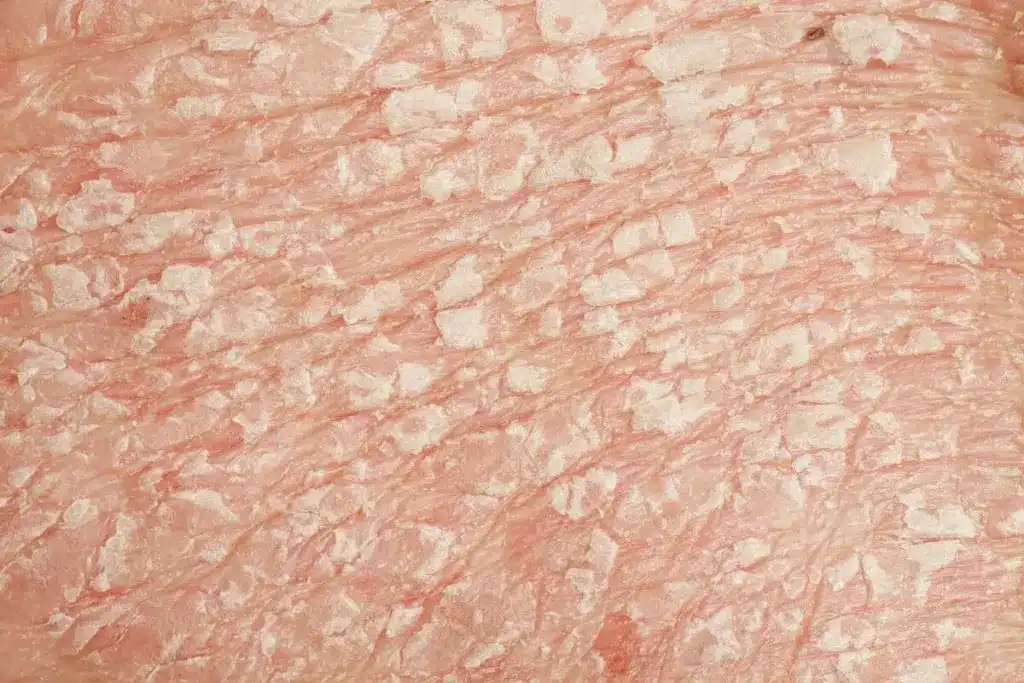
Psoriasis is a complex immune disease. It makes skin cells grow too fast, leading to extra skin on the surface. This extra skin forms scales and red patches that can itch or hurt.
Types of Psoriasis
There are many types of psoriasis, each with its own look. The most common is plaque psoriasis, which shows up as red and white patches on the skin.
- Plaque Psoriasis: The most common form, causing red, scaly patches.
- Guttate Psoriasis: Appears as small, dot-like lesions, often triggered by infections.
- Inverse Psoriasis: Causes smooth, red patches in skin folds.
- Pustular Psoriasis: Characterized by pus-filled blisters.
- Erythrodermic Psoriasis: A rare, severe form that can cover the entire body.
Symptoms of Psoriasis
The symptoms of psoriasis can differ based on the type. Common signs include red skin patches with thick, silvery scales. The skin can also be dry, cracked, and bleed. People with psoriasis often experience itching, burning, or soreness.
|
Symptom |
Description |
|---|---|
|
Red Patches |
Areas of skin that are red and inflamed. |
|
Silvery Scales |
Thick, silvery scales that form on the red patches. |
|
Dry, Cracked Skin |
Skin that becomes dry and cracked, potentially bleeding. |
Causes and Triggers
Psoriasis is linked to the immune system and genetics. While we don’t know the exact cause, many things can make it worse.
- Genetics: A family history of psoriasis increases the risk.
- Infections: Certain infections can trigger psoriasis in some people.
- Stress: High levels of stress can trigger or worsen psoriasis.
- Environmental Factors: Cold, dry weather can make symptoms worse.
Medical Treatments for Psoriasis
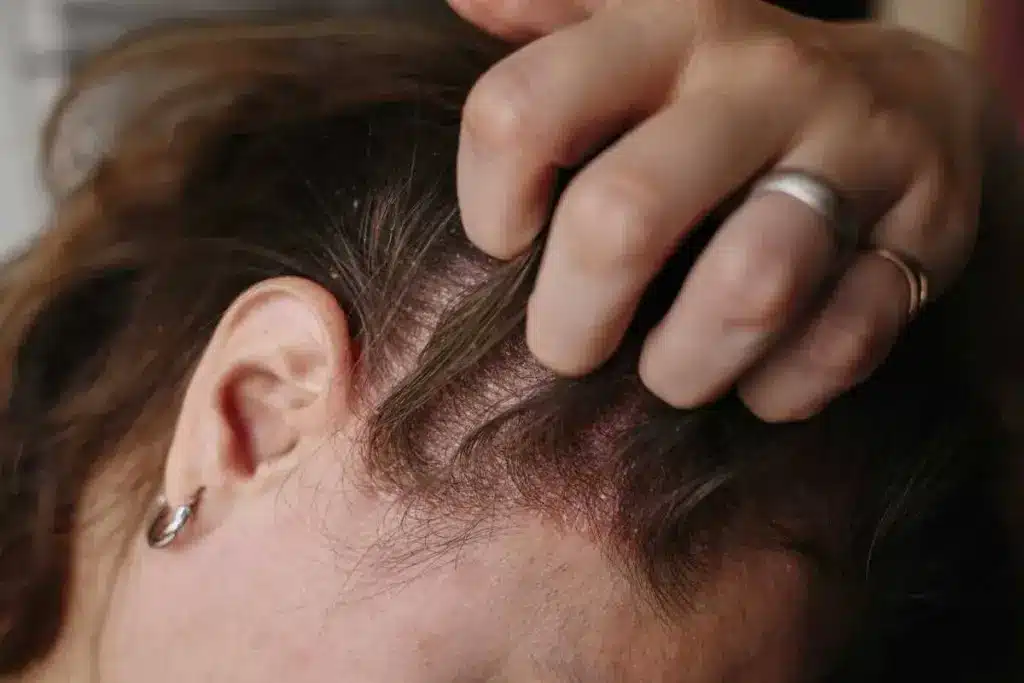
Medical treatments are key in managing psoriasis. They offer many options to meet different needs. These treatments aim to lessen symptoms, improve life quality, and are picked based on psoriasis type and severity, and the patient’s health.
Topical Treatments
Topical treatments are applied directly to the skin. They are often the first choice for mild to moderate psoriasis. They reduce inflammation, remove scales, and soothe the skin.
- Corticosteroids: These are anti-inflammatory and can reduce the production of skin cells.
- Vitamin D analogues: They help slow down the growth of skin cells.
- Topical retinoids: Derived from vitamin A, they help normalize the growth of skin cells.
Light Therapy Options
Light therapy, or phototherapy, involves exposure to specific wavelengths of light under medical supervision. It can slow down the growth of skin cells and reduce inflammation.
Types of Light Therapy:
- UVB Phototherapy: Uses ultraviolet B light, which is effective for many patients.
- PUVA: Combines UVA light with a medication called psoralen to make the skin more sensitive to the light.
- Narrowband UVB: A more targeted form of UVB therapy that is considered more effective and has fewer side effects.
Systemic Medications
For more severe cases of psoriasis, systemic medications may be prescribed. These work throughout the body and can be administered orally or via injection.
Types of Systemic Medications:
- Biologics: Target specific parts of the immune system that play a role in psoriasis. Examples include etanercept and adalimumab.
- Traditional Systemics: Include methotrexate, cyclosporine, and acitretin, which suppress the immune system or affect the production of skin cells.
By understanding the different medical treatments available, patients can work with their healthcare providers to develop a personalized treatment plan that effectively manages their psoriasis.
Natural Remedies for Psoriasis
Medical treatments are key, but natural remedies also help manage psoriasis. We look at natural ways to ease symptoms and improve skin health.
Herbal Treatments
Certain herbs can help with psoriasis. Turmeric is known for its anti-inflammatory effects. It can be taken as a supplement or used on the skin.
Aloe vera soothes the skin, reducing scaling and inflammation. Other herbs like tea tree oil and berberine also offer benefits. But, always check with a healthcare provider before trying new herbs.
Dietary Changes
Diet is important for managing psoriasis. Eating anti-inflammatory foods like fatty fish and leafy greens can help. Avoiding gluten, dairy, and processed foods is also good.
Drinking plenty of water is key for healthy skin. Some find that diets like the Paleo diet or gluten-free diet help with symptoms.
Benefits of Moisturizing
Moisturizing is simple but effective for psoriasis. It keeps the skin from getting dry and itchy. Ceramide-based moisturizers are great for repairing the skin’s barrier.
Apply moisturizer right after bathing to help it soak in better. Regular moisturizing can also cut down on the need for other treatments.
Lifestyle Changes to Manage Psoriasis
By making certain lifestyle changes, people with psoriasis can lessen flare-ups. It’s important to treat psoriasis medically, make lifestyle changes, and manage stress well.
Stress Management Techniques
Stress can make psoriasis symptoms worse. So, it’s key to manage stress well. Try meditation, yoga, and deep breathing to reduce stress.
These methods not only help with stress but also improve overall health. For example, a study showed that mindfulness meditation can lower stress and help psoriasis symptoms.
Effective Stress Management Techniques:
- Meditation
- Yoga
- Deep Breathing Exercises
- Progressive Muscle Relaxation
Exercise and Physical Activity
Regular exercise is vital for managing psoriasis. It reduces stress, boosts health, and may lessen psoriasis symptoms.
Walking, swimming, and cycling are great because they’re easy on the body. Pick activities you like to keep doing them.
|
Exercise Type |
Benefits for Psoriasis |
|---|---|
|
Walking |
Reduces stress, improves circulation |
|
Swimming |
Low-impact, improves cardiovascular health |
|
Cycling |
Enhances cardiovascular fitness, reduces stress |
Sleep Hygiene Practices
Good sleep is essential for health and managing psoriasis. Stick to a sleep schedule, make your sleep area comfy, and avoid caffeine at night.
Enough sleep can lower inflammation and stress, helping with psoriasis. Keep a sleep diary to track and improve your sleep.
Tips for Better Sleep Hygiene:
- Maintain a consistent sleep schedule
- Create a comfortable sleep environment
- Avoid caffeine and electronics before bedtime
The Role of Diet in Psoriasis Management
Diet is key in managing psoriasis symptoms. Some foods can lower inflammation. We look at how diet affects psoriasis and which foods help or hurt.
Nourishing Foods for Psoriasis
Eating anti-inflammatory foods can help. These include:
- Fatty Fish: Rich in omega-3 fatty acids, which help reduce inflammation.
- Fruits and Vegetables: High in antioxidants and fiber, supporting overall health.
- Whole Grains: Rich in fiber, vitamins, and minerals that promote healthy digestion and reduce inflammation.
- Nuts and Seeds: Good sources of healthy fats and antioxidants.
Foods That May Exacerbate Psoriasis
Some foods can make psoriasis symptoms worse. It’s wise to limit or avoid:
- Processed Foods: Often high in unhealthy fats, sugar, and salt.
- Red Meat: May increase inflammation in some individuals.
- Dairy Products: Can be problematic for those with dairy sensitivities or intolerances.
- Gluten: For individuals with gluten intolerance or sensitivity, consuming gluten can exacerbate symptoms.
Supplements for Psoriasis Management
Certain supplements may help manage psoriasis symptoms. These include:
|
Supplement |
Potential Benefits |
|---|---|
|
Omega-3 Fatty Acids |
Reduces inflammation |
|
Probiotics |
Supports gut health and immune system |
|
Vitamin D |
May help regulate immune response |
Always talk to a healthcare professional before starting any supplements.
Home Remedies That Might Provide Relief
Home remedies can help with psoriasis symptoms, alongside medical treatments. Many people find these remedies helpful in managing their condition.
Oatmeal Baths
Oatmeal baths are known for soothing skin irritations, including psoriasis. They have anti-inflammatory and soothing properties that can ease itching and irritation.
To make an oatmeal bath, add colloidal oatmeal to your bath water. Colloidal oatmeal is finely ground oatmeal that dissolves in water. You can also make a paste with oatmeal and water and apply it directly to affected areas.
Benefits of Oatmeal Baths:
- Reduces itching and irritation
- Soothes dry, scaly skin
- Can be used in conjunction with other treatments
Apple Cider Vinegar
Apple cider vinegar is another remedy some people find helpful for psoriasis. It’s believed to have anti-inflammatory properties, though more research is needed.
To use apple cider vinegar, mix it with water and apply it to affected areas with a cotton ball. Some people also add it to their bath water. But, it’s important to dilute apple cider vinegar to avoid skin irritation.
“Some patients have reported that apple cider vinegar helps reduce the scaling associated with psoriasis.”
A dermatologist’s note
Essential Oils
Essential oils like tea tree oil and lavender oil are sometimes used for psoriasis symptoms. These oils should be diluted with a carrier oil to avoid skin irritation when applied topically.
|
Essential Oil |
Potential Benefits |
Precautions |
|---|---|---|
|
Tea Tree Oil |
Antibacterial, anti-inflammatory |
Dilute with carrier oil, avoid sensitive areas |
|
Lavender Oil |
Soothing, calming |
Dilute with carrier oil, may cause skin sensitivity in some individuals |
In conclusion, while these home remedies may offer relief, it’s essential to consult with a healthcare professional before starting any new treatments, even if you’re already undergoing medical therapy for psoriasis.
The Importance of Skincare in Psoriasis Care
Skincare is key in managing psoriasis. It helps ease symptoms, cuts down on flare-ups, and boosts life quality. We’ll look at the essential parts of skincare for psoriasis, like picking the right products and creating a daily routine.
Choosing the Right Products
Choosing the right skincare is critical for those with psoriasis. Gentle, fragrance-free products are best because they don’t irritate the skin. Look for “hypoallergenic” or “suitable for sensitive skin” labels. Also, choose products with moisturizing ingredients like hyaluronic acid or ceramides to keep the skin moist and calm.
Stay away from products with harsh chemicals, dyes, or perfumes. They can make psoriasis worse. Always read labels and choose products that have been tested by dermatologists.
Daily Skincare Routine Tips
Having a daily skincare routine is important for managing psoriasis. Moisturizing is a must; apply moisturizer right after bathing when the skin is damp. Use warm water instead of hot to keep the skin’s natural oils.
Exfoliating gently with a soft cloth or a mild scrub can help remove scales and improve skin texture. But be careful not to irritate the skin or cause micro-tears, which can lead to flare-ups.
- Use gentle, fragrance-free cleansers.
- Apply moisturizer while the skin is wet.
- Avoid harsh soaps and exfoliants.
- Bathe in warm, not hot, water.
The Impact of Climate on Psoriasis
The link between climate and psoriasis is complex. Climate and environment play big roles in psoriasis triggers. It’s key for those with psoriasis to know these impacts to better manage their symptoms.
Effects of Sun Exposure
Sun exposure is a mixed bag for psoriasis patients. Moderate sun can help improve symptoms by reducing inflammation. But too much sun can cause sunburn, which can make psoriasis worse.
It’s important for psoriasis patients to find a balance. They should enjoy the sun’s benefits while protecting their skin from harm.
Humidity’s Role in Skin Health
Humidity levels affect psoriasis symptoms. High humidity keeps the skin moist, which can reduce scaling and dryness. But low humidity can dry out the skin, making symptoms worse.
Keeping the skin hydrated is vital, more so in dry climates. Moisturizing helps manage psoriasis symptoms.
Support and Resources for Psoriasis Patients
Living with psoriasis can be tough, but the right support makes a big difference. It’s not just about treating symptoms. It’s about improving life quality.
Connecting through Support Groups
Support groups are key for those with psoriasis. They offer a place to share experiences and learn from others. These groups provide emotional support, practical tips, and a sense of belonging.
By connecting with others who get it, you feel less alone. You also get motivated to manage your psoriasis better.
Benefits of Support Groups:
- Emotional support and understanding
- Practical advice on managing psoriasis
- A sense of community and belonging
Empowering through Education
Education is vital for psoriasis patients. It gives them important info on the condition and treatments. By understanding their psoriasis, they can make better care choices.
Staying informed is key. It helps you choose the right treatments and make lifestyle changes that help your condition.
Guidance from Professionals
Getting advice from professionals is essential. Dermatologists and healthcare teams offer personalized help and support. They guide you on using resources and services for psoriasis patients.
Combining medical care with support from groups and professionals leads to a better life. Finding the right balance and resources is key to managing psoriasis effectively.
Innovative Treatments on the Horizon
Psoriasis research is on the verge of a breakthrough. New treatments are being developed. This brings hope for better managing the condition.
Emerging Therapies
Several new therapies are promising for psoriasis treatment. These include:
- Biologics: Targeted therapies that focus on specific parts of the immune system.
- JAK Inhibitors: Oral medications that block certain pathways in the immune system.
- Phosphodiesterase 4 (PDE4) Inhibitors: Drugs that reduce inflammation.
These therapies have shown great promise in trials. They offer effective symptom control with fewer side effects.
The Future of Psoriasis Research
The future of psoriasis research aims to understand its causes. By knowing the genetic and environmental factors, we can develop better treatments.
|
Therapy Type |
Description |
Potential Benefits |
|---|---|---|
|
Biologics |
Targeted therapies focusing on specific immune system components |
Effective symptom control, potentially fewer side effects |
|
JAK Inhibitors |
Oral medications blocking certain immune system pathways |
Convenient oral administration, effective symptom management |
|
PDE4 Inhibitors |
Drugs reducing inflammation |
Reduced inflammation, improved symptoms |
As research moves forward, we’ll see more innovative treatments. This will help improve psoriasis management even more.
Myths and Misconceptions About Psoriasis
Psoriasis is a chronic skin condition that’s often misunderstood. Many see it as just a skin problem, but it’s much more complex. It involves the immune system and can affect both body and mind. We aim to clear up common myths about psoriasis, giving accurate info to help those affected manage their condition better.
Common Misunderstandings
One big myth is that psoriasis is contagious. Psoriasis is not contagious; you can’t catch it from someone else. Another myth is that poor hygiene causes psoriasis. But psoriasis is an autoimmune condition, influenced by genetics and environment.
Some think psoriasis only affects the skin. But it can also harm joints (psoriatic arthritis) and is linked to other health issues like diabetes and heart disease.
Facts Vs. Fiction
Let’s clear up some myths about psoriasis treatments and causes. A common myth is that there’s a cure for psoriasis. While treatments are effective, there is currently no cure. Treatments include creams, light therapy, and systemic medications, and what works best varies by person.
“Understanding the facts about psoriasis can empower individuals to manage their condition more effectively and improve their quality of life.”
It’s also a myth that the sun always helps psoriasis. While some people find relief in moderate sun, too much sun can make psoriasis worse and increase skin cancer risk.
- Myth: Psoriasis is caused by stress. Fact: Stress can trigger or worsen symptoms, but it’s not the cause.
- Myth: Only older people get psoriasis. Fact: Psoriasis can affect anyone, regardless of age.
When to See a Doctor for Psoriasis
Knowing when to see a doctor is key to managing psoriasis. The symptoms can change, and it’s important to know when to get help.
Recognizing Signs for Medical Care
Signs like widespread redness, scaling, or a lot of discomfort mean you should see a doctor. Also, if your symptoms get worse or don’t get better with treatment, you need to see a doctor to change your treatment plan.
The Value of Regular Check-ups
Going to regular check-ups with your doctor is very important. These visits help your doctor keep an eye on your psoriasis. They can also make changes to your treatment and catch any problems early. This helps you manage your psoriasis better and improves your life.
Being informed and proactive helps people with psoriasis manage their condition well. They get the medical care they need to stay healthy.
FAQ
What is psoriasis and how does it affect the skin?
Psoriasis is a long-term condition that causes red, scaly patches on the skin. It happens because of an abnormal immune response. This leads to too many skin cells growing.
What are the common symptoms of psoriasis?
Symptoms include red, scaly patches, itching, and burning. The skin can also thicken in affected areas.
What triggers psoriasis flare-ups?
Stress, cold weather, certain medications, infections, and skin injuries can trigger flare-ups. These triggers cause an immune response.
How is psoriasis diagnosed?
Doctors diagnose psoriasis by examining the skin, looking at medical history, and sometimes doing a skin biopsy. This helps rule out other conditions.
What are the different types of psoriasis treatments available?
Treatments include topical creams, light therapy, and systemic medications. These can be used alone or together to manage symptoms.
Can lifestyle changes help manage psoriasis?
Yes, a healthy lifestyle can help manage symptoms. This includes eating well, exercising regularly, managing stress, and getting enough sleep.
Are there any natural remedies that can help with psoriasis?
Some people find relief with natural remedies like oatmeal baths and herbal treatments. Dietary changes can also help. Always talk to a healthcare professional before trying new treatments.
How does diet impact psoriasis?
Eating anti-inflammatory foods and avoiding trigger foods can help manage symptoms. Some supplements may also be beneficial.
Can stress make psoriasis worse?
Yes, stress can trigger flare-ups. Managing stress through meditation, yoga, or therapy can help alleviate symptoms.
How can I manage psoriasis in different climates?
Climate can affect psoriasis. Some people find relief in certain conditions, like increased sun exposure or humidity. Others may experience worsening symptoms.
When should I see a doctor for psoriasis?
Seek medical attention if symptoms worsen or if you experience severe itching or skin thickening. It’s important to get medical help when needed.
Are there any support resources available for people with psoriasis?
Yes, there are support groups, educational resources, and professional guidance available. These can help individuals manage psoriasis and connect with others who share similar experiences.
References
National Center for Biotechnology Information. Evidence-Based Medical Insight. Retrieved from https://www.ncbi.nlm.nih.gov/pmc/articles/PMC6471201/



 Departments
 Related Videos
 Our Doctors
 News
News