
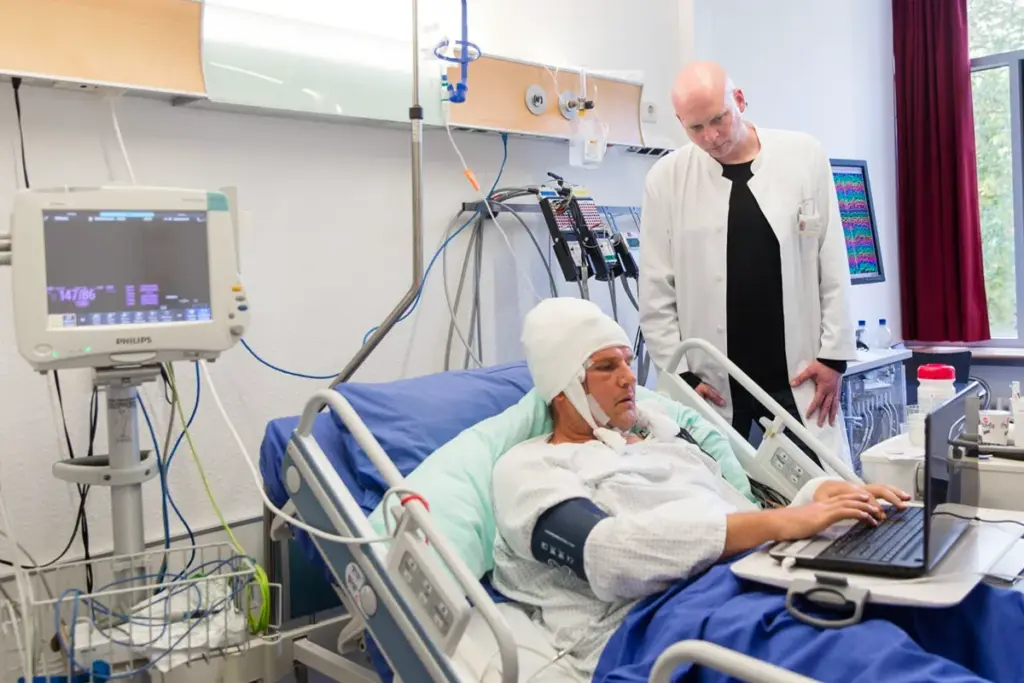
Did you know people with epilepsy are more likely to have mental health issues? Research shows how brain and mind factors can affect their lives. This is important for those with epilepsy.
Epilepsy is more than just a brain disorder. It also affects the mind. The link between the brain and mind is key to well-being for those with epilepsy. It’s vital to understand this connection.
We focus on caring for both the brain and mind in our institution. Our team helps international patients with top-notch treatments. We tailor our services to meet their specific needs.
Key Takeaways
- Epilepsy increases the risk of developing mental health disorders.
- The psychosomatic connection plays a significant role in the overall well-being of individuals with epilepsy.
- Comprehensive care is essential for addressing both neurological and psychological aspects.
- Our institution is dedicated to providing advanced treatments and support services.
- Understanding the mind-body connection is key for effective care.
The Complex Relationship Between Epilepsy and Mental Health
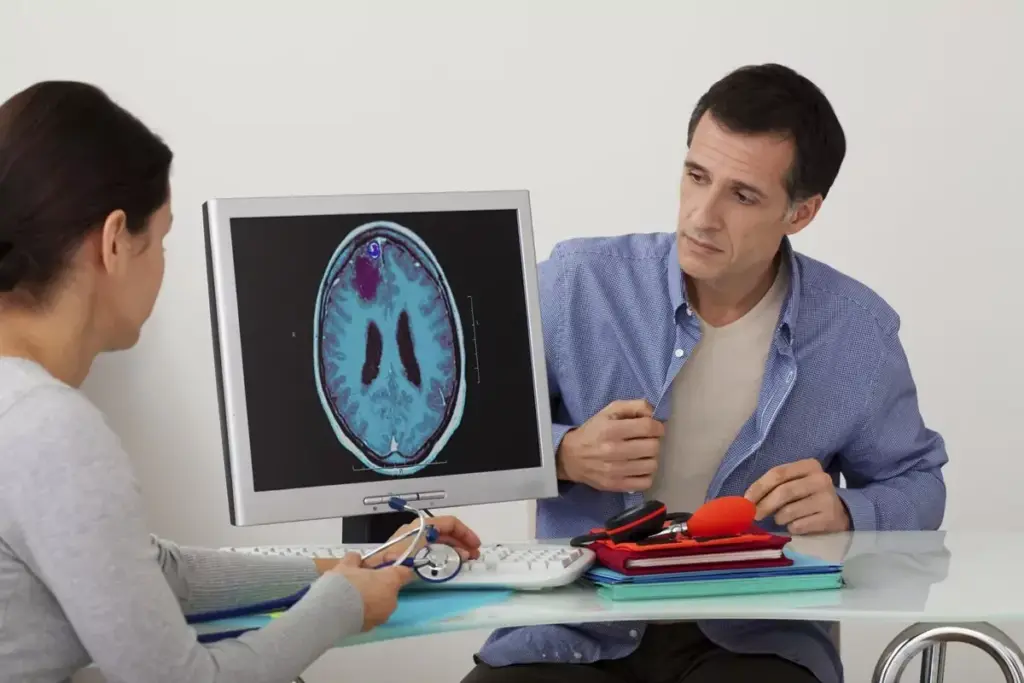
It’s important to understand how epilepsy and mental health are connected. Epilepsy is more than just a brain disorder. It deeply affects a person’s mental health.
Defining Epilepsy and Its Neurological Basis
Epilepsy is marked by seizures that happen without a clear cause. These seizures come from abnormal brain electrical activity. This can cause physical and mental symptoms.
The roots of epilepsy lie in genetics, environment, and brain structure. These factors interact in complex ways.
Key factors contributing to epilepsy include:
- Genetic predisposition
- Head trauma
- Infections affecting the brain
- Brain malformations or structural abnormalities
Overview of Mental Health Comorbidities in Epilepsy
People with epilepsy face a higher risk of mental health issues. These issues can greatly impact their life quality and treatment success.
|
Mental Health Condition |
Prevalence in Epilepsy Patients |
Impact on Epilepsy Management |
|---|---|---|
|
Depression |
Higher than in the general population |
Affects adherence to medication and overall wellbeing |
|
Anxiety Disorders |
Increased risk due to seizure unpredictability |
Can exacerbate seizure frequency and severity |
When treating epilepsy, we must consider these mental health issues. A complete treatment plan should cover both the brain and mental health.
Depression and Anxiety: The Most Common Mental Health Issues in Epilepsy

Depression and anxiety are common in people with epilepsy, affecting their life quality. These issues are closely tied to epilepsy’s neurological and psychological sides.
Prevalence Rates and Risk Factors
People with epilepsy face a higher risk of depression and anxiety. About 20-30% have depression, and 15-25% have anxiety disorders.
Several factors increase this risk. These include how often and severe seizures are, the epilepsy cause, and other health conditions. Also, the stigma around epilepsy and how medications affect mental health matter.
Bidirectional Relationship Between Seizures and Mood Disorders
The link between epilepsy and mood disorders goes both ways. Epilepsy’s brain changes can lead to depression and anxiety. At the same time, mood disorders can make seizures worse, creating a cycle.
Understanding this complex relationship is key to effective treatment. We must treat both the brain and mind in epilepsy. This means managing seizures and addressing mental health needs.
Using a holistic approach with psychosomatic treatment can help. A team of healthcare experts works together to meet these complex needs. This way, we can improve the well-being of those with epilepsy.
Psychosis and Epilepsy: When Reality Becomes Distorted
For some with epilepsy, psychosis can be very distressing. It’s a feeling of being disconnected from reality. We’ll look at the different types of psychosis linked to epilepsy. We’ll also talk about how to tell if it’s related to epilepsy or something like schizophrenia.
Ictal, Postictal, and Interictal Psychosis
Psychosis in epilepsy can be split into three types. These are based on when it happens in relation to seizures.
- Ictal Psychosis: This rare condition happens during a seizure. It’s a complex partial seizure with psychic symptoms. It usually goes away once the seizure ends.
- Postictal Psychosis: This happens after a seizure, usually within 24 to 48 hours. It can include hallucinations, delusions, and disorganized thinking. It often comes after a series of seizures or status epilepticus.
- Interictal Psychosis: This type happens between seizures. It can look like schizophrenia. Interictal psychosis is a big worry because it can last a long time and needs careful management.
Differentiating Epilepsy-Related Psychosis from Schizophrenia
It’s hard to tell the difference between epilepsy-related psychosis and schizophrenia because they share some symptoms. But, there are clues to help figure it out. For example, epilepsy-related psychosis often starts later and might show more emotional stability than schizophrenia.
Cognitive Impairments Associated with Epilepsy
Epilepsy and cognitive function are closely linked but complex. People with epilepsy often face challenges with memory, attention, and executive function. These issues can greatly affect daily life and overall happiness.
Memory and Executive Function Deficits
Many with epilepsy struggle with memory. They might find it hard to make new memories or recall old ones. Executive function problems, like planning and decision-making, are also common. Studies suggest that seizure frequency and medication use can worsen these issues.
Executive function problems can show up in many ways. For example, they might struggle with:
- Planning and organization
- Starting and finishing tasks
- Controlling their behavior
Impact on Daily Functioning and Quality of Life
Cognitive problems linked to epilepsy can deeply affect daily life. Even simple tasks can become hard, and complex ones may need a lot of effort. The table below highlights some key areas affected by these problems and their impact on daily life.
|
Cognitive Domain |
Impact on Daily Functioning |
|---|---|
|
Memory |
Difficulty remembering appointments, tasks, and important information |
|
Executive Function |
Challenges with planning, decision-making, and problem-solving |
|
Attention |
Difficulty focusing on tasks, leading to decreased productivity |
It’s vital to understand the cognitive issues related to epilepsy for better care. By tackling both the neurological and psychological sides of epilepsy, healthcare can improve lives and quality of life.
Understanding Psychosomatic Manifestations in Epilepsy Patients
Psychosomatic manifestations in epilepsy patients show how this condition affects both body and mind. The mix of neurological and psychological factors greatly impacts their life quality. This mix is complex and can change how well someone with epilepsy lives.
The Mind-Body Connection in Neurological Disorders
The mind-body connection is key to understanding epilepsy. Studies show that epilepsy can deeply affect mental health. This can lead to symptoms like anxiety, depression, and stress.
It’s important to see the mind-body connection in managing epilepsy. Healthcare providers can create better treatment plans. These plans address both physical and emotional needs of patients.
Stress as a Seizure Trigger: Psychological Factors
Stress is a known seizure trigger for many with epilepsy. Factors like anxiety, fear, and emotional distress can cause stress. Knowing these factors is vital for managing stress.
- Identifying Stress Triggers: Keeping a stress diary can help find specific stress causes.
- Relaxation Techniques: Meditation, deep breathing, and yoga can reduce stress and help relax.
- Cognitive Behavioral Therapy (CBT): CBT helps tackle the psychological factors that lead to stress and seizures.
By focusing on the psychological side of epilepsy, healthcare providers can help patients manage their condition better. This improves their overall life quality.
Psychogenic Non-Epileptic Seizures (PNES): When Seizures Are Not Epileptic
PNES is a condition where people have seizure-like episodes without the brain activity seen in epilepsy. It shows how mind and body can affect each other.
It’s important to tell PNES apart from epileptic seizures for the right treatment. Epileptic seizures come from brain electrical issues. But, PNES is linked to mental stress or past trauma.
Differentiating Between PNES and Epileptic Seizures
To diagnose PNES, doctors look at many things. They check the person’s history, use video-EEG monitoring, and do psychological tests. PNES doesn’t show the brain activity seen in epileptic seizures.
PNES can look different in everyone, making it hard to diagnose. It often starts slowly, can change, and is linked to big mental health issues.
Psychological Mechanisms Behind PNES
The mind plays a big role in PNES. People with PNES often have a history of trauma or stress. It’s like their body is showing their mind’s distress.
Treatment for PNES usually includes talking therapies like CBT. This helps deal with the mental issues behind PNES. Knowing the mind-body link helps doctors help their patients better.
Absence Seizures and Their Psychological Impact
It’s important to understand how absence seizures affect a person’s mind. These seizures cause brief, sudden losses of consciousness. They can really change someone’s life and mental health.
Understanding Absent Fits and Their Presentation
Absent fits are brief losses of awareness, often without warning. During a seizure, a person might stare blankly, unaware of their surroundings. These episodes are usually short, lasting from a few seconds to half a minute.
How often these seizures happen can vary a lot. Some people might have them a few times a day, while others might have dozens.
These seizures can be hard to spot because they are subtle. Some signs include:
- Brief loss of consciousness or awareness
- Staring or a blank expression
- Unresponsiveness to external stimuli
- Automatic behaviors, such as lip smacking or fumbling with clothes
Psychological Consequences of Recurrent Absence Seizures
Having many absence seizures can really affect a person’s mind. The unpredictability of these seizures can lead to:
- Anxiety and Stress: The fear of having a seizure can cause a lot of anxiety and stress.
- Social Isolation: People might stay away from others because they don’t know when they’ll have a seizure. This can make them feel very alone.
- Cognitive Impacts: Having many seizures can hurt how well you think, like your attention and memory.
- Mood Disorders: Living with epilepsy can make it hard to feel good, leading to depression and other mood problems.
It’s key to deal with these mental effects when treating epilepsy. Understanding how seizures and mental health are connected helps doctors help people with epilepsy feel better.
The Biopsychosocial Model: A Holistic View of Epilepsy
The biopsychosocial model is a complete way to understand epilepsy. It looks at biological, psychological, and social factors. This model sees epilepsy as more than just a brain disorder. It’s a complex issue influenced by many things.
Biological, Psychological, and Social Factors
Epilepsy causes seizures due to abnormal brain electrical activity. Biological factors like genetics and brain structure are key. Neurochemical imbalances also play a big role.
But, psychological elements like stress and depression can affect seizures too. Social factors, like family support and healthcare access, also matter a lot.
- Biological factors: genetics, brain abnormalities, neurochemical imbalances
Psychological factors: stress, anxiety, depression
- Social factors: family support, socioeconomic status, access to healthcare
Integrated Treatment Approaches
Managing epilepsy well needs a treatment plan that covers all aspects. This might include medicines, therapy, and lifestyle changes.
Research shows a full approach can help control seizures and improve mental health. For example, therapy can help manage stress and anxiety, which can lower seizure risk.
Using the biopsychosocial model, doctors can give more tailored care. This not only helps with seizures but also boosts overall health and happiness.
Personality Changes and Behavioral Issues in Epilepsy
Epilepsy, often linked to temporal lobe epilepsy, can change a person’s personality and behavior. These changes can be tough for those with epilepsy and their caregivers. We’ll look at how temporal lobe epilepsy affects personality and behavior, including impulse control and aggression.
Temporal Lobe Epilepsy and Personality
Temporal lobe epilepsy (TLE) impacts the brain’s temporal lobe. People with TLE may see big changes in their personality. These can include being more emotional, writing or drawing too much, and changes in sexual behavior. These changes come from the abnormal brain activity in the temporal lobe.
Research has found certain personality traits in TLE patients. These include:
- Increased religiosity or philosophical preoccupation
- Emotional viscosity (staying stuck on a topic or emotion)
- Hypermorality (too much concern with moral issues)
Impulse Control and Aggression
People with epilepsy, like those with TLE, might struggle with impulse control and aggression. This can show up as being easily irritated, aggressive, or acting on impulse. The reasons for these issues are complex, involving brain and psychological factors.
It’s key to manage these issues to improve life for those with epilepsy. Care that looks at both brain and mental health is important. This might include cognitive-behavioral therapy, medication, and other support.
Understanding how epilepsy affects personality and behavior helps us offer better support and treatment. This way, we can help those dealing with this condition more effectively.
Childhood Epilepsy and Neurodevelopmental Disorders
Childhood epilepsy often goes hand in hand with neurodevelopmental disorders. This mix can greatly affect a child’s growth, behavior, and life quality. It’s a complex situation that needs careful thought.
ADHD, Autism Spectrum Disorder, and Epilepsy
Studies reveal that kids with epilepsy are more likely to have ADHD and ASD. ADHD is found in up to 30% of children with epilepsy, which is much higher than in the general population.
There’s also a strong link between epilepsy and ASD. Kids with ASD are more likely to have epilepsy, and vice versa. This shows how seizures and brain development are closely connected.
Long-term Mental Health Outcomes in Pediatric Epilepsy
Children with epilepsy face a big risk of mental health problems. These can include anxiety, depression, and other psychiatric issues. The type of epilepsy, how often seizures happen, and neurodevelopmental disorders can all play a role.
|
Condition |
Prevalence in Children with Epilepsy |
Impact on Mental Health |
|---|---|---|
|
ADHD |
Up to 30% |
Increased risk of behavioral issues and psychiatric comorbidities |
|
Autism Spectrum Disorder |
Higher than general population |
Complex interplay between neurological development and seizure disorders |
|
Anxiety and Depression |
Increased risk |
Significant impact on quality of life and overall mental wellbeing |
It’s key to understand the link between childhood epilepsy and neurodevelopmental disorders. Early help and a team effort can greatly help these children’s futures.
The Impact of Anti-Epileptic Medications on Mental Health
Anti-epileptic drugs (AEDs) are key for managing seizures. Yet, they can also affect mental health in complex ways. These drugs are vital for epilepsy control but can harm a patient’s quality of life with psychiatric side effects.
Psychiatric Side Effects of Common Anti-Epileptic Drugs
Many AEDs can lead to psychiatric issues, from mood swings to psychosis. For example, some people taking valproate or levetiracetam might feel depressed or anxious. Healthcare providers must watch for these side effects closely.
“The psychiatric side effects of anti-epileptic drugs can be as debilitating as the seizures themselves,” notes a recent study. “Careful selection and monitoring of AEDs are essential to mitigate these risks.”
Balancing Seizure Control and Mental Wellbeing
It’s hard to balance controlling seizures and keeping mental health in check. Adjusting medication regimens and adding psychosomatic treatments can help. Healthcare providers need to work with patients to create treatment plans that cover both seizure control and mental health.
Regular monitoring of psychiatric side effects
- Adjusting AED dosages or switching medications
- Incorporating psychosomatic treatments like cognitive behavioral therapy
By taking a full approach to managing epilepsy, we can enhance the lives of those with epilepsy. It’s about finding a balance between seizure control and mental wellbeing. This ensures patients get the best care possible.
Psychosomatic Treatment Approaches for Epilepsy Patients
Psychosomatic treatment is a holistic way to manage epilepsy. It looks at how our minds and bodies work together. By focusing on the mind, we can better control seizures and improve life for those with epilepsy.
Cognitive Behavioral Therapy for Epilepsy
Cognitive Behavioral Therapy (CBT) is a key tool in managing epilepsy. CBT helps people change negative thoughts and behaviors that can lead to seizures. Research shows CBT can lower seizure rates and boost mental health in epilepsy patients.
CBT in epilepsy management includes several important steps:
- Challenging negative thoughts linked to seizures
- Learning to manage stress and anxiety
- Building confidence in handling epilepsy
Mindfulness and Stress Reduction Techniques
Mindfulness and stress reduction are also used in treating epilepsy. Mindfulness practices like meditation and deep breathing can lessen stress and improve mental health.
Some techniques used in epilepsy management are:
Mindfulness meditation to reduce stress and relax
- Yoga and tai chi to improve balance and lower seizure frequency
- Progressive muscle relaxation to release tension
By adding these treatments to their care, people with epilepsy can see better seizure control and mental health. It’s important to talk to healthcare professionals to find the right treatment for each person.
Conclusion: Integrating Neurological and Psychiatric Care
It’s key to mix neurological and psychiatric care for those with epilepsy. We’ve seen how epilepsy and mental health are linked. This shows we need a whole-body approach to manage epilepsy.
A treatment plan that covers both brain and mind is vital. It helps patients get better. Care models for epilepsy stress the need for teamwork. This means neurologists, psychiatrists, and others working together.
Using an integrated care method helps tackle mental health issues linked to epilepsy. These include depression, anxiety, and psychosis. This way, doctors can give better care, making life better for those with epilepsy.
As we learn more about epilepsy and mental health, we can make treatments better. This will help meet the complex needs of these patients. It will improve their mental health and overall well-being.
FAQ
What is the psychosomatic connection between epilepsy and mental health?
The psychosomatic connection is about how epilepsy affects mental health. It shows we need care that looks at both the brain and mind.
What are the common mental health comorbidities associated with epilepsy?
People with epilepsy often face depression, anxiety, and psychosis. We need to treat these together for the best results.
How do depression and anxiety affect individuals with epilepsy?
Depression and anxiety are common in those with epilepsy. Seizures and mood disorders affect each other. So, we need care that covers both.
What is the difference between ictal, postictal, and interictal psychosis in epilepsy?
Ictal psychosis happens during a seizure. Postictal psychosis is after. Interictal psychosis is between seizures. Each needs its own treatment plan.
How do cognitive impairments associated with epilepsy impact daily functioning?
Cognitive issues, like memory problems, affect daily life. They show we need care that looks at both brain and mind.
What is the role of stress in triggering seizures, and how can it be managed?
Stress can trigger seizures. Managing stress with mindfulness and therapy can help. It can also improve mental health.
What are Psychogenic Non-Epileptic Seizures (PNES), and how are they differentiated from epileptic seizures?
PNES look like seizures but aren’t caused by brain activity. We need a detailed approach to tell them apart from real seizures.
What is the biopsychosocial model, and how does it apply to epilepsy management?
The biopsychosocial model looks at biology, psychology, and social factors in epilepsy. It shows we need a holistic approach to treatment.
How do anti-epileptic medications impact mental health, and how can their side effects be managed?
These medications can affect mental health. We need to manage them carefully to balance seizure control and mental well-being.
What are the benefits of psychosomatic treatment approaches, such as cognitive behavioral therapy and mindfulness, in epilepsy management?
These treatments can help reduce stress and improve mental health in epilepsy. They also enhance quality of life.
How does temporal lobe epilepsy affect personality, and what are the implications for impulse control and aggression?
Temporal lobe epilepsy can change personality and lead to behavioral issues. This highlights the need for psychological support.
What is the relationship between childhood epilepsy and neurodevelopmental disorders such as ADHD and autism spectrum disorder?
Childhood epilepsy often goes with neurodevelopmental disorders. Understanding this is key to better care and mental health outcomes.
Reference
National Center for Biotechnology Information. Evidence-Based Medical Insight. Retrieved from https://pmc.ncbi.nlm.nih.gov/articles/PMC8032418/