
Understanding your skin health starts with knowing what you might face. Seeing small, red bumps can be worrying for many. When we define pustules, we talk about small skin bumps with visible fluid or pus.
A clear pustule meaning helps you know if it’s just acne or something more serious. These spots are common and can show swelling or infection. At Liv Hospital, we use advanced medical protocols and care for each patient personally.
A pustule definition is a small, raised skin area filled with white or yellow fluid. Knowing these signs is key for your wellness. Our team at Liv Hospital offers smart solutions and expert care for healthy skin at every age.
Key Takeaways
- These lesions are small, raised bumps on the skin containing visible pus.
- Identifying such spots is essential for effective skin health management.
- They often appear as white or yellow dots caused by inflammation.
- Millions of people worldwide deal with these common skin-related conditions.
- Professional medical evaluation helps tell them apart from other issues.
- Liv Hospital uses up-to-date academic protocols for precise patient care.
Pustules Definition: Understanding This Common Skin Lesion
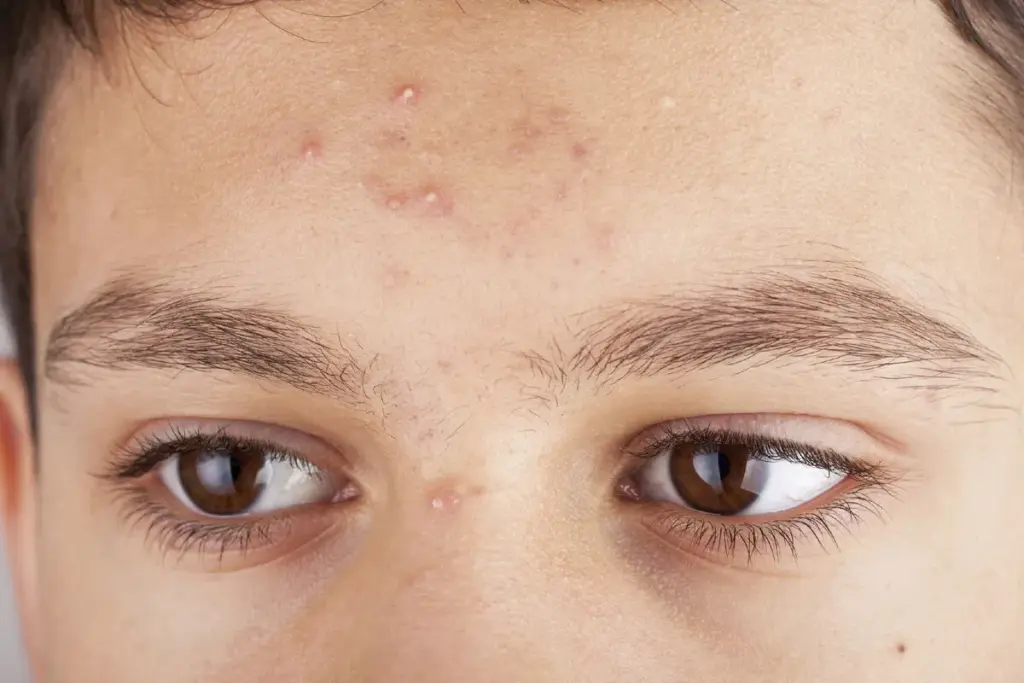
It’s important to know about pustules to treat skin problems well. Pustules are small bumps filled with pus. They can show up on your face or body and might be linked to infections or inflammation.
At our healthcare centers, we offer detailed checks and treatments for pustules. We focus on finding the right cause and treating it properly.
What Is a Pustule? Complete Medical Definition
A pustule is a small bump on the skin that has pus. It’s a term used by doctors to describe skin bumps before they know the cause.
Pustules can be linked to many issues, like acne or serious infections. Knowing what a pustule is helps doctors and patients talk clearly about the problem.
How to Pronounce Pustules and Pustule Correctly
It’s key to say medical terms right for clear talks. The word pustule is said as /ˈpʌstʃuːl/ (PUS-chool). The word pustules is similar but with a “s” at the end. Learning how to say pustule and pustules right helps everyone talk about the condition better.
| Term | Pronunciation | Definition |
| Pustule | /ˈpʌstʃuːl/ (PUS-chool) | A small, raised skin lesion containing pus. |
| Pustules | /ˈpʌstʃuːlz/ (PUS-chools) | Plural form of pustule, referring to multiple lesions. |
Key Visual and Physical Characteristics
Pustules look like small, raised bumps with pus inside. They might feel sore and have redness or swelling around them. The main visual characteristics are:
- Small, raised appearance
- Pus-filled content
- Potential tenderness to the touch
- Possible surrounding redness or inflammation
Spotting these signs is key to figuring out what’s causing pustules and how to treat them.
Medical Meaning and Clinical Significance of Pustules
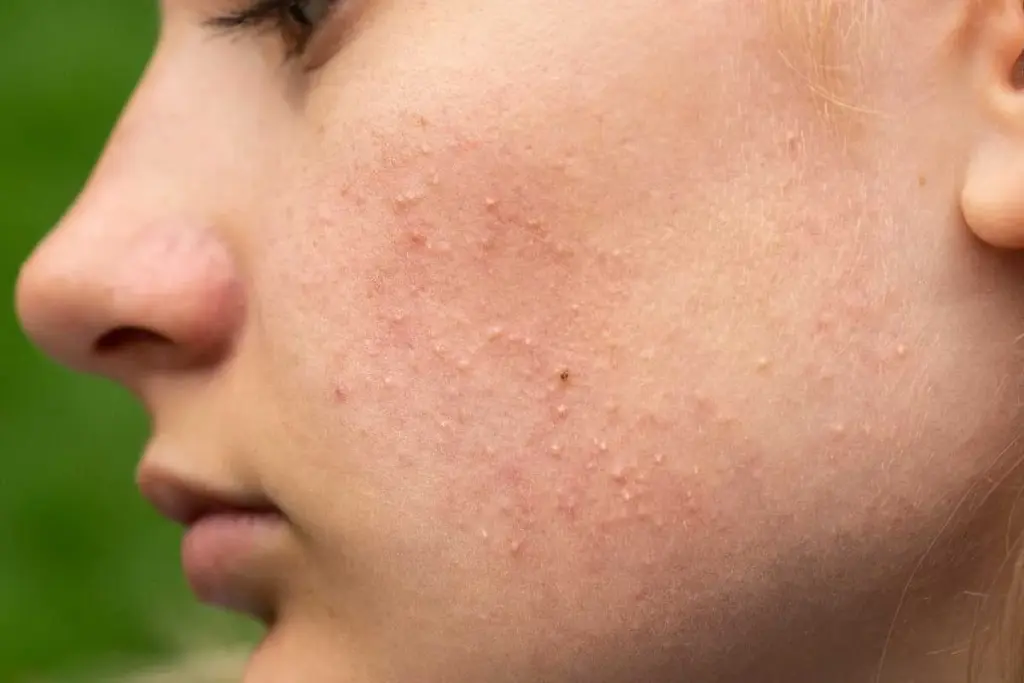
Understanding pustules is key to managing skin health. They are not just a cosmetic issue. They can show signs of skin problems that need medical help.
At Liv Hospital, we stress the importance of knowing about pustules. Pustules are linked to many skin diseases, like acne, folliculitis, and impetigo. Knowing their causes and signs is vital for the right diagnosis and treatment.
Common Causes and Conditions Associated with Pustules
Pustules can come from many things, like bacterial infections, clogged pores, and inflammation. Some common causes and related conditions include:
- Acne vulgaris
- Folliculitis
- Impetigo
- Keratin buildup and clogged pores
These issues can cause pustules to appear on the face, back, and other areas prone to acne or folliculitis.
Pustules vs. Papules, Vesicles, and Other Skin Lesions
It’s important to tell pustules apart from other skin problems. Pustules are known for their pus-filled look. Here’s how they differ:
- Papules are solid, raised spots without pus.
- Vesicles are fluid-filled, but the fluid is clear, not pus.
- Nodules are bigger, solid, and can hurt. They are deeper in the skin.
Knowing these differences helps doctors find the right cause of skin problems and plan the best treatment.
When to Seek Professional Medical Evaluation
While some pustules can be treated at home, others need a doctor’s help. You should see a doctor if:
- You have severe or lasting pustules.
- Pustules come with fever, redness, or swelling.
- Over-the-counter treatments don’t work.
At Liv Hospital, our doctors provide detailed checks and treatments for pustular skin issues. We aim to give top-notch healthcare and support to our patients.
Conclusion
Knowing what a pustule is in a medical sense is key to keeping your skin healthy. Pustules are common skin bumps that can show up for many reasons. Understanding them can help you find the right treatment.
We’ve looked into what pustules are, how they look, and why they happen. It’s important to know the difference between pustules and other skin bumps. This helps doctors give the right treatment.
At Liv Hospital, we offer full care for pustule-related issues. Our team is ready to help manage your skin condition. We make sure you get the care you need.
Learning about pustules is the first step to better skin health. With the right treatment, you can manage pustules and keep your skin healthy.
FAQ
Medical Meaning and Clinical Significance of Pustules
Pustules are small, inflamed skin lesions filled with pus, often indicating infection or inflammation.
What Is a Pustule? Complete Medical Definition
A pustule is a raised skin lesion containing white or yellow pus, commonly due to bacterial infection or inflammatory conditions like acne.
How to Pronounce Pustules and Pustule Correctly
“PUS-tyools” (pustules) and “PUS-tyool” (pustule).
Key Visual and Physical Characteristics
Small, raised, pus-filled bumps with redness around them; may be tender or painful.
Common Causes and Conditions Associated with Pustules
Acne, bacterial infections, Impetigo, and some inflammatory skin conditions.
Pustules vs. Papules, Vesicles, and Other Skin Lesions
-
Pustules: contain pus
-
Papules: solid, no pus
-
Vesicles: fluid-filled (clear liquid)
When to Seek Professional Medical Evaluation
If pustules are widespread, painful, persistent, associated with fever, or not improving with basic care.
References
ScienceDirect. Evidence-Based Medical Insight. Retrieved from https://www.sciencedirect.com/book/9780323548373/andrews-diseases-of-the-skin



 Departments
 Related Videos
 Our Doctors
 News
News