
Quinsy is a serious problem caused by a bacterial infection. It forms a collection of pus behind the tonsils. Getting medical help quickly is very important to avoid worse problems.
Quinsy, also known as peritonsillar abscess, needs quick medical care. If not treated, it can cause serious issues.
Understanding Quinsy Throat: Definition and Overview

Quinsy throat, also known as peritonsillar abscess, is a severe infection near the tonsils. It’s marked by pus behind the tonsils, causing severe throat pain and trouble swallowing.
Medical Definition of Peritonsillar Abscess
A peritonsillar abscess is a serious issue that comes from tonsillitis. It happens when an infection spreads to the tissue around the tonsils, forming an abscess. This is a medical emergency because the abscess can burst and cause serious problems.
The abscess usually comes from a bacterial infection, often Streptococcus or Staphylococcus. Knowing what it is helps us see how serious it is and why we need to treat it quickly.
Prevalence and Demographics
Quinsy throat mostly affects young adults, between 15 and 30 years old. It’s not very common but is a big problem if you have tonsillitis often. People who get tonsillitis a lot are more likely to get quinsy throat.
This shows how important it is to handle tonsillitis well to avoid quinsy throat. It’s more common in males and those who have had tonsillitis before.
Relationship to Tonsillitis
Quinsy throat is closely linked to tonsillitis. It often happens as a complication of tonsillitis. Tonsillitis is an infection of the tonsils, caused by viruses or bacteria. If tonsillitis isn’t treated well, the infection can spread and cause a peritonsillar abscess.
- It’s key to understand the link between quinsy throat and tonsillitis for early treatment.
- Managing tonsillitis well can stop quinsy throat from happening.
- Knowing the signs of quinsy throat, like severe pain and trouble swallowing, is important for getting medical help fast.
The Anatomy of Quinsy Throat Development
Quinsy Throat, also known as peritonsillar abscess, is a serious complication. It happens when an infection from the tonsils spreads to the surrounding tissues. This leads to a pus-filled abscess beside the tonsils.
The infection spreads to the peritonsillar space, causing pus to build up. This can lead to severe pain, swelling, and trouble swallowing.
Knowing how Quinsy Throat develops is key for proper diagnosis and treatment. Quick medical care is vital to avoid more serious problems.
Common Causes and Risk Factors of Quinsy Throat
Quinsy throat is a serious condition that needs quick medical help. It happens when an abscess forms around the tonsils.
Causes and Risk Factors
The main cause is a bacterial infection, often from Streptococcus pyogenes. Poor oral hygiene, smoking, and a history of tonsillitis also increase the risk.
Symptoms include severe throat pain, trouble swallowing, and swollen lymph nodes. If not treated, it can cause abscess rupture or spread infection.
Antibiotics are usually the first treatment to fight the infection. Sometimes, draining the abscess is needed to avoid more problems.
Good oral hygiene, not smoking, and seeing a doctor if symptoms don’t go away can help prevent quinsy throat.
Is Quinsy Throat Contagious?
Quinsy, also known as a peritonsillar abscess, is a serious complication of tonsillitis. It happens when an infection spreads to the tissues around the tonsils, causing an abscess. While quinsy itself is not contagious, the infection that causes it can be.
The bacteria that cause quinsy, such as Streptococcus pyogenes, can spread through close contact. This can happen by sharing food or drinks, or touching contaminated surfaces. But, the chance of getting infected is low. Most people won’t get quinsy even if they’re around someone who has it.
To lower the risk of getting infected, it’s key to practice good hygiene. Wash your hands often, and do it after touching someone who’s sick. Also, try not to share food or drinks with someone who has quinsy. This can help prevent the spread of the infection.
Recognizing Symptoms of Quinsy Throat
Quinsy Throat is a serious condition that needs quick medical help. It shows severe symptoms like intense throat pain and trouble swallowing. These signs are due to swelling and inflammation.
Severe Throat Pain
Severe throat pain is a key sign of Quinsy Throat. This pain can be so bad that it makes swallowing hard. It might also spread to the ear.
Difficulty Swallowing
Having trouble swallowing is another important symptom. This happens because of swelling and inflammation from the abscess.
Fever
Fever often comes with Quinsy Throat, showing there’s an infection.
Other Symptoms
Other signs include swollen lymph nodes and feeling very unwell. Sometimes, a sore throat is also present.
When to Seek Medical Attention
If you notice these symptoms, get medical help right away. Quinsy Throat can cause serious problems if not treated early. Quick action and treatment can greatly help.
Knowing the symptoms of Quinsy Throat helps get medical help fast. This can lower the risk of serious issues and help you recover fully.
Diagnosis and Medical Assessment
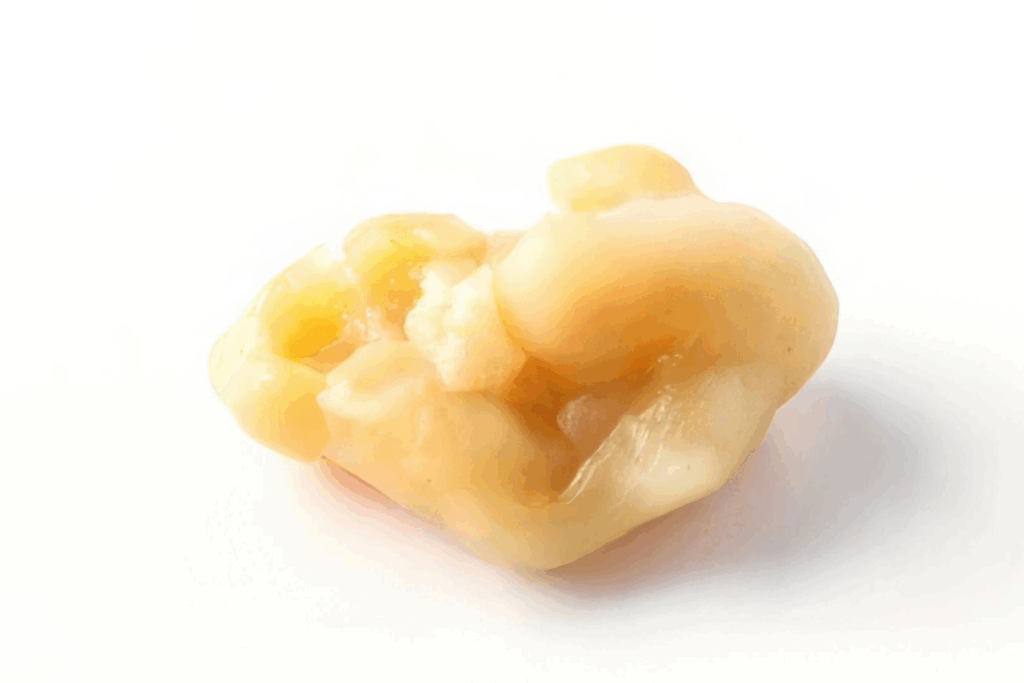
Diagnosing quinsy throat involves both a physical check-up and lab tests. Getting the right diagnosis is key for the right treatment and to avoid serious problems.
Physical Examination
First, we do a detailed physical check. We look for swelling, redness, and unevenness of the tonsils. We also check for a soft, movable mass that shows an abscess.
Key findings during a physical examination may include:
- Severe throat pain
- Difficulty swallowing
- Fever
- Swollen lymph nodes
- Deviation of the uvula
Laboratory Tests
Lab tests are vital to confirm the diagnosis and find the cause. We usually do:
- Complete Blood Count (CBC) to check for infection signs
- Blood cultures to find bacteremia
- Throat swab or pus aspiration for culture and sensitivity testing
These tests guide the choice of antibiotics.
Imaging Studies
At times, we need imaging to see how big the abscess is or to check for other issues. We might use:
- Ultrasound to look at the peritonsillar space
- CT scan for a detailed look at the abscess and nearby areas
Differential Diagnosis
It’s important to tell quinsy throat apart from other conditions with similar symptoms. These include:
- Tonsillitis
- Peritonsillar cellulitis
- Infectious mononucleosis
- Retropharyngeal abscess
A detailed diagnostic process ensures the right diagnosis and treatment.
| Diagnostic Approach | Key Components | Purpose |
| Physical Examination | Visual inspection, palpation | Identify signs of quinsy throat |
| Laboratory Tests | CBC, blood cultures, throat swab | Confirm infection, identify pathogens |
| Imaging Studies | Ultrasound, CT scan | Assess abscess extent, rule out complications |
| Differential Diagnosis | Comparison with other conditions | Ensure accurate diagnosis |
Treatment Approaches for Quinsy Throat
Quinsy Throat treatment involves several steps. It includes medical care and sometimes surgery. The main aim is to get rid of the infection and avoid more problems.
Medical Management
Antibiotics are key in treating Quinsy Throat. Doctors often use broad-spectrum antibiotics to fight many bacteria. The type of antibiotic and how long you take it depend on the infection’s severity and your health.
Surgical Interventions
If the abscess is big or doesn’t get better with antibiotics, surgery might be needed. This involves making a small cut in the abscess to drain the pus. It helps reduce bacteria and aids in healing.
Most people with Quinsy Throat can get better with the right treatment. But, it’s important to see a doctor quickly to avoid serious issues.
Complications and Long-Term Outlook of Quinsy Throat
It’s important to know the risks of quinsy throat for better care. Quinsy throat, or peritonsillar abscess, is a serious issue. It can cause big problems if not treated right. We’ll look at the risks and what the future holds for those with quinsy throat.
Potential Complications
Quinsy throat can cause serious problems like airway blockage and sepsis. Airway blockage happens when swelling blocks the airway, leading to breathing trouble. Sepsis is a dangerous condition when the infection spreads through the blood.
Other risks include:
- Infection spreading to other head and neck areas
- Creating a new abscess
- Damage to tonsils and nearby tissues
Doctors say quick treatment is key to avoid these issues and get a good outcome.
“The key to managing quinsy throat lies in early diagnosis and appropriate intervention,” says Medical Expert, an expert in otolaryngology.
| Complication | Description | Potential Outcome |
| Airway Obstruction | Blockage of the airway due to swelling | Respiratory distress, possible asphyxiation |
| Sepsis | Infection spreads to the bloodstream | Life-threatening, could lead to organ failure |
| Spread of Infection | Infection spreads to other head and neck areas | More complications, might form abscesses |
Recovery Timeline
How long it takes to get better from quinsy throat varies. It depends on how bad the condition is and how well treatment works. Usually, people start feeling better in a few days after starting antibiotics. But, it can take weeks to fully recover.
Things that affect recovery include:
- How fast and right medical treatment is
- How bad the abscess is and the patient’s health
- Following doctor’s advice after treatment
Long-Term Prognosis
Most people with quinsy throat do well if treated quickly and correctly. They usually get better completely without lasting problems. But, some might get quinsy throat again, needing more medical help or even a tonsillectomy.
It’s vital to keep up with follow-up care. This makes sure the infection is gone and deals with any issues that led to quinsy throat. Knowing the risks and acting early helps patients have a good future.
Conclusion: Prevention and Management of Quinsy Throat
Knowing the risks can help you avoid quinsy throat. Taking steps to prevent it is key. Good oral health is important for your overall well-being.
FAQ
What is Quinsy Throat?
Quinsy throat, also known as peritonsillar abscess, is a serious infection. It happens when pus forms beside the tonsils. This is a complication of tonsillitis.
What are the symptoms of Quinsy Throat?
Symptoms include severe throat pain and trouble swallowing. You might also have a fever and swelling in your face and neck.
Is Quinsy Throat contagious?
Quinsy throat itself is not contagious. But, the infection that causes it can be contagious.
What are the risk factors for developing Quinsy Throat?
Risk factors include a history of tonsillitis and being prone to infections. Also, having a weakened immune system increases the risk.
How is Quinsy Throat diagnosed?
Diagnosis involves a physical exam and medical history. Tests like a complete blood count (CBC) and CT scans are also used.
What is the treatment for Quinsy Throat?
Treatment includes antibiotics to fight the infection. Sometimes, draining the abscess is needed.
Can Quinsy Throat be prevented?
Prevention involves good hygiene and avoiding sick people. Getting vaccinated against infections like strep throat helps too.
What are the possible complications of Quinsy Throat?
Possible complications include airway obstruction and sepsis. The infection could also spread to other parts of the body.
How long does it take to recover from Quinsy Throat?
Recovery time depends on the infection’s severity and treatment success. Most people get better in a few weeks.
Can Quinsy Throat recur?
Yes, it can recur if the infection is not fully treated. Or if you’re prone to infections.
Is Quinsy Throat a serious condition?
Yes, it’s a serious condition. It needs prompt medical attention to avoid complications.
References
National Health Service (NHS). (2025). What Is Quinsy Throat and How Does It.