
An allergist is a doctor who deals with allergies. If you have allergy symptoms without knowing why, getting ready for your allergist visit is key.allergy testing
Knowing what an allergist does and what to expect can help a lot. They find out what causes your allergies, help manage symptoms, and prevent serious problems from allergy testing.
Key Takeaways
- Understand the role of an allergist in diagnosing and treating allergic diseases.
- Prepare a list of your symptoms and when they occur.
- Know your family’s medical history.
- Bring any relevant medical records to your visit.
- Be ready to discuss your lifestyle and environment.
Understanding the Role of an Allergist

An allergist is a doctor who deals with allergies. They help patients with allergic conditions. Knowing what an allergist does is key to managing allergy symptoms well.
When to Consider Seeing an Allergist
If you have severe or ongoing allergy symptoms, see an allergist. Those with mild allergies might not need treatment. But, serious or persistent issues need professional help.
How Allergists Diagnose and Treat Allergies
Allergists use tests like skin and blood tests to find out what you’re allergic to. They then create a treatment plan. This might include skin allergy medicine, avoiding certain things, and immunotherapy to help you get used to allergens.
|
Diagnostic Method |
Description |
Use Case |
|---|---|---|
|
Skin Test |
A test where small amounts of possible allergens are put on the skin to see how you react. |
Great for finding out about environmental and food allergies. |
|
Blood Test |
A test that checks the blood for allergy-related antibodies. |
Used when skin testing isn’t possible or to back up skin test results. |
Specialized Training and Expertise
Allergists get a lot of training to work with allergies. Their knowledge means patients get the right diagnosis and treatment. It’s all about what each patient needs.
Common Reasons for Seeking Allergy Testing
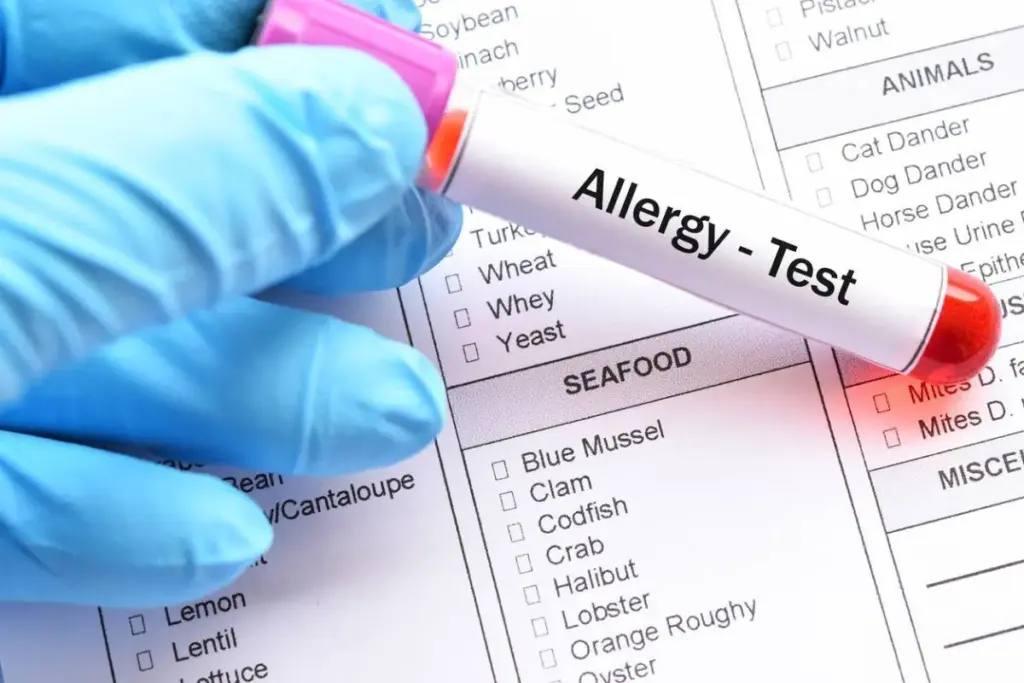
Knowing why you need allergy testing helps you get ready for your visit. It’s a key step in figuring out and handling allergy symptoms. If you’re dealing with strange reactions or ongoing symptoms, think about getting tested.
Respiratory Symptoms and Seasonal Allergies
Feeling stuffy, sneezing a lot, or having itchy eyes are common signs you might need testing. Seasonal allergies, caused by pollen, can really affect your life. An allergist can figure out what’s making you sick.
Skin Reactions and Rashes
Skin issues like rashes or eczema might mean you have an allergy. Things like metals, latex, or chemicals could be the culprits. Testing can find out what’s causing your skin problems.
Food Sensitivities and Intolerances
Food sensitivities or intolerances can lead to mild to severe symptoms. Testing can tell if you have a true allergy or just a sensitivity. This helps you know what foods to avoid.
Medication Allergies and Reactions
Some people react badly to certain medicines. Finding out if you’re allergic is key for safe treatments. An allergist can run tests to see if you’re allergic to a medication.
Understanding why you might need allergy testing helps you get ready for your visit. It’s the first step to managing your symptoms and improving your health.
Preparing Your Medical History
Getting your medical history ready is key for a correct diagnosis and treatment plan. You need to collect all the health info to help your allergist understand your situation.
Documenting Your Symptoms in Detail
Begin by writing down your allergy symptoms in full detail. Mention how often, how long, and how bad your symptoms are. This helps your allergist spot patterns and possible causes.
Family History of Allergies and Asthma
Your family history is important for understanding your allergies. Tell your allergist about any family members with allergies or asthma. This can change how they diagnose and treat you.
Previous Allergy Treatments and Responses
Make a list of any previous treatments for your allergies. Include the medicines you’ve tried and how they worked. This info helps your allergist decide the best next steps.
Current Medication List
Take your current medication list to your appointment. Include both prescription and over-the-counter meds. This helps your allergist watch for any bad reactions or side effects.
|
Information Type |
Description |
Importance |
|---|---|---|
|
Symptom Details |
Frequency, duration, severity |
Helps identify patterns and triggers |
|
Family History |
Allergies, asthma in family members |
Impacts diagnosis and treatment |
|
Previous Treatments |
Medications, effects, and responses |
Guides future treatment plans |
|
Current Medications |
Prescription and over-the-counter medications |
Helps avoid interactions and side effects |
Medication Guidelines Before Allergy Testing
To get accurate allergy test results, it’s important to follow certain medication guidelines. Some medicines can mess with the test results, leading to wrong diagnoses.
Antihistamines to Avoid Before Testing
Antihistamines are common medications that can affect test results. These include:
- Over-the-counter antihistamines like diphenhydramine (Benadryl)
- Prescription antihistamines such as cetirizine (Zyrtec)
Over-the-Counter Antihistamines for Allergic Reactions
OTC antihistamines help with allergic reactions. But, they can make the skin not react to allergens during testing. This might lead to false-negative results.
Can You Take Zyrtec and Benadryl Together?
It’s not good to take Zyrtec and Benadryl together without a doctor’s okay. Both are antihistamines, and mixing them can cause bad side effects. It can also mess up allergy test results.
Other Medications That May Affect Test Results
Other medicines can also affect test results. These include:
|
Medication Type |
Examples |
|---|---|
|
Antihistamine-containing products |
Cold medications, sleep aids |
|
Corticosteroids |
Prednisone |
|
Tricyclic antidepressants |
Amitriptyline |
When to Stop Taking Medications
The time to stop medications before testing varies. Usually, you should stop taking antihistamines 3 to 5 days before. But, always follow your allergist’s specific instructions.
Medications You Can Continue Taking
Not all medications need to be stopped before testing. For example, you can keep taking medicines for chronic conditions like high blood pressure or thyroid issues. Just make sure your doctor says it’s okay.
A medical expert says, “It’s key to tell your allergist about all your medicines. They’ll tell you which ones to stop or keep taking before the test.”
What to Expect During Different Types of Allergy Testing
Allergy testing includes skin tests, blood tests, and food challenge tests. Each has its own way of checking for allergies. Knowing about these tests helps you get ready for your visit and make smart choices about managing your allergies.
Skin Allergy Tests
Skin tests are a common way to find out about allergies. They work by putting a bit of the suspected allergen on your skin to see how your body reacts.
Allergy Scratch Test Procedure
The allergy scratch test, or prick test, is a simple method. It involves putting a tiny bit of the allergen on your skin and then pricking it with a lancet. This lets a small amount of the allergen get in. Then, the doctor watches for a reaction.
Intradermal Tests
Intradermal tests are a bit more involved. They involve injecting a small amount of the allergen into your skin. This test is used when the scratch test doesn’t give clear results.
Skin Intolerance Test Methods
Skin intolerance tests help figure out sensitivities to certain things. They’re great for finding out what causes contact dermatitis.
Blood Tests for Allergies
Blood tests check for allergy-related antibodies in your blood. They’re good when you can’t do skin tests.
Food Challenge Tests
Food challenge tests are about eating small amounts of a suspected food allergen. This is done under a doctor’s watch to see how you react.
Learning about the different allergy tests helps you get ready for your visit. It’s the first step to managing your allergies well.
Creating a Detailed Symptom Diary
Keeping a detailed symptom diary is key to understanding and managing allergies. By recording your symptoms, you can spot patterns and triggers. This makes it easier to treat your allergies.
What Symptoms to Track
It’s important to track many symptoms in your diary. This includes respiratory issues, skin reactions, and stomach problems. Note how severe and long each symptom lasts to find patterns.
For example, tracking symptoms during different seasons can show which allergens bother you most. Common symptoms to track include:
- Congestion and sneezing
- Skin rashes or itching
- Digestive issues after eating certain foods
How to Identify Potencial Triggers
Finding triggers means linking your symptoms to things around you. For instance, if symptoms get worse near pets, pet dander might be the culprit. Keeping a detailed log of your activities helps find these triggers.
Digital Apps and Tools for Symptom Tracking
Today, many digital tools help track symptoms. These range from simple apps to advanced platforms that analyze your data. Some apps focus on allergy tracking, helping you monitor symptoms and find allergens.
Connecting Symptoms to Environmental Factors
It’s vital to see how the environment affects your symptoms. This includes changes in seasons, pollen, dust, pet dander, and certain foods. By linking symptoms to these factors, you can better manage your allergies.
For example, if symptoms worsen during pollen season, using air purifiers or masks outdoors can help. This reduces your exposure to pollen.
Dietary Considerations Before Your Appointment
Before you see an allergist, think about what you eat. Some foods might affect your test results. It’s important to avoid certain foods before testing.
Food Restrictions Before Testing
Your doctor might tell you to stop eating certain foods before the test. This is key for food challenge tests. You’ll eat small amounts of food to see how you react.
Keeping a Detailed Food Journal
Keeping a food journal is very helpful. Write down what you eat and any symptoms you have. This info is important for your doctor’s visit.
Common Food Allergens to Watch Out For
Some foods are more likely to cause allergies. These include peanuts, tree nuts, fish, shellfish, milk, eggs, wheat, and soy. Knowing these can help you plan your diet before the test.
Timing of Meals Before Testing
When you eat before the test matters too. Eating a light meal is usually best. It helps you feel more comfortable during the test.
|
Food |
Common Allergic Reactions |
|---|---|
|
Peanuts |
Hives, itching, swelling |
|
Milk |
Digestive issues, skin rashes |
|
Eggs |
Respiratory problems, skin reactions |
Being careful with your diet and keeping a food journal helps your doctor. Proper preparation is key to effective allergy testing.
Environmental Factors to Document
It’s key to know what environmental factors affect your allergies. By tracking these, you can figure out what makes your symptoms worse. Then, you can take steps to lessen those effects.
Seasonal Allergy Patterns
Seasonal allergies can really impact your symptoms. For example, pollen counts are usually higher in spring and fall. This makes symptoms worse for people with seasonal allergies. Knowing these patterns helps you get ready and manage your symptoms better.
Home and Work Environment Triggers
Many allergens can be found in your home and work places. These include dust mites, pet dander, and mold. It’s important to find out what triggers your allergies. This way, you can make your environment more allergy-friendly.
Regular cleaning, using allergen-proof bedding, and keeping good air flow can help. These steps can cut down on allergen exposure.
Pet Exposure and Animal Dander
Pets can be a big source of allergens, mainly their dander. If you’re allergic to pets, it’s important to limit your contact. Regular pet grooming and keeping pets out of your bedroom can help.
Mold, Pollen, and Other Airborne Allergens
Mold, pollen, and other airborne allergens often trigger allergy symptoms. Keeping an eye on local pollen counts and avoiding moldy areas can help. Using air purifiers and being mindful of air quality can also reduce exposure.
By documenting and understanding these environmental factors, you can work with your allergist. Together, you can create a treatment plan that fits your needs.
Insurance and Payment Preparation
Getting ready for an allergist visit means understanding your insurance and costs. This helps reduce stress and prepares you for your appointment.
Checking Insurance Coverage for Allergy Services
Make sure your insurance covers allergy tests and treatments. Call your insurance to learn about your coverage. Find out about deductibles, copays, and if you need pre-approval for some tests.
Understanding Out-of-Pocket Costs
Costs can vary based on your insurance. Knowing what you’ll pay for visits and tests helps with budgeting. Ask about any extra fees for allergy services.
Required Referrals from Primary Care
Some plans need a referral from your doctor before seeing an allergist. Check with your insurance to see if this applies. If so, get the referral in time.
Questions to Ask Your Insurance Provider
Ask your insurance these questions: What’s covered? Are there any costs I should know about? Do I need a referral for an allergist? Knowing this can greatly improve your experience.
Preparing for Skin Allergy Medicine and Treatment Options
Managing skin allergies well means knowing your treatment choices. It’s key to look at both prescription and over-the-counter (OTC) medicines for skin allergies.
Common Treatments for Skin Allergies
Medicines for skin allergies aim to lessen symptoms like itching, redness, and swelling. Here are some common ones:
- Antihistamines: They help with itching and allergic reactions.
- Corticosteroids: These reduce swelling and inflammation.
- Topical creams and ointments: They offer relief from skin irritation.
Questions About Prescription vs. Over-the-Counter Options
It’s important to know the difference between prescription and OTC meds. Prescription meds are stronger for serious reactions. OTC meds work for mild to moderate symptoms.
|
Medication Type |
Prescription |
Over-the-Counter |
|---|---|---|
|
Antihistamines |
Yes, for severe reactions |
Yes, for mild reactions |
|
Corticosteroids |
Yes, for severe inflammation |
Yes, for mild inflammation |
Understanding Potencial Side Effects
All meds, prescription or OTC, can have side effects. Knowing these can help you manage your treatment better.
- Common side effects of antihistamines include drowsiness and dry mouth.
- Corticosteroid side effects include skin thinning and a higher risk of infections with long-term use.
Long-term Management Strategies
Managing skin allergies long-term means avoiding allergens, keeping a symptom diary, and sticking to your treatment plan. Regular check-ups with an allergist help adjust treatments as needed.
Knowing about skin allergy medicine and treatment options helps manage symptoms better. This improves your quality of life.
Conclusion: Making the Most of Your Allergist Visit
Being ready for your allergist visit is key to getting the right diagnosis and treatment. Knowing what an allergist does and how to prepare helps a lot. This way, you can get the most out of your visit.
It’s important to write down your symptoms and health history before going. Also, learn about allergy tests and treatments. Being informed helps you manage your allergies better. This article gives you tips to make your visit productive and get a treatment plan that fits you.
Managing allergies well means more than just tests and treatments. It also includes making lifestyle changes. Working closely with an allergist and taking care of yourself can greatly improve your health. This leads to a better life for you.
FAQ
What is an allergist, and what do they do?
An allergist is a doctor who deals with allergies and asthma. They find out what causes your allergies and help manage symptoms. They also teach you how to avoid problems.
What are the common reasons for seeking allergy testing?
People get tested for allergies when they have breathing problems, skin issues, or reactions to food or medicine. Testing can find out what’s causing these problems.
What medications should I avoid before allergy testing?
Some medicines, like antihistamines, can affect test results. Your allergist will tell you which medicines to stop taking before the test.
Can I take Zyrtec and Benadryl together before allergy testing?
It’s best not to mix Zyrtec and Benadryl before a test. They can cause bad side effects. Always check with your allergist about what medicines to avoid.
What is a skin allergy test, and how is it performed?
A skin test, or allergy scratch test, puts a small amount of an allergen on your skin. It shows how your skin reacts. This helps find out what you’re allergic to.
How do I prepare for a skin allergy test?
Before a skin test, don’t take medicines that might mess up the results. Your allergist will give you specific instructions to follow.
What are the common treatments for skin allergies?
Treatments for skin allergies include medicines like antihistamines and corticosteroids. Your allergist will decide the best treatment for you.
How can I track my symptoms and identify possible triggers?
Keeping a symptom diary is helpful. You can use apps to track your symptoms and see if they’re linked to certain things.
What dietary considerations should I be aware of before my allergist appointment?
You might need to avoid certain foods before testing. Keeping a food journal can help spot food allergens. Know about common allergens and plan your meals carefully.
How can I prepare for insurance and payment for my allergist visit?
Check if your insurance covers allergy services. Know how much you’ll have to pay and if you need a referral. Ask your insurance about coverage to avoid surprises.
References
Centers for Disease Control and Prevention. Evidence-Based Medical Insight. Retrieved from https://www.cdc.gov/asthma/allergies.htm