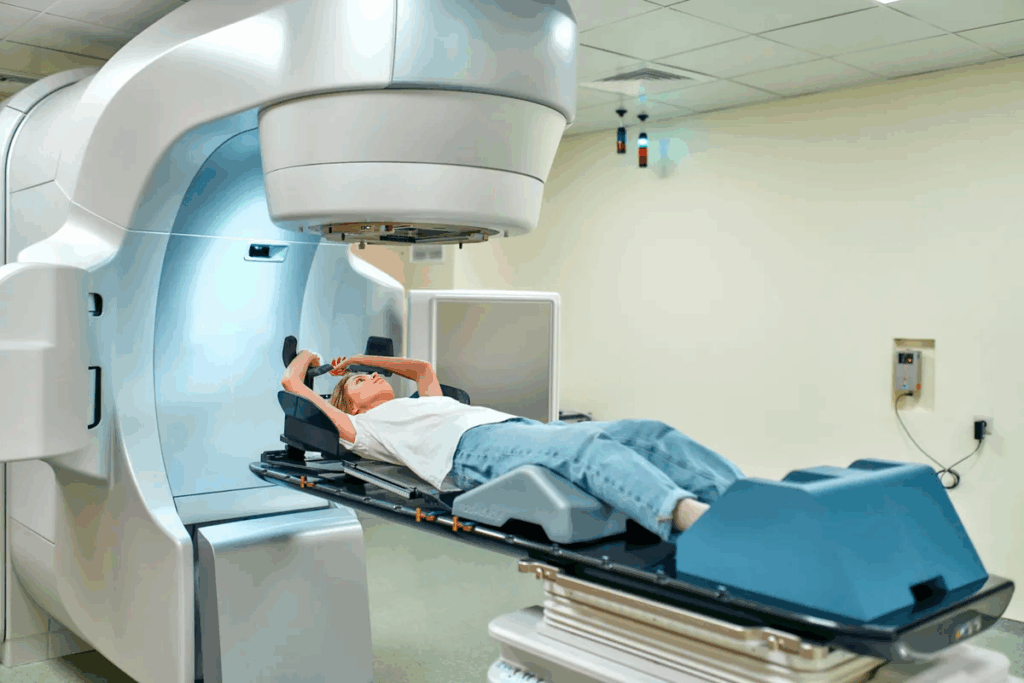
Nearly 70% of breast cancer patients have a lumpectomy. This is followed by radiation therapy to get rid of any cancer cells left behind. An expert guide to the radiation after lumpectomy timeline. Learn when it starts, how long it lasts, and what to expect during treatment.
The timing of radiation therapy after a lumpectomy is a big worry for many. Studies show that radiation treatment usually starts a few weeks after surgery. This lets the area heal enough.
At our place, we know how key it is to find the best follow-up treatment timeline for each patient. Our team works with patients to make a treatment plan that fits them. We consider their health, cancer stage, and other important factors.
Key Takeaways
- The timing of radiation therapy can vary significantly based on individual patient factors.
- Treatment typically starts a few weeks after the surgical site has healed.
- Our team creates a personalized treatment plan for each patient.
- Factors such as overall health and cancer stage influence the treatment timeline.
- Radiation therapy is a key step in getting rid of any cancer cells left.
Understanding Lumpectomy and the Need for Radiation

Lumpectomy and radiation therapy work together to save the breast and get rid of cancer. A lumpectomy removes the tumor and some tissue around it. Even though it’s less invasive than a mastectomy, radiation is often needed to kill any leftover cancer cells.
What is a Lumpectomy and How is it Performed?
A lumpectomy takes out the tumor and some tissue around it. The goal is to remove the cancer while keeping as much of the breast as possible. The surgery is done under general or local anesthesia with sedation.
The surgeon takes out the tumor and some healthy tissue. This tissue is then checked for cancer cells.
“Radiation therapy is a critical component of breast-conserving therapy, significantly reducing the risk of local recurrence.”
Why Radiation Follows Breast-Conserving Surgery

Radiation therapy is needed after a lumpectomy to get rid of any tiny cancer cells left behind. These cells can cause cancer to come back if not treated. Radiation targets the area where the tumor was, lowering the risk of cancer coming back.
Benefits of Radiation Therapy | Description |
Reduces Cancer Recurrence | Eliminates microscopic cancer cells that may remain after surgery |
Preserves Breast Tissue | Allows for the conservation of the breast by removing only the tumor and a small margin of tissue |
Improves Survival Rates | Contributes to overall survival by reducing the risk of local recurrence |
Goals of Post-Lumpectomy Radiation Therapy
The main goal of radiation therapy after a lumpectomy is to lower the risk of cancer coming back in the same breast. It kills any leftover cancer cells, making sure the cancer doesn’t return. It also helps improve survival rates by reducing the risk of cancer coming back.
Understanding radiation therapy after a lumpectomy is key for patients. Knowing why it’s needed helps them make informed decisions about their treatment. This knowledge helps patients better understand their cancer treatment journey.
Radiation After Lumpectomy Timeline: What to Expect
After a lumpectomy, patients often wonder when they’ll start radiation therapy. Knowing when radiation starts is key to understanding the treatment plan. It helps patients get ready for what’s next.
Typical Waiting Period Before Starting Radiation
Studies show that radiation therapy usually starts 3-6 weeks after a lumpectomy. This wait lets the surgical site heal, lowering the risk of problems during radiation. Our team watches each patient closely to find the best start time for radiation.
The standard waiting period is generally between 3 to 6 weeks. But, it can change based on the patient’s health and if they’re getting chemotherapy too.
Why Radiation Usually Begins 3-6 Weeks Post-Surgery
The wait before starting radiation is important for healing and safety. It lets the body recover from surgery and reduces risks during radiation. It also gives our team time to check the patient’s health and plan the best radiation approach.
- Allows for surgical site healing
- Enables assessment of overall patient health
- Facilitates planning for radiation therapy
Complete Treatment Timeline from Surgery to Completion
The treatment timeline varies from patient to patient. But, here’s a general outline to help patients know what to expect.
Treatment Stage | Typical Timeline | Description |
Surgery (Lumpectomy) | Day 1 | Removal of the tumor and some surrounding tissue |
Healing and Recovery | 3-6 weeks | Body heals from surgery, reducing risk of complications |
Start of Radiation Therapy | 3-6 weeks post-surgery | Radiation therapy begins to target any remaining cancer cells |
Completion of Radiation Therapy | 4-6 weeks after start | Radiation therapy is completed, marking the end of this treatment phase |
Knowing the timeline helps patients prepare for their treatment journey. Our team is dedicated to giving personalized care and support every step of the way.
Factors That Influence When Radiation Begins
Radiation therapy timing after a lumpectomy depends on several factors. These include the surgery, the cancer’s type, and the patient’s health. Knowing these can help patients get ready for their treatment.
Surgical Healing Considerations
The healing of the surgical site is key. Radiation therapy can only start when the site is healed enough. Typically, this takes several weeks.
During this time, doctors watch for any signs of problems. Issues like infection or slow healing can delay radiation therapy.
Pathology Results and Their Impact on Timing
Pathology results give detailed info about the cancer and if it’s all gone. These results affect when radiation therapy starts. They help doctors decide if more treatments are needed.
Oncologist Assessment Criteria
The oncologist’s evaluation of the patient’s health and cancer stage is important. They consider the patient’s age, health, and any other conditions. These factors help decide when to start radiation therapy.
Factor | Description | Impact on Radiation Timing |
Surgical Healing | Extent of healing from surgery | Delays radiation until sufficient healing |
Pathology Results | Detailed cancer information | Influences need for additional treatments |
Oncologist Assessment | Evaluation of patient’s health and cancer stage | Determines optimal timing based on individual factors |
Healthcare providers use these factors to create a treatment plan for each patient. This ensures the best results for everyone.
Chemotherapy and Its Effect on Radiation Timing
Deciding when to use chemotherapy and radiation therapy is complex. It depends on the cancer’s stage and the patient’s health. In breast cancer treatment, the order matters a lot.
When Chemotherapy Comes First
Chemotherapy might come before radiation in some cases. This is true when there’s a high risk of cancer coming back or if the cancer is aggressive. Starting with chemotherapy targets any cancer cells left after surgery.
This makes radiation therapy more effective. Chemotherapy also shrinks cancer cells, which can make radiation more focused and effective.
Sequencing Treatments: Chemo Before or After Radiation
Choosing whether to use chemotherapy before or after radiation depends on many things. These include the cancer’s stage, the patient’s health, and the tumor’s characteristics. Our team carefully looks at these to decide the best order for each patient.
In some cases, radiation comes first, if the cancer is small and local. But if chemotherapy comes first, it helps us see how well the cancer responds. This information helps plan the radiation treatment.
Recovery Time Between Different Treatment Modalities
How long it takes to recover between chemotherapy and radiation is key. Patients need time to get over chemotherapy side effects before starting radiation. This recovery time varies based on how well someone responds to chemotherapy and their health.
Our team works closely with patients to plan their treatment. We make sure they get the best care possible. By planning treatment carefully and allowing enough recovery time, we aim for the best treatment results.
The Pre-Radiation Planning Process
The pre-radiation planning process is key in your treatment journey. It makes sure radiation therapy fits your needs perfectly. This step is important for making treatment work well and reducing side effects.
Initial Radiation Oncology Consultation
The planning starts with an initial radiation oncology consultation. Here, you talk with a radiation oncologist about your treatment goals. You can also share any questions or concerns.
This meeting is important. It helps you understand your diagnosis and why you need radiation therapy. You’ll also know what to expect during treatment.
Simulation and Treatment Mapping Procedures
After the initial meeting, the next step is simulation and treatment mapping procedures. Simulation uses imaging like CT scans to find the exact area to treat. This ensures the radiation goes where it’s needed without harming healthy tissues.
Treatment mapping creates a detailed map of the area to be treated. It considers the tumor’s size, shape, and location. This helps create a treatment plan that’s just right for you.
Creating Your Custom Treatment Plan
Your radiation oncology team uses the simulation and mapping info to make a custom radiation treatment plan. This plan includes the dose, how often, and for how long you’ll receive treatment.
As an expert says, “A well-crafted treatment plan is the foundation of effective radiation therapy. It ensures patients get care that’s tailored to their unique situation.” This careful planning helps make treatment effective while keeping it from affecting your daily life too much.
Types of Radiation Therapy After Lumpectomy
Radiation therapy after lumpectomy comes in different forms. Each has its own benefits and things to consider. We work with patients to find the best type of radiation for them.
External Beam Radiation Therapy
External beam radiation therapy sends radiation from outside the body. It’s common because it targets the area around the lumpectomy site well.
We use advanced technology to focus the beams on the tumor. This helps protect healthy tissues nearby.
Accelerated Partial Breast Irradiation (APBI)
Accelerated Partial Breast Irradiation (APBI) focuses on the area around the tumor. It’s faster than other treatments, making it easier for some patients.
APBI is great for early-stage breast cancer. It gives more radiation directly to the tumor site.
Intraoperative Radiation Therapy (IORT)
Intraoperative Radiation Therapy (IORT) gives radiation during surgery. It can lower the chance of cancer coming back.
IORT is for early-stage breast cancer patients. It’s a good choice for those wanting a single radiation session.
Hypofractionated vs. Conventional Radiation Schedules
Hypofractionated radiation schedules use higher doses for a shorter time. This is more convenient for patients. Conventional schedules use smaller doses over a longer time.
Radiation Therapy Type | Description | Benefits |
External Beam Radiation Therapy | Radiation delivered from outside the body | Effective targeting of tumor site, minimizes exposure to healthy tissues |
Accelerated Partial Breast Irradiation (APBI) | Targets only the area around the tumor site | Reduces treatment time, convenient for patients |
Intraoperative Radiation Therapy (IORT) | Radiation delivered directly to the tumor site during surgery | Effective in reducing recurrence risk, single-session treatment |
Hypofractionated Radiation Schedules | Higher doses over a shorter period | More convenient for patients, reduced treatment duration |
Lumpectomy Recovery Before Starting Radiation
Recovery after a lumpectomy is a key step before radiation therapy. It prepares patients for the next part of their treatment. This time is important for both physical and emotional readiness.
Physical Healing Milestones Before Radiation
Several physical healing milestones are watched during recovery. These milestones help decide when to start radiation therapy. They include:
- Reduction of Swelling: Swelling from the surgery usually goes down in a few weeks.
- Surgical Site Healing: The area where the surgery was done needs time to heal well. This reduces the chance of problems.
- Return of Mobility: Patients are told to slowly get back their movement and strength.
Preparing Your Body for Radiation Treatment
To get ready for radiation, adopting a healthy lifestyle is key. This means:
- Nutritional Balance: Eating a diet full of nutrients helps with healing.
- Regular Exercise: Doing gentle exercises as advised by your doctor keeps you strong and mobile.
- Adequate Rest: Getting enough rest lets your body heal.
What to Expect During the Waiting Period
Before starting radiation, patients can look forward to:
- Regular Follow-Ups: Seeing your healthcare team often to check on healing.
- Emotional Support: Getting help from counseling or support groups for emotional health.
- Treatment Planning: Your radiation oncologist will create a treatment plan just for you.
Knowing what to expect can make patients feel less anxious. It helps them prepare for the next part of their treatment.
The Radiation Treatment Schedule and Duration
Radiation therapy is tailored to each patient. It takes into account the type of radiation and the patient’s health. Every patient’s journey is different, and so is their treatment plan.
After a lumpectomy, the treatment schedule aims to be effective yet gentle. It usually involves daily sessions, Monday through Friday, for several weeks.
Standard Treatment Frequency and Appointment Length
Most patients get external beam radiation therapy (EBRT) once a day. The actual radiation takes just a few minutes. But, the whole appointment, including setup, can take 15 to 30 minutes.
- Daily sessions are typically scheduled for 5-7 weeks.
- Some patients may be eligible for shorter treatment courses, such as hypofractionated radiation.
- Treatment duration can vary based on the specific type of radiation therapy chosen.
Typical Length of Treatment Course
The treatment course length varies, but most last 3-6 weeks. The exact duration depends on several factors, including cancer stage, radiation type, and patient health.
For example, conventional radiation therapy usually lasts 6 weeks. Hypofractionated radiation can be done in 3 weeks. Accelerated Partial Breast Irradiation (APBI) can even finish in 5 days.
Factors That May Extend or Shorten Your Treatment
Several factors can affect radiation therapy length and frequency. These include:
- The stage and type of breast cancer.
- The patient’s response to treatment.
- Any side effects experienced during treatment.
- The patient’s overall health and any pre-existing conditions.
We closely monitor our patients during treatment. We make adjustments as needed to ensure the best outcomes. It’s a team effort, and we’re here to support you every step of the way.
Understanding what influences radiation treatment scheduling helps patients prepare. We’re here to guide you through your treatment journey. We ensure you receive the care and support you need.
Managing Side Effects During Radiation Therapy
When patients start radiation therapy after a lumpectomy, knowing about side effects is key. Radiation is important for fighting cancer back, but it can affect people in different ways. Knowing what to expect and how to handle these effects can make treatment better.
Common Side Effects to Expect During Treatment
Radiation therapy can lead to fatigue, skin changes, and swelling. Fatigue is common because the body reacts to the radiation. Skin might get red, dry, or itchy. Swelling can happen because of the radiation’s effect on the breast tissue.
Skin Care During Radiation Therapy
Good skin care is important during radiation therapy. Use mild soap and lukewarm water for cleaning. Avoid harsh products or anything not approved by your doctor. Moisturizing with a gentle, fragrance-free moisturizer helps soothe the skin.
“Gentle skin care practices can make a big difference in how your skin reacts to radiation therapy,” says a radiation oncologist.
Energy Conservation Strategies
Managing fatigue is important for quality of life during radiation therapy. Energy conservation strategies are very helpful. Take breaks, prioritize tasks, and pace yourself. Listen to your body and rest when needed.
Doing gentle exercises, as advised by your doctor, can also help keep your energy up.
When to Contact Your Healthcare Team About Side Effects
While many side effects can be managed on your own, there are times to call your healthcare team. If side effects get worse or if you have severe symptoms, seek help. Your healthcare team can adjust your treatment to make you more comfortable.
Special Considerations That May Delay Radiation
Some things can make starting radiation therapy after a lumpectomy take longer. Even though radiation usually starts a few weeks after surgery, different factors can change this plan.
Surgical Complications and Their Impact
Problems like infection or trouble healing can make starting radiation therapy wait. It’s important to let the body fully heal before starting treatment.
Infection or Wound Healing Issues
Issues with infections or wound healing are big concerns. It’s key to make sure the surgical area is fully healed before starting radiation.
Pre-existing Health Conditions
Health problems before surgery can also affect when radiation starts. Some conditions might make it harder for a patient to handle radiation, so the treatment plan might need to change.
Breast Reconstruction Considerations
For those getting breast reconstruction, planning radiation therapy carefully is important. Radiation can impact the reconstruction, so our team works to coordinate these treatments well.
We know every patient is different. Our team looks at each situation carefully to figure out the best time for radiation therapy. We consider any special needs that might apply.
Patient Experiences: What to Realistically Expect
Real patient stories give a clear view of what radiation therapy is like. They help new patients get ready emotionally and physically. Knowing what others have gone through helps them understand their own journey better.
First-Hand Accounts of Treatment Timing
Many patients have shared their experiences with radiation therapy after a lumpectomy. They talk about the timing and process of treatment. Some started radiation therapy a few weeks after surgery, while others waited longer due to healing or chemotherapy needs.
Emotional preparation is very important during this time. Patients say it’s key to stay informed and connected with their healthcare team. This helps manage anxiety and set realistic expectations.
Aspect of Treatment | Patient Experience |
Waiting Period Before Radiation | Variable, typically 3-6 weeks post-surgery |
Emotional Preparation | Staying informed, support groups, counseling |
Balancing Life and Treatment | Flexible scheduling, prioritizing self-care |
Emotional and Physical Preparation Tips
Getting ready for radiation therapy means preparing emotionally and physically. Patients find it helpful to stay connected with support groups, family, and friends. Maintaining a healthy lifestyle, like eating well and exercising, helps too.
It’s important to follow your healthcare team’s advice on skin care during radiation. Also, save energy by resting when you need to.
Balancing Life, Work, and Treatment
Managing life, work, and treatment requires careful planning. Many patients talk about discussing flexible work options with their employers. They also focus on self-care to handle treatment demands and daily life.
By learning from others and preparing well, patients can face their radiation therapy journey with more confidence and less worry.
Communicating With Your Healthcare Team About Timing
Getting the timing right for your radiation therapy is a team effort. You and your healthcare team need to work together. Good communication is key to getting care that fits your needs.
Questions to Ask Your Radiation Oncologist
Before talking to your radiation oncologist, make a list of questions. Some important ones include:
- What is the recommended timeline for starting radiation therapy after my lumpectomy?
- How will my overall health and any pre-existing conditions affect the timing of my radiation treatment?
- Are there any specific factors related to my surgery or pathology results that could influence when radiation begins?
- What are the possible risks or consequences of delaying radiation therapy?
These questions help you understand why you start treatment when you do. They also prepare you for what’s ahead.
Advocating for Your Needs in Treatment Planning
It’s important to speak up for what you need during treatment planning. This might mean sharing your work or family commitments with your team. Being open helps create a plan that meets your medical needs and personal life.
Tips for Advocating | Benefits |
Be open about your personal circumstances | Tailored treatment plan |
Ask questions about your treatment | Better understanding of your care |
Express any concerns or fears | Emotional support and reassurance |
Understanding the Reasoning Behind Treatment Decisions
Knowing why certain decisions are made can boost your confidence in your care. Your team looks at many factors, like your health, surgery details, and pathology results, to decide when to start radiation.
By staying informed and involved, you can work with your team for the best results.
Good communication goes both ways. Your team gives you info and advice, but you should also share your thoughts and ask questions. This way, your treatment plan will be made just for you, leading to better outcomes.
Conclusion
Radiation therapy is a big part of breast-conserving treatment. It helps lower the chance of cancer coming back after a lumpectomy. Knowing the timeline for radiation after a lumpectomy is important for patients.
The timing of radiation therapy after a lumpectomy can change. This depends on a person’s health and the type of cancer they have. Understanding what to expect during radiation helps patients deal with side effects better.
Managing side effects from radiation therapy is very important. Our team works hard to give patients the best care and support. With a clear understanding of the treatment and its timeline, patients can feel more confident and ready for their radiation therapy.
FAQ
When will I start radiation therapy after a lumpectomy?
You’ll likely start radiation therapy 3-6 weeks after surgery. This is when the surgical site has healed enough.
Why is there a waiting period before starting radiation therapy?
The waiting time lets your body heal from surgery. It reduces the risk of problems during radiation therapy.
What factors influence the timing of radiation therapy after a lumpectomy?
Your health, cancer stage, and if you’re getting chemotherapy can affect when you start radiation.
How does chemotherapy impact the timing of radiation therapy?
Chemotherapy can be given before radiation. It helps shrink cancer cells, making radiation more effective.
What happens during the pre-radiation planning process?
First, you’ll meet with a radiation oncologist. Then, you’ll go through simulation and treatment mapping. This creates a custom plan for you.
What types of radiation therapy are available after a lumpectomy?
You can choose from external beam radiation therapy, APBI, IORT, or hypofractionated radiation schedules.
How can I prepare my body for radiation treatment?
Eating well and exercising regularly can help prepare your body for radiation.
What is the typical length of a radiation treatment course?
Radiation therapy usually lasts 3-6 weeks. You’ll have daily sessions, Monday through Friday.
What are common side effects of radiation therapy, and how can they be managed?
Side effects include fatigue, skin changes, and swelling. Good skin care and talking to your healthcare team can help manage these.
What special considerations may delay the start of radiation therapy?
Surgery complications, health conditions, and breast reconstruction plans can affect when you start radiation.
How can I balance life, work, and treatment during radiation therapy?
With planning and support from your healthcare team, you can manage this challenging time.
References
The Lancet. Evidence-Based Medical Insight. Retrieved from https://www.thelancet.com/journals/lancet/article/PIIS0140-6736(11)61629-2/fulltext