
Nearly 50% of cancer patients get radiation therapy as part of their treatment. It’s a key treatment but comes with possible complications. Knowing what to avoid during therapy is key to a better quality of life.
We’ll look at common mistakes to avoid during radiation treatment. We’ll also give tips on managing after effects of radiotherapy. Understanding what to expect and how to handle issues can help patients through their treatment.
Key Takeaways
- Understand the importance of avoiding certain activities during radiation treatment
- Learn how to manage common side effects of radiation therapy
- Discover ways to mitigate the after effects of radiotherapy
- Get guidance on maintaining a healthy lifestyle during cancer treatment
- Find out how to minimize the risk of complications during radiation treatment
The Basics of Radiation Therapy for Cancer Treatment

Cancer treatment often includes radiation therapy. This method uses high-energy particles or waves to kill cancer cells. It’s a key part of treating many cancers.
How Radiation Therapy Works
Radiation therapy damages the DNA of cancer cells. This stops them from growing and eventually kills them. It can be used alone or with other treatments like surgery or chemotherapy.
The process involves using high-energy rays on the tumor. These rays can come from outside (external beam radiation therapy) or be placed inside (internal radiation therapy or brachytherapy). The goal is to hit the tumor with the right amount of radiation while protecting healthy tissues.
Types of Radiation Treatment
There are several types of radiation therapy, including:
- External Beam Radiation Therapy (EBRT): This is the most common type, where radiation is delivered from a machine outside the body.
- Internal Radiation Therapy (Brachytherapy): Involves placing radioactive material directly into or near the tumor.
- Systemic Radiation Therapy: Uses radioactive substances that travel through the bloodstream to locate and destroy cancer cells.
A leading oncologist says, “Radiation therapy is a highly effective treatment for many types of cancer. It offers patients a chance at recovery or significant relief.”
“Radiation therapy has revolutionized cancer treatment, providing targeted therapy that can significantly improve patient outcomes.”
Understanding radiation therapy basics is key for patients. Knowing how it works and the different types helps patients prepare for treatment.
Preparing for Your Radiation Treatment Journey

Understanding what happens during radiation treatment can really help. We’re here to help you get ready for radiation therapy. We want to make sure you feel supported and know what to expect.
What to Expect During Sessions
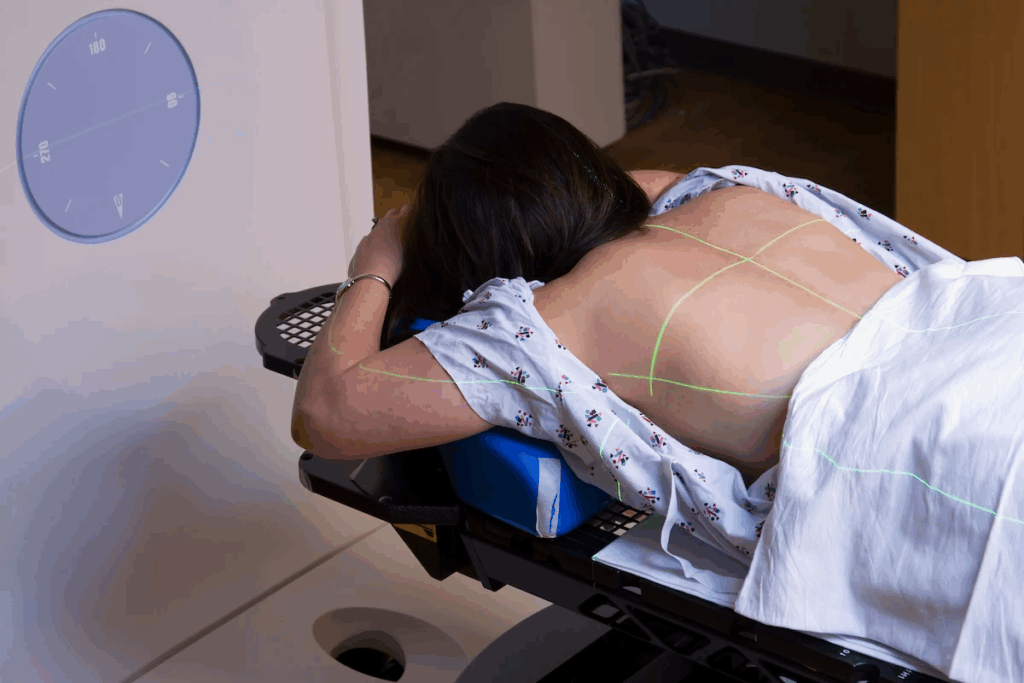
You’ll lie on a table during treatment. A machine will send beams of radiation to the area that needs it. You might feel a bit uncomfortable because of the position or staying very quiet for a while.
Each session takes about 15 to 30 minutes. But the actual time the radiation is on is just a few minutes. Our team will help you and make sure everything is done right and safely.
Essential Items to Bring
To make your treatment sessions more comfortable, consider bringing these items:
- Comfortable clothing: Wear loose, comfy clothes that make it easy to get to the treatment area.
- Medications and supplements: Bring a list of your current meds and supplements to talk about with your radiation oncologist.
- Snacks and water: Having snacks and water nearby can be helpful, whether you have a long wait or travel time.
- Entertainment: Bring something to read, listen to music, or enjoy to help the time go by.
Item | Purpose |
Comfortable clothing | Ease of access to treatment area |
Medications and supplements list | Discussion with radiation oncologist |
Snacks and water | Refreshment during wait or travel |
Entertainment | Passing time during visit |
Understanding Common Radiation Side Effects
It’s important for patients to know about the side effects of radiation therapy. This treatment is a key part of cancer care. It can cause different side effects, from immediate reactions to long-term issues.
Immediate Side Effects
Side effects that happen right away or soon after treatment include:
- Fatigue: Feeling very tired or weak, which is the body’s reaction to radiation.
- Skin Changes: Redness, itching, or blistering in the treated area, like a sunburn.
- Nausea and Vomiting: This often happens when the abdomen is treated.
- Hair Loss: Hair in the treated area may fall out because radiation harms hair follicles.
Delayed and Long-term Effects
Some side effects may show up months or years after treatment ends. These can include:
- Organ Damage: There’s a risk of damage to organs like the heart or lungs, depending on the area treated.
- Secondary Cancers: There’s a small chance of getting new cancers because of radiation.
- Fibrosis: Scarring that can cause stiffness and limited movement in the affected area.
- Hormonal Changes: If the radiation field includes the thyroid gland or other endocrine glands.
It’s vital to manage these side effects well to improve patients’ quality of life. Knowing what to expect helps patients prepare. They can work closely with their healthcare team to lessen these effects.
Skin Care Mistakes to Avoid During Treatment
When you’re getting radiation treatment, it’s important to take care of your skin. Radiation can make your skin red, dry, or even burn. The right skin care can help lessen these problems.
Harmful Products and Ingredients
Some products can make skin problems worse during radiation. Stay away from:
- Products with alcohol, as they can dry out the skin and increase irritation.
- Harsh exfoliants or scrubs that can strip the skin of its natural barrier.
- Fragrances and dyes that can cause allergic reactions or further irritate the skin.
- Products with metal ingredients, such as aluminum or zinc, which can react with radiation.
It’s vital to read product labels carefully and pick products that are hypoallergenic and fragrance-free.
Proper Skin Care Protocol
To keep your skin healthy during radiation, follow these steps:
- Gently cleanse the skin with mild soap and lukewarm water.
- Pat dry; do not rub the skin.
- Apply a gentle, fragrance-free moisturizer often to keep the skin moist.
- Avoid extreme temperatures and direct sunlight.
Consistency is key in keeping your skin healthy during radiation treatment. Start your skin care routine early to keep your skin healthy.
For radiation burns, use creams or lotions made for radiation skin care. Aloe vera or hydrocortisone can help, but always check with your doctor first.
Dietary Restrictions: Foods to Avoid During Radiation
Eating right is key when you’re getting radiation treatment. It helps your body heal and lessens side effects. What we eat affects how we react to radiation therapy.
Problematic Food Categories
Some foods can make side effects worse or make treatment harder. It’s important to know and avoid these foods while getting radiation.
- Sugary Foods: Too much sugar can make you gain weight and feel tired.
- Processed Meats: These can be hard to digest and may upset your stomach.
- High-Fiber Foods: Healthy in general, but can be tough if you have diarrhea or other stomach issues.
- Caffeine and Alcohol: Both can dry you out and make side effects like fatigue and dry mouth worse.
Recommended Nutrition Plan
Eating a balanced diet full of nutrients can help manage side effects and aid in recovery. Here are some tips for a good nutrition plan during radiation therapy:
Nutrient | Food Sources | Benefits |
Protein | Lean meats, fish, eggs, dairy, legumes | Helps with healing and keeps muscles strong |
Complex Carbohydrates | Whole grains, fruits, vegetables | Gives energy and fiber |
Healthy Fats | Nuts, seeds, avocados, olive oil | Good for overall health and can help with weight |
Drinking lots of water is also key. Try to avoid drinks that can dehydrate you.
By watching what we eat and avoiding bad foods, we can help our bodies during radiation treatment.
Physical Activities and Limitations During Treatment
It’s key for patients to understand the role of physical activity during radiation treatment. Radiation therapy is a big part of cancer treatment. But, it’s also important to think about how physical activities affect the body during this time.
Exercise Restrictions
Patients often need to avoid hard activities during treatment. High-intensity exercises can make fatigue worse or cause injuries. Instead, gentle exercises like yoga or short walks are suggested. They help keep you moving without too much strain.
Daily Activity Modifications
Patients also need to change their daily routines for treatment. For example, driving after radiation therapy sessions might be okay for some. But, it’s best to avoid driving if you feel tired or dizzy. It’s also smart to save energy by focusing on important tasks and taking breaks.
- Plan your day to include regular rest periods.
- Avoid heavy lifting or bending.
- Consider having someone accompany you to treatment sessions.
By adjusting your activities and being aware of your limits, you can handle treatment better. This helps lower the chance of complications.
Sun Exposure Risks for Radiation Patients
When you’re getting radiation treatment, it’s key to know about sun exposure risks. Your skin might get more sensitive to the sun. This can lead to burns, blisters, and long-term damage.
Why Sun Protection Is Critical
Sun protection is very important for those getting radiation. Your skin is more at risk during and after treatment. UV rays can cause serious reactions, like radiation dermatitis, which can hurt and slow down treatment. Also, too much sun can raise your risk of skin cancer.
Key risks associated with sun exposure during radiation therapy include:
- Increased risk of sunburn and skin damage
- Potential for radiation dermatitis
- Long-term risk of skin cancer
Effective Protective Measures
To avoid sun exposure risks, radiation patients should take several steps. First, use a broad-spectrum sunscreen with a high SPF. Apply sunscreen well and reapply every two hours or right after swimming or sweating.
Additional protective measures include:
- Wearing protective clothing, like hats and long-sleeved shirts
- Seeking shade, mainly during peak sun hours (10 am to 4 pm)
- Avoiding reflective surfaces like sand and water that can increase UV exposure
When picking a sunscreen, look for “broad-spectrum” and “water-resistant” labels. Sunscreens with zinc oxide or titanium dioxide are good choices. They protect well against UVA and UVB rays.
By knowing the risks and taking the right steps, radiation patients can lessen sun exposure’s bad effects. This helps support their treatment plan.
Alcohol, Tobacco, and Caffeine: What to Avoid
To get the most out of radiation treatment, it’s important to know about the risks of alcohol, tobacco, and caffeine. These can affect how well the treatment works and how you recover.
Impact on Treatment Efficacy
Drinking alcohol while getting radiation treatment can make side effects worse and lower the treatment’s success. Alcohol dries out the body, making skin more vulnerable to radiation harm. Smoking can slow down healing and raise the chance of problems. Too much caffeine can also dry you out.
Effects of Alcohol: Drinking alcohol can make you dehydrated, which worsens radiation side effects like tiredness and skin problems. It’s best to cut down on or stop drinking alcohol during treatment to avoid these issues.
Effects of Tobacco: Smoking harms healing and can lead to more cancers. If you’re getting radiation, quitting smoking is key to better treatment results.
Effects of Caffeine: Drinking too much caffeine can cause dehydration. Be careful with how much caffeine you have to avoid making radiation side effects worse.
Effect on Recovery and Healing
How well you recover from radiation treatment can be affected by alcohol, tobacco, and caffeine. Staying away from these can help avoid problems and support your body’s healing.
Substance | Potential Risks | Recommendations |
Alcohol | Increased side effects, dehydration, reduced treatment efficacy | Limit or avoid consumption |
Tobacco | Impaired healing, increased risk of complications and secondary cancers | Quit tobacco use |
Caffeine | Dehydration if consumed excessively | Consume in moderation |
Being aware of these substances and making smart choices can help your treatment and recovery. Always talk to your healthcare provider about any worries or questions you have.
Medication and Supplement Interactions to Be Aware Of
Medication interactions during radiation therapy are very important for patients. They help make sure the treatment works well. It’s key to know how your medicines and supplements might react with the treatment.
Over-the-Counter Medications to Avoid
Some over-the-counter (OTC) medicines can mess with radiation therapy. For example, aspirin and other nonsteroidal anti-inflammatory drugs (NSAIDs) can make bleeding more likely. Also, antacids with aluminum or magnesium can change how other medicines are absorbed.
Before taking any OTC medicine during radiation therapy, talk to your doctor. Here’s a table of common OTC medicines and their possible interactions:
Medication Type | Potential Interaction |
Aspirin and NSAIDs | Increased risk of bleeding |
Antacids with aluminum or magnesium | Affects absorption of other medications |
Antihistamines | May enhance sedative effects of other medications |
Supplements and Herbal Remedies Concerns
Supplements and herbal remedies can also affect radiation therapy. Some might make radiation work better, while others might make it less effective or cause more side effects. For instance, antioxidant supplements like vitamins C and E might not work well with the treatment.
Tell your doctor about any supplements or herbal remedies you’re taking. This includes vitamins, minerals, and herbal products. Knowing about these interactions helps doctors give advice on safe use during radiation therapy.
Best Products for Managing Radiation Burns
Choosing the right skincare products is key to managing radiation burns. These burns can be very uncomfortable and slow to heal. It’s important to pick products that are gentle yet effective.
Recommended Creams and Lotions
Some creams and lotions work well for radiation burns. Look for ones that are fragrance-free and hypoallergenic. This helps avoid more irritation.
- Hydrocortisone cream: This can help reduce inflammation and itching associated with radiation burns.
- Aloe vera gel: Known for its soothing properties, aloe vera can provide relief from discomfort and help in healing.
- Moisturizing lotions: Keeping the skin moisturized is key. Choose lotions made for sensitive skin.
Products That May Worsen Symptoms
Some products can make radiation burns worse. Avoid products with harsh chemicals, fragrances, or dyes. These can irritate the skin more.
- Products with alcohol or fragrances should be avoided as they can dry out the skin and cause more irritation.
- Exfoliating products or those containing alpha-hydroxy acids (AHAs) or beta-hydroxy acids (BHAs) can strip the skin of its natural barrier, worsening radiation burns.
By picking the right products and avoiding harmful ones, patients can manage radiation burns better. This helps their skin heal during and after treatment.
Social Interaction Guidelines During Treatment
Knowing what to do and what not to do during radiation therapy is key for safety and recovery. It’s important to find a balance between staying connected and avoiding risks to ourselves and others.
Precautions Around Family Members
When dealing with family, it’s vital to take precautions to protect everyone. Radiation therapy can make you more likely to get infections. You might also be radioactive for a short time, which could be risky for those around you.
To keep risks low, follow these tips:
- Avoid close contact with pregnant women and young kids, as they are more at risk from radiation.
- Maintain good hygiene like washing hands often to cut down on infection spread.
- Share your treatment schedule with family so they know what you can and can’t do during this time.
When Isolation Is Necessary
In some cases, isolation is needed to protect you and others from radiation. Your doctor will tell you if you need to isolate and for how long, based on your treatment.
“Isolation doesn’t mean you’re alone; it means you’re taking necessary precautions to ensure your safety and the safety of those around you.”
While isolated, keep in touch with loved ones through phone calls, video chats, or messaging apps. This helps keep your emotional well-being strong.
By following these guidelines and staying informed, you can safely and effectively manage social interactions during radiation treatment.
Transportation and Daily Living Considerations
It’s important for patients to know how to handle transportation and daily tasks during radiation treatment. This helps keep life feeling normal and lowers stress from daily chores and trips to treatment.
Driving After Radiation Sessions
Many patients wonder if they can drive after radiation therapy. Whether you can drive depends on how the treatment affects you. Treatments for the brain or abdomen might make you feel tired, dizzy, or have other side effects that could make driving unsafe.
Before driving, consider the following:
- Check how you feel after each treatment.
- Have someone with you to drive if you’re not up to it.
- Talk to your healthcare provider about your specific situation.
If side effects are severe, you might need to find another way to get to treatment.
Managing Household Tasks
Household tasks can be tough during radiation treatment because of fatigue. It’s smart to focus on what’s most important and ask for help when you need it.
Here are some tips for managing household tasks:
- Put off less important tasks and let others help with them.
- Think about hiring professionals for cleaning or yard work if you can.
- Use online shopping or delivery for groceries and other essentials to cut down on travel and effort.
By changing how you handle daily tasks and transportation, you can tackle the challenges of radiation therapy better.
Mental Health Pitfalls to Avoid During Treatment
The journey through radiation treatment is not just about fighting cancer. It’s also about keeping your mind healthy. Patients face many challenges that can affect their mental health during this time.
Managing Stress and Anxiety
Radiation treatment can cause a lot of stress and anxiety. Managing these feelings is key to getting through treatment without mental strain. Deep breathing exercises, meditation, and yoga can help reduce stress.
Having a supportive network of family and friends is also important. They can offer emotional support and practical help. It’s good to talk openly about your feelings and concerns.
Supportive Practices for Emotional Wellbeing
Keeping your emotional wellbeing in check is essential during radiation treatment. Doing things that make you happy and relaxed can improve your life. This could be hobbies, nature walks, or mindfulness.
Also, professional mental health support is very helpful. Mental health experts can offer specific strategies and therapies. They help you deal with the emotional side of treatment.
By focusing on mental health and using supportive practices, patients can handle radiation treatment better. This improves their overall wellbeing.
Post-Treatment Care: Common Mistakes to Avoid
Post-treatment care is a key part of the radiation therapy journey. It’s important to avoid common mistakes. Knowing the recovery timeline and the value of follow-up care can greatly improve your health.
Recovery Timeline Expectations
The recovery time after radiation treatment varies for everyone. Immediate side effects usually go away in a few weeks. But, some effects might last longer or show up later. It’s important to have realistic hopes about your recovery time.
- Short-term recovery (first few weeks): Focus on managing immediate side effects and adjusting to new routines.
- Medium-term recovery (weeks to months): Gradually resume normal activities while continuing to monitor and manage side effects.
- Long-term recovery (months to years): Continue follow-up care to address any lingering or late-appearing side effects.
Follow-up Care Importance
Follow-up care is key after radiation therapy. It helps monitor your recovery, manage side effects, and catch any early signs of recurrence. We suggest:
- Regular check-ups with your healthcare provider to assess your recovery progress.
- Reporting any new or concerning symptoms promptly to your care team.
- Adhering to recommended screening schedules for early detection of any issues.
Being proactive about your post-treatment care can help avoid complications. It can also improve your quality of life after radiation therapy.
It’s also vital to know about post radiation treatment side effects. Knowing when to seek medical help is important. Your healthcare team is there to support you. They can guide you on managing side effects and aim for the best outcome after radiation therapy.
Warning Signs: When to Contact Your Healthcare Provider
During radiation therapy, it’s important to know when to call your healthcare provider. We get that treatment can be tough. Knowing these signs can help a lot with your care and recovery.
Concerning Symptoms
Some symptoms during or after treatment mean you should talk to your healthcare provider. These include:
- Severe fatigue that makes it hard to do daily things
- Unusual pain or discomfort that doesn’t go away with medicine
- Significant changes in skin reactions at the treatment site, like severe redness, blistering, or peeling
- Difficulty swallowing or breathing, depending on the area treated
Keeping a symptom journal can help. It tracks changes and concerns, aiding in decisions with your healthcare team.
Emergency Situations
At times, treatment can lead to emergencies needing quick medical help. These include:
- High fever or signs of infection, like chills or increased redness around the treatment area
- Severe allergic reactions to any medication or treatment
- Bleeding or bruising that doesn’t stop or is severe
Keeping in touch with your healthcare provider is key during treatment. Being aware of warning signs and symptoms ensures timely care and better outcomes.
Conclusion: Life After Radiation Treatment
Life after radiation treatment is a big step for patients. After radiation therapy, patients start to recover slowly. The outcomes can vary based on individual factors.
After treatment, patients need ongoing care for side effects and health checks. It’s important to follow the doctor’s advice for smooth care.
Recovering from radiation treatment can be tough. But, with the right support, patients can move forward. Knowing what to expect helps patients prepare for their journey.
FAQ
What is radiation therapy and how does it work?
Radiation therapy is a treatment for cancer. It uses high-energy particles or waves to harm cancer cells. These particles damage the DNA of cancer cells, stopping them from growing.
What are the different types of radiation treatment?
There are two main types. External beam radiation therapy (EBRT) uses a machine outside the body. Internal radiation therapy (brachytherapy) places radioactive material near the tumor.
How do I prepare for radiation treatment?
To prepare, follow a skin care routine and avoid certain foods. Also, talk to your healthcare provider about any concerns.
What are the common side effects of radiation therapy?
Side effects include fatigue, skin reactions, hair loss, and changes in bowel or bladder habits. The severity and duration vary by individual and treatment type.
How can I manage radiation-induced skin reactions?
Use gentle skin care products and avoid harsh soaps. Apply creams or ointments as directed by your healthcare provider.
Are there any dietary restrictions during radiation treatment?
Yes, avoid spicy, acidic, high-fiber, and sugary foods. Eat a balanced diet with fruits, vegetables, and whole grains.
Can I exercise during radiation treatment?
Some exercise is okay, but avoid strenuous activities. Follow specific exercise restrictions for safety and comfort.
How can I protect myself from the sun during radiation treatment?
Use protective clothing, seek shade, and apply broad-spectrum sunscreen with high SPF.
Can I consume alcohol, tobacco, or caffeine during radiation treatment?
Avoid alcohol, tobacco, and caffeine. They can interfere with treatment and recovery.
Are there any medications or supplements I should avoid during radiation treatment?
Yes, some can interact with radiation therapy. Inform your healthcare provider about any medications or supplements you’re taking.
How can I manage radiation burns?
Use topical creams or ointments, keep the area clean and dry. Avoid tight clothing that may irritate the skin.
Can I interact with family members and friends during radiation treatment?
It’s generally safe to interact with loved ones. But, take precautions to avoid exposing others to radiation, if applicable.
Can I drive after radiation treatment?
It depends on your treatment and response. Discuss your transportation options with your healthcare provider.
How can I manage stress and anxiety during radiation treatment?
Practice relaxation techniques like meditation or deep breathing. Seek support from loved ones or mental health professionals.
What are the warning signs that I should contact my healthcare provider during or after radiation treatment?
Seek immediate attention for severe skin reactions, difficulty breathing, chest pain, or severe pain.
References
National Center for Biotechnology Information. Radiation therapy side effects and management tips. Retrieved from https://www.ncbi.nlm.nih.gov/pmc/articles/PMC7332214/