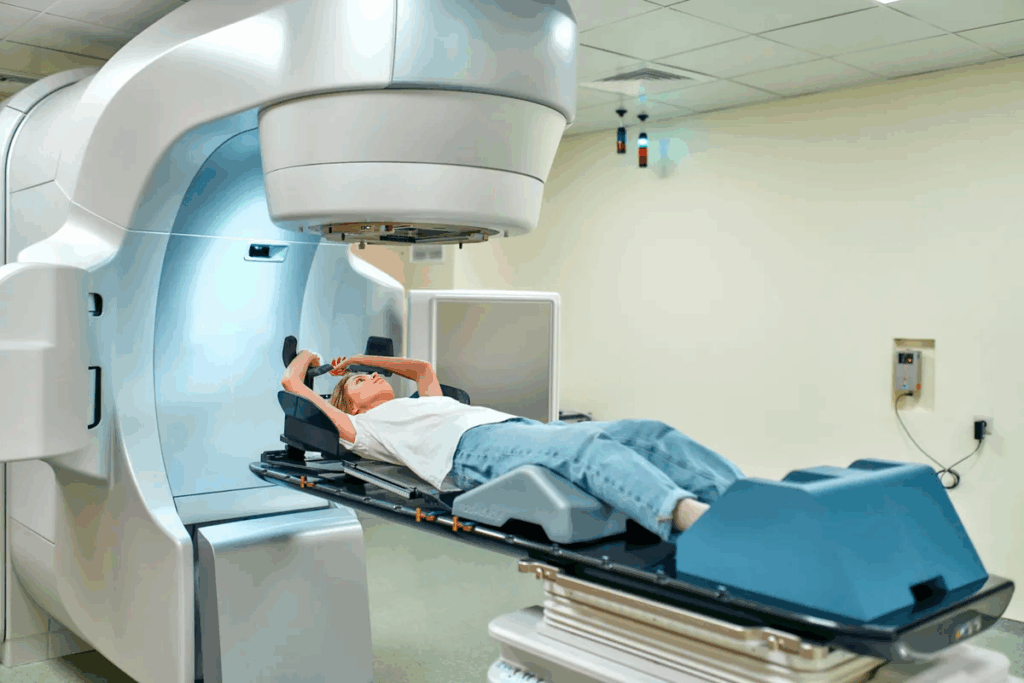
Nearly 50% of cancer patients get radiation therapy as part of their treatment. This life-saving treatment is very effective. But, it’s important to know what to avoid to recover well. Our critical list of radiation treatment restrictions. Learn what you must avoid, from certain lotions to sun exposure, for safe, effective results.
We’ll show you the key cancer treatment guidelines and radiation treatment restrictions. This will help you prepare for your treatment journey.
Key Takeaways
- Understand the importance of following specific guidelines during radiation therapy.
- Learn about common restrictions and limitations associated with radiation therapy.
- Discover how to optimize your recovery and well-being during treatment.
- Find out what activities to avoid during radiation therapy.
- Get insights into managing side effects and maintaining overall health.
The Basics of Radiation Therapy and Its Effects

Radiation therapy uses high-energy particles or waves to target and destroy cancer cells. It’s a common treatment for many types of cancer. Radiation therapy is frequently combined with surgery and chemotherapy.
How Radiation Treatment Works
Radiation therapy damages the DNA of cancer cells, stopping them from dividing and growing. There are two main types: external beam and internal radiation therapy. External beam comes from outside the body, and internal uses a radioactive source near the tumor.
External beam radiation therapy is the most common. It uses a linear accelerator to target the tumor precisely. This method helps avoid damage to healthy tissues nearby.
Internal radiation therapy, or brachytherapy, places radioactive material inside or near the tumor. It can be temporary or permanent, based on the cancer type and treatment plan.
Common Side Effects to Expect
Radiation therapy can cause several side effects. The severity and type depend on the dose and location. Common side effects include fatigue, skin changes, and hair loss in the treated area.
“Radiation therapy can be a challenging experience, but understanding what to expect can help patients manage their symptoms and improve their quality of life.”
Other side effects might include nausea, diarrhea, or trouble swallowing, depending on the area treated. It’s key for patients to talk to their healthcare team about their treatment plan and possible side effects. This way, they get personalized guidance and support.
Essential Radiation Treatment Restrictions to Follow

Knowing the rules during radiation treatment is key for managing cancer well. This treatment is precise, and sticking to guidelines helps avoid side effects. It also ensures the best results.
Why Restrictions Are Necessary
Rules during radiation treatment protect the body from harm. By following these, patients lower the risk of problems. A top oncologist says,
“Following radiation treatment guidelines is as important as the treatment itself for optimal patient outcomes.”
Radiation targets fast-growing cancer cells but can also hit healthy tissues. This can cause side effects. By sticking to restrictions, patients can lessen these effects and stay healthy.
General Guidelines for All Patients
While rules can change based on treatment type and location, some apply to most. These include avoiding harsh skin products, wearing loose clothes, and being careful with extreme temperatures.
Guideline | Description | Benefit |
Avoid Harsh Skin Products | Don’t use perfumes, deodorants, or lotions not okayed by your doctor on treated skin. | Reduces skin irritation and promotes healing. |
Wear Comfortable Clothing | Choose loose-fitting clothes to avoid friction on treated areas. | Minimizes discomfort and reduces risk of skin reactions. |
Be Cautious with Temperatures | Avoid extreme hot or cold temperatures on treated areas. | Helps in managing skin sensitivity and preventing damage. |
By following these guidelines and any extra rules from your healthcare team, patients can do better during treatment. It’s also key to talk openly with your healthcare providers about any issues or side effects.
Skin Care Prohibitions During Treatment
During radiation therapy, gentle skin care is key to avoid irritation. Your skin may become more sensitive. So, it’s important to take special care of it.
No Harsh Skin Products on Treated Areas
Stay away from harsh products on treated areas. Ingredients like alpha-hydroxy acids and fragrances can irritate your skin. Use gentle, fragrance-free cleansers and moisturizers for sensitive skin instead.
Key products to avoid include:
- Exfoliating scrubs
- Astringents
- Products with artificial fragrances
- Cleansers with harsh ingredients
Avoid Scratching or Rubbing Treated Skin
Don’t scratch or rub treated skin. This can lead to irritation, infections, or treatment delays. If it itches, try a cold compress or a gentle moisturizer.
Gentle care and patience are key for skin health during treatment. Being careful with your skin and products helps reduce discomfort and supports your treatment plan.
Clothing Restrictions for Radiation Patients
When you’re getting radiation treatment, what you wear matters a lot. It affects how comfortable you are and how well the treatment works. So, picking the right clothes is key to getting the best results.
Why You Should Avoid Tight Clothing
Wearing tight clothes can make the treated skin feel uncomfortable. It might even make the treatment harder. Avoiding tight clothing helps keep the skin calm and lets it heal better.
Comfort is very important during radiation treatment. Wearing loose clothes helps by reducing skin irritation and improving airflow. This makes the treated area feel better.
Recommended Fabrics and Garment Styles
Wearing breathable fabrics like cotton is a good idea. Cotton is soft on the skin and lets air move freely. This can help lower irritation.
For clothes, go for loose, comfortable styles that don’t rub or press on the treated area. Soft, seamless clothes are best. They cause less irritation and keep you comfortable during treatment.
- Choose loose-fitting clothes to minimize irritation.
- Opt for breathable fabrics like cotton.
- Avoid tight or constrictive clothing.
Sun Exposure Limitations During and After Treatment
Sun exposure can harm the skin of people getting radiation therapy. It’s very important to be careful. The skin can get more sensitive to the sun, leading to burns, blisters, and damage.
No Unprotected Sunbathing or Tanning
Unprotected sunbathing or tanning is not safe during and after radiation treatment. UV radiation risks are higher, causing severe skin reactions. Patients should avoid direct sun exposure, specially during peak hours (10 am to 4 pm), to lessen these risks.
Proper Sun Protection Measures
To keep your skin safe, follow these sun protection tips:
- Use a broad-spectrum sunscreen with a Sun Protection Factor (SPF) of at least 30.
- Apply sunscreen 15-30 minutes before going outdoors and reapply every 2 hours or after swimming or sweating.
- Wear protective clothing, including a wide-brimmed hat and long-sleeved shirts.
- Seek shade when spending time outdoors, specially during peak sun hours.
It’s also key for patients who have had radiation therapy to keep protecting their skin from the sun. This helps prevent long-term damage. Below is a table with important sun protection strategies.
Sun Protection Measure | Description | Benefits |
Sunscreen Use | Apply broad-spectrum SPF 30+ sunscreen before outdoor activities. | Protects against UV rays, reducing burn risk. |
Protective Clothing | Wear long-sleeved shirts, pants, and a wide-brimmed hat. | Covers skin from direct sun exposure. |
Seeking Shade | Stay in shaded areas, specially during peak sun hours. | Reduces direct sun exposure. |
Bathing and Swimming Restrictions
Radiation treatment affects the skin, so bathing and swimming habits need to change. Keeping clean is key, but some precautions are needed to avoid skin irritation.
No Swimming in Public Pools or Hot Tubs
Swimming in public pools or hot tubs is not recommended during treatment. The chemicals in these places, like chlorine, can make the skin more sensitive. Also, public pools and hot tubs can have bacteria that can cause infections in sensitive skin.
It’s best to avoid these activities to prevent skin problems. Instead, try safer and effective hygiene practices.
Avoid Extreme Hot Showers and Baths
Bathing needs some adjustments during radiation therapy. Hot water can dry out the skin, making it worse. We suggest using warm water and bathing for shorter times.
To better understand the bathing and swimming rules, here’s a quick guide:
Activity | Recommendation |
Swimming in Public Pools | Avoid |
Using Hot Tubs | Avoid |
Extreme Hot Showers/Baths | Avoid; use warm water instead |
By sticking to these guidelines, patients can reduce skin irritation and other treatment side effects. This helps make the recovery process smoother.
Grooming Practices to Discontinue
Grooming habits safe for everyday life might need a change during radiation therapy. Radiation can make your skin more sensitive. Some practices can make this sensitivity worse.
No Shaving of Treated Skin Areas
Shaving in treated areas can cause irritation and ingrown hairs. It might even lead to infections. We suggest avoiding shaving in these areas to reduce risks. Look into other hair removal options or talk to your doctor for personalized advice.
Avoid Strong Deodorants and Perfumes
Strong deodorants and perfumes can irritate and cause allergic reactions on treated skin. These products are too harsh for sensitive skin during radiation treatment. Choose gentle, fragrance-free products instead.
Here’s a guide on what to use and what to avoid:
Product Type | Recommended | Avoid |
Deodorants | Gentle, fragrance-free deodorants | Strong, perfumed deodorants |
Perfumes | Fragrance-free or hypoallergenic perfumes | Strong, concentrated perfumes |
Skin Care Products | Mild, fragrance-free moisturizers | Harsh exfoliants or scented lotions |
Adjusting your grooming routine can help reduce discomfort and support your skin’s health during treatment.
Physical Activity and Exercise Limitations
When you’re getting radiation treatment, it’s key to know what physical activities are safe. Staying active is good for your health, but some exercises might not be okay during this time.
No Vigorous Exercise Without Approval
We strongly advise against vigorous exercise without prior approval from your healthcare provider. Vigorous exercise can make fatigue worse, a common side effect of radiation therapy. It’s essential to get clearance from your doctor before engaging in any strenuous physical activity.
Avoid Heavy Lifting During Treatment
Avoiding heavy lifting is another important rule during radiation treatment. Heavy lifting can strain your body, leading to injury or more fatigue. This is very important if your treatment area includes the chest, abdomen, or lower back, as these areas are more prone to strain.
Instead of vigorous exercise or heavy lifting, try low-impact activities. Gentle stretching, short walks, or yoga might be good options. But always check with your healthcare provider first.
Also, listen to your body and adjust your activities based on how you feel. If you’re feeling tired or uncomfortable, you might need to do less physical activity.
Dietary and Substance Restrictions
When you’re getting radiation treatment, it’s key to stick to certain dietary rules and avoid certain substances. A good diet can help manage side effects and aid in your recovery.
No Excessive Alcohol Consumption
Too much alcohol can mess with your radiation therapy, making it less effective. It can also dry out your body, making recovery harder. We suggest you cut down on or stop drinking alcohol during this time.
Avoid Smoking During Radiation Therapy
Smoking is something you should definitely avoid during radiation therapy. It can make your treatment less effective and raise the risk of complications. It can also cause other health problems, like breathing issues, which can be tough during treatment.
Let’s look at how what you eat and drink affects your radiation therapy:
Substance/Dietary Choice | Impact on Radiation Therapy | Recommendation |
Excessive Alcohol Consumption | Can worsen treatment outcomes and dehydrate the body | Limit or avoid alcohol |
Smoking | Reduces treatment effectiveness and increases complication risks | Avoid smoking entirely |
By choosing the right foods and avoiding harmful substances, you can make your radiation treatment easier. This might even help you get better results.
Supplements and Medications to Avoid
It’s important to know which supplements and medications to skip during radiation treatment. This ensures the treatment works well. Radiation therapy aims to kill cancer cells precisely. But, some substances can mess with its success or up the risk of side effects.
No Unapproved Supplements During Treatment
Stay away from supplements not okayed by your doctor during treatment. Some vitamins, minerals, and herbs can mess with radiation therapy. They might make it work better or worse.
For example, too many antioxidants could block the damage radiation does to cancer cells. This might make the treatment less effective. Always check with your doctor before taking any supplement.
Medication Precautions
Also, tell your doctor about all meds you’re on during radiation therapy. This includes prescription drugs, over-the-counter stuff, and anything else that might affect treatment.
Some meds might need to be changed or watched closely during treatment. Your healthcare team can help you manage your meds safely.
Substance | Potential Risk | Action |
High-dose Antioxidants | May reduce effectiveness of radiation therapy | Consult healthcare provider before taking |
Certain Herbal Supplements | Could interact with radiation therapy | Avoid unless approved by healthcare provider |
Prescription Medications | May require dosage adjustment | Inform healthcare provider about all medications |
Being careful with supplements and meds during radiation treatment helps the therapy work better. It also lowers the chance of side effects. Always talk to your healthcare provider for advice that fits you.
Topical Applications to Discontinue
When you’re getting radiation treatment, it’s important to watch what you put on your skin. Some products can mess with the treatment, causing extra side effects or making it less effective.
No Heating Pads on Radiation Areas
Don’t use heating pads on areas getting radiation. Heat can make blood flow more, which might make side effects like redness and irritation worse. If you’re feeling pain, talk to your doctor about other ways to ease it.
Avoid Chemical Exposures to Treated Skin
Some skincare products and cosmetics can be bad news when you’re getting radiation. Products with harsh chemicals, fragrances, or dyes can irritate your skin and make it more likely to get radiation dermatitis. Stay away from these products on treated areas until your doctor says it’s okay to use them again.
To understand what to avoid, here’s a quick guide:
Product Type | Recommended During Radiation | Reason |
Heating Pads | No | May increase blood flow, exacerbating side effects |
Harsh Skincare Products | No | Can cause irritation and increase risk of radiation dermatitis |
Gentle, Fragrance-Free Moisturizers | Yes, with doctor’s approval | Can help soothe and protect the skin |
Talking to your radiation oncologist or healthcare team about skincare is key. They can give you advice that fits your treatment and skin type.
Area-Specific Radiation Treatment Restrictions
It’s important to know about radiation treatment rules for each area of the body. This is to keep patients safe and make sure the treatment works well.
Head and Neck Radiation Precautions
People getting radiation in the head and neck need to be careful. Mouth care is key. Brushing with a soft toothbrush and using a gentle mouthwash helps prevent infections and mouth sores.
Changing your diet is also important. Stay away from spicy, acidic, or sharp foods. Choose soft, easy-to-swallow foods instead.
Chest and Breast Radiation Considerations
For chest or breast radiation, skin care is a must. Keep the treated skin clean and dry. Use only approved soaps or lotions.
What you wear matters too. Wear loose, breathable clothes to avoid skin irritation.
Pelvic Radiation Special Guidelines
Pelvic radiation needs extra care for gastrointestinal health. Stick to a diet that’s easy on your stomach. This might mean a low-fiber diet or avoiding certain foods.
Drinking plenty of water is important. But, always check with your doctor about the best fluids to drink.
Managing Daily Life Activities
When you’re getting radiation therapy, it’s key to manage your daily life well. This treatment can change many parts of your life, like work, social time, and travel. We’ll help you find ways to keep things balanced during this time.
Work and Social Interaction Adjustments
It can be tough to keep up with work or social life during treatment. You might need to change your work hours or tasks to fit in treatment and rest. Talking to your boss about what you need can help make things work.
Telling friends and family about your situation can also help. They can understand your limits and support you better.
It’s vital to find a balance between resting and staying connected. Too much rest can make you feel lonely. Keeping in touch with loved ones, even just by phone or video, is good for your mind.
Travel Considerations During Treatment
Traveling while getting treatment needs careful planning. If you’re getting treatment outside of the hospital, you might need to go there every day. Looking into ways to travel that don’t tire you out, like carpooling or public transport, is smart.
If you’re traveling far, talk to your doctor about where to stay near the treatment center. This can make things easier.
Before you travel, check with your healthcare team. They can give advice based on your treatment and health.
When to Seek Immediate Medical Attention
It’s key for patients to know when they need urgent medical care during radiation therapy. Even though radiation treatment is precise, it can sometimes cause severe side effects. These need immediate attention.
Warning Signs That Shouldn’t Be Ignored
Certain symptoms can show a serious reaction to radiation treatment. Look out for severe skin reactions like blistering or peeling. Also, watch for difficulty breathing, chest pain, or severe pain anywhere in the body. If you see any of these, call your healthcare provider right away.
Common warning signs to watch out for:
- Severe fatigue that interferes with daily activities
- Signs of infection, such as fever or chills
- Unusual bleeding or bruising
- Severe nausea or vomiting
- Difficulty swallowing or breathing
If you’re experiencing any of these symptoms, don’t hesitate to seek medical help. It’s always better to err on the side of caution when it comes to your health.
Proper Documentation of Side Effects
Keeping a detailed record of your side effects can be incredibly helpful in managing your care. This documentation should include the severity of symptoms, when they occur, and any factors that seem to trigger or relieve them.
Symptom | Severity (1-5) | Date and Time | Notes |
Fatigue | 4 | 02/20/2023, 10:00 AM | Worse after treatment days |
Skin Reaction | 3 | 02/22/2023, 8:00 PM | Redness and itching on treated area |
Nausea | 2 | 02/21/2023, 12:00 PM | Managed with medication |
By documenting your side effects, you can provide your healthcare team with valuable information. This helps them adjust your treatment plan as needed. This proactive approach can significantly improve your comfort and outcomes during radiation therapy.
Conclusion: Navigating Your Radiation Treatment Journey
Every patient’s journey with radiation treatment is different. Knowing what to avoid can help you deal with side effects better. This way, your treatment can work more effectively.
We’ve talked about key parts of radiation treatment. This includes what it is, common side effects, and how to manage daily life. By following these tips, you can make your treatment smoother and recovery faster.
Planning carefully and following guidelines are key to your treatment. Having a supportive care team helps a lot. Being informed and proactive can improve your treatment results and health. Stay focused on your health and ask your healthcare providers for help whenever you need it.
FAQ
What are the most common side effects of radiation therapy?
Side effects include fatigue, skin irritation, and color changes. Nausea, diarrhea, or hair loss can also happen, depending on where the treatment is.
Why is it essential to follow radiation treatment restrictions?
Following these guidelines helps reduce side effects. It also makes sure the treatment works well and keeps us healthy during and after treatment.
What skin care practices should we avoid during radiation treatment?
Avoid harsh skin products and scratching treated skin. Also, don’t use scented lotions or creams without checking first.
Are there specific clothing restrictions for radiation patients?
Yes, avoid tight clothes that might irritate the treated area. Wear loose, comfortable clothes made from breathable fabrics instead.
How can we protect our skin from the sun during and after radiation treatment?
Stay away from unprotected sunbathing or tanning. Use clothes, hats, and sunscreen with high SPF for sun protection.
Can we swim in public pools or hot tubs during radiation treatment?
No, avoid swimming in public pools or hot tubs. Also, don’t take extreme hot showers or baths to prevent infection and skin irritation.
What grooming practices should we discontinue during radiation treatment?
Don’t shave treated skin areas, use strong deodorants, or apply perfumes or fragrances near the radiation area.
Are there any physical activity limitations during radiation treatment?
Yes, avoid vigorous exercise without approval and heavy lifting. This prevents fatigue and injury.
What dietary and substance restrictions should we follow during radiation treatment?
Avoid excessive alcohol, smoking, and unapproved supplements. This reduces the risk of complications.
Can we take supplements or medications during radiation treatment?
No, avoid unapproved supplements. Always check with your healthcare team before taking any medications or vitamins.
What topical applications should we discontinue during radiation treatment?
Avoid using heating pads on radiation areas. Also, don’t expose treated skin to chemical damage or harsh products.
Are there area-specific radiation treatment restrictions we should be aware of?
Yes, different areas like the head and neck, chest and breast, or pelvic radiation need special precautions. This helps minimize side effects.
How can we manage our daily life activities during radiation treatment?
Adjust your work, social interactions, and travel plans to fit your treatment schedule. This helps reduce fatigue.
When should we seek immediate medical attention during radiation treatment?
Seek medical help if you have severe skin irritation, trouble breathing, or other concerning symptoms. Documenting your side effects helps guide your care.
References
Centers for Disease Control and Prevention. Evidence-Based Medical Insight. Retrieved from https://www.cdc.gov/cancer/radiation/therapy-safety.htm