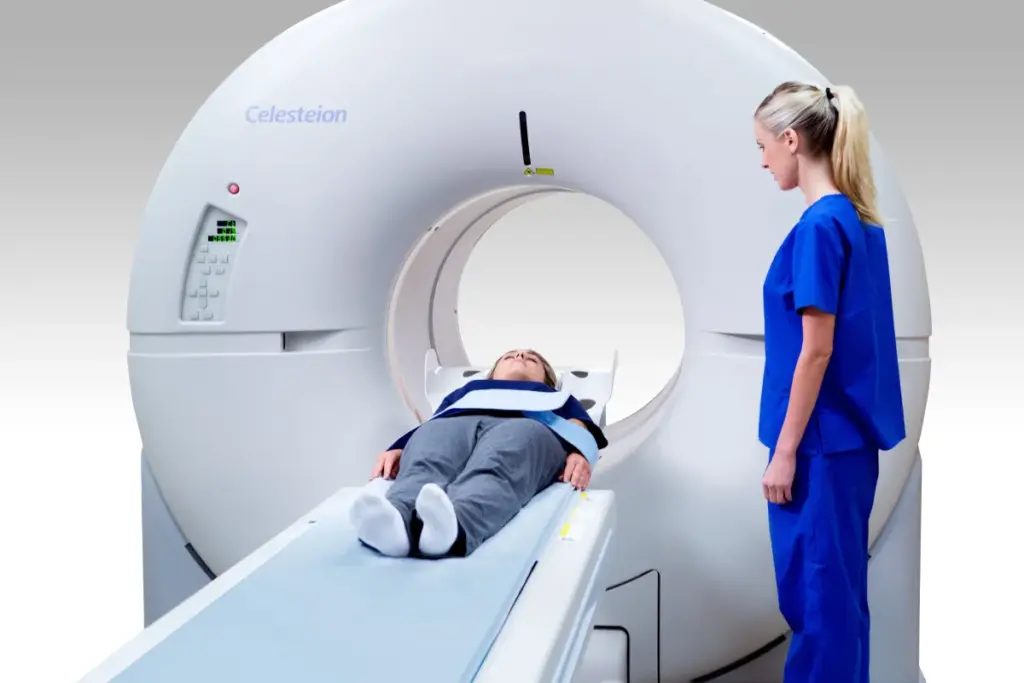
PET scans use nuclear medicine to show how body tissues work. Advanced technology makes them key in medical care.
Research indicates that PET scans are particularly effective at detecting issues in the brain. As they become more common in medical imaging, it’s important to know how they work.
Liv Hospital is leading the way with top-notch PET scans. They help make healthcare better around the world.
Key Takeaways
- PET scans are a complex imaging modality that provides valuable metabolic information.
- Advanced technology enhances the diagnostic power of PET scans.
- PET scans are highly accurate for diagnosing neurological conditions.
- Increasing use of PET scans in clinical practice requires understanding their complexity.
- Liv Hospital is a leader in setting international standards for PET protocols.
What Makes PET Scans Unique in Diagnostic Imaging
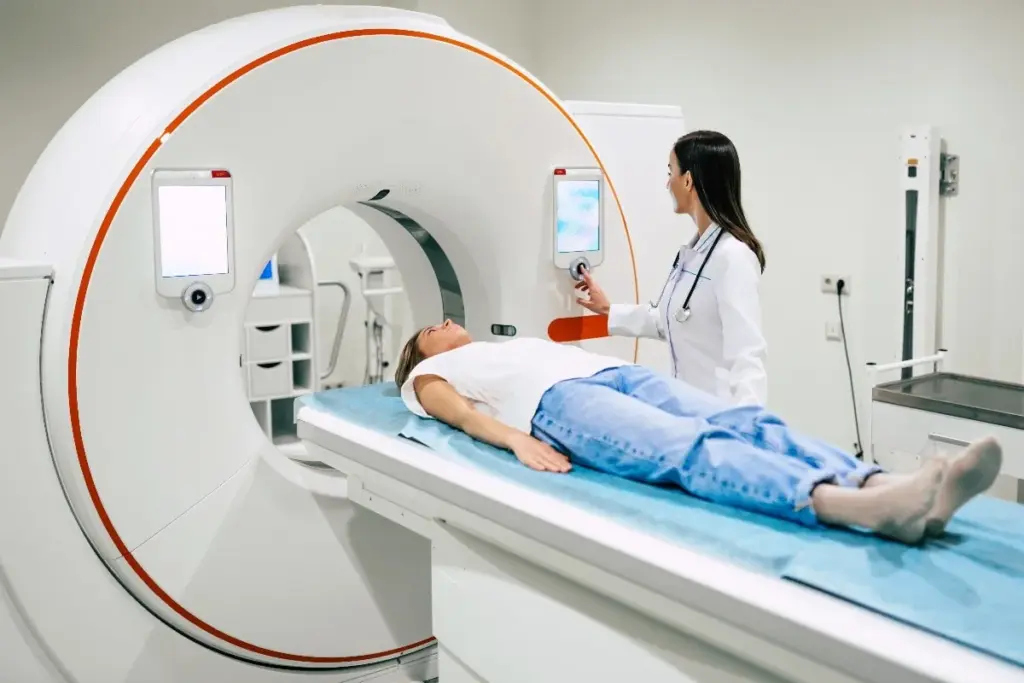
Positron Emission Tomography (PET) has changed medical imaging a lot. It gives deep insights into how our bodies work. PET scans are key in diagnostic imaging, helping doctors make better treatment plans.
Definition and Basic Principles of Positron Emission Tomography
PET scans use nuclear medicine to see how body tissues and organs work. They detect gamma rays from a special molecule inside the body. This shows how different parts of the body function, like blood flow and glucose use.
Historical Development of PET Technology
PET technology has grown a lot over time. Early PET scans were basic, but now they’re much better. New detectors and algorithms, plus radiopharmaceuticals, have made PET scans very useful. They’re now a big help in radiology services, helping with cancer, brain diseases, and heart issues.
PET technology keeps getting better. Scientists are working hard to make it even more accurate. As PET technology improves, it will keep being a top choice in diagnostic imaging, helping patients a lot.
Defining Complex Imaging in Modern Medicine
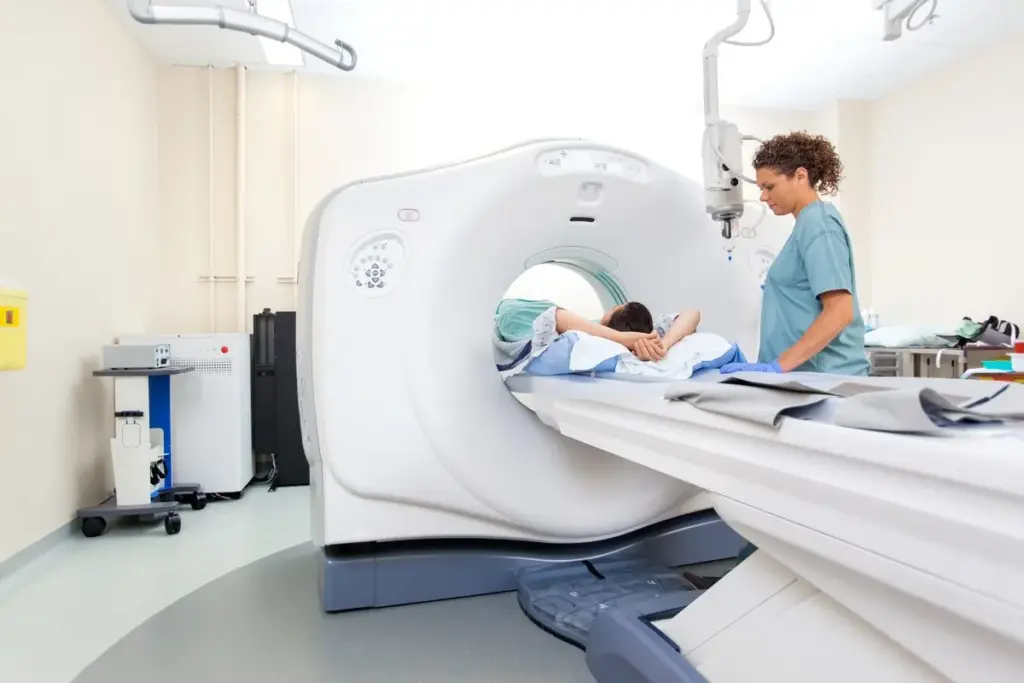
Complex imaging has changed how we diagnose diseases. It gives us detailed views of the body’s inner workings. This is thanks to advanced tech like nuclear medicine and magnetic resonance imaging.
Characteristics of Complex Imaging Modalities
These imaging tools use cutting-edge tech and complex data analysis. They include PET scans, which provide clear images. This helps doctors diagnose and treat diseases more accurately.
- Advanced technology and software
- High-resolution imaging capabilities
- Intricate data analysis and interpretation
- Ability to provide functional and anatomical information
Classification Criteria for Advanced Diagnostic Tools
How we classify these imaging tools is based on a few key points. These include their tech level, how well they diagnose, and their uses in medicine. Here’s a table that shows what makes them advanced:
|
Classification Criteria |
Description |
|---|---|
|
Technological Complexity |
Level of advanced technology used |
|
Diagnostic Capabilities |
Ability to provide accurate diagnoses |
|
Clinical Applications |
Range of medical conditions diagnosed and treated |
In summary, complex imaging is key in today’s medicine. It helps doctors diagnose and treat diseases well. Knowing about these tools is important for their role in healthcare.
The Technical Complexity Behind PET Scanning
PET scanning needs special equipment and experts in making radiopharmaceuticals and detector technology. Making and handling these drugs require strict quality control measures for safety and effectiveness.
Radiopharmaceutical Production and Handling
Making radiopharmaceuticals involves complex molecules with positron-emitting isotopes. This process needs specialized facilities and equipment. The isotopes have short lives, so they must be quickly made and sent to PET scanning centers.
|
Radiopharmaceutical |
Isotope |
Half-life |
|---|---|---|
|
FDG |
Fluorine-18 |
110 minutes |
|
Flortaucipir |
Fluorine-18 |
110 minutes |
|
Rubidium-82 |
Rubidium-82 |
1.27 minutes |
Detector Systems and Coincidence Processing
PET scanners use detector systems to find the coincidence of gamma rays.
Processing this coincidence involves complex algorithms to make images. The tech behind this needs advanced computational resources and nuclear medicine expertise.
Advanced Physics of PET Image Generation
Advanced physics, like positron annihilation and gamma ray detection, are key in making PET images. The process starts with a positron and an electron combining, which sends out two gamma rays in opposite directions.
Positron Annihilation and Gamma Ray Detection
Detecting these gamma rays is vital for PET imaging. When a patient gets a positron-emitting drug, the positrons meet electrons and create gamma rays. These rays are then caught by the PET scanner.
Time-of-Flight Measurements
Time-of-flight (TOF) measurements improve image quality. They figure out where the annihilation happens by timing how long it takes for the gamma rays to arrive. This makes the images more precise.
Attenuation Correction Methods
Correcting for gamma ray loss is important to avoid image errors. Methods like CT scans help fix these issues. This ensures the images are accurate and useful for diagnosis and treatment.
By using these advanced physics, PET images are made with high quality. These images are key for making accurate diagnoses and treatment plans.
The Complete Radiology Method for PET Interpretation
Getting PET scans right is key, and it needs a team effort. Radiologists get special training and work together to analyze images. They must know a lot about PET scans and how they work.
Specialized Training for Radiologists
Radiologists need special training for PET scans. They learn about nuclear medicine, safety, and PET scan tech. This helps them understand and read PET scan data well.
The training covers:
- How radiopharmaceuticals work and their uses
- PET scanner tech and how to get images
- How to make images and analyze data
- Seeing PET scans in different diseases
Multidisciplinary Teamwork in Image Analysis
Working together is also key for PET scans. Radiologists, doctors, and others team up. This team makes sure PET scans fit with the patient’s whole health story.
Teamwork includes:
- Meeting to talk about PET scan results
- Using all health info and other scans with PET
- Creating clear rules for PET scans and reading them
- Keeping up with new PET tech and uses
By combining special training and teamwork, the radiology approach improves accuracy. This helps patients get the best care.
PET Scan Acquisition Process and Patient Experience
A PET scan is more than just an imaging test. It’s a detailed process that includes getting ready, scanning, and checking after the scan. The PET scan process has several important steps to get high-quality images for accurate diagnosis.
Pre-Scan Patient Preparation Protocols
Before a PET scan, patients must follow certain steps. They might need to fast, avoid hard activities, and remove metal items. Proper preparation is key for clear, accurate images.
Procedural Complexity and Duration
The PET scan procedure is complex and involves a special drug. The scan time can range from 30 minutes to several hours. The technical complexity of PET scanning needs highly trained professionals.
Post-Scan Monitoring Requirements
After the scan, patients are watched for any bad reactions to the drug. Post-scan care instructions are given to patients for their safety and comfort. The scan’s findings help healthcare professionals make better decisions for patient care.
The patient experience during a PET scan depends on the quality of preparation, the scanning team’s skill, and post-scan care. A smooth and efficient process is essential for a good experience.
Data Processing and Image Reconstruction in PET
PET imaging uses advanced data processing to create high-quality images. It involves complex algorithms to build images from scan data.
Iterative Reconstruction Algorithms
Iterative algorithms are key in PET for better image quality. They start with an initial guess and then improve it with the scan data. This makes the final image more accurate and clear.
Quantitative Analysis Methods
Quantitative methods in PET give insights into tissue metabolism. They measure how much radiopharmaceutical is taken up in the body. Getting this right is key for disease diagnosis and tracking.
Standardized Uptake Value (SUV) Calculations
The Standardized Uptake Value (SUV) is a critical metric in PET. It helps gauge disease severity and treatment success. SUV normalizes uptake to dose and body weight, aiding in comparisons.
PET scans provide deep insights into the body’s metabolic functions. They help in diagnosing and managing complex health issues.
Hybrid Imaging Systems: PET-CT and PET-MRI
Hybrid imaging systems like PET-CT and PET-MRI are becoming key tools in medicine. They mix PET’s functional info with CT or MRI’s detailed anatomy. This gives a full view of the body’s inner workings and structures.
Combining PET with CT or MRI is complex. Integration Challenges and Solutions are vital for these systems to work well.
Integration Challenges and Solutions
One big hurdle is matching images from different scans. This needs advanced software and algorithms for precise alignment. Solutions include:
- Advanced image registration algorithms
- Hardware-based solutions, such as integrated PET-CT and PET-MRI scanners
- Improved patient immobilization techniques
Co-registration of Functional and Anatomical Data
Co-registration is key for accurate diagnosis and treatment plans. It aligns PET’s functional data with CT or MRI’s anatomy. This helps doctors:
- Find the exact spot of functional issues
- Track disease changes or treatment effects
- Plan exact interventions or surgeries
Hybrid imaging offers many benefits and is growing in use. As tech improves, we’ll see more advanced systems. They will likely lead to better diagnosis and care for patients.
Clinical Applications Demonstrating PET’s Complexity
PET scans are used in many areas like oncology, neurology, and cardiology. They are key in diagnosing and managing complex diseases. This shows how complex PET scans are through different uses.
Oncological Diagnosis and Staging
In oncology, PET scans help find and stage cancer. They show how active tumors are. F-18 FDG PET/CT is great for seeing how tumors work. It helps doctors know how serious the cancer is and if treatments are working.
|
Cancer Type |
PET/CT Application |
Benefits |
|---|---|---|
|
Lymphoma |
Staging and response assessment |
Accurate disease staging, guiding treatment decisions |
|
Non-small cell lung cancer |
Tumor staging and recurrence detection |
Improved accuracy in detecting tumor spread and recurrence |
Neurological Disorder Assessment
In neurology, PET scans check on diseases like Alzheimer’s and Parkinson’s. FDG PET looks at brain activity. It helps diagnose and track these diseases.
Cardiovascular Disease Evaluation
In cardiology, PET scans check on heart disease. They look at how well the heart works. Rubidium-82 PET is used to see blood flow to the heart. It helps find problems.
PET scans are used in many areas of medicine. This shows their complexity and importance in today’s medical imaging.
Statistical Evidence of PET Scan Diagnostic Power
The power of PET scans in diagnosis is backed by strong evidence. Positron Emission Tomography (PET) has changed how we diagnose diseases. It offers high sensitivity and specificity in detecting various diseases.
Studies show PET scans beat traditional imaging in many areas. For example, in cancer diagnosis, PET scans are more accurate than CT scans alone.
Comparative Performance Against Conventional Imaging
A study found PET scans are more accurate, with a 90% sensitivity rate. This is compared to 70% for traditional imaging. This shows how valuable PET scans are in healthcare.
- PET scans provide higher sensitivity and specificity.
- Improved detection rates for early disease stages.
- Better differentiation between malignant and benign lesions.
Reliability Metrics in Clinical Decision-Making
Metrics like the Standardized Uptake Value (SUV) are key in reading PET scans. They help doctors make better decisions for patients. PET scans also give quantitative data, helping track disease and treatment progress.
A leading researcher said, “PET scans have greatly improved disease diagnosis and management. This has led to better patient outcomes.”
“The use of PET scans has become indispensable in modern medicine, providing unmatched diagnostic insights. These insights guide treatment strategies and improve patient care.”
In summary, the evidence for PET scans’ diagnostic power is strong. Their performance and reliability metrics show their value in healthcare decisions.
The 33.5% Increase in PET Utilization (2015-2020)
Between 2015 and 2020, PET scan use went up by 33.5%, a study in 2024 found. This big jump shows how much doctors now rely on PET scans to diagnose diseases.
Factors Driving Clinical Adoption
PET scans are getting more popular because they are very accurate. Advancements in PET technology have made images clearer and more detailed. This makes them a top choice for many medical uses.
Expanding Applications in Personalized Medicine
PET scans are key in personalized medicine. They help doctors create treatments that fit each patient’s needs. This is because they can see how diseases work in each person’s body. More uses in cancer, brain diseases, and heart problems have also boosted their use.
Economic and Healthcare System Impacts
The rise in PET scans affects healthcare systems and economies a lot. Increased PET utilization can lead to better health results. But, it also brings challenges like managing resources and costs.
Artificial Intelligence Revolution in PET Imaging
The use of artificial intelligence (AI) in PET imaging is changing how we diagnose diseases. AI helps make PET image analysis more accurate and efficient.
Deep Learning Applications Achieving 0.95 AUC
Deep learning algorithms have made a big impact in PET imaging. They achieve an area under the curve (AUC) of about 0.95. These algorithms can spot complex patterns in PET images, helping doctors diagnose diseases accurately.
Deep learning is used for tasks like image segmentation, finding lesions, and classifying diseases. It uses big datasets to learn and spot small issues that humans might miss.
AI-Enhanced Image Reconstruction
AI is also improving how PET images are made. Old methods take a long time and can add noise or artifacts. AI algorithms make the process faster and improve image quality.
AI uses machine learning to cut down on noise and fix artifacts. This makes PET images more reliable for doctors to make accurate diagnoses.
Computer-Aided Detection and Diagnosis
Computer-aided detection and diagnosis (CAD) systems are being developed. They help doctors understand PET images better. AI algorithms in these systems find possible problems and suggest what they might be.
CAD systems help doctors by pointing out important details. They also make sure doctors give the same diagnosis, no matter where they are.
Operational Requirements for PET Imaging Centers
Starting a PET imaging center needs a detailed plan for design, safety, and quality control. These centers require special facilities and tools for safe and effective work.
Facility Design and Radiation Safety Considerations
The design of a PET imaging center must focus on radiation safety. This includes lead shielding, secure storage for radiopharmaceuticals, and controlled access areas. Radiation safety protocols are key to reduce exposure.
Quality Control and Calibration Protocols
Quality control and calibration are vital for PET scanners’ accuracy and reliability. Daily, weekly, and monthly checks on scanner performance are needed. Also, detectors and other parts need periodic calibration.
|
Quality Control Measure |
Frequency |
Purpose |
|---|---|---|
|
Scanner Performance Check |
Daily |
Ensure optimal scanner function |
|
Detector Calibration |
Monthly |
Maintain accurate detection of gamma rays |
|
Radiopharmaceutical Quality Check |
Before each use |
Verify purity and potency of radiopharmaceuticals |
Regulatory Compliance Challenges
PET imaging centers face many regulatory challenges. These include rules on radiation safety, patient privacy, and quality control. Regulatory compliance is a constant challenge that needs ongoing monitoring and updates.
Cost-Benefit Analysis of Complex PET Imaging
PET imaging has become a big topic in healthcare. It’s all about finding the right balance between new tech and keeping costs down. Knowing how PET scans help patients and the economy is key.
Financial Investment and Operational Expenses
PET imaging needs a lot of money for machines, upkeep, and staff. The cost of special drugs and equipment adds up. But, PET scans can lead to better treatments and save money in the long run.
Insurance Coverage and Reimbursement Landscape
How much insurance covers PET scans varies a lot. Some need approval before getting a scan, and others only cover certain uses. The payment system for PET scans is complex, with different costs for the scan itself and the doctor’s time.
Patient Access and Healthcare Equity Considerations
Not everyone can get PET scans, with rural areas facing big challenges. Making sure everyone has access to these scans is vital for fairness in healthcare. Ways to help include mobile PET units and partnerships between hospitals.
Case Study: Liv Hospital’s Implementation of Complex Imaging
Liv Hospital has become a top healthcare place by using advanced imaging. It shows its dedication to quality care with cutting-edge tools like PET scans.
Institutional Mission for International Competition
Liv Hospital aims to be the best in patient care and medical innovation. It competes worldwide. To do this, it uses top-notch imaging tech.
Quality-Driven Healthcare Protocols
The hospital focuses on quality care and better patient results. Its protocols include:
- Regular checks on imaging gear
- Training for radiologists and techs
- Standard imaging methods
- Team work in reading images
Innovative and Ethical Imaging Practices
Liv Hospital leads in ethical and new imaging ways. It keeps up with tech to give accurate diagnoses and treatments. Patient safety and privacy are key.
Liv Hospital’s use of complex imaging is a guide for others. It shows the importance of quality, new ideas, and ethics in medical care.
Future Directions in PET Technology Development
PET technology is set to change the game in diagnostic imaging. We’re talking about total-body PET systems and new radiopharmaceuticals. These advancements are pushing the limits of what PET imaging can do.
Total-Body PET Systems
Total-body PET systems are a big step up. They let us see the whole body at once. This means better accuracy and more uses for PET scans.
- Increased sensitivity for detecting small lesions
- Potential for reduced scan times and radiation doses
- Enhanced capability for simultaneous multi-organ imaging
Novel Radiopharmaceuticals and Targeted Imaging
New radiopharmaceuticals are a key area of growth. They’re made to target specific biological processes. This leads to more precise imaging and diagnosis.
Key benefits of these new agents include:
- Improved specificity for various diseases
- Enhanced ability to monitor treatment response
- Potential for earlier disease detection
Integration with Precision Medicine Initiatives
PET technology is also being used with precision medicine. This means treatments can be more personalized. By combining PET imaging with genetic and molecular data, doctors can create better treatment plans for each patient.
The future of PET technology looks bright. With total-body PET systems, new radiopharmaceuticals, and precision medicine, we’re in for a big change. These advancements will likely have a huge impact on diagnostic imaging.
Conclusion: PET Scans as the Epitome of Complex Imaging
PET scans are at the top of complex imaging, giving doctors accurate disease insights. They use advanced technology and special medicines to work. This makes them very detailed and useful.
Understanding PET scans is complex, needing a deep look at the data and images. They are key in finding cancer, studying the brain, and heart diseases. This shows how important they are in medicine.
The future of PET scans looks bright, with new systems and medicines coming. They will help doctors even more. This will make them even more vital in finding the right treatment for each patient.
FAQ
What is the purpose of the PI modifier in PET scan billing?
The PI modifier shows a PET scan is part of a cancer treatment plan.
How do I know when to use the PS modifier for a PET scan?
Use the PS modifier when a PET scan helps plan treatment or check disease extent in cancer patients.
What is the difference between the JZ and JW modifiers in PET scan billing?
JZ reports zero drug waste. JW reports discarded drug amounts.
What are the CPT codes used for PET scan procedures?
CPT codes for PET scans include 78814, 78815, and 78816. There are also specific codes for PSMA PET scans.
How do I use modifier 26 and TC in PET scan billing?
Modifier 26 is for the professional part of a PET scan. TC is for the technical part.
What is the KX modifier used for in PET scan billing?
KX shows medical need for multiple PET scans. It needs specific documentation and follows frequency rules.
When should I use modifier 99 in PET scan billing?
Use modifier 99 when you need multiple modifiers for one PET scan. It needs proper order with other modifiers.
What are the common billing errors related to PET scan modifiers?
Common mistakes include picking the wrong modifier and not documenting well. Avoid these by following CMS guidelines and documenting accurately.
What is the importance of understanding PET scan modifiers in billing?
Knowing PET scan modifiers is key for correct billing and to follow CMS rules. It helps avoid common mistakes.
How do service-specific modifiers like 59, 76, 77, and 91 apply to PET scan billing?
These modifiers are for different situations, like separate services, repeat procedures, and clinical tests.
What are the roles of modifiers 52 and 53 in PET scan billing?
Modifiers 52 and 53 indicate reduced or stopped services. They need specific documentation to be used.
What is the significance of the PI modifier in cancer treatment strategies?
The PI modifier is vital for showing a PET scan is part of a cancer treatment plan. It’s key for managing cancer.
How do I use the PI modifier adjustment tool or software?
Use a PI modifier tool or software as directed by the maker. Make sure it meets the latest CMS rules
References
- Nature. Artificial intelligence–enabled PET imaging and its role in complex diagnostics. https://www.nature.com/articles/s41746-024-01012-z