

Red blood cells are key in carrying oxygen around our bodies. But, if they’re not made right, it can mean there’s a health problem. Abnormal red blood cells can come from many things, like genes, long-term diseases, or the environment.
We look into why red blood cells might not be normal. This includes inherited conditions like thalassemia and hereditary spherocytosis. We also see how long-term diseases and things around us can affect them.
Key Takeaways
- Abnormal red blood cells can be caused by genetic disorders, chronic diseases, and environmental factors.
- Inherited conditions like thalassemia and hereditary spherocytosis significantly contribute to abnormal RBCs.
- Understanding the causes of abnormal red blood cells is key to making sense of RBC blood test results.
- Spotting and treating problems early can help our health.
- Getting a full RBC blood test is important for finding and managing abnormal red blood cells.
Understanding Red Blood Cells and Their Function
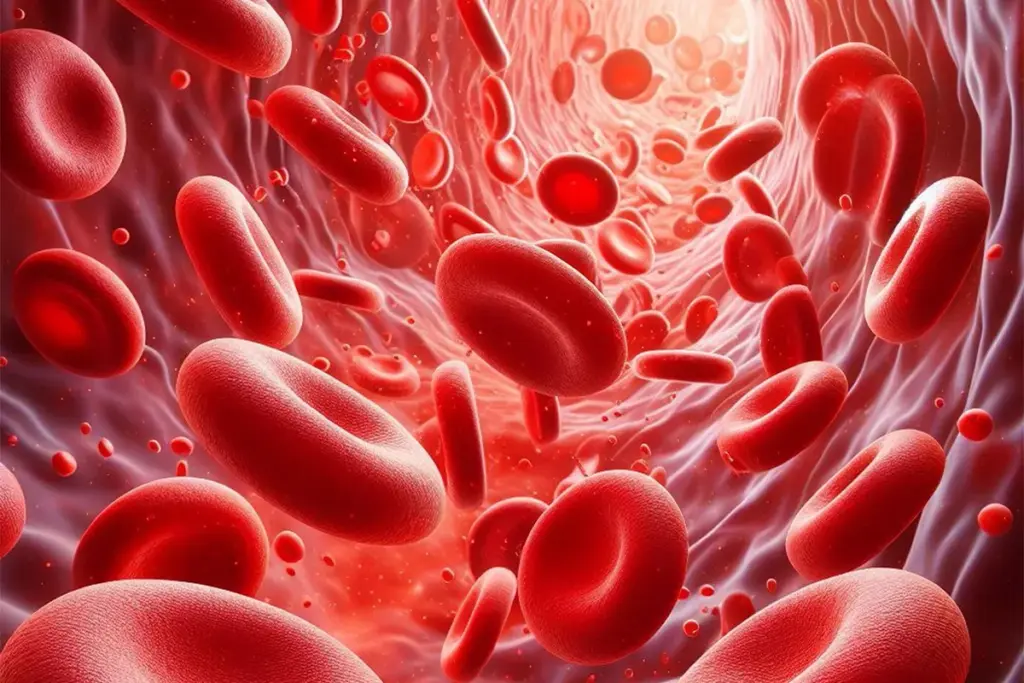
Red blood cells, or erythrocytes, are key to delivering oxygen across the body. Their special shape and makeup help them do this important job.
The Structure and Components of Red Blood Cells
Red blood cells are shaped like a biconcave disk. This shape lets them exchange gases better. They don’t have a nucleus, which means they have more room for hemoglobin. The protein hemoglobin carries oxygen.
Their cell membrane is flexible. This lets RBCs move through tiny capillaries easily.
The main part of RBCs is hemoglobin. It picks up oxygen in the lungs and drops it off in tissues. Any problems with hemoglobin can cause health issues.
The Role of Hemoglobin in Oxygen Transport
Hemoglobin is key for carrying oxygen. It grabs oxygen in the lungs and lets it go in the body’s tissues. Its special shape helps it bind and release oxygen.
How well hemoglobin binds oxygen depends on pH and carbon dioxide levels. This makes sure oxygen gets to where it’s needed most.
Normal RBC Production and Lifecycle
Red blood cells are made in the bone marrow. This process is controlled by erythropoiesis and a hormone called erythropoietin. RBCs live about 120 days before they’re recycled.
Many things affect how RBCs are made and how long they live. This includes what you eat and your overall health. Knowing about RBCs helps doctors diagnose and treat related problems.
Overview of Abnormal Red Blood Cell Conditions
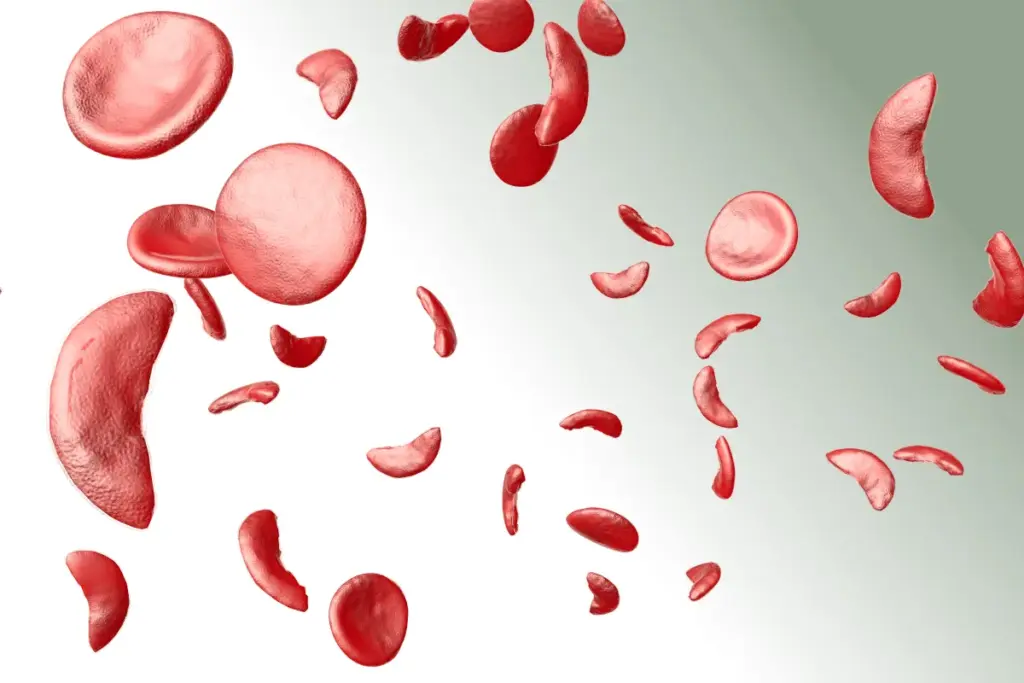
It’s important to know about abnormal red blood cells (RBCs) to diagnose and treat health issues. These cells can be different in size, shape, and number. These differences help doctors spot various health problems.
Defining Abnormal RBCs: Size, Shape, and Number
Abnormal RBCs are different in size, shape, and number. The RDW blood test checks how wide RBCs are. It helps find issues like iron deficiency anemia when the RDW is high.
A high RDW blood test means RBCs vary a lot in size. This can point to problems like vitamin B12 or folate deficiency, or chronic liver disease. Knowing what a high RDW means is key for correct diagnosis.
Common Classifications of RBC Disorders
RBC disorders are grouped based on the red blood cells’ features. These include:
- Anisocytosis: Variation in RBC size.
- Poikilocytosis: Variation in RBC shape.
- Polycythemia: Increased RBC count.
- Anemia: Decreased RBC count or hemoglobin.
Each group has different conditions that need specific diagnosis methods.
Global Prevalence of RBC Abnormalities
RBC abnormalities are a big health issue worldwide. The World Health Organization (WHO) says anemia affects about 25% of the world’s population.
|
Condition |
Prevalence |
Regions Most Affected |
|---|---|---|
|
Iron Deficiency Anemia |
30% globally |
South Asia, Sub-Saharan Africa |
|
Sickle Cell Disease |
4.4 per 1000 births |
Sub-Saharan Africa, India |
|
Thalassemia |
Varies by region |
Mediterranean, Middle East, South Asia |
“The global burden of RBC disorders necessitates a comprehensive approach to diagnosis, treatment, and prevention.” –
WHO Report on Red Blood Cell Disorders
Knowing how common RBC disorders are worldwide shows we need to raise awareness. We also need to work on early detection and effective treatments.
Genetic Causes of Abnormal Red Blood Cells
Understanding the genetic causes of abnormal red blood cells is key to diagnosing and treating related disorders. Genetic mutations affect how red blood cells are made and work. This can lead to various health problems. We will dive into these genetic factors.
Thalassemia and Hemoglobin Synthesis Disorders
Thalassemia is a genetic disorder that affects how hemoglobin is made. It leads to abnormal red blood cells. show how complex thalassemia is and its impact on hemoglobin production.
Hereditary Spherocytosis and Cell Membrane Defects
Hereditary spherocytosis is caused by genetic defects in the red blood cell membrane. This results in abnormally shaped cells. These defects harm the membrane’s structure and function, causing cells to be removed early.
Sickle Cell Disease and Hemoglobin Structure Abnormalities
Sickle cell disease is caused by a mutation in the hemoglobin gene. This mutation leads to abnormal hemoglobin (HbS). Red blood cells with this mutation can sickle under certain conditions, causing health problems.
Other Inherited RBC Disorders
Other genetic disorders affecting red blood cells include hereditary elliptocytosis and pyropoikilocytosis. These affect the cell membrane. Disorders related to enzyme deficiencies, like glucose-6-phosphate dehydrogenase (G6PD) deficiency, also exist.
|
Genetic Disorder |
Primary Effect |
Impact on RBCs |
|---|---|---|
|
Thalassemia |
Hemoglobin synthesis disorder |
Reduced hemoglobin production, anemia |
|
Hereditary Spherocytosis |
Cell membrane defect |
Abnormal cell shape, premature removal |
|
Sickle Cell Disease |
Hemoglobin structure abnormality |
Sickling of RBCs under stress, vaso-occlusive crises |
|
G6PD Deficiency |
Enzyme deficiency |
Increased susceptibility to oxidative damage, hemolysis |
Chronic Diseases That Affect Red Blood Cell Production
Chronic diseases can harm the production and function of red blood cells. This can lead to serious health issues. We will look at how kidney disease, liver disease, congenital heart disease, and COPD affect red blood cells and overall health.
Kidney Disease and Erythropoietin Production
Kidney disease can greatly affect red blood cell production. The kidneys make erythropoietin, a hormone that helps make red blood cells. If kidney disease stops this, it can cause anemia, with fewer red blood cells or less hemoglobin.
Erythropoietin therapy is used to treat anemia in patients with chronic kidney disease.
Liver Disease and Its Impact on RBCs
Liver disease can also harm red blood cells. It affects how the body uses nutrients needed for RBC production. For example, cirrhosis can cause folate and vitamin B12 deficiencies, which affect RBC production.
Also, liver problems can change how lipids are metabolized. This can affect the structure of RBC membranes.
Congenital Heart Disease and RBC Changes
Congenital heart disease can change how red blood cells are made and work. This is because of chronic low oxygen levels. The body tries to make more red blood cells to get more oxygen.
This can cause polycythemia, with too many red blood cells. This can make blood thicker and lead to heart problems.
COPD and Chronic Hypoxia Effects
COPD also affects red blood cell production. It often causes low oxygen levels, making the body make more red blood cells. This is similar to what happens in congenital heart disease.
Managing COPD and its effects on RBCs is key to avoiding more health problems.
Cancer-Related Red Blood Cell Abnormalities
The link between cancer and red blood cell issues is complex. Cancer, mainly affecting the bone marrow or kidneys, can harm red blood cell production and function. We’ll look at how cancer and its treatments cause red blood cell problems.
Bone Marrow Cancers and Disrupted RBC Production
Bone marrow cancers, like leukemia and lymphoma, mess with red blood cell making. These cancers stop the bone marrow from making healthy blood cells. This leads to odd red blood cell counts, sizes, and functions.
Effects on RBC Production:
- Less red blood cells are made
- Abnormal red blood cells are produced
- More red blood cells are destroyed
Kidney Tumors and Polycythemia
Kidney tumors can cause too many red blood cells in the blood. This happens because some kidney tumors make erythropoietin. This hormone boosts red blood cell making.
|
Condition |
Effect on RBCs |
|---|---|
|
Kidney Tumors |
More RBCs are made because of erythropoietin |
|
Bone Marrow Cancers |
RBC making is messed up, leading to anemia or odd RBCs |
Cancer Treatment Effects on Red Blood Cells
Cancer treatments, like chemo and radiation, also affect red blood cells. These treatments harm the bone marrow. This can lower red blood cell making and cause anemia.
Common effects of cancer treatment on RBCs include:
- Anemia from less RBC production
- Changes in RBC size and hemoglobin
- Higher risk of infections affecting RBCs
It’s key to know how cancer and its treatment affect red blood cells. This helps manage cancer patients’ health. Healthcare teams can then provide better support and treatment for these issues.
Nutritional Deficiencies Leading to Abnormal RBCs
Understanding how nutritional deficiencies impact red blood cell production can help in preventing related disorders. Nutritional deficiencies, like iron, vitamin B12, and folate, are big causes of abnormal RBCs. We will look at how these deficiencies affect red blood cell health and how diet can help.
Iron Deficiency and Microcytic Anemia
Iron deficiency is a big problem worldwide, leading to microcytic anemia. This condition makes red blood cells smaller than normal. This can lead to not enough oxygen getting to tissues. Key symptoms include fatigue, weakness, and shortness of breath.
- Increased risk in populations with limited access to iron-rich foods
- Common in individuals with chronic diseases or certain gastrointestinal disorders
- Can be addressed through dietary changes and iron supplementation
Vitamin B12 and Folate Deficiencies: Macrocytic Anemia
Deficiencies in vitamin B12 and folate can lead to macrocytic anemia, where red blood cells become larger than normal. This condition makes it hard for the cells to work right. Symptoms can include fatigue, neurological changes, and digestive issues.
- Vitamin B12 deficiency is more common in older adults and vegetarians
- Folate deficiency can result from inadequate dietary intake or certain medications
- Both deficiencies can be treated with supplementation and dietary adjustments
Regional Prevalence of Nutritional Anemias
Nutritional anemias, including those caused by iron, vitamin B12, and folate deficiencies, vary in prevalence across different regions. Diet, socioeconomic status, and healthcare access play big roles. Public health initiatives often focus on educating populations about dietary sources of essential nutrients.
|
Region |
Prevalence of Iron Deficiency |
Prevalence of Vitamin B12/Folate Deficiency |
|---|---|---|
|
North America |
Moderate |
Low to Moderate |
|
South Asia |
High |
Moderate |
|
Sub-Saharan Africa |
High |
Moderate to High |
Dietary Approaches to Prevent Nutritional RBC Disorders
A well-balanced diet rich in essential nutrients is key to preventing RBC disorders. Including a variety of foods such as red meat, leafy greens, and fortified cereals can help maintain healthy red blood cells. We suggest talking to a healthcare provider or a nutritionist to create a personalized diet plan.
- Increase consumption of iron-rich foods like red meat and spinach
- Ensure adequate intake of vitamin B12 through animal products or supplements
- Consume folate-rich foods such as leafy greens and legumes
Infections and Inflammatory Conditions Impacting RBCs
Red blood cells face threats from infections and inflammatory conditions. These can change how they work and are made. We’ll look at how different infections and conditions affect red blood cells.
Bacterial Infections and Hemolytic Anemia
Bacterial infections can cause hemolytic anemia, where red blood cells are destroyed. Some bacteria make toxins that harm RBCs or trigger an immune response. For example, Clostridium perfringens can cause severe damage to RBCs.
It’s important to understand the connection between bacterial infections and hemolytic anemia. This helps doctors diagnose and treat patients better.
Parasitic Diseases Affecting Red Blood Cells
Parasitic diseases, like malaria, harm red blood cells. Malaria parasites invade RBCs, multiply, and cause them to burst. This leads to anemia and other problems.
Other parasites, such as babesiosis, also destroy RBCs. We’ll explore how these parasites affect RBCs and the health issues that follow.
Chronic Inflammation and Anemia of Chronic Disease
Chronic inflammation can cause anemia of chronic disease (ACD). This is common in people with long-term illnesses like rheumatoid arthritis or HIV/AIDS. In ACD, inflammation messes with iron and RBC production, causing anemia.
We’ll dive into how ACD works and how to manage it.
Understanding infections and inflammatory conditions’ effects on red blood cells is key. It helps us diagnose and treat related disorders better. This knowledge is vital for creating effective treatment plans and improving patient care.
Environmental Factors That Cause RBC Abnormalities
Our surroundings and lifestyle choices greatly affect red blood cells. They can change how RBCs are made, shaped, and live. This often leads to problems. We’ll look at how different things in our environment cause RBC issues.
High Altitude and Compensatory Polycythemia
At high altitudes, there’s less oxygen in the air. This leads to a condition called compensatory polycythemia. It’s the body’s way of dealing with less oxygen by making more red blood cells.
While it helps get oxygen to tissues, it can make blood thicker. This can cause heart problems. People living in mountainous areas often face this issue.
Compensatory mechanisms help the body adjust, but they can also harm the heart over time. It’s important to understand these adaptations to prevent problems.
Smoking and Carbon Monoxide Effects
Smoking harms red blood cells. Carbon monoxide in cigarette smoke binds to hemoglobin, reducing oxygen-carrying capacity. This can cause long-term low oxygen levels and RBC problems, like polycythemia.
Smoking damages RBCs in many ways, not just through carbon monoxide. It also contains other harmful chemicals. Cessation programs and spreading the word about smoking dangers are key to preventing these issues.
Toxic Exposures and Chemical Damage to RBCs
Some toxins and chemicals can harm red blood cells. This can change their shape, size, and function. Industrial chemicals, pesticides, and heavy metals are examples of substances that can cause problems.
- Industrial workers are often at higher risk due to prolonged exposure to hazardous substances.
- Environmental regulations and workplace safety measures are critical in minimizing these risks.
- Public awareness about the dangers of certain chemicals can help reduce exposure.
It’s important to understand how environmental exposures affect RBC health. This knowledge helps us find ways to protect people from harm.
The RBC Blood Test: What It Measures and Why It’s Important
The RBC blood test is a key tool for checking red blood cells. It helps doctors find and track health issues related to these cells.
Components of a Complete RBC Blood Test
A complete RBC blood test looks at several important things:
- Red Blood Cell Count (RBC): The total number of red blood cells in the blood.
- Hemoglobin (Hb): The protein in red blood cells that carries oxygen.
- Hematocrit (Hct): The proportion of blood volume that is occupied by red blood cells.
- Mean Corpuscular Volume (MCV): The average size of red blood cells.
- Mean Corpuscular Hemoglobin (MCH): The average amount of hemoglobin per red blood cell.
- Mean Corpuscular Hemoglobin Concentration (MCHC): The average concentration of hemoglobin in red blood cells.
- Red Cell Distribution Width (RDW): A measure of the variation in red blood cell size.
These parts give a full picture of red blood cell health. They help doctors diagnose different conditions.
Normal Range Values for Different Demographics
Normal values for RBC tests can change with age, sex, and other factors. For example, that men usually have more hemoglobin than women. Knowing these differences is key for accurate diagnosis.
|
Parameter |
Male |
Female |
|---|---|---|
|
RBC Count |
4.32-5.72 million cells/μL |
3.90-5.03 million cells/μL |
|
Hemoglobin |
13.5-17.5 g/dL |
12.0-16.0 g/dL |
|
Hematocrit |
38.8-50.0% |
34.9-44.5% |
How to Prepare for an RBC Blood Test
Getting ready for an RBC blood test is easy. You should:
- Tell your doctor about any medicines or supplements you take.
- Follow any special instructions from your healthcare provider.
- Drink water to make the blood draw easier.
Even though fasting is not usually needed, always listen to your doctor’s advice.
When Your Doctor May Order an RBC Blood Test
Doctors might order an RBC blood test for many reasons, like:
- Diagnosing anemia or polycythemia.
- Monitoring chronic diseases that affect red blood cells.
- Evaluating symptoms such as fatigue, weakness, or shortness of breath.
- Preoperative testing before surgery.
As medical experts say, “A complete blood count (CBC) is one of the most commonly performed blood tests, providing valuable information about the patient’s overall health” (
Medical Journa
Understanding the RBC blood test and its role helps patients see its importance in keeping them healthy.
Interpreting High Red Blood Cell Count Results
Understanding high red blood cell count results is key. It shows if your body is adapting or facing health problems. A high count, or polycythemia, can signal many issues, from normal responses to serious diseases.
We’ll look at what causes an elevated red blood cell count. This will help you know when it’s a sign of trouble.
Physiological vs. Pathological Polycythemia
Polycythemia has two types: physiological and pathological. Physiological polycythemia is a natural response to high altitudes or intense workouts. Pathological polycythemia, though, is linked to serious health problems.
Knowing the difference is vital for correct diagnosis and treatment.
Conditions Associated with Elevated RBC Count
Many conditions can raise your red blood cell count. These include:
- Kidney disease or tumors affecting erythropoietin production
- Congenital heart disease
- Chronic obstructive pulmonary disease (COPD) and other conditions causing chronic hypoxia
- Testosterone replacement therapy or substance abuse
Finding the cause is key to the right treatment.
When to Be Concerned About High RBC Levels
A high red blood cell count can lead to serious issues like blood clots, stroke, and heart attack. It’s important to watch your RBC levels, and get medical help if you have risk factors.
Regular check-ups and tests can catch problems early and help manage risks.
|
Condition |
Description |
Associated Risks |
|---|---|---|
|
Physiological Polycythemia |
Natural response to high altitude or intense exercise |
Generally considered benign, but requires monitoring |
|
Pathological Polycythemia |
Associated with underlying health issues like kidney disease or tumors |
Increased risk of blood clots, stroke, and heart attack |
|
COPD and Chronic Hypoxia |
Chronic lung disease leading to low oxygen levels |
Can cause secondary polycythemia, increasing cardiovascular risks |
Understanding Low Red Blood Cell Count and Anemia
A low red blood cell count is a key sign of anemia. This condition can come from many sources, like not getting enough nutrients or having chronic diseases. Anemia affects millions, causing tiredness, weakness, and other issues that can really hurt your life quality.
Different Types of Anemia and Their Characteristics
Anemia isn’t just one thing; it’s a group of conditions with low red blood cell counts. The main types are:
- Iron deficiency anemia: Happens when you don’t have enough iron, which is needed to make hemoglobin.
- Vitamin deficiency anemia: This is often because of not enough vitamin B12 or folate, which are key for making red blood cells.
- Anemia of chronic disease: Linked to long-term illnesses like rheumatoid arthritis or cancer.
- Sickle cell anemia: A genetic disorder that makes hemoglobin abnormal, causing red blood cells to be misshapen.
Each type has its own traits and needs its own way of being diagnosed and treated.
Global and Regional Prevalence of Anemia
Anemia is a big health problem worldwide, hitting people in all kinds of places. The World Health Organization (WHO) says about 30% of the world’s population has anemia. This number is even higher in poorer countries.
In some areas, more people have anemia because of not getting enough nutrients, malaria, and other infections.
Signs and Symptoms of Low RBC Count
The signs of anemia can differ based on how bad it is and what kind it is. But common symptoms include:
- Fatigue and weakness
- Pale skin
- Shortness of breath
- Dizziness or lightheadedness
It’s important to notice these signs and get checked by a doctor early on.
“Finding anemia early and treating it right can really help people feel better and live better lives,” doctors say.
RBC Blood Test Result Interpretation: Beyond the Basics
<SEP-16256_image_4>
RBC blood test results give us more than just a count. They offer insights into our health. Understanding these results is key to diagnosing and managing health issues.
What High RDW Blood Test Results Indicate
A high RDW blood test result shows a big difference in red blood cell sizes. RDW measures the variation in red blood cell width. It often points to iron deficiency anemia, vitamin B12 or folate deficiency, and other issues affecting red blood cell production.
Research shows a high RDW value can increase the risk of heart disease in anemic patients. This shows how important it is to look at RDW in the context of overall health.
Understanding Mean Corpuscular Volume (MCV) Values
Mean Corpuscular Volume (MCV) is a key part of RBC blood test results. It shows the average size of red blood cells. MCV values help classify anemia into different types, like microcytic, normocytic, and macrocytic anemia.
- Low MCV values may indicate iron deficiency or thalassemia.
- High MCV values could suggest vitamin B12 or folate deficiency.
Interpreting MCH and MCHC Abnormalities
MCH (Mean Corpuscular Hemoglobin) and MCHC (Mean Corpuscular Hemoglobin Concentration) give insights into hemoglobin in red blood cells. MCH measures the average amount of hemoglobin in each red blood cell, while MCHC measures the average concentration of hemoglobin.
Abnormalities in MCH and MCHC can point to different conditions. For instance, low MCHC values often indicate iron deficiency anemia.
“Understanding the nuances of RBC parameters like MCH and MCHC is key for accurate diagnosis and treatment planning.”Hematologist
Combining RBC Parameters for Accurate Diagnosis
Using RBC parameters like RDW, MCV, MCH, and MCHC gives a full picture of red blood cells. This approach helps diagnose and differentiate various anemia types and RBC disorders.
For example, a patient with low MCV and high RDW might have iron deficiency anemia. By looking at multiple parameters, doctors can create better treatment plans.
Diagnostic Approaches for Abnormal RBC Findings
Figuring out why RBC counts are off needs a mix of tests and methods. When red blood cell counts seem wrong, doctors must dig deeper to find the cause.
Follow-up Testing After Abnormal RBC Results
More tests are needed after finding odd RBC counts. Tests like a complete blood count (CBC) and a reticulocyte count help doctors understand what’s going on. These tests help doctors figure out what’s wrong and what to do next.
Advanced Diagnostic Techniques
Modern tests are key in finding and treating RBC problems. Flow cytometry and molecular diagnostics can spot specific issues like hereditary spherocytosis or sickle cell disease. These tests help doctors make accurate diagnoses and plan the right treatment.
The Role of Bone Marrow Examination
A bone marrow test is very important in some cases. It checks how red blood cells are made and looks for any problems in the marrow. This test is great for finding issues like bone marrow failure syndromes or infiltrative diseases that affect RBC production.
Early Detection Strategies for RBC Disorders
Finding RBC disorders early is key to good treatment. Regular health checks, screenings for nutritional issues, and genetic tests are important. Early detection lets doctors start treatment early, preventing worse problems and improving health outcomes.
Conclusion: The Importance of Monitoring RBC Health
It’s key to watch your RBC health to catch problems early. Knowing what affects RBCs and the tools to check them can really help. This knowledge is vital for better health outcomes.
Staying up-to-date on RBC health and using the right tests can help keep you healthy. At livhospital.com, we offer top-notch care to international patients. We make sure they get the best treatment.
Don’t ignore signs of RBC issues. If you notice anything off, see a doctor right away. This way, you can get the right care for your RBC problems early on.
FAQ
What is a normal RBC count?
A normal RBC count changes with age, sex, and where you live. For adult men, it’s between 4.32-5.72 million cells per microliter. Women usually have 3.90-5.03 million cells per microliter.
What does a high red blood cell count indicate?
A high RBC count, or polycythemia, can happen for many reasons. It might be due to dehydration, high altitudes, or certain diseases like kidney issues or bone marrow problems.
What is the role of hemoglobin in red blood cells?
Hemoglobin is a protein in RBCs. It carries oxygen from the lungs to the body’s tissues. It also brings carbon dioxide back to the lungs.
How do nutritional deficiencies affect red blood cells?
Nutritional deficiencies, like iron, vitamin B12, or folate, can cause anemia. This is because they affect how RBCs are made or work. This can lead to different types of anemia.
What is the significance of RDW in an RBC blood test?
RDW, or Red Cell Distribution Width, shows how different in size RBCs are. A high RDW means there’s a big difference in size. This can point to iron deficiency anemia among other conditions.
How do chronic diseases impact red blood cell production?
Chronic diseases like kidney, liver, or COPD can harm RBC production and function. This often leads to anemia or other RBC disorders.
What is the importance of monitoring RBC health?
Keeping an eye on RBC health is key. It helps catch and manage RBC-related disorders early. This improves patient outcomes and quality of life.
How to prepare for an RBC blood test?
To prepare for an RBC blood test, you usually need to fast for 8-12 hours. Also, tell your healthcare provider about any medications or supplements you’re taking.
What are the signs and symptoms of low RBC count?
Symptoms of low RBC count, or anemia, include fatigue, weakness, and pale skin. You might also feel short of breath or dizzy, depending on the cause and severity.
When should I be concerned about high RBC levels?
If you have high RBC levels and feel symptoms like headaches or dizziness, you should be concerned. This is also true if you have a history of conditions that can cause polycythemia, like kidney disease or bone marrow disorders.
References
Frontiers in Hematology: https://www.frontiersin.org/journals/hematology/articles/10.3389/frhem.2025.1560766/full



 Departments
 Related Videos
 Our Doctors
 News
News