
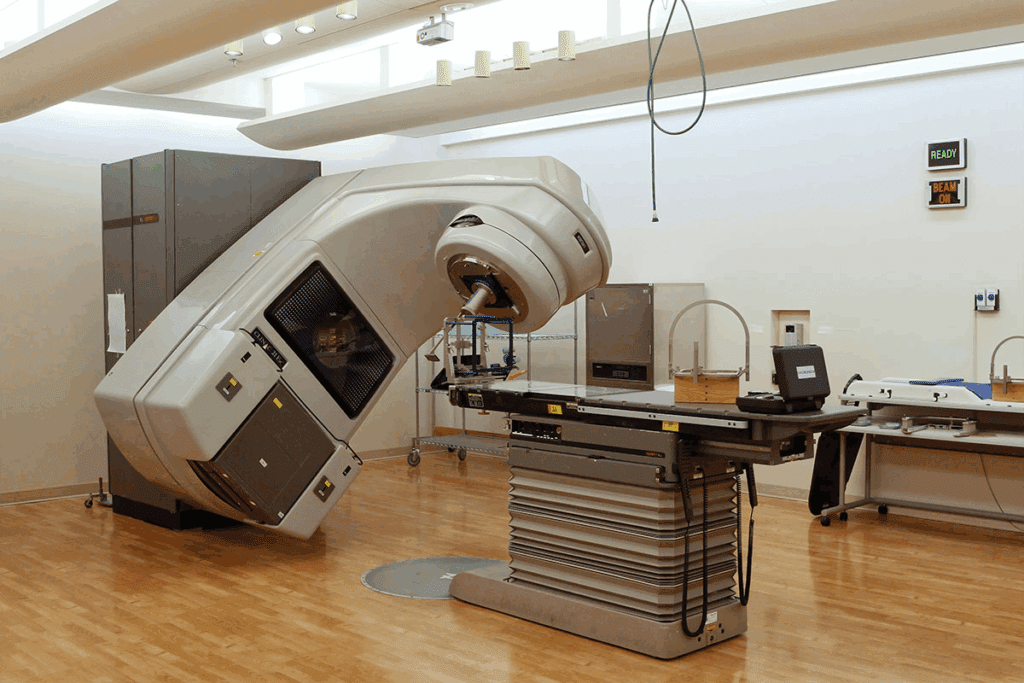
Stereotactic radiosurgery is a precise radiation therapy for brain tumors and abnormalities. It’s non-invasive, focusing high doses of radiation on specific areas. This minimizes damage to nearby tissues. As it becomes more common, people wonder if they can drive after it.recovery time for brain biopsyBrain Biopsy Recovery: 7 Key Facts About Procedure and Healing Time
Getting stereotactic radiosurgery raises concerns about driving. The impact on driving depends on the treatment area and how the patient responds. We aim to offer full support and guidance during the recovery process.
Key Takeaways
- Understand the basics of stereotactic radiosurgery and its effects on the body.
- Learn about the factors influencing driving capabilities after the procedure.
- Discover the typical guidelines for resuming driving after stereotactic radiosurgery.
- Find out how to prepare for a safe return to driving post-procedure.
- Explore the support and resources available during the recovery period.
Understanding Stereotactic Radiosurgery
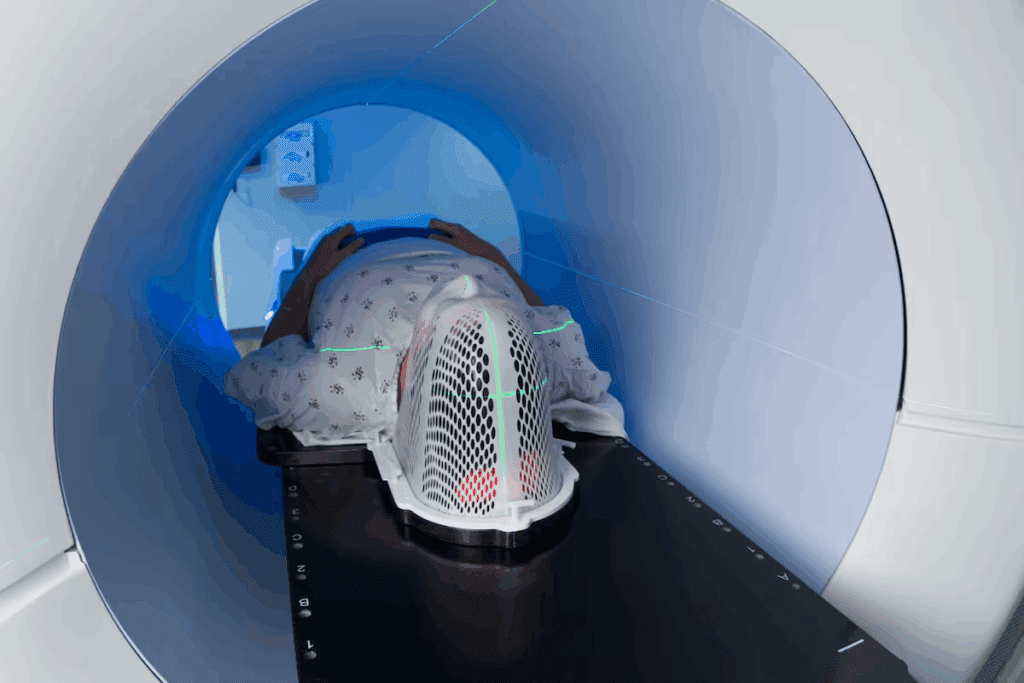
For those with brain tumors or other neurological issues, stereotactic radiosurgery is a precise treatment. It doesn’t need an incision. Instead, it uses gamma rays or X-rays to focus on the problem area.
What is Stereotactic Radiosurgery?
This method sends a high dose of radiation to a specific brain area. It aims to harm the tumor while keeping healthy tissue safe. It treats benign and malignant tumors, AVMs, and some neurological disorders.
Common Conditions Treated with Stereotactic Radiosurgery
Stereotactic radiosurgery helps with many brain issues. Here are some examples:
- Benign brain tumors like acoustic neuromas and meningiomas
- Malignant brain tumors, including metastatic brain tumors
- Arteriovenous malformations (AVMs)
- Trigeminal neuralgia
How the Procedure Differs from Traditional Brain Surgery
Stereotactic radiosurgery is different from regular brain surgery. It’s non-invasive, meaning no need to open the skull. This lowers the risk of complications and infections.
The procedure is usually done on an outpatient basis. Patients can go home the same day.
Immediate Post-Procedure Effects
Stereotactic radiosurgery is precise and minimally invasive. Yet, it can cause immediate side effects. Knowing about these effects helps manage expectations and ensures a smooth recovery.
Physical Side Effects After Treatment
Patients may feel a range of physical side effects after stereotactic radiosurgery. These can be mild, like fatigue and headaches, or more severe. The effects depend on the individual and the treatment specifics.
- Fatigue: Feeling tired or weak, which can last from a few days to several weeks.
- Headaches: Mild to moderate headaches are common and can usually be managed with medication.
- Nausea and Vomiting: Some patients may experience nausea or vomiting, if the treatment area is near the brainstem or other sensitive structures.
It’s important for patients to follow their doctor’s advice on managing these side effects. This ensures a comfortable recovery.
Cognitive and Neurological Impacts
Cognitive and neurological impacts can occur after stereotactic radiosurgery. These effects are often temporary but can be concerning for patients.
Some common cognitive impacts include:
- Memory Issues: Patients might notice short-term memory problems or difficulty concentrating.
- Confusion: Feeling disoriented or confused, specially in the first few days post-procedure.
Neurological impacts can vary widely. They depend on the treatment location and individual patient factors.
| Symptom | Frequency | Typical Duration |
| Fatigue | Common | Several weeks |
| Headaches | Common | A few days to a week |
| Nausea/Vomiting | Less Common | A few days |
| Memory Issues | Variable | Several weeks to months |
Medication Effects That May Impair Driving
Medications after stereotactic radiosurgery can affect driving. It’s important to understand these effects to avoid risks.
Some medications can cause:
- Drowsiness: Many pain and anti-seizure medications can make patients feel drowsy or lethargic.
- Dizziness: Certain medications can cause dizziness or lightheadedness, impairing balance and coordination.
- Impaired Reaction Time: Some medications can slow down reaction times, making it dangerous to operate a vehicle.
Patients should discuss their medication regimen with their healthcare provider. This helps understand the impacts on driving and plan safely.
Medical Guidelines on Driving After Brain Procedures
It’s important for patients and their families to know the rules for driving after brain surgery. These rules help keep everyone safe and follow the law.
Official Medical Recommendations
Doctors have set clear rules for driving after brain surgery. These rules come from lots of research and experience.
- Post-Procedure Waiting Period: Patients usually need to wait a bit before they can drive again.
- Medical Clearance: Getting a doctor’s okay is key before you start driving.
- Assessment of Cognitive and Motor Functions: You must show you can drive safely by passing certain tests.
Factors Physicians Consider When Advising Patients
Doctors look at several things when telling patients when they can drive after brain surgery. They think about the surgery type, the patient’s health, and any brain or motor issues.
- Type of Procedure: Different surgeries mean different things for driving.
- Patient’s Health Status: The patient’s health and any other health problems are important.
- Cognitive and Motor Function: Doctors check if the patient can drive safely.
Legal Requirements and Medical Clearance
Every place has its own rules for driving after brain surgery, but getting a doctor’s okay is always needed. Patients must follow the local laws and rules about driving after surgery.
- Reporting Requirements: Some places need you to tell them about certain health issues or surgeries.
- License Restrictions: Sometimes, you might not be able to drive after brain surgery.
- Insurance Implications: Your health or surgery might change your insurance situation.
By following these rules and talking to doctors, patients can safely start driving again after brain surgery.
Typical Recovery Timeline for Stereotactic Radiosurgery
Knowing what to expect after stereotactic radiosurgery helps patients prepare. The recovery time varies, but there are common guidelines for most people.
First 24-48 Hours Post-Procedure
The first few hours after the procedure are key. Patients often feel:
- Fatigue and drowsiness from the procedure and sedation.
- Mild headaches or discomfort, which can be treated with medicine.
- Nausea or vomiting, but this is rare with today’s radiosurgery.
Resting is important during this time. It’s best to have someone with you to help with daily tasks.
First Week of Recovery
In the first week, side effects may lessen. Important things to note include:
- Slowly getting back to normal activities, avoiding hard exercise and heavy lifting.
- Going to follow-up appointments with your healthcare team to check on your recovery and adjust medications.
- Possible hair loss or skin reactions in the treated area, depending on the treatment.
It’s vital to follow your doctor’s advice on medication, activity, and follow-up care.
Long-term Recovery Expectations
Long-term recovery depends on the treated condition, your health, and the radiosurgery details. Generally:
- Most people can get back to their usual activities in a few weeks.
- The full effects of the treatment may take months to show.
- Regular check-ups are important to see how the treatment is working and manage any lasting side effects.
Following the post-procedure instructions from your healthcare team is key to the best results.
Recovery Time for Brain Biopsy Compared to Radiosurgery
Recovery times differ a lot between brain biopsy and stereotactic radiosurgery. These are two ways to treat brain issues. Knowing these differences helps patients plan better and make informed choices.
Brain Biopsy Procedure Overview
A brain biopsy takes a small piece of brain tissue for tests. It can be done in different ways, like stereotactic biopsy. This method uses a three-dimensional system to find the right spot.
We use MRI or CT scans to guide the needle. This ensures we get the right sample. The biopsy is usually done under local anesthesia, sometimes with sedation.
Typical Brain Biopsy Recovery Timeline
Recovery from a brain biopsy varies. It depends on the patient’s health and the biopsy details. Most patients need a few days at home to recover.
- First 24 hours: Rest and watchful waiting are key. Patients should avoid hard work.
- First week: Slowly getting back to normal. Follow-up visits check on healing and answer questions.
- Long-term: Full recovery usually takes a few weeks, but it can vary.
Key Differences in Recovery Between Procedures
Brain biopsy and stereotactic radiosurgery have different recovery times. Radiosurgery, being non-invasive, has a quicker recovery. Most patients can go back to normal in a day or two.
| Procedure | Typical Recovery Time | Immediate Post-Procedure Effects |
| Brain Biopsy | Several days to weeks | Potential for swelling, pain, and neurological effects |
| Stereotactic Radiosurgery | 1-2 days | Minimal immediate effects; some fatigue and headache possible |
Doctors say radiosurgery has fewer immediate side effects than brain biopsy. (Source: Journal of Neurosurgery)
Every patient’s recovery is different. It depends on their health, the condition being treated, and the procedure’s complexity.
Driving Restrictions Based on Treatment Location
The area of the brain treated during surgery is key in deciding if you can drive after. The brain controls many functions needed for safe driving.
Treatments Affecting Motor Function Areas
Treatments in motor function areas can greatly affect your driving. These areas handle coordination, balance, and using the vehicle’s controls.
Patients in these areas might feel weak, numb, or paralyzed. This can make driving hard. The impact depends on how severe the treatment is and the patient’s health.
Treatments Affecting Visual Processing Centers
Visual processing is vital for driving. It lets you see and react to road information. Treatments in these centers can cause vision problems like blurred or double vision.
These vision issues can make driving unsafe until your vision gets better.
Treatments Affecting Cognitive Function Areas
Cognitive functions like attention and decision-making are key for safe driving. Treatments in these areas can lead to cognitive problems. This makes driving a challenge.
We summarize the effects of treatment location on driving in the table below:
| Treatment Location | Potential Impact on Driving | Typical Recovery Time |
| Motor Function Areas | Weakness, numbness, or paralysis | Variable, often several weeks to months |
| Visual Processing Centers | Visual disturbances (blurred vision, double vision) | Several weeks to months |
| Cognitive Function Areas | Cognitive impairments (attention, memory issues) | Variable, can be long-term |
Seizure Risk and Driving Considerations
Patients who have had brain surgery worry about driving again because of seizure risks. Seizures can happen after stereotactic radiosurgery. It’s important to know this to drive safely.
Post-Procedure Seizure Statistics
Studies show that seizures can occur after brain surgery. It’s key for patients to know the seizure risk to decide about driving. While the risk is low, it’s not zero.
“The risk of seizures from radiation is a big worry, mainly in the first years,” a study says. This shows the need for constant check-ups.
State Laws Regarding Seizures and Driving
Driving laws for people with seizure history differ by state. Patients need to know their state’s rules to follow them. Some states say you must be seizure-free for a certain time before you can drive again. Knowing these laws helps avoid legal trouble and keeps you safe.
| State | Seizure-Free Period Required |
| California | 3 months |
| New York | 6 months |
| Texas | 3 to 6 months |
Seizure Precautions for Patients
To lower seizure risks while driving, patients can take steps. Stick to your medication, avoid driving when you’re at high risk, and watch for early signs of a seizure. Also, talk to your doctor for advice tailored to you.
A doctor says, “If you’ve had seizures, always check with your doctor before driving. Safety is more important than anything else.”
How to Assess Your Readiness to Drive
Checking if you’re ready to drive safely after Stereotactic Radiosurgery is key. It’s important for your safety and others. After the procedure, you need to carefully decide when it’s safe to drive again.
Self-Assessment Techniques
Start by checking your physical and mental health. Think if you can drive without feeling uncomfortable or distracted. Ask yourself:
- Can you react quickly to unexpected situations on the road?
- Are you experiencing any visual disturbances that could affect your driving?
- Do you have the cognitive clarity to navigate through traffic and follow road signs?
Self-assessment is a key first step. But, it might not be enough to know if you’re ready to drive. Think about how you feel overall and if your abilities have changed after your procedure.
Professional Driving Evaluations
In some cases, a professional driving evaluation is suggested. This gives an unbiased look at your driving skills. Professional evaluators can spot risks you might not see, giving a detailed review of your driving.
A professional driving evaluation includes:
- A review of your medical history and current condition.
- An on-road driving assessment to evaluate your driving skills.
- Feedback on areas where you may need improvement.
Signs You’re Not Ready to Return to Driving
Knowing when you’re not ready to drive is important. Look out for signs like:
- Persistent dizziness or loss of balance.
- Significant changes in vision or hearing.
- Cognitive impairments, such as memory issues or difficulty concentrating.
- Seizures or other neurological symptoms.
If you notice these symptoms, talk to your healthcare provider before driving. Your safety and others’ depend on making the right choice about driving.
Transportation Alternatives During Recovery
After stereotactic radiosurgery, patients need safe ways to get around. Finding transportation can be hard, but there are many options. We’re here to help you find the best one.
Family and Caregiver Support
Family and caregivers are often the best help for getting around. They can drive you to appointments and do errands. This lets you focus on getting better.
Talk to your family and caregivers about your needs early. Make a plan that works for everyone. Also, ask them to help with things like grocery shopping and picking up prescriptions.
Medical Transportation Services
For those needing special transport, medical services are available. They offer safe, comfortable rides to medical visits. We can help find services that fit your needs.
| Service Type | Description | Benefits |
| Non-Emergency Medical Transportation | Transports patients to medical appointments | Safe, comfortable, and equipped for medical needs |
| Wheelchair Transportation | Transports patients with mobility issues | Wheelchair-accessible vehicles |
| Stretcher Transportation | Transports patients who need to lie down | Equipped with stretchers for comfort |
Rideshare and Public Transportation Options
Rideshare and public transport are good for those who can use them. Many rideshare services support medical needs and mobility issues. Check with local providers for options.
Public transport is another choice, but it needs planning. Many cities have accessible systems. Look into your local transport’s features and plan your route.
Exploring these options can make your recovery safer and less stressful. We’re here to help find the best transport for you.
Special Considerations for Commercial Drivers
Commercial drivers who have had brain surgery face special challenges when trying to get back to work. The rules for their return are complex and cover many areas.
After brain surgery or radiosurgery, commercial drivers must meet certain requirements. These rules are in place to make sure they can drive safely. They check if the driver can operate a commercial vehicle safely.
CDL Requirements After Brain Procedures
CDL holders must follow strict rules after medical procedures, like brain surgery. The FMCSA requires drivers to report any health issues that might affect their driving.
To keep their CDL, drivers need a medical check from a certified examiner on the FMCSA National Registry. This check looks at the driver’s health, including any brain-related issues.
Federal Motor Carrier Safety Administration Guidelines
The FMCSA gives guidelines for doctors to check if commercial drivers are fit to drive. These guidelines look at the driver’s health history, current health, and any risks from their condition or treatment.
For drivers who had brain surgery, the guidelines suggest a detailed neurological check. This check looks at thinking skills, motor abilities, and the risk of seizures. The results of this check are key to deciding if a driver can go back to driving commercially.
Return-to-Work Protocols for Professional Drivers
Getting back to work for commercial drivers involves a detailed check by health experts. This check looks at the driver’s physical and thinking abilities, and their medication.
| Assessment Criteria | Description | Relevance to Commercial Driving |
| Neurological Examination | Evaluates cognitive function, motor skills, and seizure risk | High |
| Medical History Review | Reviews the driver’s medical history, including the brain procedure | High |
| Medication Regimen Assessment | Assesses the driver’s current medications and their side effects | Medium |
| Physical Ability Assessment | Evaluates the driver’s physical capabilities, including vision and reaction time | High |
By following these steps, health experts can give a good idea of if a commercial driver is ready to go back to work.
Long-term Outcomes and Quality of Life
After stereotactic radiosurgery, outcomes can differ a lot. This depends on the tumor’s type, size, location, and the patient’s health.
Living with Benign Brain Tumors
For those with benign tumors, radiosurgery often works well. It helps keep the tumor under control and improves life quality. Regular follow-up is key to track the tumor’s response and manage new symptoms.
Many can go back to their usual activities a few weeks or months after treatment. But, recovery can be affected by the tumor’s spot and the patient’s age.
Success Stories and Survival Rates
Research shows radiosurgery is very effective for benign brain tumors. It leads to high survival rates over time. For example, a study in a top neurosurgery journal found high tumor control rates.
| Tumor Type | Tumor Control Rate | Survival Rate |
| Benign Tumors | 90% | 95% |
| Malignant Tumors | 70% | 80% |
Neuroplasticity and Brain Function Recovery
Neuroplasticity is key in recovering after radiosurgery. Rehabilitation therapies boost this ability. They help patients regain lost functions and improve their life quality.
As we learn more about neuroplasticity, new ways to help patients recover are being found. This offers hope for better outcomes for those who have brain surgery.
Communication with Your Healthcare Team
Talking clearly with your medical team is key before, during, and after brain surgeries. It helps your doctors understand your needs and medical history. This is important for a good treatment result.
Questions to Ask Before Your Procedure
Before stereotactic radiosurgery, ask your team important questions. Find out about procedure’s risks and benefits and the expected recovery process. Also, know what to expect at follow-up visits. Some questions to ask are:
- What are the possible side effects of the treatment?
- How will my condition be checked after the procedure?
- Are there any special care instructions I should follow after?
Follow-up Appointments and Assessments
Follow-up visits are a big part of your care after stereotactic radiosurgery. These visits help your team check on your recovery and answer any questions. You can expect:
- Checks on your brain function and overall health
- Imaging tests to see how the treated area is doing
- Changes to your medication or treatment plan
When to Report New Symptoms
It’s important to watch how your body reacts to the treatment. Know when to tell your healthcare team about new or bad symptoms. If you have:
- Severe headache or pain that doesn’t go away
- Nausea or vomiting that doesn’t get better with meds
- New brain symptoms, like weakness or numbness
By talking openly with your healthcare team, you can get the best results from your treatment.
Conclusion
Driving after stereotactic radiosurgery is a big deal. It’s a precise treatment for brain conditions. Knowing how it affects driving is key.
We’ve looked at what happens right after treatment, medical rules, and how long it takes to get better. It’s important to listen to your doctors and follow the law about driving. Checking if you’re ready to drive and using other ways to get around are smart moves.
Getting back to driving after this treatment needs careful thought and planning. By focusing on your health and listening to your doctors, you can recover safely. We suggest talking to your healthcare team, asking questions, and getting help when you need it.
FAQ
What is stereotactic radiosurgery, and how does it affect my ability to drive?
Stereotactic radiosurgery is a non-invasive treatment for brain tumors and other conditions. It uses radiation but doesn’t require surgery. It can cause side effects like fatigue, dizziness, or changes in thinking that might affect driving.
How long after stereotactic radiosurgery can I drive?
The time you can drive after treatment varies. It depends on where the treatment was and your health. Always follow your doctor’s advice on when it’s safe to drive again.
What are the typical recovery times for brain biopsy and stereotactic radiosurgery?
Recovery times are different for each procedure. Brain biopsies usually take a few days to a week to recover from. Stereotactic radiosurgery might take longer, sometimes weeks.
Can I have a CDL with cancer or after brain surgery?
CDL rules after brain surgery or cancer depend on your area’s laws and your condition. Talk to your doctor and transportation authorities to understand the rules for you.
How does the location of the treatment within the brain affect driving restrictions?
The area treated in the brain affects driving. If it’s near motor, visual, or thinking areas, it might impact driving. Your doctor will check this and advise on driving.
What is the risk of seizures after brain procedures, and how does it affect driving?
Seizure risk after brain procedures varies. Seizures can be dangerous while driving. Your doctor will discuss the risk and driving rules with you.
How can I assess my readiness to drive after stereotactic radiosurgery?
Check if you’re ready to drive by evaluating your health and thinking. Your doctor can also assess if you’re safe to drive again.
What transportation alternatives are available during my recovery?
Use family, caregivers, or medical transport while recovering. You can also try rideshare or public transport.
Are there special considerations for commercial drivers who have undergone brain procedures?
Yes, commercial drivers have special rules. These include CDL rules, Federal Motor Carrier Safety Administration guidelines, and return-to-work protocols.
What are the long-term outcomes and quality of life after brain surgery?
Outcomes and quality of life vary. Many see big improvements and can even drive again.
Why is communication with my healthcare team important during recovery?
Keeping in touch with your healthcare team is key. They can help with side effects and when it’s safe to drive again.
How long can you live with a benign brain tumor?
Life expectancy with benign brain tumors varies. It depends on the tumor type, size, and location, and treatment success. Many live long, active lives with proper care.
Is a brain tumor considered cancer?
Not all brain tumors are cancer. Benign tumors are not cancerous, while malignant ones are. The tumor type affects treatment and outlook.
What is the recovery time from meningioma surgery?
Recovery from meningioma surgery varies. It usually takes weeks to months. The exact time depends on your health, the tumor, and surgery type.
References
BMJ (British Medical Journal). Driving after stereotactic radiosurgery impact on patient abilities. Retrieved from https://bmjopen.bmj.com/content/10/10/e038118