
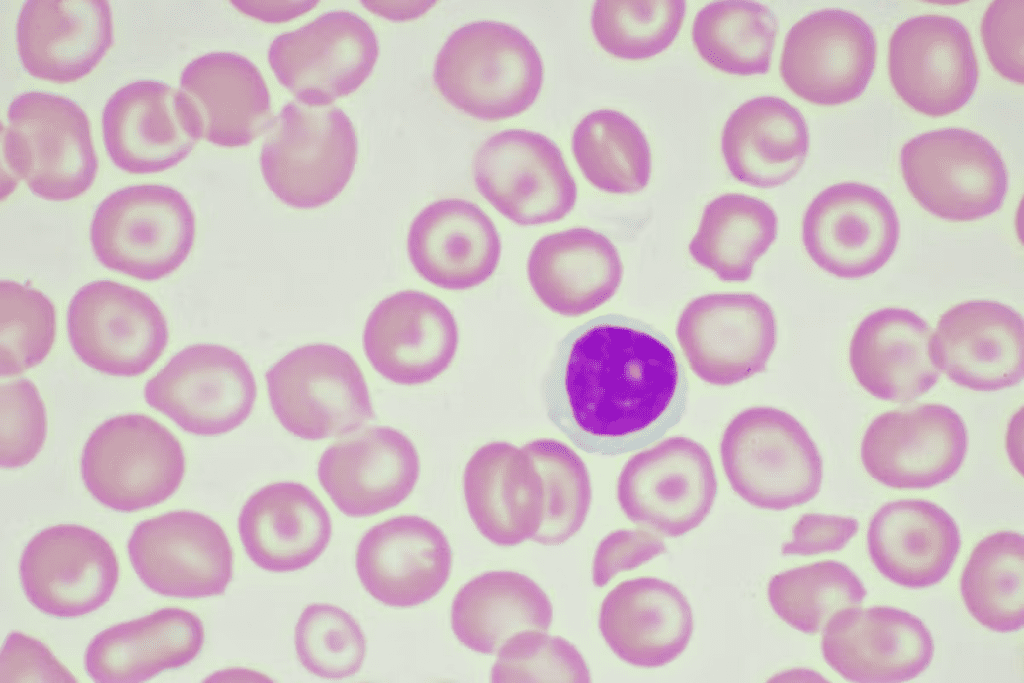
Abnormal hematology refers to conditions where blood cells fall outside normal ranges. This can happen if there are too many or too few blood cells or if they are not shaped right. One common example is when red blood cell count is low, a condition known as anemia. This affects the blood’s ability to carry oxygen, leading to symptoms like fatigue, dizziness, and shortness of breath. We find out about abnormal hematology by doing tests like the CBC test, which checks the different parts of blood, including red blood cells. Knowing about abnormal hematology, such asred blood cell count low, helps us better diagnose and manage blood problems to improve patient health.
Our medical team gives expert advice and care for blood issues. We figure out what’s causing the problem and its symptoms. Then, we make a plan to fix it.
Key Takeaways
- Abnormal hematology includes many blood problems.
- A CBC test is key to finding these problems.
- Knowing the cause and symptoms is vital for treatment.
- Personal care is important for blood issues.
- Our team offers expert advice and support.
Understanding Hematology and Blood Composition
Blood is a complex mix of cells and plasma. It’s the focus of hematology, a branch of medicine. This field explores blood’s intricacies and related disorders. Blood is vital for delivering oxygen, fighting infections, and overall health.
The Science of Blood Studies
Hematology studies blood cells and plasma. It looks at red blood cells, white blood cells, and platelets. It also examines proteins and substances in blood plasma. This helps doctors diagnose and monitor conditions like anemia and blood cancers.
Components of Blood: Cells and Plasma
Blood has four main parts: red blood cells, white blood cells, platelets, and plasma. Red blood cells carry oxygen. White blood cells fight infections. Platelets help with blood clotting.
Plasma is the liquid part of blood. It carries cells and platelets. It also has vital proteins and nutrients.
| Blood Component | Function |
| Red Blood Cells | Carry oxygen throughout the body |
| White Blood Cells | Part of the immune system, fight infections |
| Platelets | Key role in blood clotting |
| Plasma | Carries cells and platelets, contains proteins and nutrients |
The Role of Laboratory Blood Analysis
Laboratory blood analysis is key in hematology. It helps doctors check blood components and diagnose conditions. A Complete Blood Count (CBC) is a common test. It shows levels of different blood cells.
By looking at blood components and test results, we learn more about hematology. This knowledge is vital for our health.
Complete Blood Count (CBC): The Fundamental Blood Test
The Complete Blood Count (CBC) is a key test for checking blood health. It looks at red and white blood cells, platelets, and hemoglobin. This test helps find and track many health problems, like anemia, infections, and blood disorders.
What a CBC Measures
A CBC checks several important parts of blood:
- Red Blood Cells (RBCs): Carry oxygen throughout the body.
- White Blood Cells (WBCs): Play a key role in fighting off infections.
- Platelets: Important for blood clotting.
- Hemoglobin: A protein in RBCs that carries oxygen.
- Hematocrit: The proportion of RBCs in blood.
These measurements help us understand how well the body carries oxygen, fights infections, and clots blood.
CBC with Differential and Auto Differential
A CBC with differential count looks at the total number of WBCs and breaks them down into five types. An auto differential count uses machines to give a more detailed and accurate count of these cells.
Reading and Interpreting CBC Test Results
To understand CBC results, you need to know the normal ranges for each blood component. A low red blood cell count might mean anemia. A high white blood cell count could point to an infection or inflammation.
Red Blood Cells: Function and Normal Parameters
Red blood cells carry oxygen from the lungs to the body’s tissues. This is key for keeping the body healthy and working right.
The Role of Red Blood Cells in the Body
Red blood cells, or erythrocytes, are the most common blood cells. They carry oxygen, bound to hemoglobin, to the body’s parts. This oxygen is vital for cell energy production.
Without enough red blood cells or working hemoglobin, tissues don’t get the oxygen they need. This can cause health problems.
Normal RBC Count Ranges by Age and Gender
A normal red blood cell count changes with age, gender, and other factors. Adult men usually have 4.32 to 5.72 million cells per microliter. Adult women have 3.90 to 5.03 million cells per microliter.
Children have different normal counts based on their age. Knowing these ranges helps diagnose issues like anemia or polycythemia.
Red Cell Indices: MCV, MCH, MCHC Explained
Red cell indices measure red blood cell size and hemoglobin content. They include:
- MCV (Mean Corpuscular Volume): Shows the average red blood cell volume. A low MCV means microcytic anemia, and a high MCV means macrocytic anemia.
- MCH (Mean Corpuscular Hemoglobin): Shows the average hemoglobin in each red blood cell. A low MCH indicates hypochromic anemia.
- MCHC (Mean Corpuscular Hemoglobin Concentration): Reflects the average hemoglobin concentration in red blood cells. It’s key for diagnosing anemia types.
Knowing these indices is important for diagnosing and managing red blood cell-related conditions.
Red Blood Cell Count Low: Causes and Implications
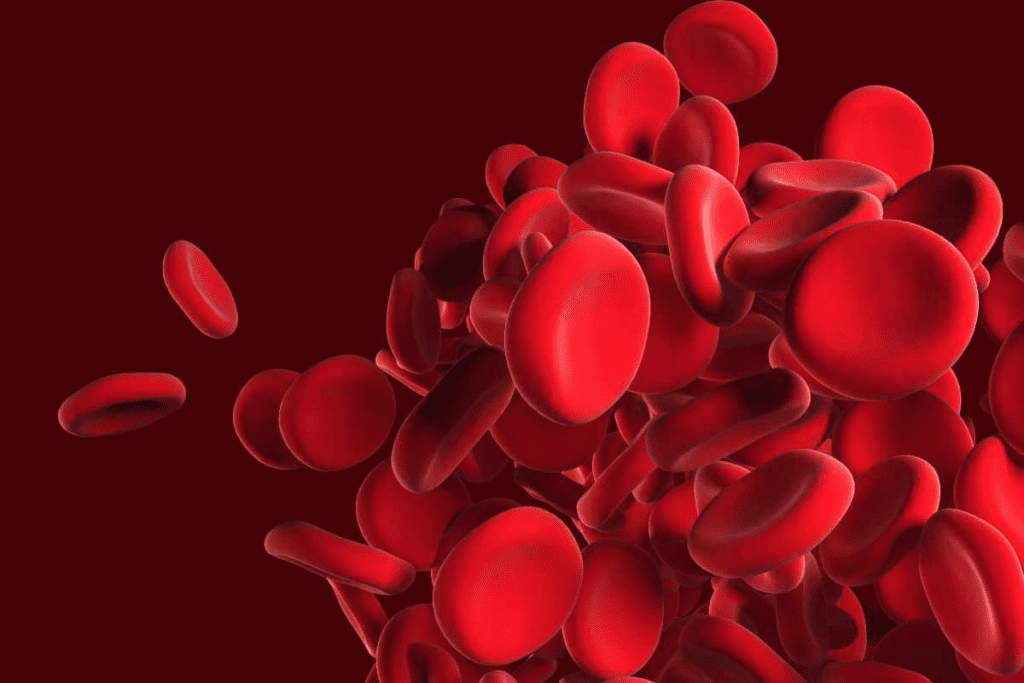
Knowing why a low red blood cell count happens is key to staying healthy. Red blood cells carry oxygen to all parts of the body. If there’s not enough, health problems can arise.
What Constitutes Low RBC Levels
A low red blood cell count, or anemia, is when the count is below normal. The normal range changes based on age, gender, and other factors. For men, it’s below 4.32 million cells per microliter. For women, it’s below 3.90 million cells per microliter.
Common Causes of Low Red Blood Cell Count
Several things can cause a low red blood cell count. These include:
- Anemia: A condition where there’s not enough red blood cells or they’re not good enough.
- Blood Loss: Losing a lot of blood, like from an injury, surgery, or heavy periods, can lower RBC count.
- Bone Marrow Disorders: Problems with the bone marrow, like leukemia or aplastic anemia, can stop red blood cells from being made.
- Nutritional Deficiencies: Not getting enough iron, vitamin B12, or folate can also affect red blood cell production.
Symptoms Associated with Low RBC
The symptoms of a low red blood cell count can differ based on the cause and how severe it is. Common signs include:
- Fatigue and Weakness: Not enough red blood cells means less oxygen, making you tired.
- Shortness of Breath: With fewer red blood cells, less oxygen is carried to tissues and organs.
- Dizziness or Lightheadedness: A low RBC count can lower blood pressure, causing dizziness.
- Pale Skin: Fewer red blood cells can make the skin look pale or washed out.
It’s important to recognize these symptoms and understand their meaning. This helps in getting the right medical care and fixing the cause of a low red blood cell count.
Anemia: The Primary Consequence of Low Red Blood Cells
Anemia happens when your body has too few red blood cells or hemoglobin. It can be caused by not getting enough nutrients, chronic diseases, or genetic issues.
Types of Anemia and Their Characteristics
There are many types of anemia, each with its own traits. The most common ones are:
- Iron-deficiency anemia: This is when you don’t have enough iron, which is key for making hemoglobin.
- Vitamin deficiency anemia: It’s caused by not having enough vitamins like B12 or folate.
- Anemia of chronic disease: This type is linked to long-term illnesses like rheumatoid arthritis or cancer.
- Sickle cell anemia: It’s a genetic disorder that affects how hemoglobin is made.
Diagnosing Different Forms of Anemia
To find out if you have anemia, doctors use blood tests and look at your medical history. The Complete Blood Count (CBC) test is very important. It checks your red blood cell count, hemoglobin levels, and more.
Here’s how doctors diagnose different anemias:
- Iron studies: These tests check your iron levels.
- Vitamin B12 and folate tests: They help spot vitamin deficiencies.
- Hemoglobin electrophoresis: This test finds abnormal hemoglobin types.
Impact of Anemia on Overall Health
Anemia can really affect your health. It can make you feel tired, hurt your heart, and mess with your brain. If not treated, anemia can cause serious problems like:
- Fatigue and weakness: Not enough red blood cells or hemoglobin means your body can’t get enough oxygen.
- Cardiovascular issues: Your heart has to work harder to get enough oxygen, which can lead to heart problems.
- Cognitive impairments: Anemia can make it hard to focus and remember things.
Elevated Red Blood Cell Count: Causes and Concerns
It’s important to know why an elevated red blood cell count happens. This can be due to polycythemia, dehydration, or chronic hypoxia. Knowing this helps in diagnosing and treating the issue.
Polycythemia and Other High RBC Conditions
Polycythemia means having too many red blood cells. This can make blood thicker, leading to heart problems. Other causes include COPD and congenital heart disease.
Health Implications of Elevated RBC in Blood
An elevated RBC count can cause serious health issues. It may lead to thrombosis, increasing the risk of heart attacks and strokes. It can also cause headaches, dizziness, and fatigue by reducing blood flow to organs.
The health problems include:
- Increased risk of cardiovascular events
- Symptoms related to decreased blood flow
- Potential for underlying conditions such as polycythemia vera
Diagnostic Approach to High Red Blood Cell Count
To find the cause of an elevated RBC count, we use a detailed method. We start with a Complete Blood Count (CBC) to confirm the high RBC count. Then, we might do more tests like:
| Test | Purpose |
| Erythropoietin level | To check for polycythemia vera or secondary polycythemia |
| Arterial blood gas | To assess oxygen levels and possible chronic hypoxia |
| Bone marrow biopsy | To look at how blood cells are made |
By understanding the causes and using a detailed diagnostic process, we can manage elevated RBC counts. This helps avoid serious health risks.
Hemoglobin and Hematocrit: Critical RBC Measurements
The levels of hemoglobin and hematocrit in the blood give us important insights into red blood cell health. These two measurements are key for diagnosing and monitoring blood-related disorders.
Normal Ranges for Hemoglobin (Hgb)
Hemoglobin is a protein in red blood cells that carries oxygen. The normal ranges for hemoglobin differ between men and women. Adult men usually have a range of 13.8 to 17.2 grams per deciliter (g/dL). Adult women’s range is 12.1 to 15.1 g/dL.
Knowing these ranges helps spot conditions like anemia or polycythemia. A low hemoglobin level might mean you have anemia. This is when your body doesn’t have enough healthy red blood cells to carry enough oxygen.
Understanding Hematocrit (Hct) Values
Hematocrit shows the percentage of red blood cells in your blood. For men, it’s between 40.7% and 50.3%. For women, it’s between 36.1% and 44.3%. These values help check how well your blood carries oxygen.
A hematocrit test is often part of a complete blood count (CBC). It’s used with hemoglobin to diagnose blood disorders. For example, a high hematocrit level might show dehydration or polycythemia vera, where your body makes too many red blood cells.
Relationship Between Hemoglobin, Hematocrit, and RBC Count
Hemoglobin, hematocrit, and red blood cell (RBC) count are connected. Hemoglobin measures the oxygen-carrying protein. Hematocrit shows the blood volume made up by red blood cells. RBC count counts the total number of red blood cells.
These measurements together help doctors diagnose and monitor red blood cell conditions. For example, in anemia, all three might be lower than normal. This shows a decrease in red blood cells and their oxygen-carrying ability.
White Blood Cells: Defenders of the Immune System
White blood cells are key to keeping us healthy. They fight off infections and diseases. Let’s look at their types, roles, and why their count matters.
Types and Functions of White Blood Cells
There are many types of white blood cells, each with its own job. Neutrophils are the most common and fight bacteria. Lymphocytes, like B and T cells, help with specific immune responses. Monocytes turn into macrophages, which clean up and destroy harmful cells.
Normal WBC Count Ranges in Blood
A normal white blood cell count is between 4,500 and 11,000 cells per microliter. This number can vary slightly but usually falls within this range. If it’s off, it could mean you have an infection or something more serious like leukemia.
The Differential Count Explained
A differential count is part of a complete blood count (CBC). It shows how many of each type of white blood cell you have. It helps doctors understand how your immune system is working. An odd differential count can point to things like bacterial infections or allergies.
| Type of WBC | Function |
| Neutrophils | Combat bacterial infections |
| Lymphocytes | Specific immune responses, including B cells and T cells |
| Monocytes | Mature into macrophages, engulfing debris and pathogens |
| Eosinophils | Involved in combating parasitic infections and in allergic reactions |
| Basophils | Play a role in inflammation, particular in allergic reactions |
Knowing about white blood cells and their counts is important for health. We’ve covered the different types, their roles, and why their counts are important.
Neutrophils and Other White Blood Cell Types
Knowing about the different white blood cells, like neutrophils, is key to diagnosing and treating health issues. White blood cells, or leukocytes, are vital for our immune system. They help fight infections and diseases.
Neutrophils Normal Range and Function
Neutrophils are the most common white blood cells in our bodies. They are important in fighting bacterial infections. A normal count is between 1,500 to 8,000 cells per microliter of blood. Neutrophils destroy foreign particles and bacteria by engulfing them.
Lymphocytes, Monocytes, Eosinophils, and Basophils
There are other white blood cells too, each with its own role:
- Lymphocytes are key in specific immune responses, making antibodies and cell-mediated immunity.
- Monocytes turn into macrophages, cleaning up debris and pathogens.
- Eosinophils help fight parasitic infections and allergic reactions.
- Basophils are involved in inflammation and allergic responses, releasing histamine.
Neutrophils Absolute: What This Value Means
The absolute neutrophil count (ANC) shows the total number of neutrophils in the blood. It’s found by multiplying the total white blood cell count by the percentage of neutrophils. The ANC is important for checking infection risk, mainly in patients with chemotherapy or bone marrow disorders. An ANC under 1,500 cells per microliter means a higher risk of infection.
It’s important to know about the different white blood cells and their roles for diagnosing and managing health conditions. By looking at the counts and types of these cells, doctors can understand a patient’s immune status and any health problems they might have.
Abnormal White Blood Cell Counts and Their Significance
An abnormal WBC count can mean serious health issues. This includes infections, inflammatory disorders, and bone marrow diseases. White blood cells fight infections and diseases. So, any change in WBC count is a warning sign that needs medical attention.
High WBC Count (Leukocytosis): Causes and Implications
A high WBC count, or leukocytosis, can be due to many reasons. These include bacterial infections, inflammatory conditions, and leukemia. When the body sees an infection or inflammation, it makes more white blood cells to fight it.
But, a high WBC count for a long time can mean a serious problem. This could be leukemia or lymphoma.
The meaning of leukocytosis depends on why it happens. For example, if it’s from a bacterial infection, antibiotics might be needed. If it’s from something serious like leukemia, more tests like bone marrow biopsies might be needed to find the right treatment.
Low WBC Count (Leukopenia): Causes and Risks
A low WBC count, or leukopenia, makes it harder to fight off infections. It can be caused by bone marrow disorders, some medications, and severe infections like HIV/AIDS. Leukopenia is risky because it can lead to serious infections that could be deadly if not treated.
It’s important to know why leukopenia happens to treat it right. This might mean changing medications or treating the underlying cause.
Specific WBC Abnormalities and Associated Conditions
Specific WBC count changes can point to different health problems. For example, more neutrophils or lymphocytes can mean different infections or inflammatory conditions. On the other hand, fewer of these cells can signal bone marrow failure or other serious issues.
Figuring out the cause of WBC abnormalities needs a detailed approach. This includes a full medical history, physical exam, and lab tests. Knowing the exact type of WBC abnormality is key to finding the right treatment and managing the condition well.
Platelets: The Clotting Components
Blood clotting is key to stopping too much blood loss. It’s mainly done by platelets. These small, colorless cell fragments in our blood form clots to stop or prevent bleeding.
Function of Platelets in Blood
Platelets are vital for stopping bleeding after an injury. When a blood vessel gets damaged, platelets stick to the injury site. They then gather together and release signals to attract more platelets.
This gathering of platelets forms a plug that temporarily seals the damaged vessel. The coagulation cascade then starts, leading to a fibrin clot that makes the plug stable.
Normal Platelet Count Range
A normal platelet count is between 150,000 and 450,000 per microliter of blood. This range might vary slightly between labs but stays roughly the same. Checking platelet count is key in a complete blood count (CBC) test. It helps diagnose and monitor different conditions.
| Platelet Count (per microliter) | Status |
| Below 150,000 | Low (Thrombocytopenia) |
| 150,000 – 450,000 | Normal |
| Above 450,000 | High (Thrombocytosis) |
Platelet Disorders: Thrombocytopenia and Thrombocytosis
Abnormal platelet counts can cause serious health problems. Thrombocytopenia, or low platelet count, raises the risk of bleeding. It can be caused by bone marrow failure, autoimmune diseases, or certain drugs.
Thrombocytosis, or high platelet count, increases the risk of blood clots. It can be primary (from a bone marrow disorder) or secondary (reactive), due to inflammation, infection, or other medical issues.
“Understanding platelet count and its implications is key for diagnosing and managing blood clotting and bleeding disorders.”
We’ve talked about how platelets are essential for blood clotting, the normal count range, and what happens with abnormal counts. Knowing these details is important for diagnosing and treating related disorders.
Diagnostic Approaches in Abnormal Hematology
Healthcare professionals use many ways to diagnose and manage blood disorders. They use CBC, specialized blood tests, and bone marrow exams. These tools help find the cause of blood issues and plan treatments.
Beyond the Basic CBC
A Complete Blood Count (CBC) gives info on blood parts like red and white cells and platelets. But, more tests are needed for specific blood problems. Advanced diagnostic techniques help doctors understand a patient’s health better.
Some advanced tests include:
- Retikulocyte count to check bone marrow
- Erythropoietin level for red blood cell production
- Iron studies for iron levels
Specialized Blood Tests for Hematological Disorders
Special blood tests are key for diagnosing blood disorders. They help spot issues like anemia, leukemia, or lymphoma by looking at blood parts.
| Test | Purpose | Conditions Diagnosed |
| Blood Smear | Look at blood cells under a microscope | Anemia, infection, leukemia |
| Erythrocyte Sedimentation Rate (ESR) | Check for inflammation | Inflammatory disorders, infections |
| Coagulation Studies | Check blood clotting | Bleeding disorders, clotting disorders |
Bone Marrow Examination and Other Advanced Diagnostics
Bone marrow exams are key for diagnosing blood disorders. They check bone marrow cells for issues like leukemia or lymphoma.
Advanced imaging techniques, like MRI or CT scans, help with bone marrow exams. They give a full picture of the patient’s health.
Treatment Strategies for Low Red Blood Cell Count
Fixing low red blood cell count starts with finding and fixing the main problem. This can be from not getting enough nutrients to chronic diseases. A good plan includes eating right, getting medical help, and changing your lifestyle.
Addressing Underlying Causes
The first thing to do is find and fix the main cause. This might mean treating iron or vitamin deficiencies, or diseases like kidney disease. It’s all about finding and treating the root cause.
Common underlying causes include:
- Iron deficiency
- Vitamin B12 or folate deficiency
- Chronic diseases such as kidney disease or rheumatoid arthritis
- Blood loss due to menstruation, surgery, or internal bleeding
Nutritional Interventions for Improving RBC Count
Eating right is key to boosting red blood cell count. This means making sure you get all the nutrients you need.
| Nutrient | Food Sources | Role in RBC Production |
| Iron | Red meat, spinach, beans | Essential for hemoglobin production |
| Vitamin B12 | Meat, fish, poultry, eggs, dairy | Critical for red blood cell formation |
| Folate | Leafy greens, beans, citrus fruits | Necessary for DNA synthesis and repair |
Getting enough of these nutrients can really help your red blood cell count and health.
Medical Treatments and Procedures
Sometimes, you need medical help to fix low red blood cell count. This can include:
- Iron supplements for iron deficiency anemia
- Vitamin B12 injections for vitamin B12 deficiency
- Blood transfusions in severe cases of anemia
- Erythropoiesis-stimulating agents (ESAs) to stimulate red blood cell production in certain conditions
By tackling the main cause and using the right treatments, people with low red blood cell count can see big improvements.
Managing Other Blood Cell Abnormalities
Dealing with blood cell issues beyond red blood cells needs a detailed plan. We focus on white blood cells (WBCs) and platelets. These are key parts of our blood.
Approaches to WBC Disorders
WBC disorders can hurt our immune system. Leukocytosis (high WBC count) and leukopenia (low WBC count) need careful handling. We first find out what’s causing these issues, which could be infections or bone marrow problems.
Our treatment for WBC disorders targets the main cause. For example, antibiotics or antiviral meds might be used for infections causing leukocytosis. For leukopenia, we might use nutrition or meds to boost WBCs.
Treating Platelet Abnormalities
Platelet issues, like thrombocytopenia (low platelet count) and thrombocytosis (high platelet count), need special care. For thrombocytopenia, we prevent bleeding with meds or transfusions.
For thrombocytosis, we aim to lower clot risk. This might include meds or procedures to manage risks.
Combination Therapies for Complex Hematological Disorders
Complex blood disorders need a mix of treatments. This can include meds, lifestyle changes, and sometimes surgery or bone marrow transplants.
For example, treating some cancers might involve chemotherapy, targeted therapy, and immunotherapy. We tailor the treatment to each patient and watch their progress closely.
By using a detailed and personalized approach, we can greatly improve patient outcomes and quality of life.
Conclusion: The Importance of Regular Blood Work Monitoring
Regular blood work is key to keeping healthy and catching blood issues early. We talked about how important it is to know about blood types and cell roles. Also, we saw how odd blood counts can be a big deal.
Tests like the Complete Blood Count (CBC) are super important. They help find health problems before we even notice them. By getting blood tests often, we can stop serious problems from happening.
Our doctors say it’s important to work together to understand test results. This way, we can make plans that fit each person’s needs. It helps us take care of our health better.
In short, checking blood work often is a big part of staying healthy. We urge everyone to take care of their health by getting regular check-ups. And to stay up-to-date on their blood health.
FAQ
What is abnormal hematology?
Abnormal hematology means the blood cells or their parts are not in the normal range. This can include changes in red or white blood cell counts, platelet counts, or other blood parameters.
What is a Complete Blood Count (CBC) test?
A CBC is a basic blood test. It checks the blood’s red and white cells, hemoglobin, hematocrit, and platelets. It gives important info about blood cell production and health.
What does a low red blood cell count mean?
A low red blood cell count, or anemia, can be due to many reasons. It might be from iron or vitamin lack, chronic diseases, or blood loss. Symptoms include fatigue, weakness, and shortness of breath.
What are the normal ranges for white blood cell count?
The normal white blood cell count is between 4,500 to 11,000 cells per microliter of blood. Each type of white blood cell has its own normal range.
What is the significance of an elevated red blood cell count?
An elevated red blood cell count, or polycythemia, can be caused by dehydration, high altitudes, or certain diseases. It can raise the risk of blood clots and heart problems.
How is anemia diagnosed?
Anemia is diagnosed with a medical history, physical exam, and lab tests. These include a CBC, red cell indices, and sometimes more tests to find the cause.
What is the role of platelets in the body?
Platelets are key in blood clotting. They help stop bleeding when a blood vessel is injured. Problems with platelets can cause bleeding or clotting issues.
What are the treatment options for low red blood cell count?
Treatment for low red blood cell count varies by cause. It might include iron or vitamin supplements, medical treatments, or blood transfusions in severe cases.
How are white blood cell disorders managed?
White blood cell disorders are managed based on the condition. This can include antibiotics, immunosuppressants, bone marrow transplantation, or other advanced therapies.
Why is regular blood work monitoring important?
Regular blood work is key for health. It helps catch any blood cell count changes or other abnormalities early. This allows for quick action and prevents complications.
References
- El Brihi, J. (2024). Normal and abnormal complete blood count with peripheral blood smear examination. StatPearls. National Center for Biotechnology Information. ttps://www.ncbi.nlm.nih.gov/books/NBK604207