
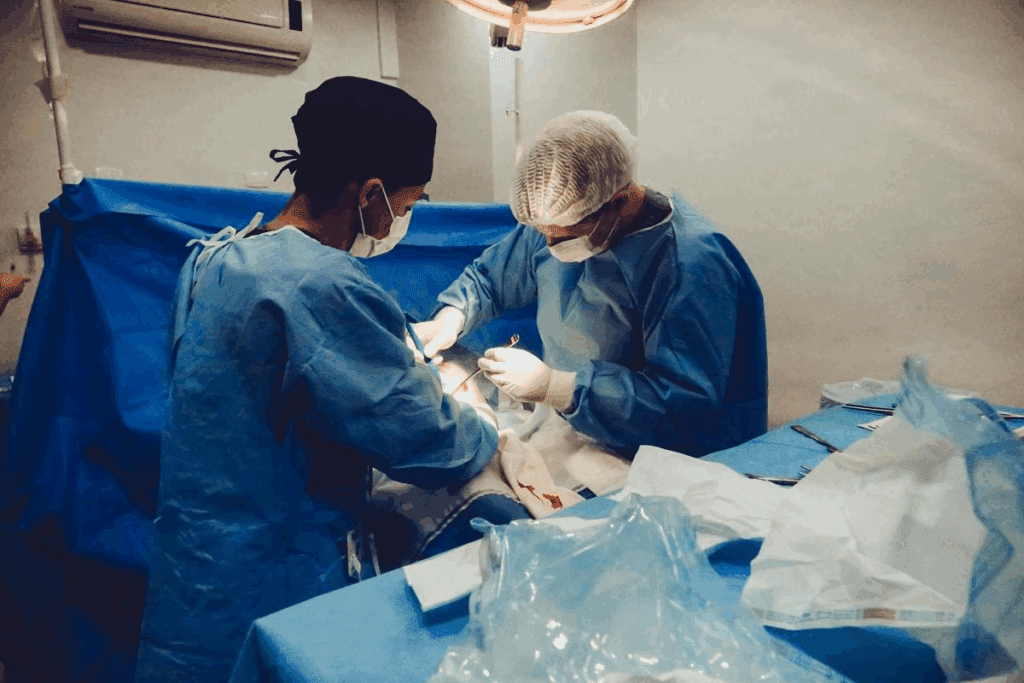
Patients must have a clear understanding of colon surgery and the recovery process. Our critical list of red flags after colon surgery. Discover the shocking warning signs, from fever to pain, that demand immediate care.
Going through surgery can be scary. Knowing what to expect helps a lot. Our institution offers exceptional international healthcare with VIP service and full medical support.
Keeping an eye on your health is important. Knowing the signs of complications can help your recovery. It’s vital to know what to look for and when to get help.
Key Takeaways
- Understanding possible complications after colon surgery is vital for a smooth recovery.
- Being aware of the symptoms to watch can help in early detection of issues.
- Complication awareness is key for health monitoring post-surgery.
- Personalized care and full medical support are essential for recovery.
- Knowing when to seek medical attention can greatly impact your well-being.
Patients must have a clear understanding of colon surgery and the recovery process.
Patients must have a clear understanding of colon surgery and the recovery process. Colon surgery treats issues in the colon or rectum. It’s also known as colorectal surgery.
Types of Colon Surgery
There are many types of colon surgery. Here are a few:
- Colectomy: This is when part or all of the colon is removed.
- Proctectomy: This involves removing part or all of the rectum.
- Anterior Resection: This is for removing the sigmoid colon and rectum.
Each procedure is for different problems like colon cancer or bowel obstruction.
Common Procedures and Their Purposes
Colon surgery is done for many reasons. Here are a few:
- To treat colon cancer or polyps that could become cancer.
- To fix problems from diverticulitis.
- To fix a bowel obstruction.
A leading doctor says, “The right procedure depends on the patient’s health and the disease’s extent.”
Importance of Post-Operative Care
Post-operative care is vital for a good recovery. It includes:
- Watching for any complications.
- Managing pain well.
- Following a special diet.
We stress the need for thorough post-operative care. It helps avoid complications and ensures the best results. We offer personalized support during recovery.
Signs of Complications After Surgery
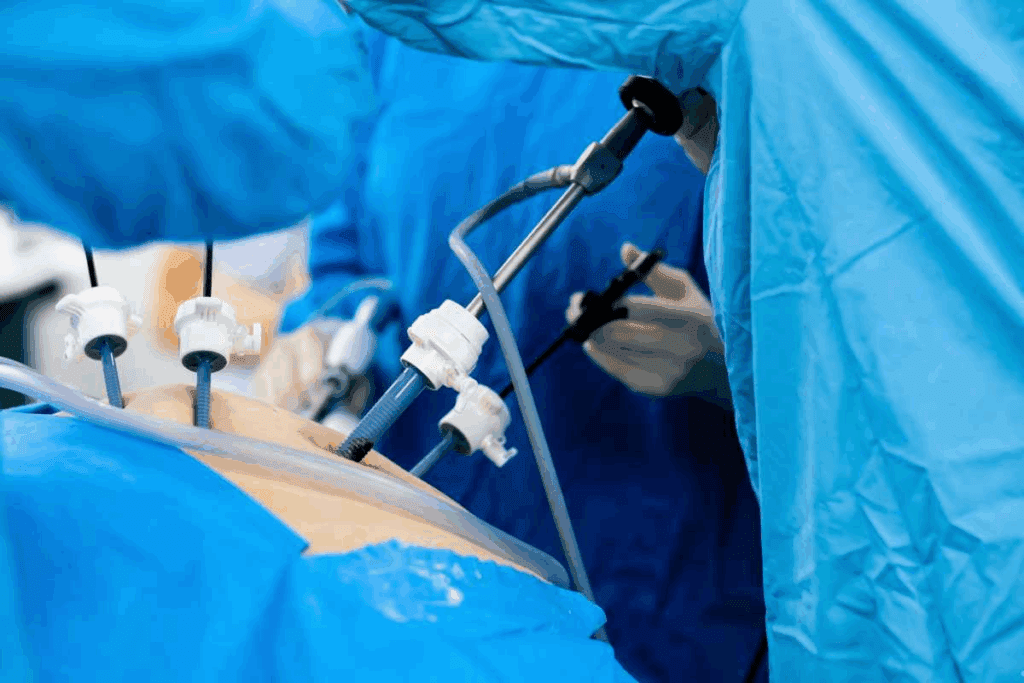
Patients must have a clear understanding of colon surgery and the recovery process.
Symptoms to Monitor Closely
After colon surgery, keep an eye on how your body reacts. Key symptoms to watch include:
- Severe abdominal pain that worsens over time
- Excessive bleeding or discharge from the surgical site
- Persistent fever or chills
- Vomiting or inability to keep down fluids
- Signs of infection, such as redness, swelling, or increased tenderness around the surgical site
Watching these symptoms closely can help spot complications early.
Distinguishing Normal Symptoms from Red Flags
It’s hard to tell normal post-surgical discomfort from complications. Generally, normal symptoms are mild and gradually improve. But, if symptoms are severe, getting worse, or don’t go away, you need to see a doctor.
Red flags include:
- Increasing pain that is not managed with prescribed medication
- Fever above 101.5°F (38.6°C)
- Heavy bleeding or signs of hemorrhage
- Difficulty urinating or severe constipation
- Signs of dehydration, such as excessive thirst or dark urine
Spotting these red flags early can help you get the best care possible.
Red Flag: Severe Abdominal Pain
Severe abdominal pain after colon surgery is a big warning sign. It could mean a serious problem that needs quick help. This pain is a red flag that should not be ignored. It might mean you have an that needs immediate medical care.
Recognizing the Need for Immediate Care
If you feel sudden, severe, or getting worse abdominal pain, get medical help fast. Don’t wait, as quick action can make a big difference in emergency situations.
Key indicators that you should seek immediate medical attention include:
- Severe or increasing abdominal pain
- Pain with fever, nausea, or vomiting
- Abdominal tenderness or rigidity
Understanding Possible Causes
Severe pain after colon surgery can happen for many reasons. These include bowel obstruction, abscess formation, or anastomotic leakage. Knowing these reasons is why patient education and talking with your healthcare provider are so important.
Potential Cause | Symptoms | Action Required |
Bowel Obstruction | Severe abdominal pain, vomiting, constipation | Seek immediate medical attention |
Abscess Formation | Severe pain, fever, abdominal tenderness | Contact your healthcare provider urgently |
Anastomotic Leakage | Severe abdominal pain, fever, signs of sepsis | Emergency medical care is necessary |
Knowing about these possible problems and staying close to your healthcare team is key. This way, you can get the best care after colon surgery. We promise to give you all the support and care you need during your recovery.
Red Flag: Excessive Bleeding
Excessive bleeding is a big red flag after colon surgery. We’ll help you understand and manage this risk. Your care after surgery is our main focus.
Identifying Abnormal Bleeding
Abnormal bleeding can show up in different ways. You might see a lot of blood or just a slow trickle. It’s key to watch your bleeding closely and tell your doctor if you notice anything odd. Look out for:
- Bleeding that doesn’t stop or slow down after a few days
- Passing large clots or bright red blood
- Bleeding with other symptoms like dizziness or severe abdominal pain
Doctors stress the importance of watching for bleeding signs. Your health and safety are our top priority. Being alert to bleeding can greatly help your recovery.
What to Do If You Experience Heavy Bleeding
If you see heavy bleeding, act fast. Here’s what to do:
- Call your healthcare provider or emergency services right away.
- Do what your healthcare team tells you to do about the bleeding.
- Stay away from activities that might make the bleeding worse.
Quick action is very important in dealing with heavy bleeding. We’re here to support and guide you through your recovery.
“The key to a successful recovery is being aware of the possible complications and knowing how to react to them.”
— Medical Expert
Red Flag: Persistent Fever
Patients must have a clear understanding of colon surgery and the recovery process.
Normal Temperature Range Post-Surgery
Normal body temperature is between 97.7°F and 99.5°F (36.5°C to 37.5°C). After surgery, a slight rise in temperature is common. A temperature under 100.4°F (38°C) is usually mild and not a big worry.
When a Fever Becomes Concerning
A fever is a worry when it goes over 101°F (38.3°C) or lasts more than a few days. It might show an infection or another problem that needs doctor help. Signs that a fever is serious include:
- A temperature above 101°F (38.3°C)
- Fever lasting more than 3 days
- Other symptoms like chills, sweating, or pain
We suggest patients keep an eye on their temperature and look out for other signs. By tracking your temperature and knowing the signs of trouble, you can have a safer and smoother recovery.
Red Flag: Signs of Infection
After colon surgery, knowing the signs of infection is key. This knowledge helps get medical help fast. Infection can make recovery harder.
Common Symptoms of Infection
Infection signs after colon surgery vary. Spotting these early can lead to quick medical help.
- Increased Redness or Swelling around the surgical site.
- Persistent Fever above 100.4°F (38°C).
- Pain or Tenderness that gets worse over time.
- Pus or Discharge from the wound.
- Chills or feeling cold.
Symptom | Description | Action |
Increased Redness or Swelling | The area around the surgical site becomes redder or swollen. | Monitor closely and report to your healthcare provider. |
Persistent Fever | Fever that lasts or is higher than 100.4°F (38°C). | Seek medical attention if it persists. |
Pain or Tenderness | Pain that worsens or doesn’t improve with medication. | Consult your healthcare provider for guidance. |
Appropriate Responses to Suspected Infection
If you think you have an infection, act fast. Here’s what to do:
- Contact Your Healthcare Provider right away to share your symptoms.
- Follow Their Instructions exactly, whether it’s an exam or antibiotics.
- Monitor Your Symptoms closely and keep a record for your healthcare provider.
Dealing with a possible infection can be tough. Our team is here to support you. We’ll provide the care and guidance you need for a safe and comfortable recovery.
Managing Gastrointestinal Issues After Surgery
Patients must have a clear understanding of colon surgery and the recovery process.
Normal Digestive Changes
Patients often see changes in their digestive system after colon surgery. These can include constipation, diarrhea, and changes in how food is digested. Understanding these changes is key to managing them effectively.
- Mild diarrhea or constipation
- Bloating or gas
- Changes in appetite
When Gastrointestinal Problems Indicate a Serious Issue
While some gastrointestinal issues are normal after colon surgery, others can signal complications. We will outline the signs that indicate a more serious problem.
Be aware of symptoms such as severe abdominal pain, vomiting, or significant bleeding. These can be signs of serious complications. If you experience any of these symptoms, it’s important to seek medical attention right away.
Managing gastrointestinal issues after surgery also involves making necessary lifestyle adjustments to enhance your quality of life. This includes dietary changes, staying hydrated, and possibly adjusting your physical activity levels. By being proactive and informed, you can navigate the recovery process more smoothly.
Monitoring Changes in Bowel Habits
Patients must have a clear understanding of colon surgery and the recovery process.
Recognizing Normal Adjustments
After colon surgery, bowel movements might change. You might feel constipated or have diarrhea. These changes can happen because of the surgery, the procedure type, or anesthesia effects. Usually, these symptoms go away as you get better.
When checking if changes are normal, look for these signs:
- Changes in how often or what your stool looks like
- Mild belly pain or discomfort
- Feeling like you didn’t fully empty your bowels
Remember, a or other tests can also affect your bowel habits for a while.
When to Consult Your Healthcare Provider
While some bowel habit changes are okay, others need medical attention. If you notice any of these, call your doctor:
- Severe or ongoing belly pain
- Significant bleeding or black, tarry stools
- Prolonged constipation or diarrhea that doesn’t get better with usual treatments
- Fever with changes in bowel habits
Doctors say catching problems early is key to better outcomes. So, it’s important to talk openly with your healthcare provider. This helps make informed decisions about your care.
By watching for bowel habit changes and knowing when to ask for help, you can have a safer and more effective recovery.
Importance of Follow-Up Appointments
After colon surgery, follow-up appointments are key to a smooth recovery. They let healthcare providers check on your progress and address any concerns. They also offer support tailored to your needs.
Critical Aspects of Follow-Up Care
Your healthcare team will check your health and look for any complications during these visits. They will also adjust your treatment plan if needed. This is your chance to ask questions and get evidence-based practices for your recovery.
Preparing for Your Follow-Ups
Make the most of your follow-up appointments by coming prepared. Ask about expected recovery milestones and symptoms to watch for. Also, ask about the cost of your ongoing care. This helps you understand your recovery better and ensures you get the best care.
FAQ
What are the most common complications after colon surgery?
Common issues include infection, bleeding, bowel obstruction, and abscesses. Watching your symptoms and getting medical help quickly can help manage these problems.
How can I distinguish between normal post-surgical discomfort and red flags?
Normal discomfort usually gets better over time. But, if your pain gets worse or doesn’t go away, it’s a red flag. Severe pain, a lot of bleeding, and a high fever are signs you need to see a doctor right away.
What is considered a normal temperature range after colon surgery?
A normal temperature is usually under 100.4°F (38°C) after surgery. If your temperature goes over this or stays high, you should talk to your doctor to check for infection or other issues.
How often should I monitor my temperature after colon surgery?
It’s best to check your temperature twice a day for the first week after surgery. Or, follow what your doctor tells you. This helps catch infections or other problems early.
What are the signs of infection after colon surgery?
Signs of infection include fever, chills, redness, swelling, or more pain at the surgical site. Also, look out for foul-smelling discharge or pus. If you notice any of these, get medical help fast.
How can I manage gastrointestinal issues after colon surgery?
To manage GI issues, eat a balanced diet, drink plenty of water, and make lifestyle changes as needed. If your GI problems don’t get better or are severe, talk to your doctor for advice.
What changes in bowel habits are normal after colon surgery?
Changes like diarrhea or constipation are common after surgery. But, if these issues don’t go away or are very bad, you should see your doctor to check for complications.
Why are follow-up appointments important after colon surgery?
Follow-up visits let your doctor check on you, answer questions, and catch any problems early. This ensures you get the best care and support during your recovery.
What questions should I ask during follow-up appointments?
Make a list of questions for your follow-up visits. Ask about your symptoms, medication, or how you’re recovering. This helps make sure you’re getting the right care and support.
How can I ensure a smooth recovery after colon surgery?
To recover well, watch your symptoms closely, follow your doctor’s instructions, and go to all follow-up appointments. Being proactive and informed can help avoid complications and get the best results.
References
National Center for Biotechnology Information. Evidence-Based Medical Insight. Retrieved from https://pubmed.ncbi.nlm.nih.gov/32860145/