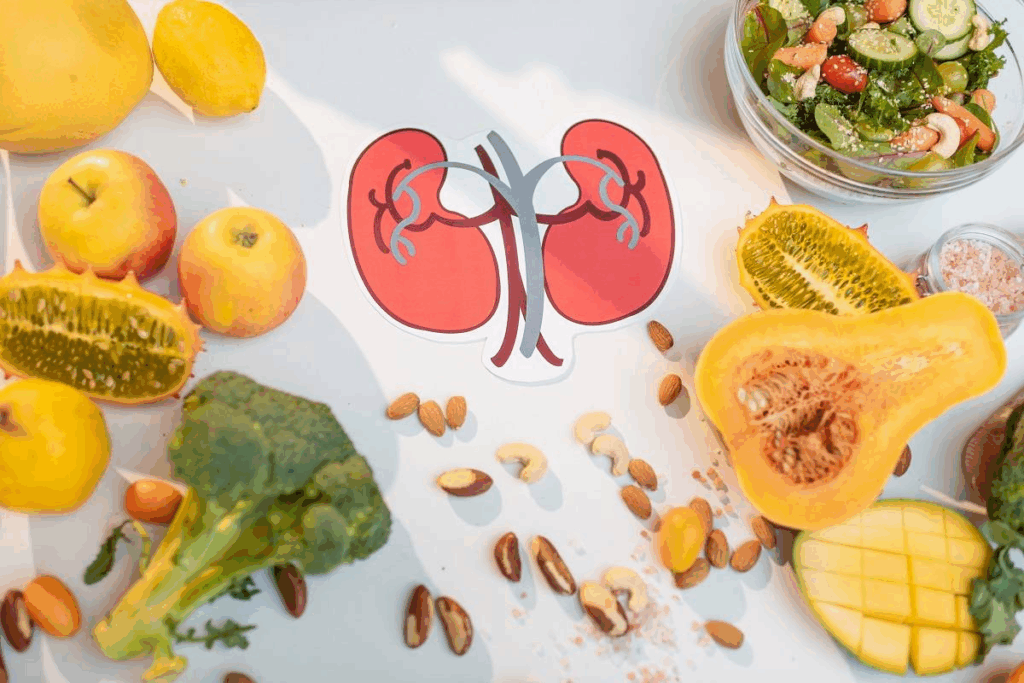
For people with kidney disease, choosing the right foods is key. A renal diet is a special eating plan. It helps manage kidney disease by controlling certain nutrients. Find out what a renal diet means means for your health. Our simple guide gives you the best, easy-to-understand explanation and tips.
At Liv Hospital, we focus on personalized nutrition advice. This advice is based on the latest research. By following a kidney-friendly eating plan, you can stay healthier and slow kidney damage.
Key Takeaways
- A renal diet helps manage chronic kidney disease by controlling mineral and nutrient intake.
- Personalized nutrition guidance is essential for effective kidney disease management.
- A kidney-friendly eating plan can improve overall health and slow disease progression.
- Liv Hospital provides extensive support for international patients with kidney disease.
- A therapeutic diet can help individuals with kidney disease maintain balanced levels of fluids, electrolytes, and minerals.
Understanding What a Renal Diet Means

The renal diet, also known as the nephrology diet, is key for those with kidney disease. It helps manage kidney function by limiting harmful nutrients. This diet is designed to ease the kidneys’ workload.
Definition and Purpose
A renal diet is made for people with kidney disease. It controls the intake of certain nutrients. The goal is to lessen the strain on the kidneys by avoiding foods high in sodium, potassium, phosphorus, and protein.
Nutritional Balance: This diet aims for a balance that supports health and is gentle on the kidneys. It includes carefully portioned lean proteins, fresh fruits and vegetables, and whole grains.
Who Needs a Renal Diet
Those with kidney disease or at risk can benefit from a renal diet. This includes people with diabetes, hypertension, and chronic kidney disease (CKD).
Condition | Benefit of Renal Diet |
Diabetes | Helps manage blood sugar levels and reduce kidney strain |
Hypertension | Aids in controlling blood pressure, reducing the risk of kidney damage |
CKD | Slows disease progression by limiting harmful nutrients |
The Role of Nutrition in Kidney Health
Nutrition is vital for kidney health. A well-planned renal diet can manage kidney disease symptoms and slow its progression.
Key Nutritional Considerations:
- Limiting sodium to reduce blood pressure and fluid retention
- Managing potassium levels to prevent heart complications
- Controlling phosphorus intake to maintain bone health
- Adjusting protein consumption to ease the workload on the kidneys
By understanding and following a renal diet, individuals can actively manage their kidney health.
The Science Behind Kidney Function and Nutrition

The kidneys are key in filtering waste and excess fluids from our blood. They also help control electrolyte levels, blood pressure, and make hormones for bone health. Knowing how kidneys handle nutrients is vital for managing kidney disease.
How Kidneys Process Nutrients
Kidneys filter nutrients and waste from the blood. They adjust levels of sodium, potassium, and phosphorus to keep us healthy. When kidneys work right, they keep these nutrients in balance. But, if they don’t, this balance can get off track.
Nutrient processing involves several key steps:
- Filtering waste and excess substances from the blood
- Regulating electrolyte levels to maintain balance
- Producing hormones that support bone health and red blood cell production
Impact of Kidney Disease on Nutrient Processing
Kidney disease makes it hard for kidneys to filter and regulate nutrients. This leads to waste and excess nutrients in the blood. For example, too much phosphorus can cause weak bones that break easily.
The impact of kidney disease on nutrient processing includes:
- Reduced ability to filter waste, leading to toxin buildup
- Impaired regulation of electrolytes, causing imbalances
- Altered hormone production, affecting bone health and red blood cell production
Metabolic Changes in Kidney Disease
Kidney disease brings on metabolic changes that affect nutrient processing. These changes can cause malnutrition, bone disease, and heart problems. Diet plays a big role in managing these changes and slowing disease progress.
A renal diet limits sodium, phosphorus, potassium, and protein. It also controls fluid intake to avoid waste buildup and reduce kidney stress. Understanding these changes helps people with kidney disease make better food choices for their health.
Key metabolic changes include:
- Altered protein metabolism, potentially leading to muscle wasting
- Changes in mineral metabolism, affecting bone health
- Fluid retention and electrolyte imbalances
Key Components of a Renal Diet
Knowing what a renal diet includes is key for those with kidney disease. It’s made to help manage the diet challenges of kidney disease. It focuses on cutting down on nutrients that can be bad in too much.
Protein Restrictions
Managing protein is a big part of a renal diet. We may need to limit protein or change the type of protein we eat. We should choose lean proteins like poultry, fish, and eggs. This helps reduce kidney strain while keeping the body strong.
Sodium Limitations
Keeping sodium intake low is also important. Too much sodium can cause fluid buildup and high blood pressure, both bad for the kidneys. We should use herbs and spices for flavor instead of salt and pick low-sodium foods when we can.
Potassium Management
It’s also key to manage potassium levels. Some people may need to cut down on foods high in potassium like bananas, oranges, and potatoes. Working with a healthcare provider to find the right potassium level is essential.
Phosphorus Control
Controlling phosphorus intake is another important part. Too much phosphorus can cause bone and mineral problems. We should avoid foods high in phosphorus, like processed meats and some dairy. Choosing products without or with low phosphorus is best.
By understanding and managing these key components, people with kidney disease can support their kidney health. It’s a personalized approach that needs healthcare guidance but can greatly improve life quality.
Health Benefits of Following a Renal Diet
Following a renal diet can greatly help with kidney disease and related health problems. It’s made to support kidney function and overall health. This makes it key for managing kidney disease.
Slowing Disease Progression
A renal diet can slow down kidney disease. It limits certain nutrients and controls fluid intake. This reduces kidney strain, possibly delaying the need for dialysis or a transplant.
Key strategies include:
- Limiting protein intake to reduce kidney strain
- Managing sodium levels to control blood pressure
- Monitoring potassium and phosphorus intake to prevent imbalances
Blood Pressure Management
A renal diet often means less sodium, which is key for blood pressure. High blood pressure can cause and be caused by kidney disease. So, managing sodium is vital for kidney health.
Effective blood pressure management through diet can lower the risk of kidney damage and heart problems.
Preventing Fluid Buildup
Too much fluid can cause swelling and serious problems like pulmonary edema. A renal diet helps control fluid intake. This reduces swelling risks and keeps the heart healthy.
Maintaining Bone Health
Kidney disease can harm bones due to mineral imbalances. A renal diet manages these minerals. It supports bone health and lowers the risk of osteoporosis and osteodystrophy.
By managing minerals and working with doctors, people can keep their bones strong. This reduces the chance of fractures and bone problems.
Foods to Include in a Renal Diet
Choosing the right foods is key to keeping your kidneys healthy. A renal diet includes lean proteins, fresh fruits and vegetables, whole grains, and healthy fats. These foods help slow down kidney disease.
Recommended Protein Sources
It’s important to pick proteins that are low in phosphorus and rich in essential amino acids. Good choices are:
- Lean meats like chicken and turkey
- Fish such as salmon and cod, which are low in phosphorus and rich in omega-3 fatty acids
- Eggs, in moderation, due to their high protein content
- Plant-based options like tofu and tempeh
Kidney-Friendly Fruits and Vegetables
Fruits and vegetables are essential for a balanced diet. For a renal diet, choose options that are low in potassium and phosphorus. Good choices include:
- Cabbage and cauliflower, which are low in potassium
- Apples and berries, which are not only delicious but also low in potassium and phosphorus
- Green beans and peas, which can be consumed in moderation
Opt for fresh or frozen vegetables to reduce sodium. If using canned vegetables, drain and rinse them to remove excess salt.
Appropriate Grain Choices
Whole grains are full of fiber, vitamins, and minerals. For a renal diet, it’s best to eat:
- Whole wheat bread and pasta
- Brown rice, which is lower in phosphorus compared to white rice
- Oats and barley, which are rich in fiber and nutrients
Healthy Fat Options
Healthy fats are important for heart health and overall well-being. Good sources include:
- Avocado, which is rich in monounsaturated fats
- Olive oil, a heart-healthy choice for cooking and dressings
- Nuts and seeds, such as almonds and chia seeds, in moderation due to their high calorie and phosphorus content
By focusing on these food groups and being mindful of portion sizes, individuals with kidney disease can better manage their condition and improve their overall health.
Foods to Limit or Avoid on a Renal Diet
Knowing which foods to avoid is key for those on a renal diet. This diet helps keep kidneys healthy by avoiding toxins and excess minerals. It prevents kidney strain.
High-Sodium Foods
High-sodium foods are a big concern for renal diet followers. Too much sodium can cause fluid buildup and high blood pressure. Both can harm kidney function. It’s best to cut down on processed meats, canned goods, and restaurant meals, which are often high in sodium.
Here are some high-sodium foods to watch out for:
- Processed meats like bacon and sausage
- Canned vegetables and soups
- Restaurant meals, specially those with sauces
High-Potassium Foods
Potassium is another mineral to watch on a renal diet. Too much potassium can cause heart problems. Foods high in potassium include some fruits, vegetables, and dairy products.
Some high-potassium foods to limit are:
- Bananas, oranges, and other citrus fruits
- Leafy greens like spinach and kale
- Dairy products and nuts
High-Phosphorus Foods
Phosphorus control is also important for kidney health. Too much phosphorus can cause bone and heart issues. Foods high in phosphorus include processed meats, dairy, and some grains.
Here are some high-phosphorus foods to limit:
- Processed meats and dairy products
- Foods with phosphorus additives, such as some cereals and bread
- Certain nuts and seeds
Fluid-Rich Foods
Fluid intake is also important for some with kidney disease. It helps avoid fluid overload. Foods like soups and fruits and vegetables with high water content should be watched.
Food Category | Examples | Recommendation |
High-Sodium Foods | Processed meats, canned goods | Limit to 2,000 mg/day |
High-Potassium Foods | Bananas, leafy greens | Limit to 2,000-3,000 mg/day |
High-Phosphorus Foods | Dairy products, processed meats | Limit to 1,000-1,200 mg/day |
By following these dietary guidelines and working with healthcare providers, renal diet followers can manage their kidney health. This helps slow down disease progression.
Working with Healthcare Professionals
To make a personalized renal diet plan, working with a dietitian is key. Managing kidney disease through diet needs a detailed approach. This requires professional advice.
The Role of Renal Dietitians
Renal dietitians are experts in helping patients with kidney disease through diet. They look at the patient’s nutritional needs, lifestyle, and health to make a diet plan.
By working with a renal dietitian, patients get:
- Personalized dietary advice based on their health needs
- Education on managing key nutrients like sodium, potassium, and phosphorus
- Ongoing support and diet plan adjustments as their condition changes
Monitoring Lab Values
Regular lab value checks are key for managing kidney disease. Lab tests show how well the kidneys are working and if the diet plan is right.
Important lab values include:
- Blood urea nitrogen (BUN) levels
- Serum creatinine levels
- Electrolyte levels, like potassium and phosphorus
Healthcare professionals use these values to make diet plan changes.
Adjusting Diet Based on Disease Progression
Kidney disease gets worse over time. As it progresses, the patient’s dietary needs may change.
Regular visits with a renal dietitian help adjust the diet plan. This might mean:
- Changing protein intake
- Adjusting fluid intake
- Modifying mineral intake, such as potassium and phosphorus
Coordinating with Your Medical Team
Managing kidney disease needs teamwork. This includes the patient, renal dietitian, and other medical experts.
Together, the team can:
- Make sure the diet plan fits with treatment goals
- Handle any kidney disease complications or concerns
- Offer complete care that supports the patient’s health and well-being
Asking your doctor for a dietitian referral is a good first step. Working with healthcare professionals helps create a kidney-friendly diet plan. This plan supports your health and manages your kidney disease well.
Practical Tips for Following a Renal Diet
Starting a renal diet can be tough, but it’s doable with the right approach. We know changing your diet needs careful planning and focus. Here are some tips to help you stick to a renal diet.
Meal Planning Strategies
Good meal planning is key for a renal diet. It means making a meal plan that fits your needs and limits. Start by talking to a renal dietitian to get a meal plan tailored just for you.
When planning meals, remember these tips:
- Choose protein sources that are low in phosphorus and sodium.
- Select fruits and vegetables that are low in potassium.
- Opt for whole grains and limit your intake of refined grains.
Reading Food Labels
Understanding food labels is vital for a renal diet. It helps you pick the right foods. When looking at labels, focus on the serving size and nutrient amounts per serving.
Many foods have more than one serving. It’s important to adjust the nutrient amounts based on how much you eat. Watch out for sodium, potassium, and phosphorus, as they’re key for a renal diet.
Dining Out Guidelines
Eating out on a renal diet can be tricky, but it’s possible with some planning. Choose restaurants with dishes you can control, like grilled meats and steamed veggies.
When you order, ask about ingredients and how food is prepared. You can also ask for special requests, like no salt added.
Cooking Methods to Reduce Mineral Content
Some cooking methods can lower mineral content in food, making it better for a renal diet. For example, boiling or soaking veggies can cut their potassium. Rinsing canned foods can also reduce sodium.
Try different cooking methods to find what works for you. By using these tips, you can manage your renal diet and keep your kidneys healthy.
Conclusion
Following a renal diet is key for managing kidney disease and staying healthy. It helps people make smart food choices. This can slow down kidney disease.
A diet friendly for kidneys has many benefits. It can slow disease, control blood pressure, and prevent fluid buildup. Eating the right foods and avoiding others can improve life quality.
The main parts of a renal diet include controlling protein, sodium, potassium, and phosphorus. Working with healthcare pros, like renal dietitians, helps create a diet plan. This plan supports kidney health and meets nutritional needs.
Adopting a renal diet is a proactive step for kidney disease management. It reduces the risk of complications and boosts overall health. The benefits of a renal diet are clear and very important for kidney and overall health.
FAQ
What is a renal diet?
A renal diet is a special meal plan for people with kidney disease. It helps reduce the strain on their kidneys and slow down the disease.
Why is a renal diet beneficial?
It helps manage kidney disease by limiting harmful nutrients. This includes protein, sodium, potassium, and phosphorus. These can build up in the blood and cause problems.
Who needs a renal diet?
People with kidney disease, like chronic kidney disease (CKD) or acute kidney injury (AKI), need it. Also, those on dialysis can benefit from it.
What does a renal diet consist of?
It limits protein, sodium, potassium, and phosphorus. It focuses on foods that are good for the kidneys. This includes some fruits, vegetables, grains, and lean proteins.
How does a renal diet help manage kidney disease?
It slows disease progression and manages blood pressure. It also prevents fluid buildup and helps keep bones healthy.
What are the key components of a renal diet?
Key components include protein limits, sodium control, potassium management, and phosphorus control.
What foods are suitable for a renal diet?
Good foods include certain proteins, fruits, vegetables, grains, and healthy fats.
What foods should be limited or avoided on a renal diet?
Avoid foods high in sodium, potassium, phosphorus, and fluid. Also, limit foods that are high in these nutrients.
How can I work with healthcare professionals to manage my kidney disease through diet?
Work with a renal dietitian and healthcare team. They can help monitor your lab values and adjust your diet as needed.
What are some practical tips for following a renal diet?
Plan your meals, read food labels, and know how to eat out. Also, learn cooking methods that reduce mineral content.
How can a renal diet help slow disease progression?
It limits harmful nutrients and focuses on kidney-friendly foods. This can slow disease progression and lower the risk of complications.
What is the role of a renal dietitian in managing kidney disease?
A renal dietitian helps create a personalized meal plan. They monitor lab values and adjust diets based on disease progression.
How does a therapeutic diet for kidney disease differ from a general healthy diet?
It’s tailored for kidney disease, with specific nutrient restrictions. It emphasizes foods that are good for the kidneys.
What are some common challenges of following a renal diet?
Challenges include managing nutrient restrictions and finding suitable foods. Adjusting to new cooking methods can also be tough.
How can I make following a renal diet more manageable?
Work with a renal dietitian, plan meals, and cook at home. This can make following the diet easier.
References
National Center for Biotechnology Information. Renal Diet: Managing Kidney Disease Through Personalized Nutrition. Retrieved fromhttps://pmc.ncbi.nlm.nih.gov/articles/PMC8467342/