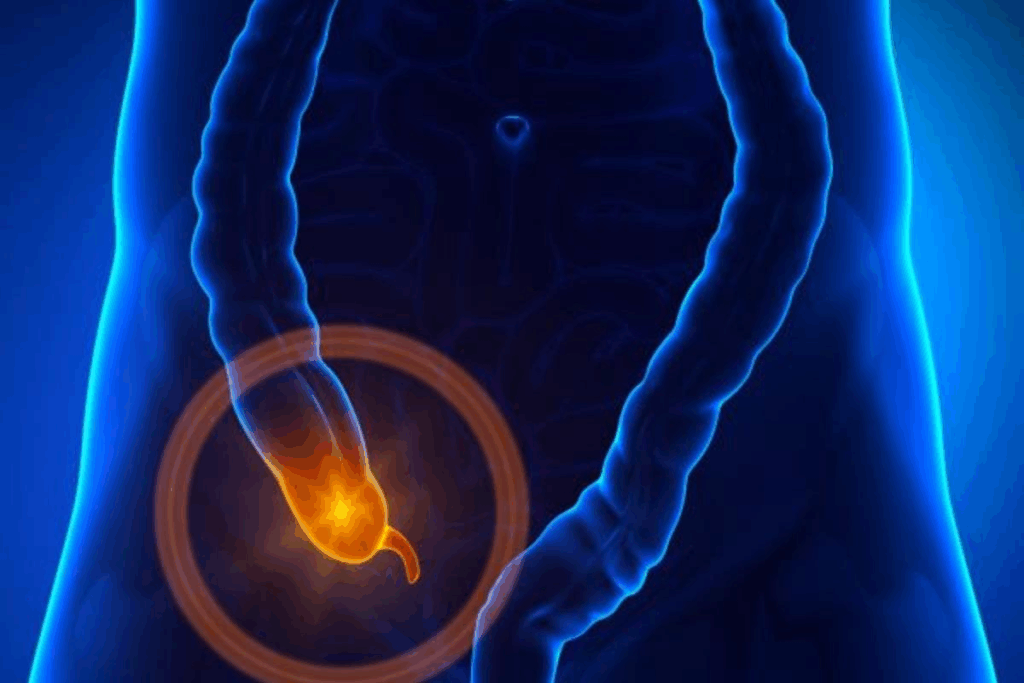
Understanding the recovery timeline after an appendectomy is crucial for a smooth return to daily activities, including work. The recovery process varies depending on the type of surgery and individual factors. Guidance on Returning to Work After Appendectomy, depending on the job’s physical demands.
The time it takes to recover from an appendectomy can differ significantly from one person to another. Generally, the post-appendectomy recovery timeline can range from a few days to several weeks.
Before considering returning to work after surgery, it’s essential to understand the body’s healing process and the factors that influence recovery.
Key Takeaways
- Recovery time after an appendectomy varies by individual and surgery type.
- Understanding the post-appendectomy recovery timeline is crucial.
- Factors such as overall health and surgery complexity influence recovery.
- A gradual return to normal activities is recommended.
- Consulting a healthcare provider before returning to work is essential.
Understanding Appendectomy: A Brief Overview

Appendectomy, a procedure to remove the appendix, is often performed due to appendicitis. This surgical intervention is crucial in preventing the inflamed appendix from rupturing and causing further complications.
What is an appendectomy?
An appendectomy is a surgical operation to remove the appendix, a small, tube-like structure attached to the large intestine. The procedure is typically performed under general anesthesia, ensuring the patient remains pain-free during the operation.
Common reasons for the procedure
The primary reason for an appendectomy is appendicitis, a condition where the appendix becomes inflamed. If left untreated, appendicitis can lead to serious complications, including the appendix bursting and spreading infection throughout the abdomen.
- Appendicitis
- Other less common reasons include tumors or other conditions affecting the appendix
Types of appendectomy procedures
There are two main types of appendectomy procedures: laparoscopic appendectomy and open appendectomy. The choice between these procedures depends on various factors, including the severity of the appendicitis and the patient’s overall health.
Procedure Type | Description |
Laparoscopic Appendectomy | A minimally invasive procedure involving small incisions and a camera to guide the surgery |
Open Appendectomy | A traditional surgical approach involving a single, larger incision to access the appendix directly |
Understanding these aspects of an appendectomy is essential for patients to grasp what the procedure entails and what to expect during recovery.
The Typical Recovery Timeline After Appendectomy

After undergoing an appendectomy, patients typically go through several stages of recovery, each with its own characteristics and challenges. Understanding these stages is essential for managing expectations and ensuring a smooth return to normal activities.
Immediate Post-Operative Period (1-3 Days)
The initial recovery phase is marked by the body’s response to surgery. Patients often experience pain, fatigue, and discomfort. During this period, rest is crucial, and activities should be limited.
Common symptoms include:
- Pain or discomfort at the surgical site
- Fatigue or weakness
- Nausea or loss of appetite
Short-Term Recovery (4-14 Days)
As the body begins to heal, patients can gradually increase their activity levels. However, it’s essential to avoid strenuous activities and heavy lifting during this phase.
Key milestones:
- Gradual improvement in pain levels
- Increased mobility and energy
- Return to light activities
Long-Term Recovery (2-6 Weeks)
During this phase, most patients can return to their normal activities, including work and exercise. However, full recovery can vary depending on individual factors and the type of surgery performed.
Recovery Stage | Typical Duration | Activity Level |
Immediate Post-Operative | 1-3 Days | Limited activity, rest |
Short-Term Recovery | 4-14 Days | Gradual increase in activity |
Long-Term Recovery | 2-6 Weeks | Return to normal activities |
Understanding the recovery timeline after an appendectomy helps patients prepare for the journey ahead and make informed decisions about their care.
Is Returning to Work 3 Days After Surgery Realistic?
The recovery period after an appendectomy is crucial, and rushing back to work may not be advisable. While some individuals may feel they are ready to return to their duties within a few days, the general consensus among medical professionals is that returning to work within 3 days may be challenging for most patients.
Medical Perspective on the 3-Day Mark
From a medical standpoint, the initial 24 to 48 hours post-appendectomy are critical for recovery. Patients are closely monitored for any complications, and pain management is a priority. By the third day, some patients may start feeling better, but this doesn’t necessarily mean they’re ready to resume work, especially if their job involves physical labor.
“The decision to return to work should be based on the individual’s overall health, the type of surgery performed, and the physical demands of their job,” says a medical expert. This quote emphasizes the need for a personalized approach to determining when someone is ready to return to work.
Individual Factors That Influence Early Return
Several factors can influence an individual’s ability to return to work early. These include:
- The type of appendectomy procedure performed (laparoscopic vs. open surgery)
- The overall health of the patient before and after surgery
- The presence of any complications during or after the surgery
- The physical and mental demands of the patient’s job
Understanding these factors is crucial in assessing whether returning to work within 3 days is realistic for a particular individual.
Risks Associated with Premature Work Resumption
Returning to work too soon after an appendectomy can lead to several risks, including:
- Increased risk of complications, such as infection or internal herniation
- Prolonged recovery due to overexertion
- Reduced productivity and efficiency at work
It’s essential to weigh these risks against the need to return to work, considering both the individual’s well-being and their professional obligations.
In conclusion, while it’s not impossible to return to work within 3 days after an appendectomy, it’s crucial to consider the medical perspective, individual health factors, and potential risks involved. A cautious and informed approach will help ensure a safe and effective return to work.
Returning to Work After Appendectomy: General Guidelines
The decision to return to work after appendectomy surgery should be based on general guidelines and individual recovery progress. While the typical recovery timeline provides a general framework, several factors influence when it’s safe to resume work activities.
Medical Recommendations for Work Resumption
Medical professionals generally recommend that patients take at least a week off after an appendectomy before returning to work. However, this can vary based on the type of surgery and the individual’s healing process. For those who underwent laparoscopic surgery, the recovery time is typically shorter compared to open appendectomy.
Key medical considerations include:
- Completeness of recovery from surgery
- Presence of any complications
- Patient’s overall health condition
Factors That Influence Return-to-Work Timing
Several factors can influence when an individual can safely return to work after an appendectomy. These include the type of job, the extent of the surgery, and the individual’s overall health.
Factor | Influence on Return to Work |
Job Type | Desk jobs may allow for earlier return compared to physically demanding jobs |
Surgery Type | Laparoscopic surgery typically allows for quicker recovery than open surgery |
Individual Health | Patients with fewer health issues tend to recover faster |
Creating a Personalized Recovery Plan
Creating a personalized recovery plan involves considering the individual’s specific job requirements, health status, and recovery progress. It’s essential to consult with healthcare providers to tailor the plan according to the patient’s needs.
By understanding the factors that affect recovery and return to work, individuals can make informed decisions about resuming their job activities. A well-planned recovery strategy not only ensures a smoother return to work but also reduces the risk of complications.
Laparoscopic vs. Open Appendectomy: Recovery Differences
The type of appendectomy procedure performed can significantly influence the recovery process. Both laparoscopic and open appendectomy methods are used to treat appendicitis, but they differ in their surgical approach, which in turn affects the patient’s recovery experience.
Recovery timeline for laparoscopic procedures
Laparoscopic appendectomy, being less invasive, typically results in a shorter recovery period. Patients often experience less post-operative pain and can resume normal activities sooner.
Generally, the recovery timeline for laparoscopic procedures is as follows:
- Resume light activities within 1-2 weeks
- Return to normal activities within 2-4 weeks
- Full recovery usually achieved within 4-6 weeks
Recovery timeline for open surgery
Open appendectomy involves a larger incision and potentially longer recovery times. Patients may experience more post-operative pain and require a longer period to resume normal activities.
The recovery timeline for open surgery is generally longer:
- Resume light activities within 2-4 weeks
- Return to normal activities within 4-6 weeks
- Full recovery may take 6-8 weeks or more
How surgical approach affects work readiness
The choice between laparoscopic and open appendectomy significantly impacts when a patient can return to work. Factors such as the nature of the job, the patient’s overall health, and the presence of any complications influence work readiness.
A comparative overview of the recovery timelines for laparoscopic and open appendectomy procedures is provided below:
Recovery Milestone | Laparoscopic Appendectomy | Open Appendectomy |
Resume Light Activities | 1-2 weeks | 2-4 weeks |
Return to Normal Activities | 2-4 weeks | 4-6 weeks |
Full Recovery | 4-6 weeks | 6-8 weeks or more |
In conclusion, the recovery differences between laparoscopic and open appendectomy are significant, with laparoscopic procedures generally offering a quicker recovery. Understanding these differences can help patients and healthcare providers make informed decisions about the most appropriate surgical approach.
Physical Readiness Indicators: Are You Fit to Return?
It’s essential to evaluate your body’s readiness before going back to work post-appendectomy. Assessing your physical condition helps ensure a smooth transition back to your job duties without compromising your recovery.
Pain levels and management
One of the primary indicators of physical readiness is your pain level. Effective pain management is crucial for returning to work. If your pain is well-controlled with medication or has significantly decreased, it may be a sign that you’re ready to resume work activities.
Monitoring pain levels is vital. If you experience persistent or increasing pain, it may indicate that you need more time to recover. Discussing your pain management with your healthcare provider can provide insights into your readiness to return to work.
Mobility and physical capabilities
Your mobility and physical capabilities are also important indicators of your readiness to return to work. If you’ve regained sufficient strength and mobility to perform your job duties without discomfort, it might be time to consider returning to work.
Assessing your physical capabilities involves evaluating whether you can perform tasks required by your job without exacerbating your condition. For jobs that require heavy lifting, bending, or strenuous activities, it’s crucial to ensure you’re physically prepared.
Wound healing progress
The progress of your wound healing is another critical factor. If your surgical wounds are healing as expected and you’ve been cleared by your healthcare provider to resume normal activities, it’s a positive sign that you might be ready to return to work.
Keep an eye on your wound healing progress and watch for any signs of infection or complications. Proper wound care and follow-up appointments with your healthcare provider are essential for a smooth recovery.
By carefully evaluating these physical readiness indicators, you can make an informed decision about when to return to work after an appendectomy, ensuring that you don’t compromise your recovery.
How Your Job Type Affects Recovery Time
Your job type is a crucial factor that affects how quickly you can return to work after undergoing an appendectomy. The nature of your work, whether it’s office-based, physically demanding, or high-stress, plays a significant role in determining your recovery timeline.
Office and Desk Jobs
For individuals with office or desk jobs, the recovery period tends to be shorter compared to those in physically demanding roles. Typically, people in these professions can return to work within 1-2 weeks after surgery, provided their job doesn’t require intense physical activity or heavy lifting. However, it’s essential to consider factors like workplace ergonomics and the ability to take regular breaks to manage discomfort.
Employers can facilitate a smoother return by offering workplace accommodations such as adjustable desks or flexible work hours. This can help employees gradually ease back into their duties without exacerbating their condition.
Jobs Requiring Physical Labor
For those in jobs that require physical labor, the recovery time is generally longer. These individuals may need 4-6 weeks or more to fully recover and resume their normal work activities. It’s crucial for them to avoid heavy lifting, bending, or strenuous activities during this period to prevent complications such as hernias or wound reopening.
It’s advisable for workers in physically demanding jobs to discuss a gradual return-to-work plan with their employers. This might involve initially taking on lighter duties or working reduced hours to ease back into the demands of their role.
Healthcare and High-Stress Professions
Individuals in healthcare and other high-stress professions face unique challenges when returning to work after an appendectomy. The physical demands of healthcare work, combined with the high-stress environment, can impact recovery. It’s essential for these professionals to manage their workload and stress levels effectively upon returning to work.
Strategies such as effective pain management and prioritizing tasks can help mitigate the challenges. Additionally, healthcare providers may need to adjust their schedules or duties temporarily to accommodate their recovery needs.
In conclusion, understanding how your job type affects your recovery time after an appendectomy is crucial for planning a safe and effective return to work. By considering the specific demands of your job and discussing potential accommodations with your employer, you can minimize risks and ensure a smoother recovery process.
Pain Management Strategies When Returning to Work
Pain management plays a vital role in ensuring a smooth transition back to work following an appendectomy. Effective strategies can help mitigate discomfort and facilitate a quicker return to normal duties.
Medication Options and Timing
After an appendectomy, patients are often prescribed pain medication to manage post-operative discomfort. It’s essential to follow the prescribed medication schedule to ensure adequate pain relief.
The timing of medication is crucial, especially when returning to work. Patients should discuss with their healthcare provider the best timing for taking pain medication in relation to their work schedule.
Non-Pharmaceutical Pain Relief Methods
In addition to medication, several non-pharmaceutical methods can help alleviate pain. These include:
- Applying heat or cold packs to the affected area
- Engaging in gentle stretching exercises
- Practicing relaxation techniques, such as deep breathing or meditation
When Pain Indicates You Should Take More Time Off
It’s crucial to recognize when pain is a signal that you need more time off. If pain is severe, persistent, or interferes with daily activities, it’s essential to reassess your return-to-work plan.
Pain Level | Recommended Action |
Mild | Continue with prescribed pain management and monitor pain levels |
Moderate | Adjust pain medication timing or consult with healthcare provider for alternative solutions |
Severe | Take additional time off to recover or seek immediate medical attention if necessary |
By adopting a comprehensive pain management strategy, individuals can better navigate the challenges of returning to work after an appendectomy.
Working From Home After Appendectomy
For many individuals, working from home after surgery can be a practical solution for balancing recovery with professional responsibilities. This approach allows for the flexibility to manage pain, attend to personal needs, and gradually return to work duties without the immediate pressures of a traditional office environment.
Benefits of Remote Work During Recovery
Working from home after an appendectomy offers several benefits, including reduced risk of infection, less physical strain, and the ability to create a comfortable work environment tailored to your recovery needs. Remote work can significantly reduce the stress associated with commuting and office distractions, allowing you to focus on your recovery.
Some key advantages of remote work during this period include:
- Flexibility in scheduling to accommodate rest and medication
- Reduced exposure to potential infections in public or office settings
- Ability to create a comfortable and ergonomic workspace
Setting Up a Comfortable Recovery Workspace
Creating an appropriate workspace at home is crucial for productivity and comfort during your recovery. Consider the following when setting up your workspace:
- Choose a quiet, distraction-free area
- Invest in a comfortable, ergonomic chair
- Position your computer and other necessary equipment within easy reach
A well-organized workspace can help minimize physical strain and improve your overall work experience while recovering.
Managing Virtual Meetings and Workload
Effectively managing your virtual workload and meetings is essential when working from home after surgery. Here are some strategies to consider:
Strategy | Description | Benefits |
Prioritize tasks | Focus on critical tasks first | Reduces stress, improves productivity |
Schedule virtual meetings | Plan meetings around your energy levels | Conserves energy, improves participation |
Use productivity tools | Leverage technology to streamline work | Enhances efficiency, reduces workload |
By implementing these strategies, you can effectively manage your workload and maintain productivity while recovering from your surgery.
Implementing a Gradual Return-to-Work Plan
Implementing a gradual return-to-work plan can significantly impact your recovery process after an appendectomy. This approach allows your body to adjust to the demands of work while still recovering from surgery.
Starting with Reduced Hours
One of the key components of a gradual return-to-work plan is starting with reduced hours. This means returning to work part-time initially, rather than attempting a full schedule from the outset. By doing so, you can ease back into your responsibilities without overexerting yourself.
Benefits of reduced hours include having more time to rest, being able to manage your workload more effectively, and reducing the risk of complications or setbacks in your recovery.
Transitioning to Light Duties
Another crucial aspect is transitioning to light duties. This involves taking on tasks that are less physically demanding or stressful, allowing you to gradually build up your strength and endurance. Light duties can vary depending on your job, but they often include tasks that can be performed at a slower pace or with more flexibility.
- Prioritizing tasks based on importance and urgency
- Avoiding heavy lifting or strenuous activities
- Adjusting your workspace for comfort and ergonomics
Timeline for Resuming Full Responsibilities
The timeline for resuming full responsibilities will vary depending on individual factors, including the type of surgery, overall health, and job requirements. It’s essential to work closely with your healthcare provider to determine a suitable timeline.
A general guideline is to start with reduced hours and light duties for a few weeks before gradually increasing your workload. This gradual progression helps ensure that you’re not pushing yourself too hard, too quickly.
By following a gradual return-to-work plan, you can ensure a smoother transition back to your normal routine, minimizing the risk of complications and promoting a healthier recovery.
Communicating With Your Employer About Recovery
Communicating with your employer about your recovery after an appendectomy is a vital step in ensuring a smooth transition back to work. Effective dialogue can help you secure the necessary support and accommodations during your healing process.
Having the Conversation About Medical Leave
When discussing your recovery with your employer, it’s essential to be clear about your needs and the expected duration of your leave. Providing a specific date for your return to work, if possible, can help your employer plan accordingly.
Key points to discuss during this conversation include:
- The expected length of your medical leave
- Any work-related tasks you can perform remotely or on a limited basis
- Potential accommodations needed upon your return
Providing Necessary Documentation
Your employer may require documentation from your healthcare provider to validate your need for medical leave. This documentation should include:
Documentation Required | Purpose |
Medical leave confirmation | To validate the need for time off |
Expected return-to-work date | To plan for your absence and return |
Any work restrictions or accommodations needed | To ensure a smooth transition back to work |
Negotiating Accommodations During Recovery
Depending on your job requirements and the nature of your recovery, you may need to negotiate certain accommodations with your employer. This could include flexible working hours, modified duties, or the ability to work from home.
Examples of potential accommodations include:
- Adjusting your work schedule to avoid peak fatigue periods
- Modifying your tasks to reduce physical strain
- Providing ergonomic adjustments to your workspace
By communicating effectively with your employer and providing necessary documentation, you can ensure a supportive work environment during your recovery from an appendectomy.
Legal Protections for Workers Recovering from Surgery
Understanding your legal rights is crucial when recovering from surgery and returning to work. Workers in the United States have several protections that can support their recovery and ensure a smooth transition back to their job.
Understanding FMLA Coverage
The Family and Medical Leave Act (FMLA) provides eligible employees with up to 12 weeks of unpaid leave for certain medical conditions, including recovery from surgery. To be eligible, employees must have worked for their employer for at least 12 months and completed at least 1,250 hours of service in the 12 months preceding the start of the leave.
FMLA Benefits:
- Job protection: Employees are entitled to return to their same or an equivalent job.
- Health insurance: Employers must maintain the employee’s health insurance coverage during the leave.
- Unpaid leave: FMLA leave is unpaid, but employees can use accrued paid leave to supplement their income.
Short-term Disability Benefits
Short-term disability insurance provides partial income replacement for employees who are unable to work due to illness or injury. The specifics of short-term disability benefits vary by state and employer.
State | Program | Benefit Duration |
California | California State Disability Insurance (SDI) | Up to 52 weeks |
New York | New York State Disability Benefits | Up to 26 weeks |
New Jersey | New Jersey Temporary Disability Benefits | Up to 26 weeks |
Workplace Accommodation Rights
Under the Americans with Disabilities Act (ADA), employees may be entitled to workplace accommodations to facilitate their return to work after surgery. Employers are required to provide reasonable accommodations unless doing so would cause undue hardship.
Examples of workplace accommodations:
- Modified work schedules
- Temporary reassignment of tasks
- Ergonomic adjustments to the workspace
Employees should communicate their needs to their employer to determine the appropriate accommodations.
Potential Complications That May Delay Work Return
It’s crucial to be aware of the possible complications following an appendectomy that could delay your return to work. While many people recover quickly, some may experience issues that prolong their recovery period.
Infection Signs and Management
One of the most significant complications that can delay your return to work is infection. Signs of infection include:
- Increased pain or swelling around the incision site
- Redness or warmth around the incision
- Pus or discharge from the wound
- Fever or chills
- A general feeling of being unwell
If you experience any of these symptoms, it’s essential to contact your healthcare provider immediately. They may prescribe antibiotics or other treatments to manage the infection.
“Early detection and treatment of surgical site infections are crucial for preventing further complications and ensuring a smooth recovery,” according to a study published in a Journal.
Persistent Pain and Discomfort
Some individuals may experience persistent pain or discomfort after an appendectomy. This can be due to various factors, including:
- Nerve damage during surgery
- Adhesions or scar tissue formation
- Internal complications
Managing persistent pain often requires a multi-faceted approach, including medication, physical therapy, and sometimes additional surgical procedures.
Fatigue and Energy Levels
Fatigue is a common complaint after surgery, and it’s not uncommon for people to feel more tired than usual for several weeks after an appendectomy. Factors contributing to fatigue include:
- The body’s response to surgical stress
- Anesthesia effects
- Pain and discomfort
- Potential anemia or nutritional deficiencies
To manage fatigue, it’s recommended to:
- Gradually increase physical activity
- Ensure adequate nutrition and hydration
- Get plenty of rest
By understanding these potential complications and taking proactive steps to manage them, you can better plan your return to work and ensure a smoother recovery process.
Physical Restrictions and Activities to Avoid at Work
Understanding the physical restrictions and activities to avoid at work is vital for a successful recovery after an appendectomy. During the recovery period, it’s essential to be mindful of your body’s limitations to prevent complications and ensure a smooth return to your normal work routine.
Lifting and Movement Limitations
One of the critical aspects of recovering from an appendectomy is avoiding heavy lifting and strenuous movements. Lifting heavy objects can put unnecessary strain on your abdominal muscles, potentially leading to complications such as hernias or reopening the wound. It’s generally recommended to avoid lifting anything over 10-15 pounds for at least 4-6 weeks after surgery.
Additionally, repetitive bending or twisting can also strain your abdominal muscles. If your job involves such activities, it’s crucial to either avoid them during your recovery or modify your tasks to reduce the strain.
Sitting and Standing Considerations
Prolonged sitting or standing can be challenging during recovery. It’s advisable to take regular breaks to move around if you’re sitting for long periods or to rest if you’re standing for extended durations. Adjusting your workstation to promote good posture can also help reduce discomfort.
Adapting Your Workspace for Recovery
Modifying your workspace can significantly aid in your recovery. This might include using a back support while sitting, adjusting your monitor and keyboard to comfortable heights, and ensuring that frequently used items are within easy reach to minimize stretching or bending.
Creating a comfortable and ergonomic workspace not only helps in reducing physical strain but also enhances your productivity during the recovery period. It’s about striking a balance between rest and work, allowing your body to heal while still being able to perform your job duties.
By understanding and implementing these physical restrictions and adaptations, you can significantly improve your recovery experience and return to work more efficiently.
Mental and Emotional Readiness to Return to Work
As you recover from an appendectomy, assessing your mental and emotional readiness to return to work is crucial. The transition back to your job can be challenging, both physically and emotionally.
Managing Anxiety About Returning Too Soon
It’s common to feel anxious about returning to work too soon after surgery. To manage this anxiety, consider the following strategies:
- Set realistic expectations about your recovery time and work capabilities.
- Communicate openly with your employer about your needs and limitations.
- Gradually ease back into your work responsibilities to avoid feeling overwhelmed.
Dealing with Workplace Stress During Recovery
Returning to work while still recovering can be stressful. To mitigate this stress, consider implementing the following:
Strategy | Description | Benefits |
Prioritize tasks | Focus on essential duties first | Reduces workload, manages energy |
Take regular breaks | Rest and recharge throughout the day | Improves productivity, reduces fatigue |
Adjust your workspace | Ensure your workspace is comfortable and ergonomic | Reduces physical strain, promotes healing |
Setting Realistic Expectations for Yourself
Setting realistic expectations is vital for a smooth transition back to work. This involves understanding your limitations, being aware of your body’s signals, and not pushing yourself too hard. Listening to your body and taking it slow can significantly impact your recovery positively.
By focusing on your mental and emotional readiness, you can ensure a more successful return to work after an appendectomy. Remember, recovery is not just about healing physically but also about being emotionally prepared to resume your duties.
Conclusion
Recovering from an appendectomy requires careful planning, especially when it comes to returning to work. The post-appendectomy recovery timeline varies from person to person, but understanding the general guidelines can help ensure a smooth transition back to your job.
A well-planned recovery strategy is crucial to avoid complications and ensure you’re physically and mentally ready to resume work duties. Factors such as the type of surgery, job requirements, and individual recovery pace all play a role in determining when it’s safe to return to work.
By considering these factors and creating a personalized recovery plan, you can minimize the risk of setbacks and ensure a successful return to work after appendectomy. A gradual return-to-work plan, effective pain management, and open communication with your employer are all key components of a successful recovery.
Ultimately, prioritizing your health and following a thoughtful recovery plan will enable you to get back to work safely and efficiently, with a recovery summary that highlights the importance of patience and careful planning.
FAQ
How long does it typically take to recover from an appendectomy?
The typical recovery time for an appendectomy is between 2-6 weeks, depending on the type of surgery and individual factors.
Can I return to work after a laparoscopic appendectomy?
Yes, most people can return to work within 1-3 weeks after a laparoscopic appendectomy, depending on their job type and overall health.
How does my job type affect my recovery time?
Jobs that require physical labor or heavy lifting may require a longer recovery time, typically 4-6 weeks, while office jobs may allow for an earlier return to work, often within 1-2 weeks.
What are the signs that I’m ready to return to work after an appendectomy?
You’re likely ready to return to work when you’re managing pain effectively, have regained mobility, and your wound is healing properly.
Can I work from home after an appendectomy?
Yes, working from home can be a good option during recovery, allowing you to manage your workload while minimizing physical strain.
How do I communicate my recovery needs to my employer?
It’s essential to have an open conversation with your employer about your recovery needs, providing necessary documentation and negotiating accommodations as needed.
What are my legal protections during recovery from surgery?
You may be covered under the Family and Medical Leave Act (FMLA), have access to short-term disability benefits, and be entitled to workplace accommodations under the Americans with Disabilities Act (ADA).
What complications might delay my return to work?
Potential complications that may delay your return to work include infection, persistent pain, and fatigue, among others.
Are there any specific activities I should avoid at work during recovery?
Yes, you should avoid heavy lifting, bending, and strenuous activities, and consider adapting your workspace to minimize strain.
How can I manage anxiety about returning to work after surgery?
Managing anxiety about returning to work involves setting realistic expectations, gradually increasing your workload, and seeking support from colleagues and healthcare professionals.
What pain management strategies can I use when returning to work?
Effective pain management strategies include medication options, non-pharmaceutical methods like stretching and relaxation techniques, and adjusting your work schedule as needed.
How can I create a personalized recovery plan?
Creating a personalized recovery plan involves considering your overall health, job requirements, and discussing your needs with your healthcare provider and employer.
References
New England Journal of Medicine. Evidence-Based Medical Insight. Retrieved from https://www.nejm.org/doi/full/10.1056/NEJMra2106894