
Gastric bypass surgery is a common choice for those with severe obesity. But, many wonder if this surgery can be reversed. This question is on the minds of both patients and doctors.reverse gastric bypassLong Term Diet After Gastric Sleeve Surgery: Best Tips
We look into the idea of reversing gastric bypass surgery. This is a complex topic that needs serious thought. New studies show that reversing it through laparoscopy is safe and effective. Most patients see their symptoms improve.
Even though gastric bypass reversal is possible, it’s important to think it over carefully. You should talk to a skilled bariatric doctor. It’s key to know the technical side, the reasons for reversal, and the results it can bring.
Key Takeaways
- Gastric bypass surgery reversal is a complex procedure.
- Reversal is feasible and well-tolerated according to recent research.
- Careful evaluation with a bariatric specialist is necessary.
- Understanding technical feasibility and medical indications is important.
- Patients should be aware of the possible outcomes and risks.
Understanding Gastric Bypass Surgery
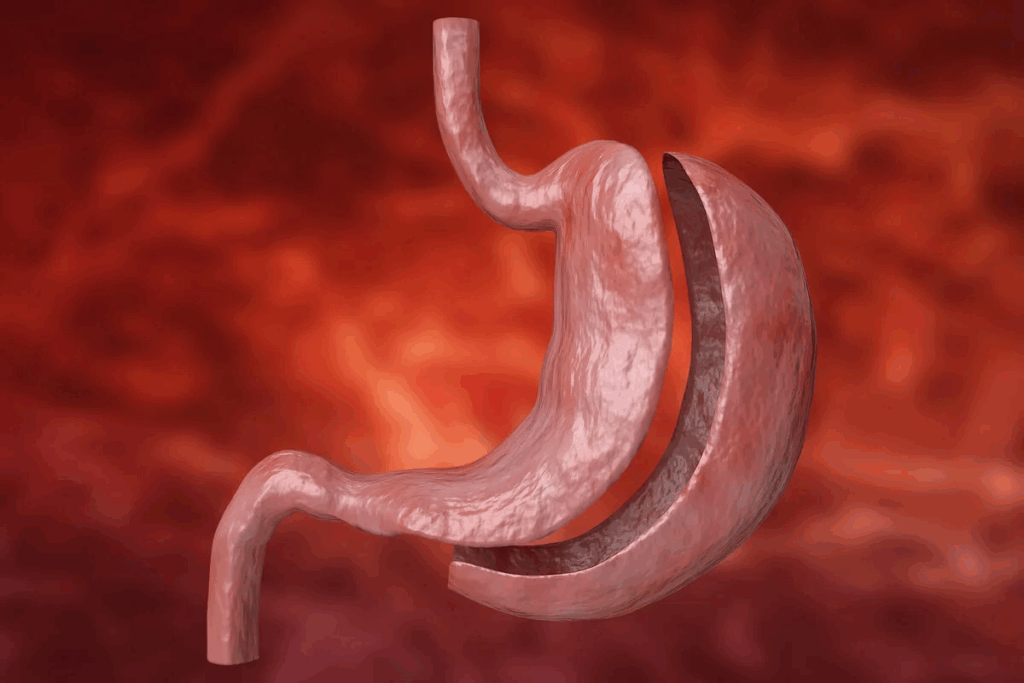
Gastric bypass surgery is a key solution for obesity. The Roux-en-Y method is often used. It makes a small pouch from the stomach and connects it to the small intestine. Knowing how it works helps patients understand reversal if needed.
How Roux-en-Y Gastric Bypass Works
The surgery has two main steps. First, a small gastric pouch is made by stapling the stomach. Then, the intestine is rerouted to this pouch. This allows food to bypass a lot of the stomach and upper intestine.
This change limits food intake and alters nutrient absorption. Patients lose a lot of weight. A study found that Roux-en-Y gastric bypass surgery leads to significant weight loss and improves obesity-related health issues.
“The Roux-en-Y gastric bypass is considered the gold standard in bariatric surgery due to its efficacy in weight loss and metabolic improvement.”
A leading bariatric surgeon
Common Reasons for Getting Gastric Bypass
People get gastric bypass surgery for weight loss when other methods fail. It helps with obesity-related health problems like type 2 diabetes, hypertension, and sleep apnea.
- Significant weight loss
- Improvement in obesity-related comorbidities
- Enhanced quality of life
Long-term Effects on Anatomy and Digestion
The surgery’s long-term effects on anatomy and digestion are significant. The changed anatomy affects food processing. For example, the smaller stomach limits food intake, and the rerouted intestine changes nutrient absorption.
Effect | Description |
Reduced Stomach Size | Less food can be consumed at one time |
Altered Nutrient Absorption | Changes in how nutrients are absorbed by the body |
Potential for Nutritional Deficiencies | Patients may need supplements to prevent deficiencies |
Understanding these changes is key for managing post-surgical care and making informed decisions about reversal.
Can RNY Gastric Bypass Be Reversed?

To understand if RNY gastric bypass can be reversed, we need to look closely at its technical and medical sides. Reversing gastric bypass surgery is not simple. It depends on many things.
Technical Feasibility of Reversal
Reversing RNY gastric bypass surgery is a tough task. Reversal procedures involve reconnecting the stomach and intestines to their original place. This can be hard because of the changes made in the first surgery.
The main things to consider are:
- The extent of the original surgery
- The presence of any complications or adhesions
- The patient’s overall health status
Factors Affecting Reversibility
Many factors can affect if gastric bypass surgery can be reversed. These include:
- The patient’s health status: Patients with big health problems may face more risks during reversal surgery.
- The specific technique used during the initial surgery: Different surgical methods can make reversal easier or harder.
- The presence of complications or adverse effects: Problems like malnutrition or severe dumping syndrome might need reversal.
Knowing these factors helps patients and doctors make better choices about gastric bypass reversal.
Medical Indications for Gastric Bypass Reversal
Certain medical issues make it necessary to reverse gastric bypass surgery. This is done when patients face severe problems that harm their quality of life.
Malnutrition as a Leading Cause
Malnutrition is a big worry for those who’ve had gastric bypass. It happens when the body lacks essential nutrients, vitamins, and minerals. Malnutrition can cause health issues like anemia, osteoporosis, and hair loss. In serious cases, it can be dangerous, making reversal a key option.
Severe Dumping Syndrome
Severe dumping syndrome is another reason for reversal. It happens when food moves too fast from the stomach to the small intestine. This leads to nausea, vomiting, diarrhea, and stomach pain. In severe cases, it can greatly reduce a patient’s quality of life.
Postprandial Hypoglycemia
Postprandial hypoglycemia, or low blood sugar after eating, is a complication of gastric bypass. It can cause dizziness, confusion, and even loss of consciousness. In severe cases, it needs immediate medical help.
Other Medical Complications
Other complications that might need reversal include chronic stomach pain, bowel obstruction, and bleeding in the gut. These issues can greatly affect a patient’s life and may need surgery to fix.
Medical Complication | Description | Impact on Patient |
Malnutrition | Inadequate nutrient absorption | Anemia, osteoporosis, hair loss |
Severe Dumping Syndrome | Rapid food movement into small intestine | Nausea, vomiting, diarrhea, abdominal cramps |
Postprandial Hypoglycemia | Low blood sugar after eating | Dizziness, confusion, loss of consciousness |
These complications show why gastric bypass reversal is sometimes needed. Understanding when to reverse surgery helps healthcare providers improve patient care and outcomes.
The Gastric Bypass Reversal Procedure
Gastric bypass reversal is a complex surgery that needs great skill. It can seem scary to patients, so we aim to explain it well. This helps ease their worries.
The process aims to fix the digestive system back to how it was before. Our expert surgeons work with patients to find the right plan for them.
Laparoscopic Reversal Techniques
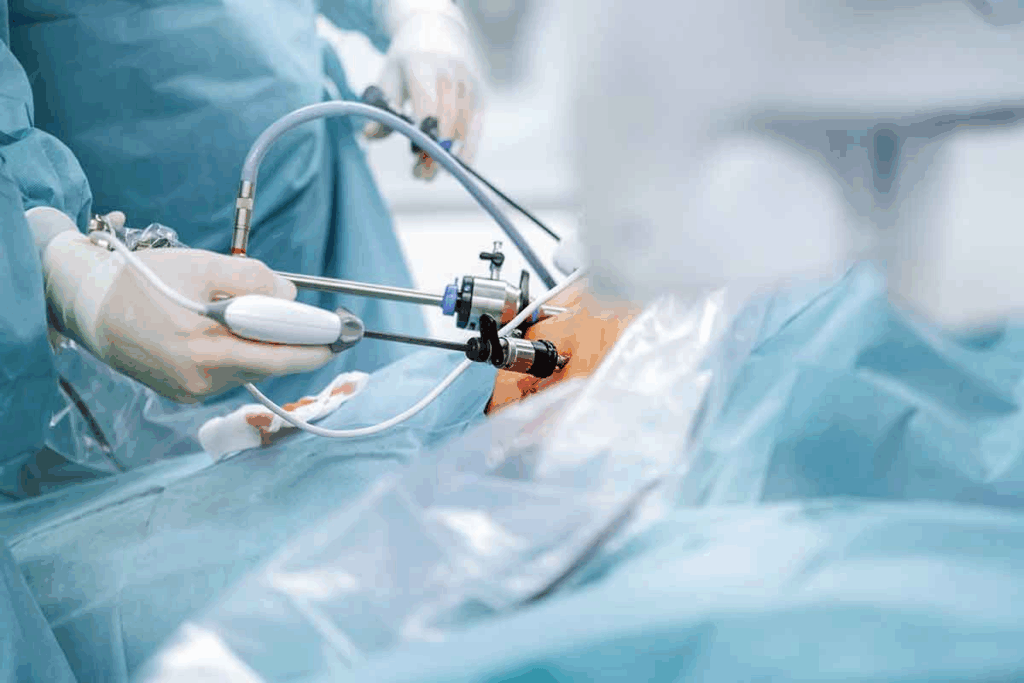
Laparoscopic methods are chosen for being less invasive. They usually mean less pain and faster healing. Our team uses the latest tools and techniques for precise work.
This method uses small cuts for a camera and tools. It lets us see inside and work on the digestive tract carefully.
Open Surgery Options
Open surgery is sometimes needed or preferred. It uses a bigger cut to get to the belly. It might take longer to heal, but it’s key for some cases.
Our surgeons know both laparoscopic and open surgery. They choose the best option for each patient’s needs.
Surgical Complexity and Duration
The reversal surgery is complex because it undoes previous surgeries. The time it takes can vary a lot. It can be a few hours or longer.
The surgery’s complexity and time show why skilled surgeons are needed. Our team is committed to top-notch care and the best results for our patients.
Research on Gastric Bypass Reversal Outcomes
Recent studies have given us new insights into gastric bypass reversal surgery. They show how effective and satisfying this procedure can be. With more gastric bypass surgeries happening worldwide, the need for reversals is growing.
Systematic Review of 100 Patients Across 35 Studies
A detailed review looked at 100 patients from 35 studies. It found that malnutrition was the main reason for reversal, making up about 40% of cases. Other big reasons included severe dumping syndrome and postprandial hypoglycemia. The review stressed the importance of a team approach in caring for these patients post-reversal.
Indication for Reversal | Percentage of Cases |
Malnutrition | 40% |
Severe Dumping Syndrome | 25% |
Postprandial Hypoglycemia | 15% |
Other Complications | 20% |
Brigham and Women’s Hospital Study
A study at Brigham and Women’s Hospital looked at the long-term effects of reversal. It showed that patients saw big improvements in nutrition and quality of life. But, it also found that some patients gained weight back, showing the need for ongoing care.
2024 Patient Satisfaction Survey
A 2024 survey asked patients about their satisfaction after reversal. It found that 72% of patients felt better or much better. The survey included 50 patients and showed most were happy with their decision, citing better health and well-being.
These studies help us understand the outcomes of gastric bypass reversal. They highlight the need for careful patient selection and thorough care before and after surgery. As research keeps growing, we’ll learn more about making reversal surgery better for patients.
Success Rates of Reversal Procedures
It’s important to know how well gastric bypass reversal works. We look at symptom relief, better quality of life, and long-term results. These are key for those thinking about this surgery.
Symptom Resolution Statistics
Research shows that reversing gastric bypass can greatly help those with surgery problems. For example, a review of 100 patients found that about 80% saw improvements in malnutrition and severe dumping syndrome after the reversal.
“The reversal of gastric bypass surgery can lead to a significant improvement in symptoms related to malnutrition and dumping syndrome, giving patients a better life.”
N.J. Slater, et al.
Here’s a table showing how well symptoms get better:
Symptom | Resolution Rate (%) |
Malnutrition | 85 |
Severe Dumping Syndrome | 78 |
Postprandial Hypoglycemia | 82 |
Quality of Life Improvements
Gastric bypass reversal also boosts quality of life. People often feel healthier and happier after the surgery. A study at Brigham and Women’s Hospital found that more than 70% of patients felt their life improved after the reversal.
Long-term Outcome Tracking
Tracking results over time is key to seeing if the benefits last. Studies show that the good effects of reversal can stick around for a long time. Many patients keep feeling better and enjoying life more.
A 2024 survey showed that patients were happy with their choice even years later. This highlights the need for choosing the right patients and good follow-up care for lasting success.
Risks and Complications of Reversing Gastric Bypass
Reversing a gastric bypass is a big surgery with risks. It’s a major operation that can lead to serious problems. These risks are similar to those of any big surgery in the belly.
Surgical Complications
Complications can happen during or after the surgery. These might include infection, bleeding, and adhesions. The chance of these issues depends on the patient’s health, the surgery’s complexity, and the surgeon’s skill.
Some complications can be very serious. For example, an infection might need antibiotics or more surgery to fix.
Nutritional Concerns
Nutritional problems are a big risk after reversing a gastric bypass. Patients might have trouble absorbing nutrients, leading to malnutrition or vitamin deficiencies. It’s key for patients to see a nutritionist to manage their diet and get the right nutrients.
They might need supplements and regular blood tests to check their nutrition levels.
Weight Regain Considerations
Weight gain is a common worry after reversing a gastric bypass. Without the surgery’s effects, it’s hard to keep weight off. Patients can manage this with diet changes, more exercise, and sometimes more weight loss help.
It’s important for patients to know what to expect with weight loss after the surgery. They need to be ready to make big lifestyle changes to keep their weight in check.
In summary, while reversing a gastric bypass can help some, it’s not without risks. Knowing these risks is key to making a good choice. Patients should talk to their doctor about their specific risks and any worries they have.
Recovery After Gastric Bypass Reversal
Recovering from gastric bypass reversal involves several steps. These include staying in the hospital, post-operative care, and making lifestyle changes. It’s important to follow these steps to avoid complications and ensure a good outcome. We’ll explain what to expect during the recovery process.
Hospital Stay Duration
The time you spend in the hospital after gastric bypass reversal varies. It depends on your health and the surgery’s complexity. Usually, patients stay for 1 to 3 days. During this time, doctors watch your condition, manage pain, and look for any complications.
Key factors influencing hospital stay duration include:
- The extent of the reversal surgery
- The patient’s pre-existing health conditions
- The presence of any post-operative complications
Post-Operative Care
Good post-operative care is key for a smooth recovery. This includes managing pain, watching for infection signs, and following a diet plan. You’ll get detailed instructions on wound care, medication, and follow-up appointments.
It’s essential for patients to adhere to these instructions to prevent complications.
Dietary Adjustments
After gastric bypass reversal, diet is very important. You’ll start with a liquid diet, then move to soft foods, and eventually to a normal diet. This helps ensure you get the nutrients you need while avoiding complications.
Nutritional guidelines include:
- Staying hydrated by drinking plenty of fluids
- Eating small, frequent meals
- Avoiding foods that are high in sugar or fat
Physical Activity Guidelines
Physical activity is also key in recovery. Start with short walks and gradually increase your activity. But, avoid heavy lifting or bending to protect your abdominal muscles.
Psychological Impact of Gastric Bypass Reversal
The psychological effects of gastric bypass reversal are significant. It requires big changes in lifestyle and how one sees themselves. Patients may go through many emotional and psychological changes.
Managing Expectations
It’s key to manage what you expect from gastric bypass reversal. Understand that it can change your weight, body shape, and health. This can affect your mental health. Realistic expectations can help avoid feeling too stressed.
Talking to your healthcare provider about what you expect is a good idea. They can help you understand the possible outcomes. This includes knowing you might gain weight back and needing to keep up with nutrition.
Coping with Body Image Changes
Dealing with changes in how you see your body is important. As your weight and body shape change, your body image might too. Body image concerns can hurt your self-esteem and mental health.
Getting support from doctors, family, and friends is very helpful. Looking into counseling or support groups can also help with body image issues.
Support Systems and Resources
Having a strong support system is essential for gastric bypass reversal patients. This includes medical and psychological support. Access to counseling or therapy can help with emotional challenges.
Support groups can also offer a sense of community and understanding. They can make you feel less alone in your journey. We suggest looking into these resources for the support you need.
Alternatives to Complete Reversal
For those thinking about gastric bypass reversal, there are other options. Not everyone needs a full reversal. Some might find less invasive methods better.
These alternatives can help with issues like nutritional problems or dumping syndrome. They offer a way to find the best treatment plan with your healthcare team.
Revision Surgeries
Revision surgeries are a good alternative. They modify the original surgery to fix problems. This can include:
- Stomal revision to address issues related to the stomach pouch or outlet
- Revision of the Roux limb to improve nutrient absorption or reduce complications
- Other anatomical adjustments to alleviate symptoms or improve digestive function
These surgeries can solve some issues without losing all the weight loss benefits.
Non-Surgical Interventions
For some, non-surgical methods are better than surgery. These can include:
- Dietary adjustments to manage nutritional deficiencies or dumping syndrome
- Medications to alleviate symptoms or improve nutrient absorption
- Other non-invasive treatments aimed at improving overall health and well-being
These options are great for those who don’t want surgery or can’t handle the risks.
Symptom Management Approaches
Managing symptoms is key for those who’ve had gastric bypass surgery. Ways to do this include:
- Personalized dietary planning to minimize dumping syndrome and nutritional deficiencies
- Supplementation with vitamins and minerals to address deficiencies
- Medications or other treatments to manage symptoms such as pain or discomfort
By focusing on symptom management, patients can see big improvements in their health. This might even mean they don’t need a full reversal.
Candidacy for Gastric Bypass Reversal
To see if you’re a good fit for gastric bypass reversal, we do a detailed medical evaluation. We look at several important things. This helps us figure out who can have the surgery.
Medical Evaluation Process
Our medical check-up for gastric bypass reversal is thorough. We look at your medical history, current health, and past surgery results. We also check why you want the reversal and your overall health to see if you’re ready for the surgery.
Timing Considerations
Timing is key for gastric bypass reversal. We think about how long it’s been after your first surgery. We also look at any health changes or new situations that might affect your surgery timing.
Health Requirements
To qualify for gastric bypass reversal, you need to be in good health. You should have a stable weight and no health issues that could make surgery risky. We also check your nutrition and fix any problems before the surgery.
Finding an Experienced Surgeon
Finding a skilled surgeon is essential for a good gastric bypass reversal. We suggest looking for surgeons who focus on bariatric surgery and have done many reversals. This way, you get the best care and expertise.
By looking at these factors, we can decide if you’re a good candidate for gastric bypass reversal. Then, we help you with the next steps in your treatment.
Conclusion
Gastric bypass reversal is a complex but viable option for patients facing severe complications from their initial surgery. We’ve looked into the details of gastric bypass surgery, the possibility of reversal, and the risks and benefits involved.
While gastric bypass surgery can greatly improve life for many, some may face complications that require reversal. Deciding on gastric bypass reversal should be a thoughtful choice, made after talking to healthcare experts.
Understanding the technical aspects, medical reasons, and possible outcomes of reversal helps patients make informed decisions. It’s key to seek advice from experienced surgeons and healthcare providers in this complex process.
In summary, gastric bypass reversal is a big step that needs careful thought and planning. For some, it’s a vital step to fix complications and enhance their quality of life.
FAQ
Can gastric bypass surgery be reversed?
Yes, gastric bypass surgery can be reversed. It’s a complex procedure. It needs careful thought and should be done by an experienced surgeon.
What are the medical indications for gastric bypass reversal?
Medical reasons for reversing gastric bypass include malnutrition and severe dumping syndrome. Other complications that harm a patient’s quality of life also qualify.
How is gastric bypass reversal performed?
The reversal can be done laparoscopically or through open surgery. It depends on the case and the surgeon’s skill.
What are the success rates of gastric bypass reversal procedures?
Studies show many patients see big improvements in symptoms and quality of life after reversal. But, results can vary.
What are the risks and complications associated with reversing gastric bypass?
Risks include surgical problems, nutritional issues, and weight gain. It’s key to choose the right patient and follow up care closely.
Is RNY gastric bypass reversible?
Yes, RNY gastric bypass can be reversed. The decision to do so depends on the patient’s health and any complications.
Can you undo a gastric bypass?
Yes, a gastric bypass can be undone. The goal is to get back to the original anatomy as much as possible.
What is the recovery process like after gastric bypass reversal?
Recovery includes a hospital stay and post-operative care. You’ll also need to adjust your diet and follow physical activity guidelines to avoid complications.
How do I know if I’m a candidate for gastric bypass reversal?
To see if you’re a candidate, you’ll need a thorough medical check-up. This considers complications, health, and the surgeon’s expertise.
Are there alternatives to complete gastric bypass reversal?
Yes, there are other options like revision surgeries and non-surgical treatments. These can help manage complications and improve outcomes.
Can gastric bypass be reversed?
Yes, gastric bypass can be reversed. The possibility depends on the patient’s specific situation.
What is the psychological impact of gastric bypass reversal?
The psychological effects include managing expectations and dealing with body image changes. Support systems and resources are vital for well-being.
Is gastric bypass surgery reversible?
Yes, gastric bypass surgery can be reversed. It’s a serious decision that should be made with careful thought and by an experienced surgeon.
References
Reversal of Roux-en-Y gastric bypass is a rarely performed procedure. Main indications are dumping syndrome, excessive weight loss, marginal
https://pmc.ncbi.nlm.nih.gov/articles/PMC11835901/