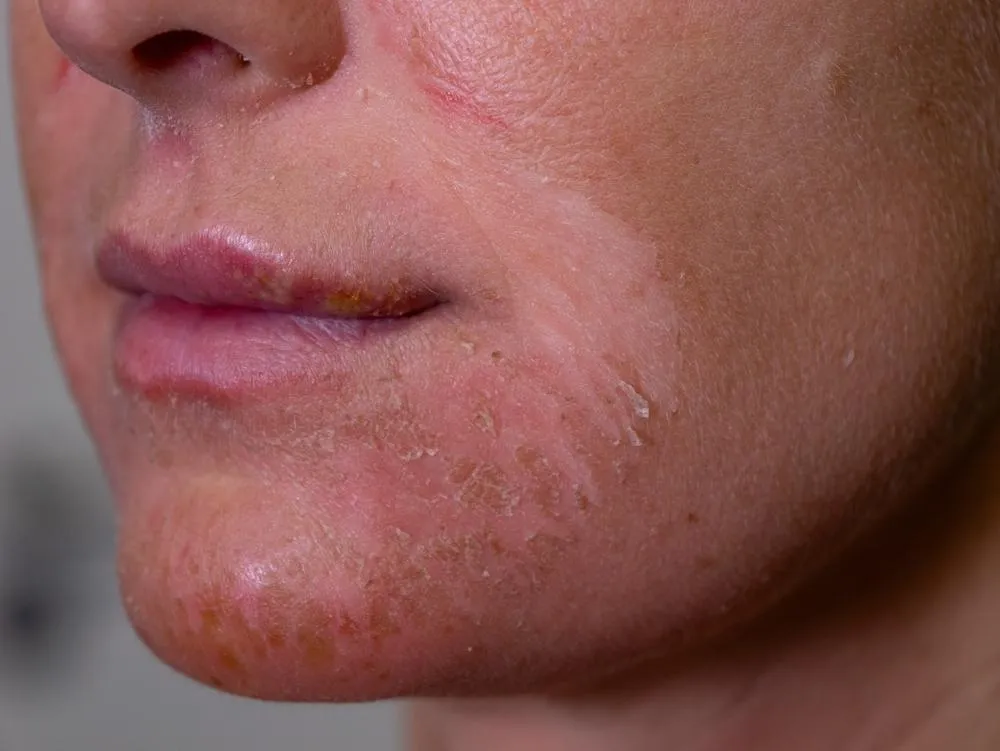
Sun exposure can cause a lot of skin damage. This can lead to early aging and a loss of skin elasticity. Recent studies have shown that red light therapy (RLT) might help fix these problems.
RLT works by boosting collagen production. This can make the skin look firmer and more resilient. It’s like a natural way to rejuvenate your skin.
Research from Stanford Medicine found that RLT can increase collagen by 30% or more. This is important because more collagen can make wrinkles from sun exposure less visible.Key Takeaways
- Red light therapy can improve collagen production by 30% or more.
- Increased collagen leads to firmer, more resilient skin.
- RLT can reduce the appearance of wrinkles caused by sun exposure.
- Studies from reputable institutions like Stanford Medicine support the effectiveness of RLT.
- Red light therapy is a non-invasive treatment option for sun-damaged skin.
Understanding Sun Damage and Its Effects on Skin
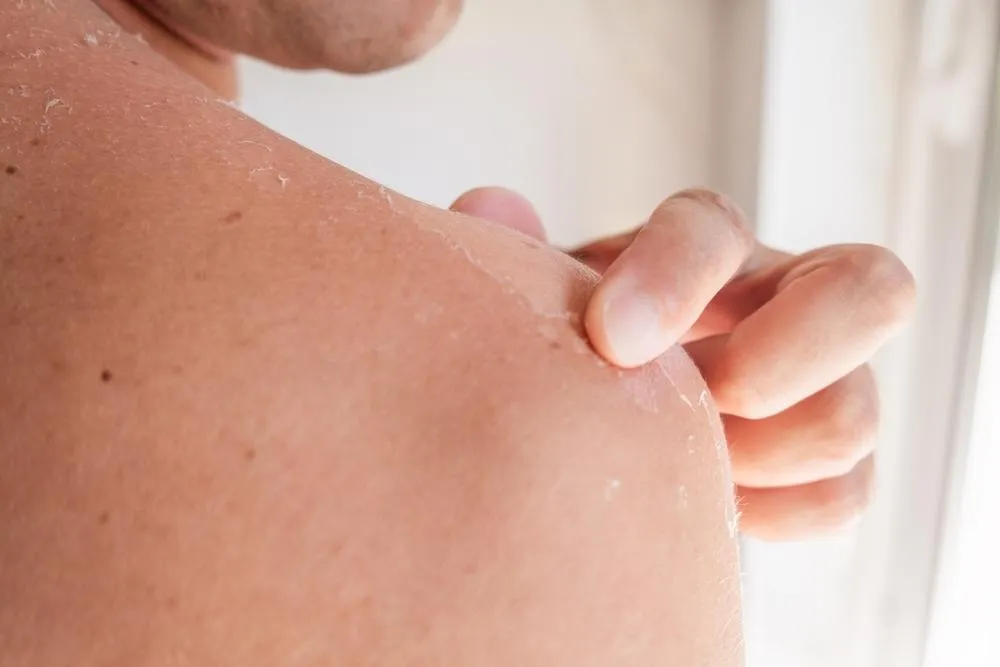
It’s important to know how sun damage affects our skin. Sun damage is a big problem that can make our skin look older than it is. It can cause many skin issues.
How UV Radiation Damages Skin Cells
UV rays from the sun or tanning beds harm our skin. They damage the DNA in skin cells. This can make skin cells age too fast or even become cancerous.
UV rays break down collagen and elastin in our skin. These are key proteins that keep our skin firm and elastic. Without them, our skin starts to sag, leading to wrinkles and fine lines.
Common Signs of Sun-Damaged Skin
Sun-damaged skin shows many signs, including:
- Wrinkles and fine lines
- Hyperpigmentation or age spots
- Loss of skin elasticity
- Uneven skin texture
- Actinic keratoses (rough, scaly patches)
|
Signs of Sun Damage |
Description |
|---|---|
|
Wrinkles and Fine Lines |
Deepening lines due to loss of collagen and elastin |
|
Hyperpigmentation |
Dark spots or freckles resulting from uneven melanin distribution |
|
Loss of Skin Elasticity |
Sagging skin due to damaged elastin fibers |
Spotting these signs is the first step to fixing sun damage. Treatments like red light therapy can help repair and refresh our skin.
The Science Behind Red Light Therapy
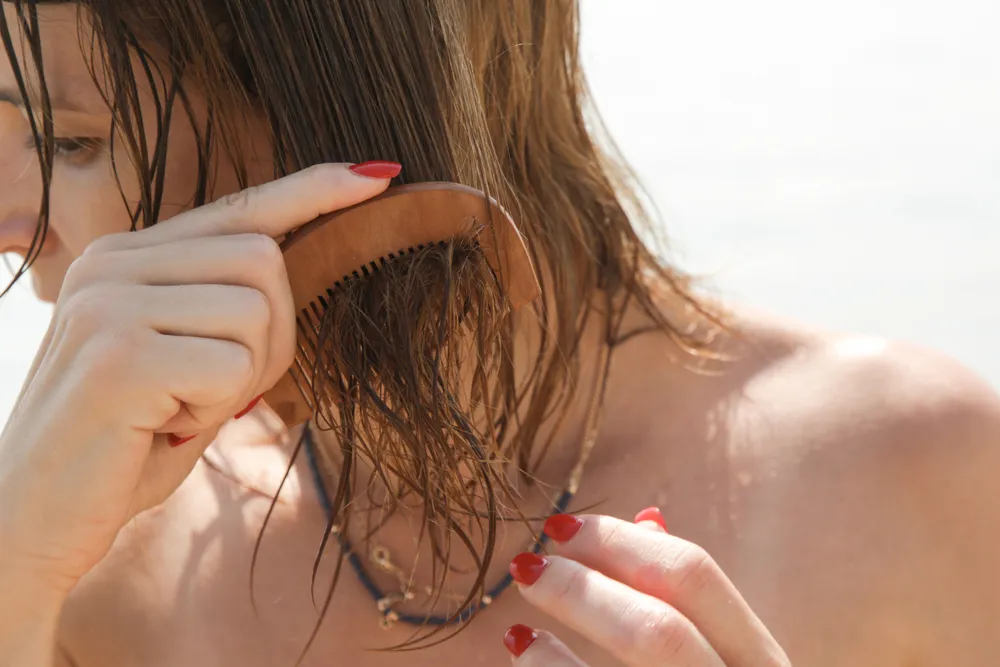
Red light therapy, also known as low-level laser therapy or photobiomodulation, is gaining attention for its sun damage reversal. It’s a non-invasive method using red or near-infrared light. This light stimulates cells to improve skin health.
What Is Red Light Therapy?
Red light therapy uses low-intensity red or near-infrared light. It stimulates cellular processes for tissue repair and rejuvenation. The therapeutic benefits of red light therapy include enhanced collagen production, improved skin elasticity, and reduced inflammation.
- Stimulates cellular energy production
- Enhances collagen synthesis
- Promotes tissue repair and rejuvenation
How Red Light Penetrates Skin Tissue
Red light applied to the skin penetrates deep into tissue. It stimulates the mitochondria in cells to boost energy production. This process, called photobiomodulation, leads to better skin texture and reduced sun damage signs.
- Red light is absorbed by skin cells
- Mitochondrial energy production is enhanced
- Cellular processes are stimulated, leading to tissue repair
Understanding how red light therapy works helps us see its value for sun-damaged skin. We’ll explore its application and benefits in reversing sun damage further.
How Red Light Therapy Works to Reverse Sun Damage
Red light therapy helps fix sun damage in many ways. It boosts how skin cells work, making skin look better. Knowing how it works helps us see its power in fixing skin.
Cellular Mechanisms of Red Light Therapy
Red light therapy gets cells to renew by giving them more energy. It uses red light to reach deep into the skin. This helps cells make more ATP, the energy they need to fix and grow.
This is key in fixing UV damage. It lets skin cells heal and work right again.
It also cuts down on skin stress and swelling. This makes the skin healthier. This makes sun-damaged skin look better and stay healthy.
Stimulation of Collagen and Elastin Production
Red light therapy boosts collagen and elastin, keeping skin firm. Sun damage breaks down these proteins, causing wrinkles. This therapy helps make skin look smoother and younger.
Clinical Evidence Supporting Red Light Therapy for Sun Damage
More and more research shows that red light therapy can help with sun damage. It’s important to look at studies from trusted sources.
Red light therapy uses low-level lasers or LEDs to boost skin health. It helps in making the skin look better.
Stanford Medicine Research Findings
Stanford Medicine has looked into how red light therapy affects sun-damaged skin. Their research shows it can make skin look smoother and reduce sun damage signs.
One study found that red light therapy increases collagen. This is key for keeping skin looking young and healthy.
Other Notable Clinical Studies
Other studies also support red light therapy for sun damage. They looked at how it affects fine lines, wrinkles, and dark spots.
A big review of trials showed red light therapy can make skin firmer. It also makes sun spots less noticeable.
Plus, studies say red light therapy is safe. It usually doesn’t cause any serious side effects.
Specific Ways to Reverse Sun Damage with Red Light Therapy
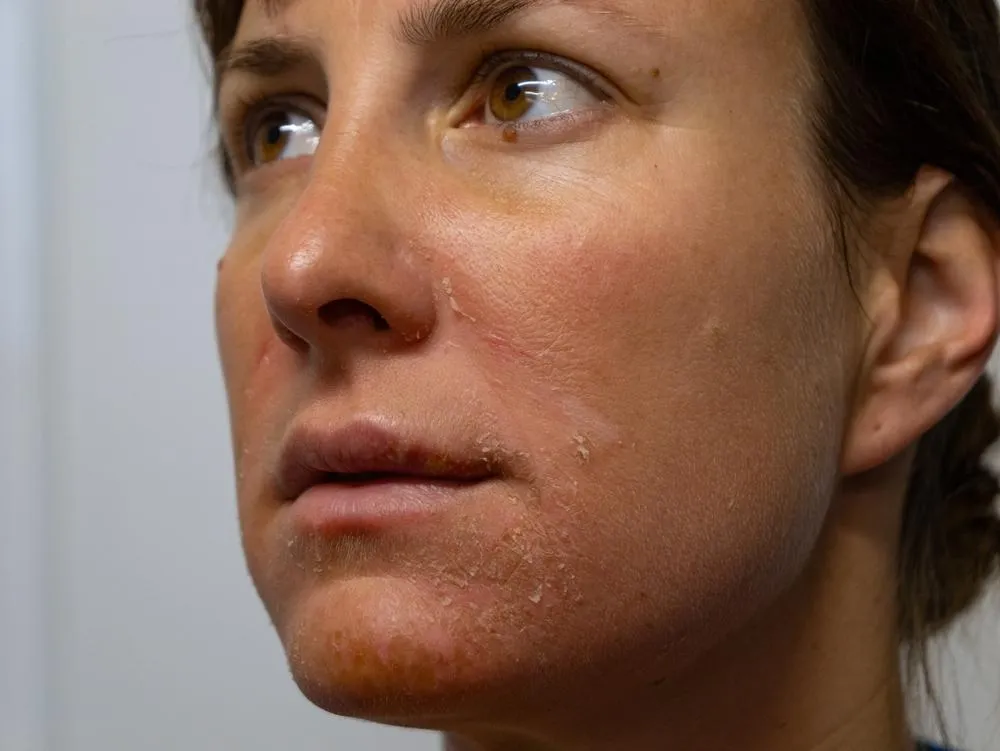
Red light therapy is a modern treatment that fixes sun damage. It boosts collagen, makes skin elastic, and hides aging signs. This easy treatment is great for sun-damaged skin.
Improvement in Skin Texture and Firmness
Red light therapy makes skin better by boosting collagen. It makes skin elastic and youthful, looking vibrant.
- Increased collagen production
- Enhanced skin elasticity
- Improved skin firmness
Reduction of Fine Lines and Wrinkles
It also lessens fine lines and wrinkles from sun damage. This therapy boosts cell renewal and collagen. It makes skin smooth, hiding aging signs.
|
Benefits |
Description |
|---|---|
|
Reduced fine lines |
Smoother skin appearance |
|
Diminished wrinkles |
More youthful skin texture |
Fading of Hyperpigmentation and Sun Spots
Hyperpigmentation and sun spots are sun damage issues. Red light therapy fades these by evening skin tone and lowering melanin.
Key outcomes include:
- Even skin tone
- Reduced appearance of sun spots
- Faded hyperpigmentation
Thickening of the Skin Barrier
Red light therapy also thickens the skin barrier. This makes skin stronger against stress and damage. It does this by boosting skin health.
Resulting in healthier, stronger skin that fights aging and environmental harm.
The Process of Skin Rejuvenation Through Red Light Therapy
Red light therapy is a powerful way to fix sun-damaged skin. It helps the skin renew and repair itself. This leads to smoother and better-looking skin.
Timeline for Visible Results
The time it takes to see results from red light therapy varies. It depends on how bad the sun damage is and how often you get treated. Most people start to notice improvements in a few weeks.
- Initial improvements: 2-4 weeks
- Noticeable results: 6-12 weeks
- Optimal results: 3-6 months
To get the best results, you need to keep up with regular treatments. This is what keeps your skin looking its best.
Cellular Renewal and Repair Mechanisms
Red light therapy boosts the skin’s ability to renew and repair itself. It does this by increasing ATP (adenosine triphosphate). ATP is key for cells to work well.
|
Mechanism |
Description |
Effect on Skin |
|---|---|---|
|
Increased ATP Production |
Red light boosts ATP, giving cells more energy. |
Cells work better and renew faster. |
|
Collagen and Elastin Production |
Red light helps make more collagen and elastin. These are important for skin to stay firm and elastic. |
Skin looks better, with fewer wrinkles and lines. |
|
Reduced Inflammation |
Red light also reduces inflammation in the skin. |
Skin health improves, and sun damage looks less. |
Knowing how red light therapy works helps people choose the right treatment. It sets the right expectations for better skin.
Optimal Treatment Protocols to Reverse Sun Damage

To get the most from red light therapy for sun damage, a good treatment plan is key. It works best when it matches the person’s skin type and needs.
Recommended Frequency of Sessions
The number of red light therapy sessions is important. We suggest starting with 2-3 times a week. This helps the skin heal from sun damage.
As the skin gets better, you might need fewer sessions. A study showed that those who got red light therapy twice a week saw better skin than those who didn’t.
Duration of Treatment Courses
The length of treatment depends on how bad the sun damage is and how well your skin responds. We usually say to treat for at least 8-12 weeks before checking results. This time helps your skin make more collagen and look younger.
- For mild sun damage, 8 weeks might be enough.
- For more serious damage, you might need 12 weeks or more.
Maintenance Protocols After Initial Treatment
After the first treatment, keeping up with maintenance is important. We suggest doing red light therapy once a week or every other week. This keeps your skin healthy and looking good.
Also, using sunscreen every day and moisturizing helps keep your skin looking great. Having check-ups to adjust your treatment plan is a good idea too.
By following these steps and making the treatment fit your needs, red light therapy can really help. It can make your skin look healthier and younger.
At-Home vs. Professional Red Light Therapy Treatments
Choosing between at-home red light therapy devices and professional treatments is a big decision. Each option has its own pros and cons. Knowing these can help you make the right choice.
Effectiveness of At-Home Devices
At-home red light therapy devices are popular for their ease of use. They emit red light that can help improve skin texture. But, their effectiveness depends on the device’s quality and settings.
Benefits of Professional Treatments
Professional red light therapy treatments have many advantages. They are given by experts who can customize the treatment for your skin. These treatments use more powerful devices, leading to better results.
One big plus of professional treatments is they can be combined with other skincare treatments. This can improve results even more. Plus, professionals can adjust the treatment as needed for the best results.
Cost Comparison and Considerations
The cost of red light therapy varies a lot. At-home devices can cost from a few hundred to several thousand dollars. Professional treatments, though more expensive per session, can range from $100 to $500 or more.
At-home devices might seem cheaper at first, but think about the long-term costs and effectiveness. Professional treatments might give better and lasting results, saving you money in the long run.
In conclusion, choosing between at-home and professional red light therapy depends on your preferences, budget, and skincare goals. Understanding the benefits, costs, and effectiveness of each option helps you make the best choice for you.
Combining Red Light Therapy with Other Skin Treatments
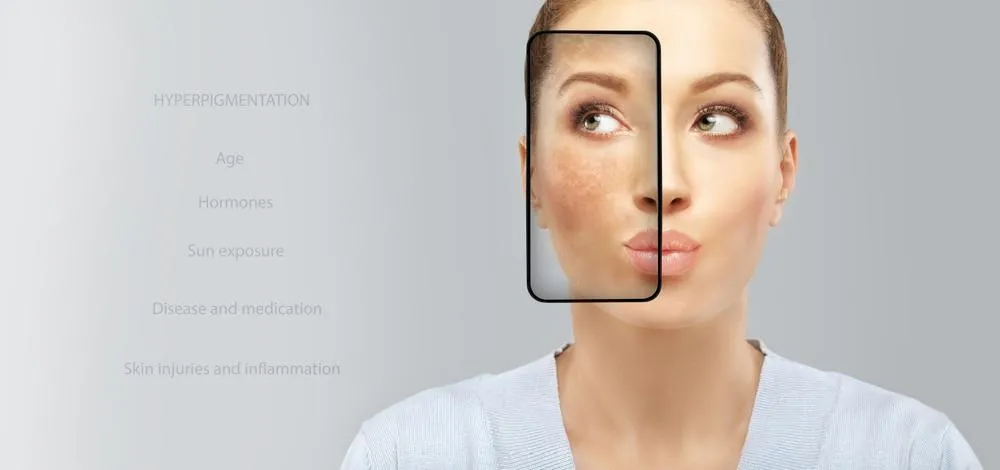
Using red light therapy with other skin treatments can give better results for sun damage. Mixing red light therapy with anti-aging treatments can lead to better outcomes than one treatment alone.
Synergistic Effects with Topical Treatments
Red light therapy works better with topical treatments. Ingredients like retinol, peptides, or vitamin C in creams can work better with red light therapy. This is because red light helps these creams penetrate deeper, improving skin texture and reducing aging signs.
Red light therapy boosts how well these creams work. It does this by stimulating cellular processes, making skin more open to treatments. Some benefits of using red light therapy with creams include:
- More collagen production
- Better skin elasticity
- Less visible fine lines and wrinkles
- Topical creams work better
Integration with Other Anti-Aging Procedures
Red light therapy can also be used with other anti-aging methods. For example, it can be used with chemical peels or microdermabrasion for better skin renewal. It’s important to know how these treatments work together and customize the plan for each person’s skin.
Some benefits of using red light therapy with other treatments include:
- Better skin texture and tone
- More effective age spot and hyperpigmentation reduction
- More collagen for firmer skin
- A more complete approach to aging signs
Limitations of Red Light Therapy in Reversing Sun Damage
Red light therapy is a promising treatment for sun-damaged skin. Yet, it’s important to know its limits. This helps manage expectations and make informed choices.
Types of Sun Damage That Respond Best
Red light therapy works well for some sun damage. It improves skin texture, reduces wrinkles, and fades sun spots. People with mild to moderate damage see the best results.
Conditions That May Not Improve
But, it’s not as effective for severe sun damage. Deep wrinkles, significant sagging, or precancerous lesions are harder to treat. In these cases, combination therapies like chemical peels or laser treatments might be needed.
Comparing Red Light Therapy to Other Sun Damage Treatments
When looking at sun damage treatments, it’s key to know how red light therapy stacks up against others. Sun damage can show up as fine lines, wrinkles, dark spots, and less elastic skin. Each treatment has its own way of tackling these problems, with varying success.
Red Light vs. Chemical Peels
Chemical peels remove the skin’s top layers to reveal smoother skin. They work well but can be harsh and need time to heal. Red light therapy, on the other hand, boosts collagen and improves skin texture without downtime.
Chemical peels are more invasive, removing skin layers. Red light therapy, by contrast, enhances the skin’s natural healing. Your choice depends on how severe the sun damage is and your skin’s specific needs.
Red Light vs. Laser Treatments
Laser treatments use intense light to target specific skin issues like dark spots or deep wrinkles. They’re effective but can be painful and require downtime. Red light therapy is generally painless and can be used more often.
Here’s a comparison of key aspects:
|
Treatment |
Pain Level |
Downtime |
Targeted Concerns |
|---|---|---|---|
|
Red Light Therapy |
Minimal to None |
None |
Skin texture, collagen production, fine lines |
|
Laser Treatments |
Variable, can be painful |
Yes, variable duration |
Pigmentation, deep wrinkles, skin tightening |
Red Light vs. Microdermabrasion
Microdermabrasion is a gentle exfoliating treatment that removes dead skin cells. It improves skin texture but doesn’t go as deep as red light therapy. Red light therapy stimulates collagen and elastin deeper in the skin.
- Red light therapy: Stimulates collagen, improves skin elasticity
- Microdermabrasion: Exfoliates, improves skin texture
Red Light vs. Topical Treatments
Topical treatments like retinoids and vitamin C serums are used for sun damage. They work well but only affect the skin’s surface. Red light therapy, by contrast, reaches deeper into the skin, making topical treatments more effective when used together.
Using red light therapy with topical treatments can lead to better results. For example, combining it with a retinoid can improve skin texture and reduce fine lines more than using either alone.
Safety Considerations and Possible Side Effects
When we talk about using red light therapy for sun-damaged skin, safety and effectiveness are key. It’s important to know the possible side effects and take the right steps to avoid them. This ensures the best results.
Known Side Effects of Red Light Therapy
Red light therapy is usually safe, with few side effects reported. Some people might see temporary redness or increased sensitivity in the treated area. These issues are usually short-term and go away by themselves.
Red light therapy is non-invasive and doesn’t harm the skin. This makes it a good choice for those who want to avoid more invasive treatments.
Contraindications and Precautions
Even though red light therapy is safe for most, there are some exceptions. People with photosensitive conditions or taking photosensitizing medications should talk to their doctor first.
Pregnant or breastfeeding women should also be careful. The effects of red light therapy on a fetus or baby are not fully known.
To treat safely, always follow the manufacturer’s instructions for at-home devices. Or, if getting treatment in a clinic, make sure it’s from a qualified professional.
Who Is an Ideal Candidate for Red Light Therapy?
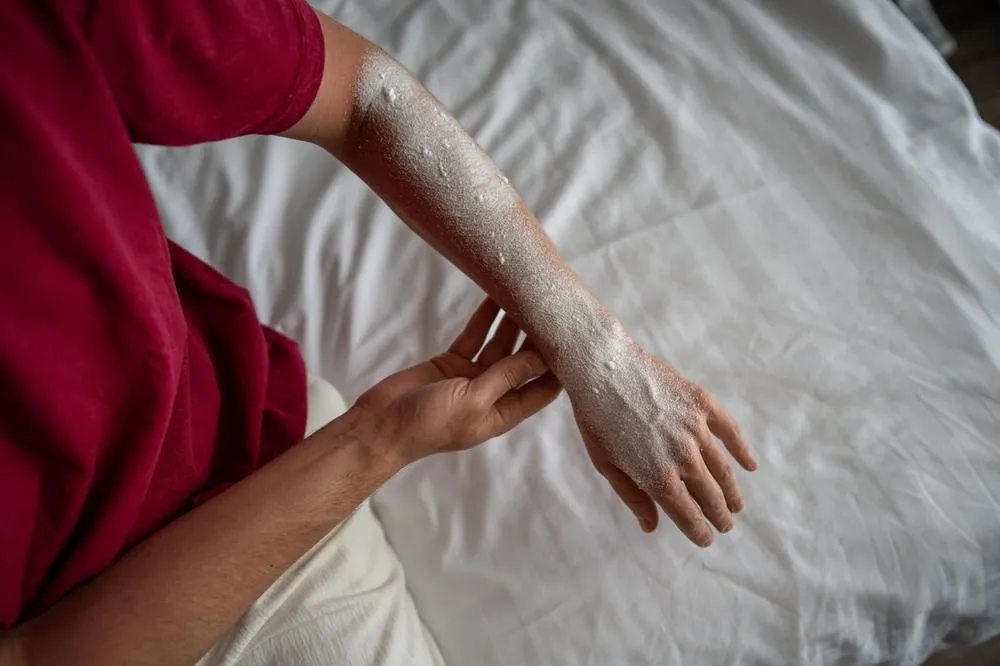
Understanding who benefits most from red light therapy is key. It’s great for reversing sun damage, but results vary. Skin type, age, and sun damage severity play a role.
Skin Types That Respond Best
Fair skin that burns easily or has UV damage does well with red light therapy. This treatment boosts collagen and improves skin elasticity. It’s great for photoaging signs.
Age Considerations
Red light therapy works for all ages, but older adults see bigger benefits. Younger people with sun damage signs can also benefit. It helps prevent damage from getting worse.
Severity of Sun Damage
Sun damage level is key for red light therapy success. Those with mild to moderate damage do best. Starting early leads to better results.
Expectations Management
Setting realistic expectations is vital for red light therapy success. It’s not a quick fix. Realistic hopes and post-treatment care boost its effectiveness.
Preventing Future Sun Damage While Using Red Light Therapy
When you use red light therapy to fix sun damage, it’s key to protect your skin from the sun. Red light therapy can make sun-damaged skin look better. But, it’s not a replacement for keeping your skin safe from the sun.
Importance of Continued Sun Protection
Keeping your skin protected from the sun is essential after red light therapy. UV radiation can cause more damage and aging, even after treatment. Always use a broad-spectrum sunscreen with high SPF, every day, and reapply every two hours or after swimming or sweating.
Wearing protective clothes, like wide-brimmed hats and UPF-rated clothes, and staying in the shade are also important. These steps help prevent more sun damage and keep your skin healthy.
Complementary Skincare Practices
Good skincare practices can also help with red light therapy. Choose gentle, nourishing skincare products with antioxidants. Vitamin C, retinol, and hyaluronic acid are great for your skin.
Keep a regular skincare routine that includes cleaning, moisturizing, and exfoliating. Gentle exfoliation removes dead skin cells and helps products work better. But, don’t overdo it, as it can harm your skin.
By using red light therapy, protecting your skin from the sun, and good skincare, you can keep your skin healthy and young. Our method focuses on treating and preventing sun damage for better skin.
Conclusion: The Future of Red Light Therapy for Sun Damage Reversal
Red light therapy is becoming a top choice for fixing sun damage. It boosts collagen, makes skin smoother, and lessens aging signs. Studies show it greatly improves skin look and feel. Research points to better skin texture and collagen levels.
This therapy is showing great promise in tackling sun damage. It works by stimulating collagen and improving skin texture. This makes it a strong contender for treating sun-damaged skin.
Can sun damage be reversed? Yes, red light therapy is proving to be a good answer. It helps restore skin health and appearance. This is a growing field, and more research will reveal its full benefits.
Looking ahead, red light therapy for sun damage will keep getting attention. It offers hope for those dealing with sun damage. This field is exciting and full of possibilities.
FAQ
What is red light therapy and how does it work to reverse sun damage?
Red light therapy is a non-invasive treatment. It uses low-level laser or light-emitting diodes. This stimulates cellular processes, promoting skin rejuvenation and reversing sun damage.
Can red light therapy completely reverse sun damage?
Red light therapy can significantly improve sun-damaged skin. But, the extent of reversal depends on the damage’s severity. It can reduce fine lines, wrinkles, and hyperpigmentation, but complete reversal may not be possible in all cases.
How long does it take to see results from red light therapy for sun damage?
Results vary, but most notice improvements after a few weeks. Optimal results are achieved after a recommended treatment course.
Is red light therapy safe for all skin types?
Red light therapy is generally safe for most skin types. But, individuals with certain medical conditions or taking specific medications should consult a healthcare professional before starting treatment.
Can I use red light therapy at home or do I need to visit a professional?
Both at-home devices and professional treatments are available. At-home devices offer convenience, while professional treatments provide more intense and tailored therapy. The choice depends on individual preferences, budget, and the severity of sun damage.
How often should I undergo red light therapy sessions to reverse sun damage?
Session frequency depends on the treatment protocol. Sessions are usually several times a week. The exact frequency is determined by a healthcare professional based on individual needs.
Can red light therapy be combined with other skin treatments?
Yes, red light therapy can be combined with other treatments. This includes topical creams or anti-aging procedures. It’s essential to consult a healthcare professional to determine the best combination for individual needs.
Are there any side effects associated with red light therapy?
Red light therapy is generally well-tolerated, with minimal side effects. Some individuals may experience temporary redness or mild discomfort. These effects are usually short-lived.
How can I maintain the benefits of red light therapy for sun damage?
To maintain benefits, continue sun protection practices. Use sunscreen and follow a consistent skincare routine. Periodic maintenance sessions may also be recommended.
Can red light therapy prevent future sun damage?
While red light therapy can improve skin health, it is not a substitute for sun protection. Continuing to use sunscreen and practicing sun-safe behaviors is essential to prevent future sun damage.
Is red light therapy suitable for reversing sun spots and hyperpigmentation?
Yes, red light therapy can help fade hyperpigmentation and sun spots. It stimulates cellular renewal and improves skin texture.
How does red light therapy compare to other treatments for sun damage, such as chemical peels or laser treatments?
Red light therapy offers a non-invasive, low-risk alternative to more aggressive treatments. While it may not be as dramatic in its effects as some other treatments, it provides a gentle, sustained approach to improving skin health.
Reference List
- “Red Light Therapy for Skin and Hair”
- “Red Light Therapy in Dermatology”
- “Reversing Sun Damage: Red Light Therapy for Skin Rejuvenation”
- “The Role of Photobiomodulation in Dermatology”
- “How Does Red Light Therapy Work for Skin Conditions?”



 Departments
 Related Videos
 Our Doctors
 News
News