
Vitiligo is an autoimmune condition where the immune system attacks pigment cells in the skin. This leads to a loss of skin color. Research shows that diet plays a big role in how this condition progresses.
Certain foods may worsen vitiligo by causing oxidative stress and inflammation. Knowing which foods can make vitiligo worse is key. It helps in managing the condition better and improving patient outcomes
Key Takeaways
- Vitiligo is an autoimmune condition that affects skin pigmentation.
- Diet plays a significant role in the progression of vitiligo.
- Certain foods can induce oxidative stress and inflammation, worsening vitiligo.
- Identifying trigger foods can help in managing the condition.
- A holistic approach to managing vitiligo includes dietary changes.
The Connection Between Diet and Vitiligo
Recent studies show diet’s key role in managing vitiligo. This condition causes white patches due to lost skin pigment. Knowing how diet affects vitiligo is vital for better management.
What is Vitiligo and How Does It Develop?
Vitiligo happens when the immune system attacks melanocytes, the skin’s color-making cells. This attack causes color loss in patches. The exact cause is not known, but genetics, environment, and immune factors play a part.
Key factors that contribute to the development of vitiligo include:
- Autoimmune disorders
- Genetic predisposition
- Environmental triggers
How Food Choices Impact Skin Pigmentation
Diet is important in managing vitiligo. Some foods can make symptoms worse, while others help keep skin healthy. Foods full of antioxidants, vitamins, and minerals are good for the skin.
The impact of diet on skin pigmentation can be seen in several ways:
|
Food Group |
Effect on Vitiligo |
Examples |
|---|---|---|
|
Antioxidant-rich foods |
May help reduce oxidative stress |
Berries, leafy greens |
|
Vitamin C-rich foods |
Supports immune function |
Citrus fruits, strawberries |
|
Foods high in phenols |
May trigger or worsen symptoms |
Mangoes, cashews |
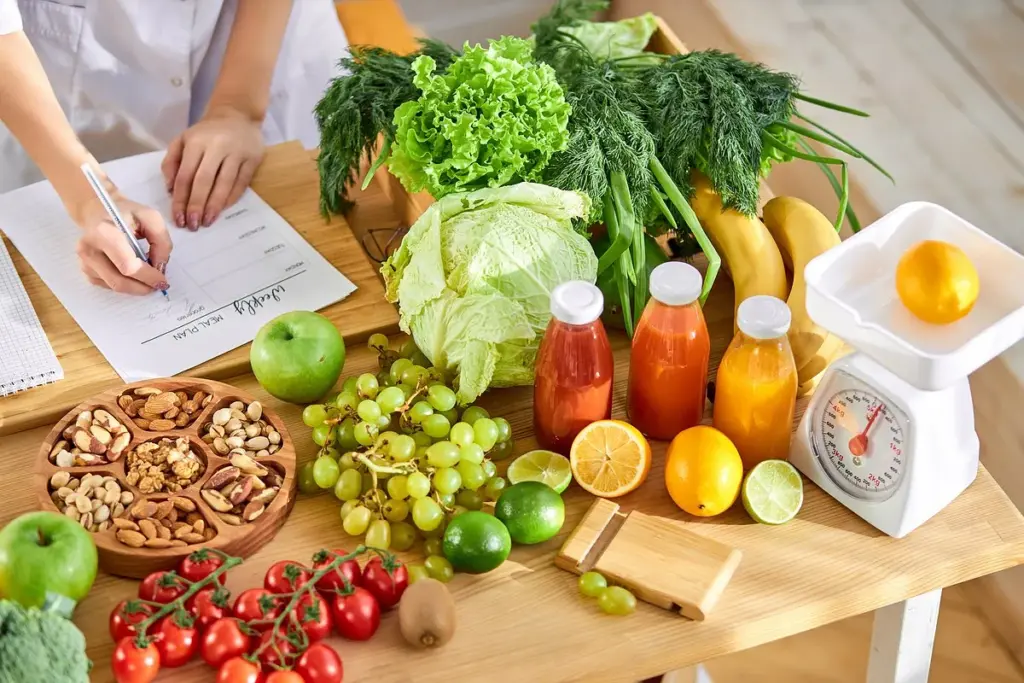
Understanding diet’s link to vitiligo is key for managing it. By choosing the right foods, people with vitiligo can lessen symptoms and improve their skin health.
Scientific Mechanisms: How Foods Affect Vitiligo
Foods can have a big impact on vitiligo, affecting oxidative stress, inflammation, and cellular apoptosis. Knowing how these work is key to finding the right diet for managing vitiligo.
Oxidative Stress and Melanocyte Destruction
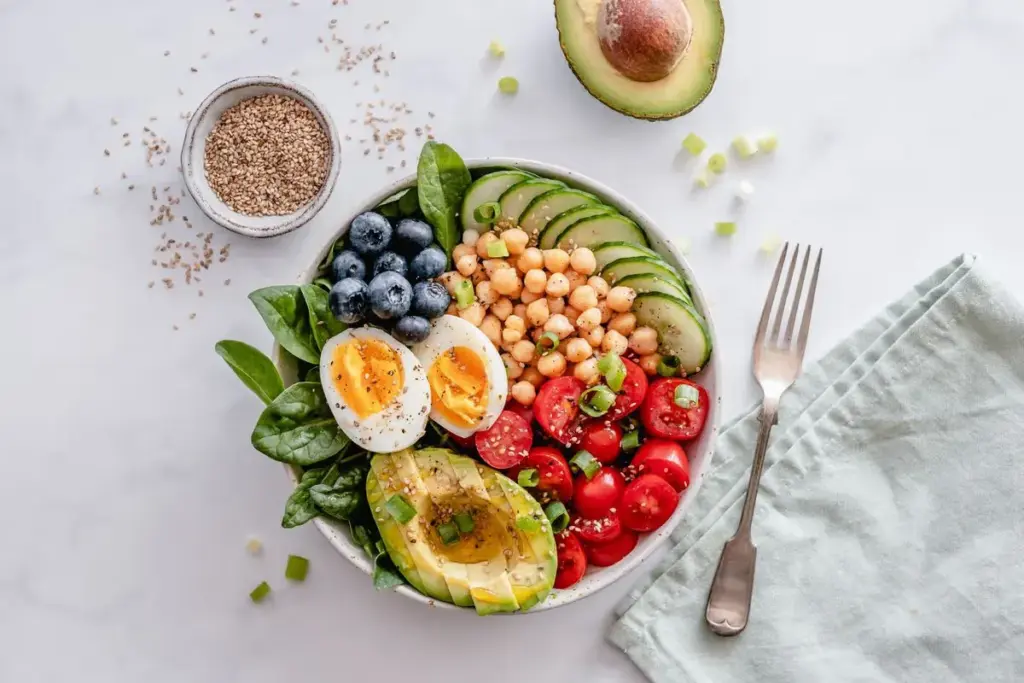
Oxidative stress happens when the body can’t handle harmful compounds. In vitiligo, it can destroy melanocytes, the cells that give skin color. Some foods can make oxidative stress worse by raising harmful compounds or lowering antioxidants.
Foods with advanced glycation end (AGE) products, like processed foods, can increase oxidative stress. Eating foods high in antioxidants, like vitamins C and E, can help reduce oxidative stress and protect melanocytes.
Pro-inflammatory Cytokines (IL-1α, TNF-α)
Pro-inflammatory cytokines, like IL-1α and TNF-α, are key in vitiligo. They cause inflammation and help destroy melanocytes. Some foods can make these cytokines worse, making vitiligo symptoms more severe.
Foods with saturated fats and refined sugars can increase these cytokines. But, foods with omega-3 fatty acids, like fatty fish, can reduce inflammation and help manage vitiligo.
Cellular Apoptosis Triggered by Food Compounds
Cellular apoptosis, or programmed cell death, is another way foods can affect vitiligo. Some compounds in food can make melanocytes die, worsening vitiligo. Knowing which foods can cause this is important for managing vitiligo through diet.
Staying away from foods that cause apoptosis and eating foods that support melanocytes is vital for vitiligo self-care.
Foods High in Phenols and Tannins
Research shows a complex link between diet and skin health in vitiligo. Phenols and tannins, found in many foods, can greatly affect vitiligo symptoms.
The Science Behind Phenol Sensitivity
Phenol sensitivity happens when the body reacts to phenolic compounds. These compounds are common in some fruits, nuts, and seeds. This reaction can make vitiligo symptoms worse for some people.
Phenol sensitivity is thought to be related to how well the body processes these compounds. Some people might not be able to handle phenols well, leading to skin problems.
Common Fruits with High Phenol Content
Fruits are a big source of dietary phenols. Some fruits with high phenol levels include:
- Mangoes
- Cashews (though technically a fruit, often considered a nut)
- Pineapples
- Apples
These fruits can be good in small amounts but might cause problems for those with vitiligo.
Nuts and Seeds That May Trigger Symptoms
Nuts and seeds also have a lot of phenols and tannins. Some examples are:
|
Nut/Seed |
Phenol Content |
|---|---|
|
Cashews |
High |
|
Pistachios |
High |
|
Walnuts |
Moderate |
People with vitiligo should know about these foods and watch how their body reacts to them.
Understanding the role of phenols and tannins in vitiligo helps people make better food choices. This can help manage their symptoms.
Tropical Fruits That May Worsen Vitiligo
Tropical fruits are often seen as healthy. But, some types can make vitiligo worse because of their phenol content. Phenols can cause oxidative stress, harming melanocytes and making the condition worse.
Mangoes and Their Effect on Melanocytes
Mangoes have a lot of phenols. This can harm melanocytes and make vitiligo symptoms worse. The phenols in mangoes can lead to oxidative stress, damaging melanocytes.
Key compounds in mangoes that may impact vitiligo include:
- Urushiol, a known allergen that can cause skin reactions
- Phenolic acids, which may contribute to oxidative stress
Other Tropical Fruits to Monitor
Other tropical fruits can also worsen vitiligo symptoms. These include:
- Pineapples, which are rich in phenolic compounds
- Papayas, known for their high vitamin C content, which can act as a pro-oxidant in certain contexts
- Passion fruits, which contain various phenolic acids
Knowing about these fruits can help people with vitiligo make better food choices. This can help manage their condition.
Berries and Their Impact on Skin Health
Berries are packed with antioxidants and phenols, but they can be a mixed bag for people with vitiligo. They are generally good for you because of their antioxidants. But, some berries might make vitiligo symptoms worse for others.
Cherries, Raspberries, and Blackberries
Cherries, raspberries, and blackberries have a lot of phenols. They are full of anthocyanins and other polyphenols. These can be both good and bad for people with vitiligo because of their phenolic compounds.
A study in the Journal of Investigative Dermatology found that some dietary phenols might affect melanocytes. This could link high phenol intake to more active vitiligo.
Cranberries and Other Berry Varieties
Cranberries, while not as common, can also affect skin health. They have a lot of proanthocyanidins, which are good for your urinary tract. But, they might also cause oxidative stress in some people.
Other berries like blueberries and strawberries have different phenols. They might be less likely to cause problems for people with vitiligo. But, everyone reacts differently, so it’s important to find what works for you.
|
Berry Type |
Phenol Content |
Potential Impact on Vitiligo |
|---|---|---|
|
Cherries |
High |
May trigger symptoms |
|
Raspberries |
High |
May trigger symptoms |
|
Cranberries |
Moderate to High |
Variable impact |
|
Blueberries |
Moderate |
Less likely to trigger symptoms |
In summary, berries are good for you but might not be right for everyone with vitiligo. Keeping track of what you eat and how you feel can help you figure out which berries are okay for you.
Nuts and Seeds That Can Trigger Flare-ups
Certain nuts and seeds can cause vitiligo flare-ups because they have a lot of phenols. Phenols can make oxidative stress worse and harm melanocytes.
Cashews and pistachios have a lot of phenols. Eating a lot of these nuts might make vitiligo symptoms worse. Studies show that phenols in these nuts can start an immune response and damage melanocytes.
Cashews and Pistachios: Why They Matter
Cashews and pistachios are tasty snacks but have a lot of phenols. “The phenolic compounds in these nuts can induce oxidative stress, which is harmful to melanocytes.” Research links eating phenols to more vitiligo activity.
If you have vitiligo, watching how much cashews and pistachios you eat might help. Try not eating them for a while to see if your symptoms change.
Other Nuts and Their Possible Effects
Other nuts might also affect vitiligo. For example:
- Walnut: High in phenols and potentially pro-inflammatory.
- Pecans: May contribute to oxidative stress due to their phenol content.
- Hazelnuts: Known to contain phenolic compounds that could affect vitiligo.
People with vitiligo should know about these nuts and control their diet. As one expert says,
“Managing vitiligo through diet involves understanding the impact of various foods, including nuts and seeds, on the condition.”
Being careful about nuts and trying an elimination diet might help manage symptoms. This could reduce how often flare-ups happen.
Processed Foods and Inflammatory Responses
Processed foods are common in today’s diet, but they can harm vitiligo. These foods can cause inflammation, making vitiligo symptoms worse. It’s important to understand how processed foods affect vitiligo to manage it better.
Processed Meats and Nitrates
Processed meats like sausages and bacon have nitrates and nitrites. These can cause oxidative stress and inflammation. Research shows that eating processed meat can increase inflammation, which can harm melanocytes and worsen vitiligo.
Eating less processed meat can help reduce inflammation. Try nitrate-free options or choose fresh, unprocessed meats instead.
Refined Grains and White Bread
Refined grains, like white bread, lack nutrients because they’re processed. This can lead to high blood sugar and insulin resistance, causing inflammation. Inflammation can harm skin health and make vitiligo symptoms worse.
Switching to whole grains can help. Whole grains like brown rice, quinoa, and whole-wheat bread are full of fiber and nutrients. They support health and may help manage vitiligo.
Sodas, Desserts, and Artificial Additives
Sodas and desserts are full of sugar and artificial additives. These can start or worsen inflammation. Their high sugar content causes blood sugar spikes and insulin surges, leading to inflammation.
Limiting sugary drinks and desserts can reduce inflammation. Avoid products with artificial additives. Choose natural sweeteners and read labels to manage vitiligo through diet.
Gluten and Dairy: Possible Vitiligo Triggers
Gluten and dairy might cause vitiligo to get worse. They can lead to autoimmunity and inflammation. Knowing how they affect vitiligo is important.
The Gluten-Autoimmunity Connection
Gluten is in wheat, barley, and rye. It can start an autoimmune reaction in some people. This can make inflammation worse and hurt conditions like vitiligo.
Key Findings:
- Gluten can start an immune reaction, making vitiligo symptoms worse.
- Not eating gluten might lower inflammation and help skin health.
|
Gluten-Related Effects |
Impact on Vitiligo |
|---|---|
|
Increased inflammation |
Worsening of symptoms |
|
Autoimmune response |
Potential flare-ups |
|
Dietary elimination |
Possible reduction in symptoms |
Dairy Products and Their Effect on Skin Health
Dairy has proteins and hormones that can affect skin health. They might make vitiligo symptoms worse. Some research links dairy to more inflammation and immune problems.
Considerations for Dairy Consumption:
- Some people might be sensitive to dairy proteins like casein.
- Dairy hormones could change skin color.
Knowing how gluten and dairy relate to vitiligo helps people make better food choices. This can help manage their condition. Being careful about these foods might lessen flare-ups.
Spices and Herbs That May Aggravate Symptoms
Spices and herbs add flavor to our food but might also affect vitiligo. This condition causes skin to lose its color. Some foods can make it worse.
Red Chillies and Other Hot Spices
Red chillies and hot spices have a lot of phenols. Phenols can cause oxidative stress. This stress can harm the cells that make skin color. Eating too much of these spices might make vitiligo symptoms worse.
Cayenne pepper and paprika are also hot spices. They make food taste good but should be eaten in small amounts if you have vitiligo.
Herbs with High Phenol Content
Some herbs have a lot of phenols and can affect vitiligo. Turmeric has curcumin, which is good for health but might be bad for vitiligo. Its phenol content is a concern.
Ginger and garlic are also high in phenols. They’re good for cooking and health but might trigger or worsen vitiligo symptoms.
Knowing how spices and herbs affect vitiligo is important. It helps manage the condition. Being aware of what might trigger symptoms helps make better food choices.
Beverages That Can Worsen Vitiligo
It’s important to know how drinks can affect vitiligo. Some drinks, like those with caffeine or alcohol, can make symptoms worse. This is because they can cause more stress and inflammation.
Tea, Coffee, and Other Caffeinated Drinks
Tea and coffee are common in our daily lives. But, they might not be good for people with vitiligo. Caffeine can make the nervous system work harder, which might stress the body more. Moderation is key when drinking these.
A study on diet for vitiligo shows that diet can affect the condition. While research on caffeine and vitiligo is ongoing, too much caffeine can increase stress. This might make symptoms worse.
Alcoholic Beverages and Their Impact
Drinks with alcohol can also affect vitiligo. Alcohol can lead to inflammation and stress, making symptoms worse. “Reducing or avoiding alcoholic beverages may be beneficial for individuals with vitiligo.”
A study mentioned the risks:
“Excessive alcohol consumption is associated with increased oxidative stress and inflammation, which can negatively impact various health conditions, including vitiligo.”
People with vitiligo should watch what they drink. Keeping a food and symptom journal can help find out what triggers their symptoms, including certain drinks.
Strategies to Help Reverse Vitiligo Through Diet
Eating certain foods can help your skin and might even reverse vitiligo. Foods high in antioxidants, omega-3 fatty acids, and other nutrients can fight oxidative stress and inflammation. These are important for managing vitiligo.
Anti-inflammatory Foods That Support Skin Health
Anti-inflammatory foods are key for less inflammation and better skin health. Fatty fish like salmon and sardines are full of omega-3 fatty acids, which fight inflammation well. Also, leafy greens such as spinach and kale have antioxidants that fight oxidative stress.
Turmeric and ginger are also good for your skin. Turmeric has curcumin, which is anti-inflammatory. Ginger helps reduce inflammation and aids in healing.
Foods Rich in Melanin-Supporting Nutrients
Melanin is important for skin color, and some nutrients help make it. Vitamin C is key for melanin, and foods like citrus fruits and berries are full of it. They help with melanin production.
Copper in shellfish and nuts and vitamin E in almonds and sunflower seeds also support melanin. Eating these foods can help with melanin production and might improve vitiligo symptoms.
A healthcare professional said, “A well-balanced diet rich in essential nutrients can play a significant role in managing vitiligo.”
“Dietary interventions can be a valuable adjunct to traditional treatments for vitiligo, helping to reduce symptoms and improve quality of life.”
How to Prevent Vitiligo Progression Through Nutrition
Eating a balanced diet is key to keeping melanocytes healthy and stopping vitiligo from getting worse. Good nutrition helps the body keep skin healthy and may lessen vitiligo symptoms.
Micronutrients That Support Melanocyte Function
Vitamins like vitamin D and B12 are important for melanocytes. Vitamin D helps control the immune system and might help with vitiligo. A study found that not having enough vitamin D is linked to autoimmune diseases, including vitiligo.
“Vitamin D is vital for immune cell regulation and keeping skin healthy.”
Nature Reviews Disease Primers
Vitamin B12 is needed for making melanin. Minerals like copper and zinc help with melanin production too.
Creating a Balanced Diet Plan for Prevention
To make a good diet, eat foods full of important nutrients. Antioxidant-rich foods like fruits and veggies can fight oxidative stress. This stress might make vitiligo worse.
- Eat a variety of colorful veggies and fruits for lots of vitamins and minerals.
- Choose lean proteins and omega-3 rich foods for better health.
- Stay away from too many processed foods and foods with phenols and tannins. They might make vitiligo symptoms worse.
By eating well and knowing which nutrients are important, you can help stop vitiligo from getting worse. This supports your skin’s health too.
Identifying Your Personal Food Triggers
Finding out which foods make vitiligo symptoms worse is key. It’s not just about medical treatment. Changing your diet also plays a big role in managing symptoms.
How to Implement an Elimination Diet
An elimination diet helps find foods that might trigger or make vitiligo symptoms worse. You remove possible problem foods from your diet for a while. Then, you add them back one at a time to see if they cause any issues.
Steps to Follow:
- Start by removing foods like gluten, dairy, and processed foods for 2-3 weeks.
- Keep a detailed food and symptom journal during this time.
- Slowly add back the foods you removed, watching for any symptom changes.
- Write down your observations to spot any patterns.
Keeping a Food and Symptom Journal
A food and symptom journal is a great tool. It helps you see how your diet affects your vitiligo symptoms. By noting what you eat and any symptoms that follow, you can find out which foods might be causing problems.
Key Elements to Record:
- All foods and drinks you consume.
- When you eat and snack.
- Any symptoms you experience, including how bad they are.
- Any changes in your medication or supplements.
|
Food Item |
Date Consumed |
Symptoms Noted |
Severity |
|---|---|---|---|
|
Gluten-containing bread |
March 10 |
Increased skin patches |
Moderate |
|
Dairy products |
March 12 |
No significant change |
N/A |
|
Processed snacks |
March 15 |
Worsening of symptoms |
Severe |
By using an elimination diet and keeping a detailed journal, people with vitiligo can learn a lot. They can find out which foods trigger their symptoms. This helps them manage their condition better.
Vitiligo Self-Care: Beyond Diet
Managing vitiligo goes beyond just what you eat. It’s about combining diet with natural remedies and lifestyle changes. While food choices are important, they’re just one piece of the puzzle. A full self-care plan can help control symptoms better.
Combining Dietary Changes with Natural Remedies
Natural remedies can boost the effects of diet changes. They help in treating vitiligo. Some of these include:
- Herbal Supplements: Herbs like Turmeric and Ginkgo Biloba have anti-inflammatory effects. They might help manage vitiligo symptoms.
- Topical Treatments: Using creams or ointments with natural ingredients can soothe the skin. It might also lessen vitiligo symptoms.
Lifestyle Factors That Complement Dietary Management
Changing your lifestyle is key to managing vitiligo. Stress, for example, can make symptoms worse. Stress-reducing activities like meditation, yoga, and deep breathing can help.
Other lifestyle changes to think about are:
- Sun Protection: Keeping your skin safe from too much sun can stop more depigmentation. Use sunscreen with high SPF and wear protective clothes.
- Avoiding Harsh Chemicals: Cutting down on harsh chemicals and toxins can lower the risk of making symptoms worse.
By adding natural remedies and lifestyle changes to your diet, you can take a more complete approach to managing vitiligo.
Practical Meal Planning for Vitiligo Management
Planning meals is key to controlling vitiligo symptoms and improving skin health. Choosing foods that help melanocytes and avoiding triggers is important. This helps manage the condition better.
Sample Meal Plans That Avoid Trigger Foods
Creating a meal plan without common trigger foods is vital for managing vitiligo. Trigger foods differ for everyone, but some are known to cause flare-ups. These include foods high in phenols and tannins.
A sample meal plan might include:
- Breakfast: Oatmeal with almond milk and sliced banana
- Lunch: Grilled chicken breast with quinoa and steamed vegetables
- Dinner: Baked salmon with sweet potato and green beans
It’s important to rotate foods to prevent new sensitivities. This ensures a balanced diet.
Shopping Tips and Food Substitutions
When shopping, read labels to avoid trigger foods. Shopping tips include:
- Choosing fresh, organic produce whenever possible
- Avoiding processed and packaged foods that may contain hidden triggers
- Opting for gluten-free grains if gluten sensitivity is a concern
For those avoiding certain foods, food substitutions are helpful. For example, apples or berries can replace citrus fruits to manage phenol intake.
By using these strategies, people with vitiligo can manage their condition through diet.
Conclusion: Creating a Personalized Approach to Vitiligo Diet Management
Creating a personalized approach to managing vitiligo through diet is key. A plan that includes dietary changes, natural remedies, and lifestyle factors can help manage vitiligo well.
Understanding the link between diet and vitiligo helps make better choices for skin health. A personalized diet plan can reduce symptoms and improve overall health.
To make an effective plan, mix anti-inflammatory foods, nutrients that support melanin, and natural remedies for vitiligo. This approach can lead to better treatment outcomes and possibly a cure for vitiligo.
A well-thought-out diet management strategy, along with a personalized approach, can greatly improve life for those with vitiligo.
FAQ
What is vitiligo and how does diet affect it?
Vitiligo is an autoimmune condition that causes the loss of skin pigment. Diet plays a big role in managing it. Certain foods can make symptoms worse.
How can I identify my personal food triggers for vitiligo?
To find your food triggers, try an elimination diet. Keep a food and symptom journal. This helps track any changes in your symptoms.
Are there any specific foods that can worsen vitiligo?
Yes, foods high in phenols, tannins, and certain spices can make symptoms worse. Mangoes, cashews, and processed meats are examples.
Can dietary changes help reverse vitiligo?
Dietary changes can help manage vitiligo, but there’s no cure. Eating anti-inflammatory foods and nutrients that support melanin production can help symptoms.
What micronutrients are essential for preventing vitiligo progression?
Vitamins D, copper, and zinc support melanocyte function. They can help prevent vitiligo from getting worse. It’s important to get enough of these nutrients through a balanced diet.
How can I create a personalized diet plan for vitiligo management?
To make a personalized diet plan, identify your food triggers. Focus on anti-inflammatory foods and nutrients that support melanin production. Getting help from a healthcare professional or registered dietitian can also be helpful.
Are there any natural remedies that can complement dietary management for vitiligo?
Yes, natural remedies like curcumin, ginkgo biloba, and stress management can help. They can complement dietary management and alleviate symptoms.
Can gluten and dairy trigger vitiligo symptoms?
For some, gluten and dairy can trigger symptoms due to autoimmunity and inflammation. An elimination diet can show if these foods are triggers.
How can I incorporate melanin-rich foods into my diet?
There are no foods that directly contain melanin. But, eating foods rich in nutrients that support melanin production is beneficial. Vitamin C, vitamin E, and copper are good examples.
What are some practical tips for meal planning to manage vitiligo?
Use sample meal plans that avoid trigger foods. Follow shopping tips and food substitutions. Focus on whole, nutrient-dense foods to manage vitiligo through diet.
References:
Vitiligo and diet: A theoretical molecular approach with practical implications — Indian Journal of Dermatology, Venereology and Leprology. This article lists foods like mango, cashew, pistachio, red chillies, cherry, raspberry, cranberry, blackberry and tea as containing phenols and polyphenolic compounds that may aggravate vitiligo.IJDVL
The Role of Nutrition, Supplements, and the Gut Microbiome in Vitiligo — Journal of Integrative Dermatology. Discusses how nutrition and diet‐derived compounds influence oxidative stress and inflammation in vitiligo, and how certain foods might worsen the condition.Journal of Integrative Dermatology
Dietary Interventions, Supplements, and Plant-Derived Compounds for Vitiligo — MDPI Nutrients. This review covers how dietary plant phenols, antioxidant rich foods, and dietary fats relate to vitiligo risk and management, including foods that may worsen oxidative stress.MDPI
Polyphenols targeting multiple molecular targets and pathways for the treatment of vitiligo — PMC (Public Library of Science). Focuses on how polyphenols in certain foods may either help or, in some contexts, exacerbate disease via effects on melanocytes and oxidative stress.PMC



 Departments
 Related Videos
 Our Doctors
 News
News