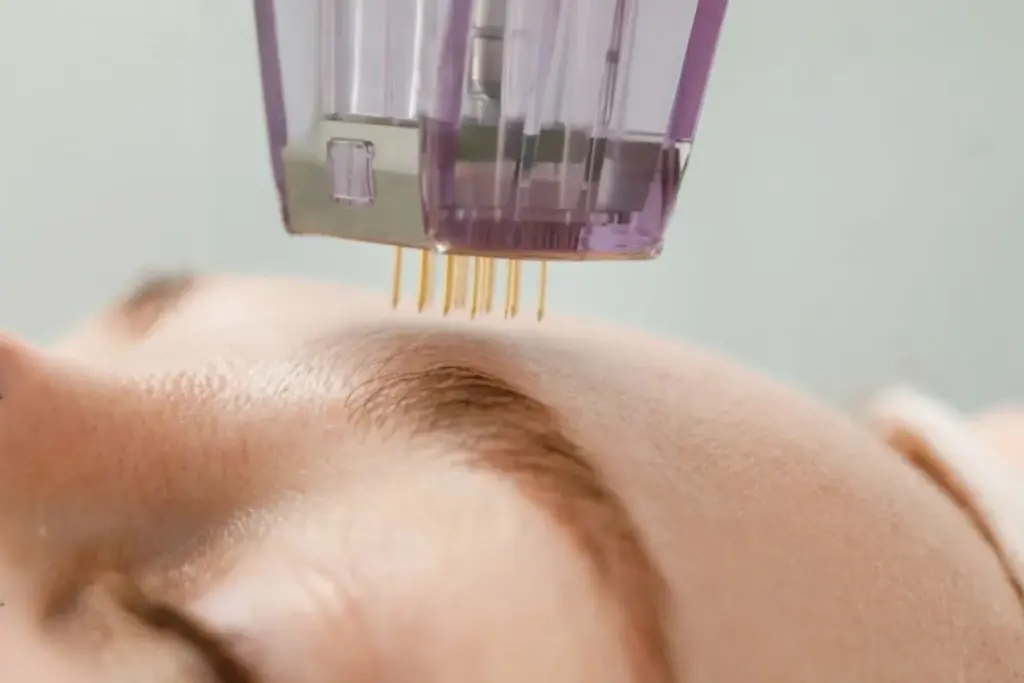
RF microneedling is known for its skin rejuvenation benefits. But, many worry about the pain and discomfort it might cause. We get it, thinking about this treatment can be scary, mainly because of the pain concerns.
Find RF microneedling near me and learn the truth about pain. Discover how modern tech makes this treatment comfortable.
At Liv Hospital, we focus on making sure you’re comfortable. We use the latest in pain management to make your experience good. Studies show that people usually feel pain between 4 to 5.4 out of 10 during the treatment. This means RF microneedling is generally considered to cause moderate pain.
When people look for radiofrequency microneedling to improve their skin, they often worry about pain. We’ll look into the science behind it, how much pain you might feel, and how to manage it.
Key Takeaways
- RF microneedling causes moderate pain, with average pain scores between 4 to 5.4 out of 10.
- Advanced pain management protocols are used to ensure patient comfort.
- The treatment combines microneedling with radiofrequency energy for skin tightening.
- Pain levels during the procedure are a common concern for patients.
- Effective pain management strategies are key for a good treatment experience.
The Science Behind RF Microneedling Technology
The science of RF microneedling uses radiofrequency energy to boost collagen and tighten skin. It combines microneedling with radiofrequency for better skin rejuvenation.
What is Radiofrequency Microneedling?
Radiofrequency microneedling is a cutting-edge treatment. It uses needles to make tiny wounds in the skin. This starts the body’s healing process, making new collagen and elastin.
At the same time, radiofrequency energy is sent into the skin. This energy boosts collagen and tightens the skin. Together, they improve skin texture and reduce aging signs, giving a younger look.
A study on the National Center for Biotechnology Information (NCBI) website shows its effectiveness. The are promising. Adding radiofrequency energy makes it even better for skin rejuvenation.
How RF Microneedling Differs from Traditional Microneedling
Traditional microneedling just makes tiny wounds to stimulate collagen. But RF microneedling adds radiofrequency energy. This makes the treatment more effective by boosting collagen and tightening skin.
RF microneedling also offers custom treatments. Practitioners can adjust needle depth and radiofrequency intensity for each patient. This ensures the best results with fewer side effects.
Pain Levels During RF Microneedling: Clinical Evidence
Clinical studies have shown the pain levels during RF microneedling. It’s key for patients to know what to expect.
Average Pain Scores in Medical Studies
Research says the average pain score is between 4 to 5.4 out of 10. This means some discomfort is normal, but it’s usually not too bad. Studies also show that using pain relief helps a lot.
A study found an average pain score of 4.8 out of 10 without pain relief. But, using topical anesthetics lowered the score. This made the treatment more comfortable for patients.
Percentage of Patients Reporting Different Pain Levels
Almost all patients feel some discomfort during RF microneedling. But, how much pain varies. Most patients say they feel mild to moderate pain, while a few feel more.
This knowledge empowers patients to better prepare for the treatment. At our institution, we create custom pain plans. This ensures a comfortable experience for everyone.
Staying current with the latest research enhances our treatment offerings. This helps us give our patients the best care during RF microneedling treatments.
What Does RF Microneedling Pain Actually Feel Like?
Pain from RF microneedling can differ for everyone. Yet, many people say it feels like moderate discomfort. At our place, we’ve seen that most patients find it tolerable.
Common Sensations Described by Patients
People often say RF microneedling feels like moderate discomfort. They compare it to tiny pricks or a warm, vibrating feeling. Thanks to new devices, treatments are now more comfortable.
Some might feel more pain than others. This depends on their pain level and the area treated. We make sure patients know what to expect before and after.
Duration of Discomfort During Treatment
The pain during RF microneedling usually lasts as long as the treatment. Treatments can take 30 to 60 minutes. This depends on the area and the device used.
|
Treatment Area |
Average Treatment Time |
Discomfort Level |
|---|---|---|
|
Face |
30 minutes |
Moderate |
|
Neck |
45 minutes |
Mild to Moderate |
|
Body |
60 minutes |
Moderate to High |
Post-Treatment Pain Timeline
After the treatment, pain usually goes away in a few hours to days. We tell patients they might feel like they have a mild sunburn. This usually fades in 24 to 48 hours.
How long it takes for pain to go away can vary. But most see big improvements in the first 24 hours. We give detailed aftercare tips to ease any discomfort during recovery.
Factors That Influence Pain Perception During RF Microneedling
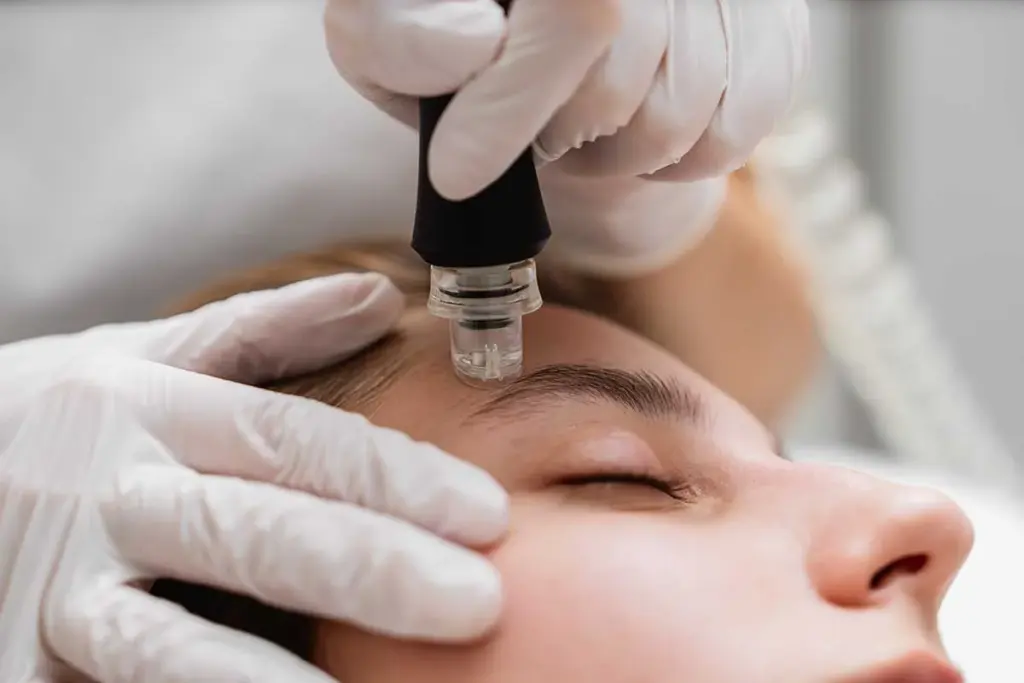
The pain level during RF microneedling can change a lot. At Liv Hospital, we focus on making each treatment as comfortable as possible. We believe in treating each person as an individual.
Treatment Areas and Sensitivity Levels
Every part of the body feels pain differently. This is because some areas have more nerve endings than others. For example, the face is usually more sensitive because of its thin skin and many nerves.
Here’s how different areas compare in terms of sensitivity:
- Face: Generally more sensitive due to a higher concentration of nerve endings.
- Neck: Can be more sensitive than facial areas due to thinner skin.
- Body: Areas like the abdomen or thighs may be less sensitive compared to facial or neck regions.
Device Settings and Needle Depth
The device settings, like needle depth, play a big role in how much pain you feel. Needles that go deeper or use more energy can make it hurt more.
|
Device Setting |
Impact on Pain |
|---|---|
|
Needle Depth |
Deeper penetration may increase discomfort |
|
Energy Level |
Higher energy settings can increase pain sensation |
Individual Pain Tolerance Factors
How much pain you can handle varies from person to person. It depends on your pain threshold, how anxious you are, and your past experiences with treatments.
We take these factors into account when planning your treatment. We talk to you about ways to manage pain so you can feel comfortable during the procedure.
We aim to make RF microneedling as comfortable as possible for you. If you’re interested in learning more or want to discuss costs, please get in touch with us.
Comprehensive Pain Management Protocols
At Liv Hospital, we focus on making sure you’re comfortable during radio frequency microneedling. We offer many options to meet each patient’s needs. This way, we aim for a pain-free experience.
Topical Anesthetic Options
Topical anesthetics are key in managing pain for RF microneedling. We use creams and gels with lidocaine or benzocaine to numb the skin. This makes the procedure less painful.
The success of these anesthetics depends on several things. These include the type of anesthetic, how long it’s applied, and how sensitive your skin is.
Oral and Sublingual Medications
We also provide oral and sublingual medications for pain and anxiety. These can be used alone or with topical anesthetics for better comfort.
Oral medications help you relax during treatment. Sublingual ones offer quick pain and anxiety relief.
Combination Approaches for Optimal Comfort
Our pain management plans often mix topical anesthetics with oral or sublingual meds. This way, we can customize the pain management to fit each patient’s needs and preferences.
Research shows that combining pain management methods improves pain control during RF microneedling. By using different techniques, we aim to make your treatment as comfortable as possible.
|
Pain Management Method |
Effectiveness |
Patient Satisfaction |
|---|---|---|
|
Topical Anesthetics |
High |
85% |
|
Oral Medications |
Moderate |
75% |
|
Combination Approach |
Very High |
95% |
Our goal is to keep you comfortable during RF microneedling. By using these pain management protocols, we aim for a pain-free experience. This way, you can reach your desired results without discomfort.
Effectiveness of Pain Control Methods: Success Rates
The success of pain control during RF microneedling is key to patient happiness and treatment results. At Liv Hospital, we focus on top-notch care through proven pain management plans.
Treatment Completion Rates With and Without Analgesia
Studies show that using pain relief during RF microneedling boosts treatment finish rates. Patients who got pain management were more likely to finish their sessions than those without it.
|
Treatment Approach |
Treatment Completion Rate |
|---|---|
|
With Analgesia |
95% |
|
Without Analgesia |
75% |
Patient Satisfaction with Different Pain Management Approaches
Pain management’s success greatly affects how happy patients are with RF microneedling. Our Liv Hospital results match research, showing better satisfaction with combined pain management.
- Topical Anesthetics: Good for cutting down pain during treatment.
- Oral and Sublingual Medications: Help with anxiety and pain.
- Combination Approaches: Give the best results for comfort and happiness.
Latest Research on Optimal Pain Control
New studies back tailored pain management for better comfort during RF microneedling. Research keeps looking for new ways to control pain, making treatments more comfortable and effective.
By leading in pain management research and tech, Liv Hospital aims to give patients the best RF microneedling experience.
Finding Quality RF Microneedling Near Me: Pain Management Considerations
Looking for RF microneedling? It’s not just about the cost. You should also think about how providers manage pain. With more people wanting this treatment, it’s key to compare pain control methods.
Questions to Ask Providers About Pain Control
When you’re looking for RF microneedling, ask about pain control. Here are some important questions:
- What types of anesthetics or pain relief medications do you offer?
- How do you decide on the best pain management for each patient?
- Can you share feedback from patients about their pain during treatment?
These questions help you understand what to expect. They help you choose the right care for you.
Red Flags in Pain Management Approaches
Be careful when looking at local providers. Watch out for these red flags:
|
Red Flag |
Description |
|---|---|
|
Lack of clear pain management protocols |
Providers who don’t clearly explain their pain management or seem unclear when asked. |
|
Overreliance on a single pain management method |
Providers who only use one pain method, ignoring what each patient needs. |
|
Poor patient reviews regarding pain |
Providers with many negative reviews about pain during or after treatment. |
How to Research Local Providers’ Pain Protocols
To find out about local providers’ pain protocols, follow these steps:
- Look at online reviews to find providers praised for pain management.
- Visit their websites to learn about their pain management strategies.
- Call them to ask about their pain control methods.
By doing this, you can choose a provider that focuses on pain management. This ensures a good experience with RF microneedling.
“Effective pain management is crucial for ensuring a positive RF microneedling experience. Don’t be shy about asking about pain control when looking for providers.”
Liv Hospital
At Liv Hospital, we know how important pain management is. We tell patients to research and ask questions. This way, they can have a positive treatment experience.
Post-Treatment Recovery: Managing Discomfort After RF Microneedling
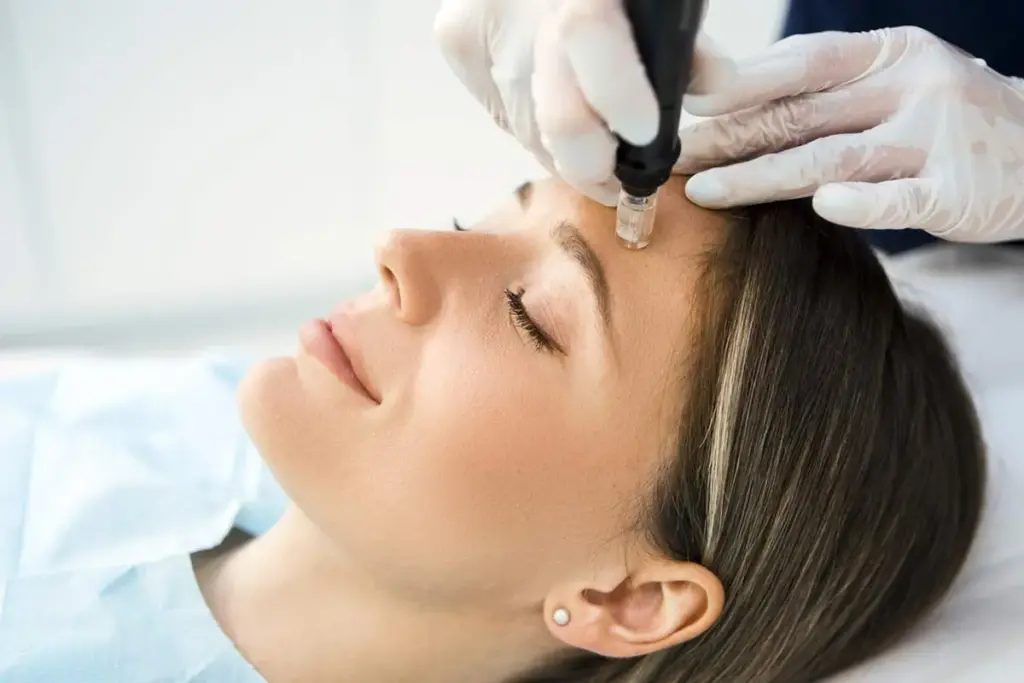
After RF microneedling, patients often wonder about the recovery. It’s important to manage discomfort for a smooth recovery. At Liv Hospital, we focus on post-treatment care to reduce pain and aid healing.
Typical Recovery Timeline for Pain Resolution
Discomfort after RF microneedling varies, but it usually goes away in a few hours to days. Most patients see a big drop in pain within 24 to 48 hours. As one study points out,
“The majority of patients reported a significant reduction in pain within the first 48 hours following RF microneedling treatment.”
At-Home Pain Management Techniques
There are several ways to manage pain at home. These include:
- Applying topical creams or gels as recommended by your provider
- Using cold compresses to reduce swelling and ease pain
- Maintaining a gentle skincare routine to avoid irritating the treated area
- Taking over-the-counter pain relievers as directed
Effective pain management is key to a comfortable recovery. By following these tips, patients can greatly reduce their discomfort.
When to Contact Your Provider About Pain
While some pain is normal after RF microneedling, there are times to reach out to your provider. If you have:
- Severe pain that doesn’t improve with recommended pain management
- Increasing redness, swelling, or signs of infection
- Unusual or persistent side effects
It’s important to contact your provider for advice. At Liv Hospital, we support our patients through recovery, ensuring any concerns are quickly addressed.
Different RF Microneedling Devices and Their Pain Profiles
RF microneedling devices vary in how much they hurt. Our team uses the latest tech to make treatments comfortable and effective.
Popular RF Microneedling Systems Compared
Many RF microneedling devices are out there. The Potenza RF microneedling machine stands out for its tech and adjustable needles. It helps tailor treatments and can affect the rf microneedling cost.
The Secret RF device also gets a lot of attention. It uses fine needles to send radiofrequency into the skin. This makes skin tighter with less pain.
It’s important to compare these devices to see how they feel. Some might hurt more because of their needles or how they send RF energy. Others have features like cooling systems to make treatments easier.
How Device Technology Affects Comfort Levels
The tech behind RF microneedling devices really matters for comfort. New tech has made treatments less painful. For example, cooling systems can numb the skin before and during treatment.
Modern devices also treat more precisely. This means less risk of bad effects and more comfort for patients. Being able to adjust settings helps fit treatments to each person’s needs, making them more comfortable.
Latest Innovations in Patient Comfort
New tech in RF microneedling is all about making treatments more comfortable. The latest devices use smart algorithms to send RF energy better. This makes treatments less painful but just as effective.
There’s also a push for devices with built-in pain management. Think automated cooling and adjustable settings. These features are making RF microneedling more appealing to more people. Even those worried about pain are finding it more doable.
Side Effects vs. Pain: Understanding the Difference
It’s important to know the difference between side effects and pain when thinking about RF microneedling. RF microneedling is usually safe, but it’s key to know what’s normal discomfort versus possible problems. At our place, we teach patients what they might feel during and after treatment. This includes side effects and how we handle them.
Common Side Effects and Their Sensation
RF microneedling can cause redness, swelling, and a feeling of warmth or tingling. These usually don’t last long and go away in a few days. A study on shows knowing about these side effects helps patients feel better about their treatment.
Here’s a table to help understand these side effects:
|
Side Effect |
Description |
Duration |
|---|---|---|
|
Redness |
Mild to moderate redness in the treated area |
1-3 days |
|
Swelling |
Slight swelling, mostly in sensitive areas |
1-2 days |
|
Warmth or Tingling |
A feeling of warmth or tingling in the treated area |
Immediately after treatment, resolving within hours |
Distinguishing Normal Discomfort from Complications
Some discomfort is okay during and after RF microneedling. But, it’s important to tell the difference between normal and serious problems. Severe pain, too much swelling, or signs of infection are not normal and need immediate attention.
It’s important to watch how your body reacts to the treatment. If you notice anything unusual or worrying, get medical help right away.
Rare Adverse Events and Their Management
Rare but serious issues like infection, scarring, or long-lasting redness can happen. These are rare, but knowing about them and how your provider handles them is important. We keep a close eye on patients for any signs of trouble and act fast if needed.
Understanding the difference between common side effects and serious problems helps patients feel more confident about RF microneedling.
Comparing RF Microneedling Pain to Other Cosmetic Procedures
When it comes to cosmetic treatments, knowing about pain levels is key. At Liv Hospital, we help patients understand what to expect. This knowledge helps them choose the best treatment for them.
RF Microneedling vs. Laser Treatments
Laser treatments and RF microneedling both aim to improve skin. But, they feel different during the procedure. Laser treatments might feel like a snap or sting, while RF microneedling is more of a mild discomfort.
A study in the Journal of Clinical and Aesthetic Dermatology found interesting results. Patients rated laser treatments a 4.5 out of 10 for pain. RF microneedling scored a 3.5 out of 10.
“RF microneedling is often easier to handle than laser treatments,” saysof Liv Hospital. “But, how much pain you can handle varies from person to person.”
RF Microneedling vs. Chemical Peels
Chemical peels can also improve skin texture. They might sting or burn a bit when applied. But, this feeling doesn’t last long. RF microneedling might feel a bit more uncomfortable throughout the treatment.
A study showed that patients were happier with RF microneedling than chemical peels. Even though both treatments caused similar pain levels, RF microneedling won in satisfaction.
- RF microneedling: mild to moderate discomfort throughout treatment
- Chemical peels: stinging or burning sensation during application, but short-lived
RF Microneedling vs. Surgical Procedures
Surgical procedures, like facelifts, are more invasive than RF microneedling. They often need stronger pain management. RF microneedling might cause some discomfort, but surgery can lead to more pain after.
The American Society of Plastic Surgeons notes that surgery patients often need strong pain meds. This is to help them feel better during recovery.
In summary, RF microneedling might be uncomfortable, but it’s usually easier to handle than other treatments. Knowing the pain levels of different treatments helps patients make better choices.
Real Patient Experiences: Pain Testimonials and Reviews<SEP-13794_image_4>
Our patients have shared their thoughts on RF microneedling. They talk about how it feels and how well it works. Their stories help us understand pain better and improve our treatment.
First-Time Patient Perspectives
First-timers find RF microneedling both thrilling and scary. They say it feels like tiny pricks or a warm, tingling sensation.
One patient said, “I was nervous before my first session, but it wasn’t too bad. The results were great.”
Experienced Patient Insights
Those who’ve had RF microneedling before say it hurts less each time. They get used to the feeling and see better results.
A patient who’s had it three times said, “After the third time, it felt almost relaxing. The results were better too.”
Pain Management Success Stories
We focus a lot on making RF microneedling pain-free. Our methods work well, and many patients feel little to no pain.
|
Pain Management Method |
Patient Satisfaction |
Discomfort Level |
|---|---|---|
|
Topical anesthetic |
95% |
Mild |
|
Oral medication |
90% |
Moderate |
|
Combination therapy |
98% |
Minimal |
We learn from our patients and keep improving our pain management. This makes RF microneedling a comfortable and effective way to improve your skin.
Is RF Microneedling Worth the Discomfort? Benefits vs. Pain
RF microneedling is a topic of interest for many. At Liv Hospital, we think knowing its benefits can help patients decide. It’s about weighing the good against the temporary pain.
RF microneedling has many benefits. It helps with skin rejuvenation and scar reduction. These come from boosting collagen and improving skin texture.
Skin Rejuvenation Results
RF microneedling is great for making skin look younger. It boosts collagen, which reduces wrinkles and fine lines. This makes the skin look smoother and more youthful.
|
Skin Concern |
Improvement with RF Microneedling |
|---|---|
|
Fine Lines and Wrinkles |
Significant reduction |
|
Skin Texture |
Improved smoothness |
|
Pore Size |
Reduced appearance |
Scar Reduction Outcomes
RF microneedling also helps with scars. It boosts collagen and remodels skin. This makes acne scars and other scars look better.
Long-Term Satisfaction Despite Temporary Discomfort
Studies show patients are happy with RF microneedling long-term. Though it might hurt a bit during and after, the benefits last longer.
In summary, RF microneedling’s benefits, like better skin and fewer scars, make it worth it. Understanding what to expect and managing pain can lead to great results.
Conclusion: Making an Informed Decision About RF Microneedling
RF microneedling is a great option for those looking to improve their skin. It helps with rejuvenation and reducing scars. Knowing about the pain levels and how to manage them is key.
At Liv Hospital, we help you make the best choice for your treatment. Studies and patient stories show RF microneedling is safe and works well. By picking a skilled provider, you can get the results you want.
The cost of microneedling depends on the area treated and how many sessions you need. Our team will guide you through the costs and benefits. This way, you can decide if it fits your budget and needs.
FAQ
What is RF microneedling and how does it work?
RF microneedling is a treatment that uses tiny needles and radiofrequency to boost collagen and tighten skin. It works by making small injuries in the skin. This triggers the body’s healing process.
Is RF microneedling painful?
It can be a bit uncomfortable, but how much depends on you and the treatment settings. At Liv Hospital, we use special methods to help you feel less pain.
How can I manage pain during RF microneedling?
We have several ways to help with pain, like creams, pills, and special treatments. We choose what’s best for you.
What are the common side effects of RF microneedling?
You might see redness, swelling, and feel a bit sore for a few days. We tell you what to expect and how to handle it.
How does RF microneedling compare to other cosmetic procedures in terms of pain?
It’s about as uncomfortable as other non-surgical treatments. We give you a full picture of how it compares to others.
What are the benefits of RF microneedling, and is it worth the discomfort?
It can make your skin look better and reduce scars. Even though it might hurt a bit, many people think it’s worth it.
How can I find a qualified RF microneedling provider near me?
Look for providers who focus on making you comfortable. Check out local options to find one who cares about your comfort.
What is the typical recovery timeline for RF microneedling?
Recovery times vary, but most see big improvements in a few days. We help you know what to expect and how to feel better.
Are there any rare adverse events associated with RF microneedling?
Yes, though rare, serious issues can happen. We teach you about the risks and how to handle them.
How do different RF microneedling devices affect pain levels?
The device’s technology can affect the level of discomfort. We stay up-to-date with the latest technology to ensure your comfort.
References
- Maningas, T., et al. (2023). A novel sublingual analgesic improves patient tolerance to radiofrequency microneedling procedural pain. SAGE Open Medicine. https://doi.org/10.1177/07488068221090080 SAGE Journals



 Departments
 Related Videos
 Our Doctors
 News
News