

Rheumatology treats musculoskeletal and autoimmune diseases, including arthritis, lupus, gout, and vasculitis.
Send us all your questions or requests, and our expert team will assist you.

Reactive arthritis is a condition that links infectious disease and autoimmunity. It is defined as a sterile inflammation of the joints that develops after an infection elsewhere in the body, usually in the gut or urinary tract. Unlike septic arthritis, where bacteria invade the joint, reactive arthritis happens when the immune system, after fighting an infection, mistakenly attacks the body’s own tissues. This is thought to occur because some bacterial proteins resemble those found in joints and tendons.
The way doctors view reactive arthritis has changed a lot in recent years. It was once seen as a short-term problem, but now it is recognized that it can become chronic and affect the whole body. Reactive arthritis is part of a group of diseases called spondyloarthropathies, which includes conditions like ankylosing spondylitis and psoriatic arthritis. A key factor is the HLA-B27 gene, which increases the risk of developing the disease after an infection, though it does not guarantee it will happen long after the initial infection has been cleared. This understanding opens the door for therapies that go beyond symptom suppression. The goal of advanced cellular interventions is to recalibrate the immune response, restoring the delicate balance between defense and tolerance. By targeting the cellular mediators of inflammation, regenerative strategies aim to halt the progression from an acute reaction to a chronic, destructive arthropathy.


The idea of post-infectious autoimmunity is important in regenerative medicine’s approach to reactive arthritis. It suggests that an infection can trigger an ongoing immune response in people who are at risk. After the infection, the immune system remains on high alert, attacking the joints, eyes, and urinary tract even though the original infection has resolved. Researchers are studying how leftover bacterial fragments or DNA in the joints may keep the immune system active, causing ongoing inflammation.
Regenerative immunology aims to interrupt this ongoing immune response. The goal is to use biological signals to tell the immune system that the infection is over. Mesenchymal stem cells are being studied because they can detect inflammation and release substances that calm the immune system and help repair tissues. This approach focuses on restoring balance in the body rather than just fighting symptoms.
Research in this area is very important, especially as antibiotic-resistant infections become more common. Complications like reactive arthritis are a growing public health issue. Scientists are studying how certain bacteria, such as Salmonella, Shigella, Yersinia, and Chlamydia, can lead to arthritis. By understanding the exact ways these bacteria affect the immune system, doctors can develop more personalized treatments that target the specific problems in each patient, rather than using general immune-suppressing drugs.

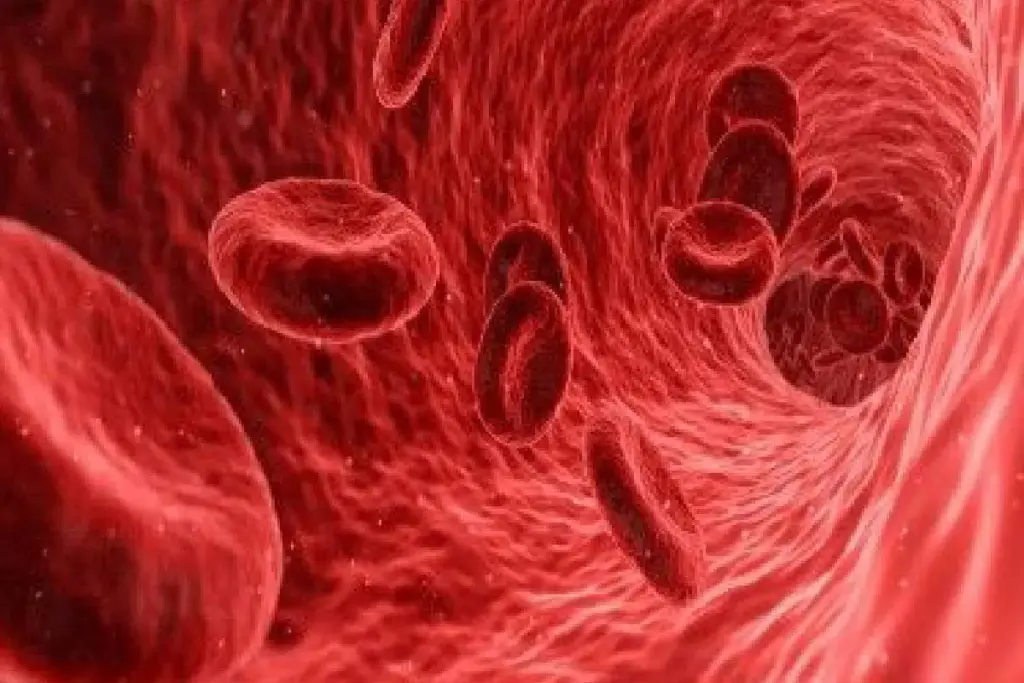
Reactive arthritis affects the whole body, not just the joints. The same immune problems that cause joint pain can also affect the skin, eyes, and mucous membranes. This happens because certain inflammatory molecules, such as TNF and IL-17, circulate in the blood and trigger ongoing, low-level inflammation. This can lead to tiredness, feeling unwell, and other health issues.
On a cellular level, reactive arthritis involves both the innate and adaptive immune systems. Dendritic cells present antigens to T cells, but in this disease, the process is abnormal or overactive. This leads to T cells entering the joints and tendon attachments, causing swelling and pain. If the inflammation continues, it can cause new bone to form or existing bone to wear away.
Regenerative medicine uses stem cells to help with the whole-body effects of reactive arthritis. These cells do not just replace damaged tissue; they release helpful substances that can reduce inflammation throughout the body. This is especially useful for symptoms outside the joints, like skin rashes and eye problems. By lowering overall inflammation, these treatments aim to improve energy and quality of life.

Care for patients with reactive arthritis has changed from a scattered approach to a more coordinated one. In the past, patients might have seen different specialists who did not communicate much. Now, medical centers often use a team approach, with doctors working together to treat the whole patient. This is important because symptom timing can vary, and good communication helps avoid delays in diagnosis.
Today’s care focuses on recognizing and treating reactive arthritis early. Acting quickly to control inflammation can help prevent long-term joint damage. If standard treatments do not work, doctors may consider regenerative therapies. These are now seen as a way to change the course of the disease, especially for patients with ongoing tendon or joint problems.
Educating patients is a key part of modern care. When patients understand how infections can lead to arthritis, they can take steps to protect their health. They learn about the importance of gut and urinary health, as well as lifestyle changes, physical therapy, and new treatments. This well-rounded approach helps support all aspects of a patient’s health, from the cellular level to daily life.

Send us all your questions or requests, and our expert team will assist you.
The primary distinction lies in the presence of active infection within the joint. Septic arthritis is caused by live bacteria or other pathogens invading the joint space, requiring immediate drainage and antibiotics. Reactive arthritis is a sterile inflammation; the joint fluid contains inflammatory cells but no live bacteria. It is an autoimmune response triggered by an infection elsewhere in the body, such as the gut or urinary tract.
Reactive arthritis is not purely genetic, but there is a strong genetic predisposition. The presence of the HLA-B27 genetic marker significantly increases the risk of developing the condition after exposure to certain infections. However, having the gene does not guarantee one will get the disease, and people without the gene can still develop it. It is the interaction between genetics and an environmental trigger (infection) that causes the disease.
Standard treatment typically focuses on managing symptoms with anti-inflammatories and on suppressing the immune system with medications such as methotrexate or sulfasalazine. The regenerative approach aims to modulate the immune system using biological agents, such as mesenchymal stem cells, to restore balance and promote the repair of tissues damaged by chronic inflammation. It seeks to correct the underlying cellular dysregulation rather than just blocking pain signals.
Classically, reactive arthritis has been described as a triad of symptoms: arthritis (joint inflammation), urethritis (inflammation of the urethra), and conjunctivitis (inflammation of the conjunctiva). The rhyme sometimes remembers this: “can’t see, can’t pee, can’t climb a tree.” However, not all patients present with all three symptoms simultaneously, and the modern clinical definition focuses more broadly on the pattern of inflammatory arthritis following an infection.
Yes, while many cases of reactive arthritis are self-limiting and resolve within a few months, a significant subset of patients develops chronic arthritis. This chronic form can mimic other spondyloarthropathies, such as ankylosing spondylitis. Factors such as HLA-B27 status and the severity of the initial inflammation can influence the likelihood that the disease will become chronic, necessitating long-term management strategies.

Your Comparison List (you must select at least 2 packages)

