
Right lumbar region pain affects millions worldwide, making daily life tough. At Liv Hospital, we tackle this issue head-on. We know it can come from muscle strain, herniated discs, or organ problems. Suffering from pain in the right lumbar region? This guide explores 5 alarming causes, from kidney stones to muscle strain, and how to get relief.
Understanding the root cause of your pain is key. Lower back pain is a big reason people see doctors, after colds and flu. We use our medical know-how and advanced tests to find out why you hurt and create plans just for you.
We focus on you, making sure you get the care and support you need. This way, we help you feel better and live better.
Key Takeaways
- Lower back pain is a common health complaint globally.
- Understanding the cause of right lumbar region pain is essential for effective relief.
- At Liv Hospital, we use a patient-centered approach to diagnose and treat the condition.
- Personalized treatment plans are developed based on individual needs.
- Comprehensive diagnostic capabilities help identify the root cause of the pain.
Understanding the Right Lumbar Region Anatomy
Knowing the anatomy of the right lumbar region is key to understanding its role in body mechanics and health. The lumbar area, in the lower back, is complex. It supports the body’s weight and helps with movement.
Structure and Function of the Lumbar Spine
The lumbar spine has five vertebrae, from L1 to L5. These vertebrae handle a lot of body weight and support movement. They are connected by discs that absorb shock, making movement easier on the spine.
The vertebrae in the lumbar area are bigger and stronger. This shows their important role in supporting the body. The discs, joints, and muscles work together to allow us to bend, twist, and extend.
Importance of the Right Lumbar Region in Body Mechanics
The right lumbar region is vital for body mechanics. It affects how we move, stand, and do daily tasks. The way the lumbar spine works also impacts the lower limbs and our ability to move.
Having visceral adipose tissue around the lumbar area can also affect our health. A healthy lumbar region is important for good body mechanics. It helps avoid injuries and keeps other parts of the body from getting strained.
Common Causes of Right Lumbar Region Pain
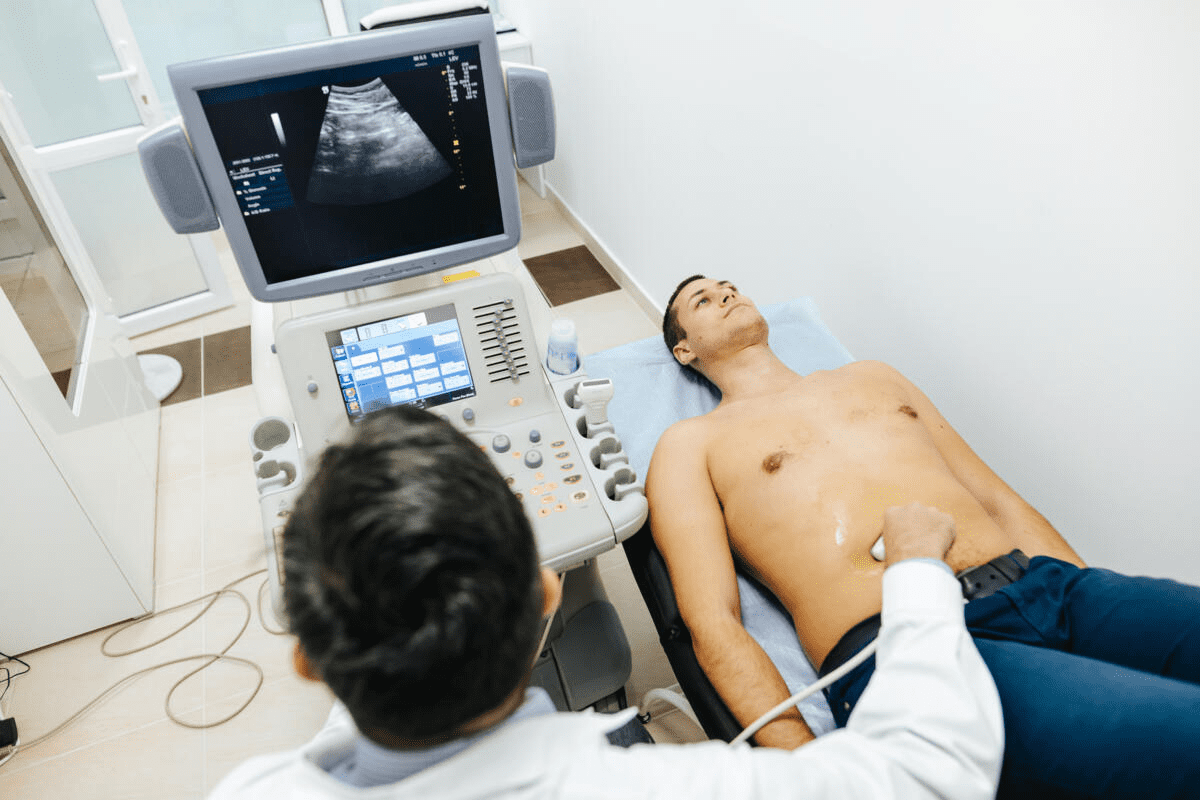
The right lumbar region pain can come from many sources. These include muscle strains, spinal disorders, and kidney problems. Knowing what causes the pain is key to finding the right treatment.
Muscle Strains and Sprains
Muscle strains and sprains are common causes of pain in the right lumbar region. These injuries happen from overuse, sudden movements, or bad lifting techniques. When muscles or ligaments stretch too far, it can cause pain and stiffness.
Symptoms include pain in one spot, stiffness, and trouble moving. Treatment often includes rest, ice or heat, and physical therapy. This helps the muscles get stronger and more flexible.
Herniated Discs and Spinal Issues
Herniated discs and spinal problems can also cause pain in the right lumbar region. A herniated disc happens when the soft center of the disc leaks out. This can irritate nerves and cause pain.
Spinal stenosis, or a narrowed spinal canal, can also lead to pain. Symptoms include pain that spreads, numbness, or weakness in the legs. Treatment can range from physical therapy and pain management to surgery in severe cases.
Kidney-Related Problems
Kidney problems, like kidney stones or infections, can also cause pain in the right lumbar region. Kidney stones can cause sharp, crampy pain as they move. Kidney infections can cause pain in the back, along with fever, nausea, and frequent need to urinate. Seeing a doctor quickly is important for these issues.
Postural Factors
Poor posture is another big reason for right lumbar region pain. Sitting or standing for too long with bad posture can strain the lower back. This can lead to discomfort.
Keeping a good posture, stretching regularly, and doing exercises to strengthen the core can help. This can prevent and ease pain caused by bad posture.
Identifying the Source of Your Right Lumbar Pain
To tackle right lumbar pain, figuring out where it comes from is key. The right lumbar area has many parts that could hurt, like muscles, bones, nerves, and organs. Knowing if your pain is from muscles, spine, or organs is important for the right treatment.
Distinguishing Between Muscular and Organ-Related Pain
Muscle pain in the right lumbar area usually comes from too much strain or overuse. It makes the area stiff and sore. But, pain from organs like the kidneys is different. It’s important to tell these pains apart.
- Muscular Pain: This pain is usually in one spot and gets worse with movement or touch.
- Organ-Related Pain: This pain spreads out and might come with other signs like fever, nausea, or changes in how you pee.
When to Seek Medical Attention
Knowing when to see a doctor for right lumbar pain is vital. Some symptoms mean you should get help right away.
- Severe pain that doesn’t get better with rest
- Pain with fever, numbness, or weakness in the legs
- Recent injury or trauma to the lumbar area
- Changes in how you pee or poop
Diagnostic Approaches
Figuring out what’s causing right lumbar pain involves a few steps. These include a physical check-up, looking at your medical history, and sometimes imaging tests.
- Physical Examination: A doctor will check how well you move, your reflexes, and what makes the pain worse.
- Imaging Tests: X-rays, MRIs, or CT scans help see the spine and nearby areas.
Knowing how doctors diagnose and the difference between pain types helps you deal with your pain better. If you have right lumbar pain, seeing a healthcare professional for a tailored plan is a must.
Immediate Relief Strategies for Right Lumbar Pain
Right lumbar pain can be really tough to deal with. But, there are ways to get quick relief. It’s important to find methods that ease the pain and help your body heal.
Appropriate Rest Techniques
Getting enough rest is a key step in managing right lumbar pain. But, too much lying down can make your back stiff. So, we suggest gentle rest techniques that help your body recover without stiffness.
Lying on your back with a pillow under your knees can ease the strain on your lower back. Or, lying on your side with a pillow between your knees can also help by keeping your spine straight.
Ice and Heat Therapy Applications
Ice and heat therapies are both good for right lumbar pain, but they work in different ways. Ice therapy is best for reducing swelling and numbing pain early on. Wrap ice in a cloth and apply it to the sore spot for 15-20 minutes, several times a day.
Heat therapy, on the other hand, relaxes muscles and boosts blood flow, aiding in healing. A warm bath or a low-setting heating pad can be helpful. Switch to heat therapy once the swelling starts to go down.
Over-the-Counter Pain Management Options
For many, over-the-counter (OTC) pain relievers can help a lot with right lumbar pain. Nonsteroidal anti-inflammatory drugs (NSAIDs) like ibuprofen are good for cutting down pain and swelling.
It’s key to take the right amount and talk to a doctor before starting any new medicine. This is even more important if you have other health issues or are already taking other meds.
Exercises for the Right Lumbar Region
Managing pain in the right lumbar region requires a mix of core strengthening, stretching routines, and movement therapy. These activities help ease pain and boost spinal health and mobility.
Core Strengthening Exercises
Core exercises are key for supporting the lumbar area. A strong core stabilizes the spine and lessens lower back strain. Here are some effective exercises:
- Planks: Holding a plank strengthens the abs and improves posture.
- Bridges: This targets the glutes and stabilizes the lower back.
- Bird Dog: It strengthens the core and enhances balance and coordination.
Stretching Routines for Lumbar Relief
Stretching is vital for easing lumbar tension. Regular stretching boosts flexibility and cuts down pain. Some helpful stretches are:
- Knee to Chest Stretch: Relieves lower back tension.
- Cat-Cow Stretch: Enhances spine flexibility and reduces stiffness.
- Hamstring Stretch: Tight hamstrings can cause lower back pain, making this stretch very beneficial.
Movement Therapy Approaches
Movement therapy, like yoga and Pilates, is great for managing right lumbar region pain. These therapies enhance flexibility, strength, and body awareness. Experts say, “Movement therapy can greatly lessen chronic lower back pain by boosting spinal mobility and strengthening the core muscles.”
“Exercise is key for a healthy back. Regular activity can stop lower back pain episodes and lessen symptom severity.”
– American Chiropractic Association
Adding these exercises to your daily routine can help manage right lumbar region pain and enhance your life quality.
Ergonomic Adjustments to Prevent Recurrence
Ergonomic adjustments are key to avoiding right lumbar region pain. By tweaking our daily settings, we can lessen back strain.
Workplace Modifications
Workplaces are a prime spot for ergonomic tweaks. A well-set-up desk can ease back pain. Adjust your chair, monitor, and keyboard for comfort.
Key workplace modifications include an ergonomic chair and proper lumbar support. Place your monitor 20-25 inches away. Keep your keyboard and mouse close.
Proper Sleeping Positions and Mattress Selection
Supporting your spine while sleeping is essential. Try sleeping on your back with a pillow under your knees or on your side with a pillow between your knees.
Choosing the right mattress is also key. A medium-firm mattress is best. Replace your mattress every 7-10 years or sooner if it’s worn out.
Ergonomic Tools and Supports
Ergonomic tools and supports help avoid lumbar strain. Use back supports, ergonomic handles, and standing desks.
Keeping a healthy weight, including less visceral adipose tissue, also helps. Simple ergonomic changes and healthy habits can greatly reduce back pain.
Alternative Therapies for Right Lumbar Region Relief
If you’re dealing with pain in your right lumbar region, there are other ways to help. These methods treat the whole person, not just the pain. They offer more ways to find relief.
Massage Therapy Techniques
Massage therapy is known for easing right lumbar region pain. It includes deep tissue, Swedish massage, and myofascial release. These methods relax muscles, boost blood flow, and cut down on pain.
Benefits of Massage Therapy:
- Relaxation of tense muscles
- Improved blood circulation
- Reduced pain and inflammation
Acupuncture and Acupressure
Acupuncture and acupressure come from traditional Chinese medicine. They work by pressing or needling certain body points to heal and ease pain. Acupuncture uses needles, while acupressure uses fingers or tools.
How Acupuncture and Acupressure Work:
- Stimulating healing processes
- Releasing endorphins (natural painkillers)
- Reducing inflammation
Chiropractic Adjustments
Chiropractic care focuses on spinal adjustments to align the spine. This helps reduce muscle and joint pressure. It’s great for pain caused by spinal issues or herniated discs.
Therapy | Description | Benefits |
Massage Therapy | Relaxes muscles, improves circulation | Pain relief, reduced inflammation |
Acupuncture/Acupressure | Stimulates healing, releases endorphins | Pain relief, reduced inflammation |
Chiropractic Adjustments | Improves spinal alignment | Reduces pressure on muscles and joints |
Lifestyle Modifications to Support the Right Lumbar Region
Changing your lifestyle is key to keeping the right lumbar region healthy. These changes help with current pain and prevent future problems.
Supporting the right lumbar region means focusing on several areas. These include managing weight, staying hydrated and eating right, and finding ways to reduce stress.
Weight Management Strategies
Keeping a healthy weight is important for your lumbar spine. Too much weight, mainly around the belly, can lead to visceral adiposity. This is linked to health issues, including back pain.
- Do regular physical activities like walking, swimming, or cycling to burn calories and build muscle.
- Eat a balanced diet with lots of fruits, veggies, whole grains, and lean proteins for overall health.
- Watch your calorie intake to keep a healthy weight.
Effective weight management reduces pressure on the lumbar spine. It also boosts overall health, helping the body heal from injuries and manage pain better.
Hydration and Nutrition
Drinking enough water and eating well are essential for the lumbar region’s health. Hydration keeps spinal discs healthy, and a balanced diet gives the spine the nutrients it needs.
- Drink lots of water all day to stay hydrated.
- Eat foods high in calcium and vitamin D for strong bones.
- Include omega-3 fatty acids from fish and nuts to fight inflammation.
Drinking enough water is key for spinal discs to work right. A diet full of important nutrients helps keep the spine healthy.
Stress Reduction Techniques
Stress can make muscle tension worse, leading to more pain in the lumbar region. Using stress reduction techniques can help ease this tension.
- Try relaxation methods like deep breathing, meditation, or yoga.
- Do things that make you happy and take your mind off stress.
- If stress is too much, get help from a professional.
Managing stress is vital for muscle health and less pain in the lumbar region. Adding these techniques to your daily routine can help control stress and its effects on your spine.
Medical Interventions for Chronic Right Lumbar Region Pain
When other treatments don’t work, medical help is key for chronic right lumbar region pain. A healthcare expert can guide you through more advanced options.
Chronic pain in the right lumbar region can make daily life hard. Medical treatments can help ease the pain and improve function.
Prescription Medication Options
Prescription medication is often needed for chronic right lumbar region pain. The type of medication depends on the pain’s severity and your health history.
Doctors might prescribe:
- Nonsteroidal anti-inflammatory drugs (NSAIDs) for inflammation and pain
- Muscle relaxants to ease muscle spasms
- Oral steroids for short-term use to reduce inflammation
- Nerve pain medications for neuropathic pain
It’s important to follow your doctor’s advice and report any side effects or concerns.
Injection Therapies
Injection therapies are used to manage chronic right lumbar region pain. These injections are placed directly in the affected area to lessen inflammation and pain.
Type of Injection | Purpose | Benefits |
Corticosteroid injections | Reduce inflammation | Provides relief from pain and inflammation |
Facet joint injections | Diagnose and treat facet joint pain | Helps determine if facet joints are the pain source |
Epidural steroid injections | Reduce inflammation around spinal nerves | Relieves pain and inflammation around nerves |
A medical expert says, “Injection therapies can be an effective way to manage chronic pain when other treatments have failed.”
“The goal of injection therapy is to reduce pain and inflammation, allowing patients to engage in physical therapy and other treatments more effectively.”
Surgical Approaches When Necessary
In some cases, surgical approaches are considered for chronic right lumbar region pain. This is when other treatments haven’t worked and the pain’s cause is known and can be fixed surgically.
Surgical options include:
- Discectomy to remove a herniated disc
- Spinal fusion to stabilize the spine
- Laminectomy to relieve pressure on the spinal cord or nerves
Talking to a healthcare provider about the benefits and risks of surgery is important for making a decision.
Dealing with chronic right lumbar region pain is tough. But, exploring medical options like prescription medication, injection therapies, and surgery can help find relief and improve life quality.
Conclusion: Creating a Comprehensive Right Lumbar Pain Management Plan
Creating a detailed plan is key to managing right lumbar pain. We’ve talked about many ways to find relief, like exercises and changing how you sit. These steps can help ease the pain.
A good plan mixes different methods for a complete solution. Using ice and heat, doing exercises, and making ergonomic changes can help a lot. This way, people can handle their pain better.
It’s smart to work with doctors to make a plan that fits you. This can help prevent pain from coming back and make life better.
By using a detailed plan, you can manage your pain and make smart choices about your health. This approach helps you deal with the challenges of your condition and find the best relief.
FAQ
What is the difference between visceral adiposity and subcutaneous fat?
Visceral adiposity is fat around the abdominal organs. Subcutaneous fat is under the skin. Knowing the difference is key because too much visceral fat is risky for health.
How can I reduce visceral adipose tissue?
To cut down visceral fat, exercise regularly, eat well, and keep a healthy weight. Doing core exercises and aerobic activities helps burn visceral fat.
Can I increase subcutaneous fat, and is it beneficial?
Yes, you can increase subcutaneous fat with good nutrition and resistance training. It’s good because it cushions and insulates your body.
What are the risks associated with high levels of abdominal subcutaneous fat?
Too much subcutaneous fat in the belly can also be risky. It may lead to metabolic syndrome and heart disease.
How does visceral subcutaneous fat ratio impact health?
The ratio of visceral to subcutaneous fat shows health risks. More visceral fat means higher risks.
Can ergonomic adjustments help alleviate right lumbar region pain?
Yes, ergonomic changes can help. Adjusting your workspace, sleeping right, and using ergonomic tools can ease right lumbar pain.
Are there any alternative therapies that can help with right lumbar region pain?
Yes, therapies like massage, acupuncture, and chiropractic care can help. They relax muscles, improve spine alignment, and boost well-being.
How do lifestyle modifications contribute to right lumbar region health?
Changes in lifestyle, like managing weight, staying hydrated, and reducing stress, are key. They help reduce strain and aid healing in the right lumbar region.
When should I consider medical interventions for right lumbar region pain?
Seek medical help for chronic, severe pain or when symptoms worsen. Try conservative treatments first. Medical options include medication, injections, and surgery.
References
National Center for Biotechnology Information. Right Lumbar Pain: Causes and Management at Liv Hospital. Retrieved from https://www.ncbi.nlm.nih.gov/pmc/articles/PMC6181116/