Right upper abdominal pain can mean many things. It can be from simple digestive problems or serious health issues. Learn the key steps on how to treat right upper abdominal pain. Understand common causes (e.g., gas, gallbladder) and when to seek help clearly.
At Liv Hospital, we focus on finding the right cause of your pain. We use the latest methods and team up with experts to help you.
The right upper part of your belly is home to important organs like the gallbladder, liver, and pancreas. Pain here can come from many places. So, finding out what’s causing it is key to fixing it.
Key Takeaways
- Right upper abdominal pain can signal a range of conditions, from benign to severe.
- Accurate diagnosis is critical for effective treatment and patient outcomes.
- Liv Hospital’s multidisciplinary approach ensures comprehensive care for patients.
- Various diagnostic approaches are used to identify the underlying cause of abdominal pain.
- Treatment solutions are tailored to prioritize patient health outcomes and recovery.
Understanding the Causes of Right Upper Abdominal Pain
The right upper part of the abdomen is home to important organs. Pain here can mean different health problems. Knowing the anatomy and possible causes is key to diagnosing and treating this pain.
Anatomy of the Right Upper Quadrant
The right upper quadrant (RUQ) has vital organs like the liver, gallbladder, small intestine parts, and the right kidney. Pain here can come from these organs. For example, liver and gallbladder issues often cause pain.
Common Symptoms and Characteristics
Right upper abdominal pain can feel sharp or dull. It might also hurt when touched or spread to the back or shoulder. Knowing these symptoms helps figure out the pain’s cause.
Gallstones can lead to sharp, short pain episodes. Liver problems might cause dull, ongoing pain.
Differentiating Acute vs. Chronic Pain
Telling acute from chronic pain is important. Acute pain is sudden and sharp, like from gallstones. Chronic pain lasts longer and might mean issues like fatty liver disease.
Characteristics | Acute Pain | Chronic Pain |
Duration | Short-term, often sudden onset | Long-term, persistent or recurrent |
Common Causes | Gallstones, acute cholecystitis | Fatty liver disease, chronic hepatitis |
Symptoms | Sharp pain, nausea, vomiting | Dull pain, few symptoms |
Knowing if pain is acute or chronic guides treatment. It helps ensure patients get the right care for their condition.
Gallbladder Conditions and Their Treatment
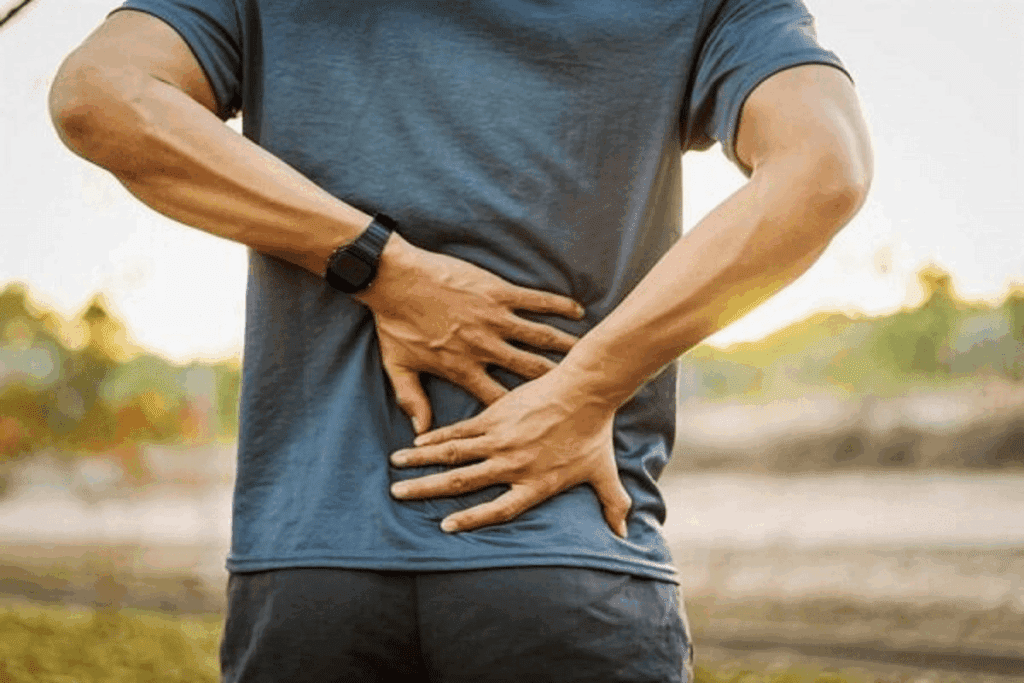
It’s important to know about gallbladder conditions to treat right upper abdominal pain well. The gallbladder helps with digestion. When it doesn’t work right, it can cause a lot of pain.
Gallstones: Symptoms and Diagnosis
Gallstones are hard lumps that form in the gallbladder. They can cause biliary colic, a sharp pain. This pain often happens after eating fatty foods and can make you feel sick and want to vomit.
To find gallstones, doctors usually use an ultrasound. This test can spot stones and see if the gallbladder is inflamed. Sometimes, doctors might also use CT scans or HIDA scans to check how bad the problem is.
Acute Cholecystitis Management
Acute cholecystitis is when the gallbladder gets inflamed, often because of a stone blocking the cystic duct. It needs quick treatment to avoid serious problems like gangrene or a hole in the gallbladder.
Doctors treat acute cholecystitis with:
- Antibiotics to fight infection
- Pain relief with medicines
- Surgery, often a laparoscopic cholecystectomy
Medical vs. Surgical Treatment Options
How to treat gallbladder problems depends on how bad the symptoms are and how often they happen. Some people might just need medicine, while others might need surgery.
Treatment Approach | Indications | Benefits |
Medical Management | Mild symptoms, high surgical risk | Avoids surgical risks, manages symptoms |
Surgical Intervention | Recurrent or severe symptoms | Definitive treatment, reduces recurrence |
Recovery After Gallbladder Surgery
After gallbladder surgery, or cholecystectomy, you’ll likely stay in the hospital for a bit. Then, you’ll slowly get back to doing things as usual. You’ll need to follow a special diet and watch for any signs of problems.
Most people can get back to their normal life in a few weeks. But, some might notice changes in how their bowels work or what they can eat.
Liver-Related Right Upper Abdominal Pain
Understanding liver-related causes of right upper abdominal pain is key to effective treatment. The liver is vital for our body’s health. Its problems can cause a lot of discomfort in the right upper abdomen.
Liver issues like hepatitis, liver abscesses, and fatty liver disease can cause pain. These problems can be serious and affect your quality of life if not treated.
Hepatitis: Types and Treatments
Hepatitis is inflammation of the liver, often caused by viruses. But alcohol and toxins can also cause it. There are different types, including acute and chronic.
Treatment for hepatitis depends on the cause. For viral hepatitis, doctors use antiviral meds. For alcoholic hepatitis, changing your lifestyle is key.
Liver Abscesses: Diagnosis and Management
A liver abscess is a pocket of pus in the liver, usually from infections. Symptoms include right upper abdominal pain, fever, and jaundice.
To diagnose, doctors use imaging like ultrasound or CT scans. Then, they drain the abscess and give antibiotics.
Fatty Liver Disease
Fatty liver disease happens when the liver has too much fat. It’s linked to obesity, diabetes, and high cholesterol.
Treatment includes losing weight, changing your diet, and managing diabetes.
Medications for Liver Pain Relief
Medicines for liver pain vary by cause. For inflammation, doctors might give anti-inflammatory drugs. For pain, they might use analgesics.
Comparison of Liver Conditions Causing Right Upper Abdominal Pain
Condition | Causes | Symptoms | Treatment |
Hepatitis | Viral infections, alcohol, toxins | Jaundice, fatigue, right upper abdominal pain | Antiviral medications, lifestyle changes |
Liver Abscess | Bacterial or parasitic infections | Fever, right upper abdominal pain, jaundice | Drainage, antibiotic therapy |
Fatty Liver Disease | Obesity, diabetes, high cholesterol | Right upper abdominal pain, fatigue | Lifestyle modifications, managing related conditions |
Kidney and Urinary Tract Causes
Right upper abdominal pain can signal kidney or urinary tract problems. These issues include kidney stones, urinary tract infections, and kidney infections. Knowing these causes is key to getting the right treatment.
Kidney Stones: Recognition and Treatment
Kidney stones are hard deposits in the kidneys. They cause severe pain that can spread to the lower back or groin. Recognizing symptoms early is important for treatment.
The pain from kidney stones is very intense. It may also cause nausea, vomiting, and blood in the urine. Treatment depends on the stone’s size and location. It can range from hydration and pain control to lithotripsy or surgery.
Urinary Tract Infections
Urinary tract infections (UTIs) happen when bacteria infect the urinary system. They can cause pain in the right upper abdomen, worsening if the infection reaches the kidneys. Prompt antibiotic treatment is vital to prevent complications.
UTI symptoms include painful urination, frequent need to urinate, and abdominal pain. Untreated UTIs can lead to serious infections and kidney damage.
Kidney Infection Management
Kidney infections are serious and need immediate medical care. They happen when UTI bacteria spread to the kidneys. Treatment usually involves antibiotic therapy and, in severe cases, hospitalization.
Recognizing kidney infection signs is critical. These include fever, flank pain, and symptoms of a lower UTI. Early treatment can prevent kidney damage.
Hydration and Dietary Recommendations
Drinking plenty of water is essential for kidney health and preventing kidney stones. It helps flush out minerals that could form stones. Making dietary changes can also help manage kidney and urinary tract issues.
Condition | Dietary Recommendation | Benefit |
Kidney Stones | Low sodium, high water intake | Reduces mineral concentration |
Urinary Tract Infections | Cranberry juice, probiotics | May prevent bacterial adhesion |
Kidney Infections | Balanced diet, increased fluids | Supports recovery and kidney function |
Understanding causes and making dietary changes can help manage kidney and urinary tract health. This reduces the risk of complications.
Diagnostic Approaches for Right Upper Abdominal Pain
Getting the right diagnosis is key to treating right upper abdominal pain. We use a mix of medical history, physical exams, lab tests, and imaging to find the cause.
Complete Medical History Assessment
Understanding a patient’s medical history is vital. We ask about symptoms, past health, and lifestyle to spot possible causes. This helps us learn about the pain’s start, how long it lasts, and any other symptoms.
Physical Examination Techniques
A physical exam helps us check the patient’s condition. We feel the abdomen for tenderness, check for guarding, and look for masses. We also use percussion to find liver or organ issues.
Laboratory Tests and Markers
Labs are key in finding the cause of right upper abdominal pain. We run tests like:
- Liver function tests to check for liver damage
- Pancreatic enzyme tests for pancreatitis
- Complete blood count (CBC) for infection or inflammation signs
- Bilirubin levels for jaundice or liver issues
Laboratory Test | Purpose |
Liver Function Tests | Assess liver damage or disease |
Pancreatic Enzyme Tests | Diagnose pancreatitis |
Complete Blood Count (CBC) | Check for signs of infection or inflammation |
Imaging Studies
Imaging is vital for seeing inside the body. We use ultrasound, CT scans, and MRI to spot gallstones, liver disease, and more.
By using these methods together, we can find the cause of right upper abdominal pain. Then, we can create a good treatment plan.
When Right Upper Abdominal Pain Worsens With Movement
Right upper abdominal pain that gets worse with movement can mean several things. It might be from muscle or bone issues or from inflammation in organs. Knowing what causes this pain is key to finding the right treatment.
Musculoskeletal Causes
Muscle or bone problems in the right upper abdomen can cause pain that gets worse with movement. This pain often comes from the muscles or bones in the abdominal wall or nearby. Issues like strains, sprains, or costochondritis can make it hard to move without pain.
Here are some things to think about when it might be a muscle or bone issue:
- Did you recently do something physical or get hurt?
- Is there a spot that hurts more than others?
- Does the pain get worse when you move in certain ways?
Organ Inflammation Signs
Pain in the right upper abdomen that gets worse with movement can also be from inflammation in organs. This can be from things like cholecystitis or hepatitis. The inflammation irritates the tissues and peritoneum around the organs.
Look out for these signs of organ inflammation:
- Fever and chills
- Nausea and vomiting
- Jaundice or changes in urine and stool color
Differentiating Serious from Benign Causes
Telling serious from not-so-serious causes of right upper abdominal pain is important. Serious cases need quick medical help, while less serious ones might just need rest and care.
Characteristics | Serious Causes | Benign Causes |
Pain Intensity | Severe, sharp, or stabbing | Mild to moderate, often dull |
Associated Symptoms | Fever, vomiting, jaundice | None or mild nausea |
Duration | Acute onset | Gradual or intermittent |
Activity Modifications and Rest Recommendations
If you have right upper abdominal pain that gets worse with movement, changing how you move and resting can help. Try to avoid lifting, bending, or doing hard exercises.
Here are some tips for changing your activities:
- Avoid things that make the pain worse
- Slowly start doing more as your pain lets you
- Make sure to rest so your body can heal
By knowing what causes right upper abdominal pain and making smart changes in your activities, you can manage your symptoms better. This can improve your life a lot.
Medical Treatments and Pain Management
Right upper abdominal pain can be treated in many ways. This includes over-the-counter and prescription drugs. Finding the right pain management is key for comfort.
Over-the-Counter Pain Medications
Over-the-counter (OTC) pain medications work well for mild pain. Acetaminophen and ibuprofen help with pain and swelling. But, always follow the dosage and talk to a doctor, even if you have other health issues.
Prescription Pain Relief Options
When OTC meds don’t help, prescription pain relief options are needed. These include stronger drugs or ones that target the pain’s cause. For muscle cramps or inflammation, there are specific treatments.
Antibiotics for Infectious Causes
If pain is from an infection, like cholecystitis, antibiotics are used. The choice and length of treatment depend on the infection’s severity.
Specialized Medications for Specific Conditions
Some conditions need specialized medications. For gallstones, ursodeoxycholic acid is used. For liver inflammation, like hepatitis, other drugs are prescribed.
Knowing about these treatments helps patients manage right upper abdominal pain. Working with a healthcare provider is key to finding the best treatment.
Surgical Interventions for Persistent Pain
When other treatments don’t work, surgical interventions can help with right upper abdominal pain. Surgery is considered when the pain’s cause is known and can be fixed by surgery.
Cholecystectomy Procedures
A cholecystectomy, or gallbladder removal, is a common surgery for this pain. It’s often needed for people with gallstones or inflammation.
There are two types of cholecystectomy: open and laparoscopic. The laparoscopic method is more common. It’s minimally invasive, leading to less pain and faster healing.
Minimally Invasive Options
Minimally invasive surgery, like laparoscopic cholecystectomy, uses small incisions. This method causes less damage and helps heal faster.
These options have many benefits. They lead to shorter hospital stays, less pain, and fewer complications. This makes minimally invasive surgery a good choice for many.
Bile Duct Procedures
Sometimes, surgery is needed for the bile duct. This includes exploration or reconstruction. It’s for problems like stones or strictures.
These procedures can be open or minimally invasive. It depends on the case and the patient’s health.
Post-Surgical Care and Recovery
After surgery, post-surgical care is key for recovery. It includes watching for complications, managing pain, and guiding diet and activity.
Patients should avoid heavy lifting and hard activities for weeks. Follow-up visits are important to check on healing and address concerns.
Knowing about surgical options helps patients make informed choices. It’s important to talk about risks and benefits with a healthcare provider to find the best treatment.
Home Remedies and Lifestyle Modifications
Many home remedies and lifestyle changes can help with right upper abdominal pain. By making these changes, people might feel better and have less pain.
Dietary Changes for Symptom Relief
What you eat can affect your abdominal pain. Some foods can make it worse, while others can help. Try to avoid fatty or greasy foods because they’re hard to digest and can increase pain.
Eating more fruits, vegetables, and whole grains can help. A study in the Journal of Clinical Gastroenterology showed that a high-fiber diet can reduce abdominal pain in people with irritable bowel syndrome (IBS).
“A high-fiber diet can help alleviate symptoms of abdominal pain by promoting regular bowel movements and reducing inflammation.”
Food Type | Recommended | To Avoid |
Fruits | Apples, bananas | Citrus fruits |
Vegetables | Leafy greens, carrots | Broccoli, cabbage |
Grains | Whole wheat bread, oatmeal | Refined white bread |
Hydration Importance
Drinking enough water is key for good digestion and avoiding dehydration. Dehydration can make pain worse. So, drink lots of water all day.
Hydration Tips:
- Drink at least 8-10 glasses of water per day
- Avoid sugary drinks and caffeine
- Monitor urine output to ensure it is pale yellow or clear
Heat and Cold Therapy Applications
Using heat or cold on the painful area can help. Heat, like a warm compress, relaxes muscles and boosts blood flow. Cold, like an ice pack, can cut down inflammation.
Stress Management Techniques
Stress can make abdominal pain worse. Stress-reducing activities like meditation, deep breathing, or yoga can help ease symptoms.
Stress Management Tips:
- Practice relaxation techniques daily
- Engage in regular physical activity
- Get adequate sleep each night
Conclusion
Understanding right upper abdominal pain is key to managing it well. We’ve looked at many causes, like gallbladder and liver problems, kidney stones, and urinary tract infections.
To figure out the cause, doctors use a detailed approach. They look at your medical history, do a physical exam, run tests, and use imaging. Treatment can range from pain meds and antibiotics to surgery for gallstones and liver abscesses.
We stressed the need to see a doctor for ongoing or severe pain. This summary and treatment guide helps readers grasp the condition and treatment options.
Managing right upper abdominal pain needs a mix of lifestyle changes, medical care, and sometimes surgery. This summary aims to help readers make informed decisions about their health.
FAQ
What are the common causes of right upper abdominal pain?
Common causes include gallstones, kidney stones, and gallbladder inflammation. Liver diseases like hepatitis and fatty liver also cause pain. Kidney infections are another reason.
Why does my right upper abdominal pain worsen with movement?
Pain that gets worse with movement might be from muscles or organ inflammation. Gallbladder disease or liver inflammation can make pain worse when moving.
How is the cause of right upper abdominal pain diagnosed?
Doctors use a detailed medical history and physical exam. They also do lab tests like liver function tests and blood counts. Imaging studies like ultrasound, CT scans, or MRI are used too.
What are the treatment options for gallstones causing right upper abdominal pain?
Treatment for gallstones includes waiting and watching, medicines to dissolve stones, and removing the gallbladder. This is needed for severe or recurring cases.
Can dietary changes help alleviate right upper abdominal pain?
Yes, changing your diet can help. Avoiding fatty foods can ease gallbladder pain. Drinking plenty of water is key to prevent kidney stones and infections.
What are the symptoms of acute cholecystitis?
Symptoms include severe pain in the right upper abdomen, fever, nausea, vomiting, and tenderness over the gallbladder area.
How is liver abscess diagnosed and managed?
Liver abscess is found through imaging like ultrasound or CT scans. It’s treated with antibiotics. Sometimes, draining the abscess is needed.
What are the benefits of minimally invasive surgery for gallbladder removal?
Minimally invasive surgery, like laparoscopic cholecystectomy, has many benefits. It uses smaller cuts, causes less pain, and leads to a quicker recovery than open surgery.
How can stress management techniques help with abdominal pain?
Stress management, like meditation, deep breathing, and yoga, can reduce pain. It also improves overall well-being.
When should I seek medical attention for right upper abdominal pain?
Seek medical help for severe pain, pain that doesn’t get better with rest, fever, jaundice, or if you have liver or gallbladder disease.
What are the signs of a serious condition causing right upper abdominal pain?
Serious signs include severe pain, trouble breathing, fever over 101.5°F, vomiting blood, or severe tenderness in the abdomen.
Can abdominal pain be related to fatigue?
Yes, abdominal pain, like in urinary tract infections or chronic diseases, can be linked to fatigue.
How does hydration impact kidney stone prevention?
Drinking enough water is key to prevent kidney stones. It helps dilute urine and lowers mineral concentration that can form stones.
What are the symptoms of a kidney infection?
Symptoms include flank pain, fever, chills, nausea, vomiting, and sometimes blood in urine or painful urination.
Are there any home remedies for relieving abdominal pain?
Yes, home remedies include using heat or cold packs, staying hydrated, and avoiding foods that trigger pain.
References
National Center for Biotechnology Information. Epigastric Region: Anatomy and Key Digestive Organs. Retrieved from https://www.ncbi.nlm.nih.gov/books/NBK532278/