
Tinnitus is a condition where you hear sounds like ringing or hissing in your ears. It affects millions of people worldwide. While some see it as a minor issue, it can really affect your life quality. Research has found a link between tinnitus and vitamin deficiencies, especially in vitamins B12 and D.
At LivHospital.com, we understand tinnitus is complex. We focus on finding the root causes, including nutritional issues. By looking into how vitamin deficiencies relate to tinnitus, we hope to help manage it better and improve your health.
Key Takeaways
- Vitamin B12 and D deficiencies are linked to tinnitus.
- Nutritional deficiencies can play a significant role in tinnitus.
- Addressing vitamin deficiencies may help manage tinnitus symptoms.
- A comprehensive approach to tinnitus care includes nutritional assessment.
- LivHospital.com is dedicated to providing holistic care for tinnitus patients.
The Reality of Tinnitus: More Than Just Noise
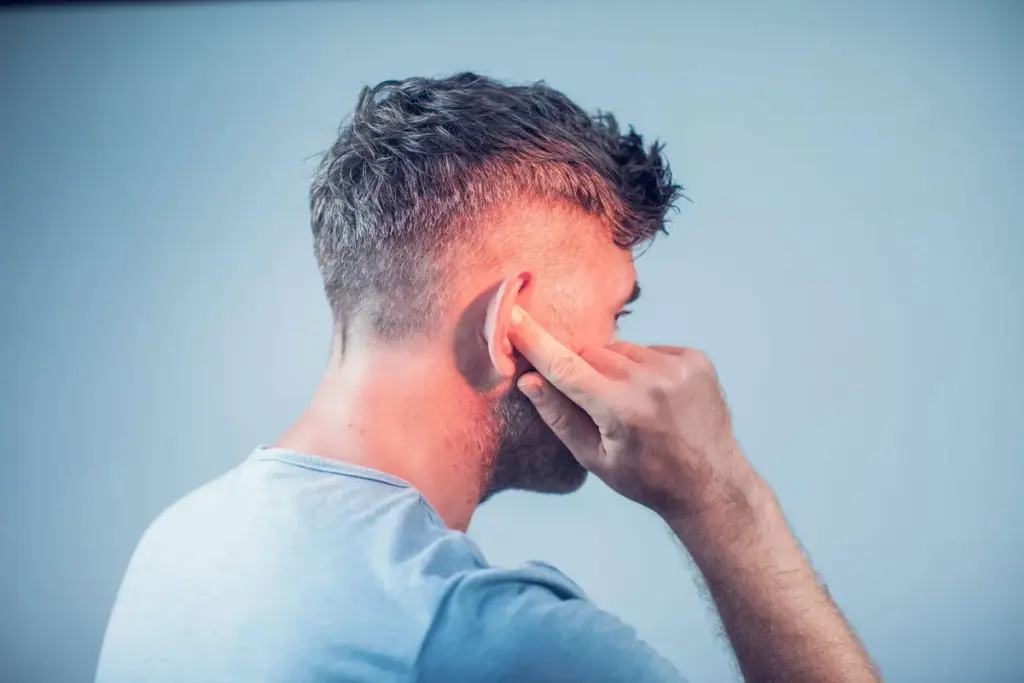
Tinnitus is a complex condition where people hear sounds when there’s no actual noise. It can affect people in different ways. It’s important to understand its complexities to help those affected.
Defining Tinnitus and Its Various Manifestations
Tinnitus is not a disease but a symptom caused by many things. These include loud noises, some medicines, and health issues. People might hear ringing, buzzing, or hissing sounds.
The sounds and how often they are heard can vary a lot. Some hear sounds all the time, while others hear them only sometimes. The pitch and volume can also change. Getting an accurate diagnosis is crucial for managing tinnitus.
Prevalence and Impact Statistics in the United States
In the United States, tinnitus is common, especially as people get older. The American Tinnitus Association says about 1 in 5 people have tinnitus. It can affect sleep, focus, and mood.
Almost 50 million Americans have tinnitus, with 16 million looking for medical help. Tinnitus can make daily life hard, affecting social life, work, and overall happiness. Dealing with tinnitus needs a full approach, including medical checks and lifestyle changes.
Knowing how common and impactful tinnitus is helps in finding better ways to manage it. Healthcare experts can help more by understanding tinnitus’s complexity. More research is needed to improve treatments.
The Intricate Relationship Between Nutrition and Auditory Health
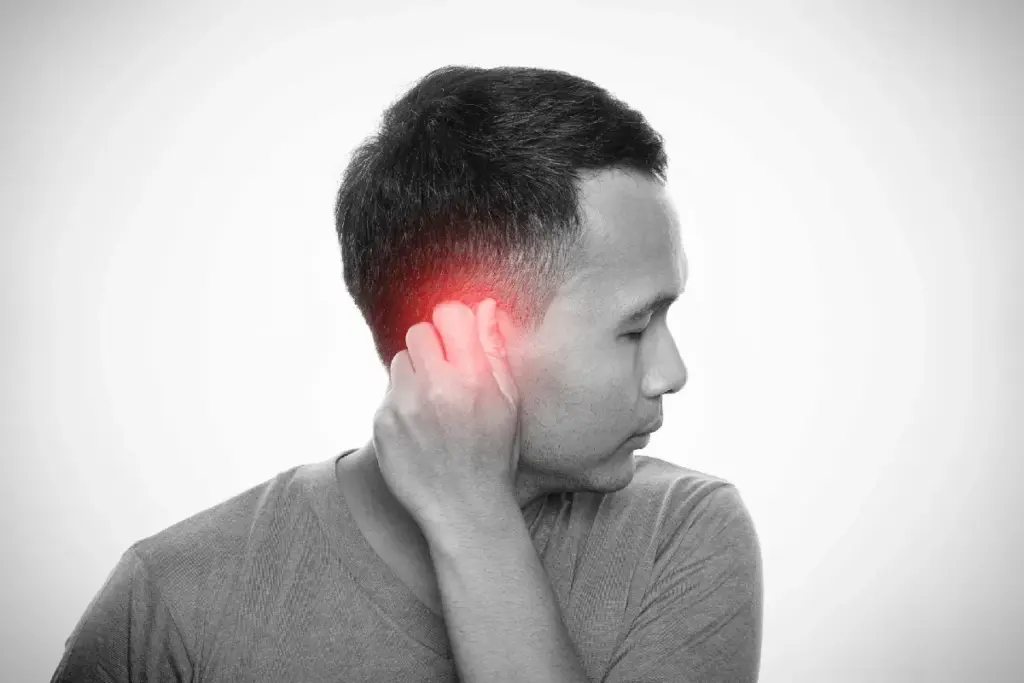
Learning how food affects our hearing can help stop tinnitus. The link between diet and hearing health is complex. It involves many nutritional paths that help our ears work and nerves send signals.
Nutritional Pathways That Support Ear Function
Good nutrition is key for our ears to stay healthy. Vitamins and minerals are vital for the ear’s structure and function. For example, vitamins B12 and D are crucial for hearing health.
Vitamin B12 helps make myelin, a fatty substance that protects nerves. Vitamin D affects genes that help our ears develop and stay healthy.
“A balanced diet is essential to avoid hearing problems,” say doctors. Eating foods rich in these nutrients or taking supplements helps keep our ears in top shape.
How Micronutrient Deficiencies Affect Nerve Signaling
Lack of certain nutrients can harm nerve signals in our ears. Vitamin B12 deficiency can cause nerve damage, leading to tinnitus or other hearing issues. Zinc is also important for ear health and can prevent tinnitus if we have enough.
- Vitamin B12 deficiency can cause demyelination, affecting nerve signaling.
- Zinc deficiency impairs auditory function and can lead to tinnitus.
- Adequate vitamin D levels are crucial for maintaining auditory system health.
Knowing how nutrition affects our hearing helps us prevent tinnitus and ear problems. Eating foods rich in vitamins B12 and D, zinc, and other nutrients is important for good hearing.
Vitamin B12 Deficiency: A Primary Suspect in Tinnitus Cases
Vitamin B12 deficiency is a big reason for tinnitus, a condition where you hear ringing in your ears. Tinnitus bothers millions, making daily life hard. Knowing how Vitamin B12 and tinnitus are linked is key to finding good treatments.
The Mechanism of B12 in Neurological Function
Vitamin B12 is crucial for making myelin, a fatty substance that protects nerve fibers. Without enough Vitamin B12, nerves can’t work right, leading to symptoms like tinnitus. Vitamin B12 is very important for our nervous system.
Studies show Vitamin B12 helps make neurotransmitters and keeps the nervous system healthy. Not having enough can mess with these processes, causing tinnitus. We’ll look at the evidence that supports this link.
Clinical Evidence Connecting B12 Deficiency to Ear Ringing
Many studies have looked at Vitamin B12 and tinnitus. They found that people with tinnitus often have less Vitamin B12. Trials show that taking Vitamin B12 can help some tinnitus patients, especially those who are deficient.
- A study in the Journal of Laryngology and Otology found Vitamin B12 injections helped tinnitus in patients with deficiency.
- Another study showed that Vitamin B12, along with other nutrients, made tinnitus less severe in some patients.
Populations at Risk for B12 Deficiency
Some groups are more likely to have Vitamin B12 deficiency. These include vegetarians, vegans, and the elderly. People with gut problems or who’ve had certain surgeries are also at risk. Knowing who’s at risk helps catch and treat Vitamin B12 deficiency early, including tinnitus symptoms.
- Vegetarians and vegans might not get enough Vitamin B12 because they don’t eat animal products.
- Older adults might not absorb Vitamin B12 as well because their digestive system changes with age.
By spotting and treating Vitamin B12 deficiency, doctors can help reduce tinnitus and improve life quality for those affected.
Vitamin D Insufficiency and Its Role in Inner Ear Ringing
Research indicates a link between vitamin D levels and inner ear ringing. This is a new area of study in medicine. Vitamin D is important for our ears and might help with tinnitus.
Vitamin D Receptors in the Auditory System
Vitamin D receptors are found in the ear and other parts of the body. They help keep the ear healthy. Not having enough Vitamin D could make tinnitus worse.
Research Findings on Vitamin D Levels in Tinnitus Patients
Studies have found a link between Vitamin D levels and tinnitus. People with tinnitus often have less Vitamin D. This shows Vitamin D might help prevent or treat tinnitus.
A study found that Vitamin D supplements can help with tinnitus symptoms. This is good news for people with tinnitus who are also Vitamin D deficient.
Seasonal and Demographic Factors in Vitamin D Deficiency
Many things can affect Vitamin D levels, like the season and where you live. People in places with less sun, older adults, and those with darker skin are at higher risk. Knowing these factors helps us find who needs more Vitamin D.
Older adults are more likely to lack Vitamin D. They are also more likely to have tinnitus. This makes it important to check their Vitamin D levels.
In summary, Vitamin D and inner ear ringing are connected in many ways. By understanding how Vitamin D affects our ears and who is at risk, we can work on preventing tinnitus.
Zinc Deficiency: Undermining Auditory Health and Triggering Tinnitus
Zinc deficiency is a big problem for tinnitus. It shows how important a balanced diet and supplements are. Tinnitus makes people hear sounds that aren’t there, like ringing or buzzing.
Critical Role in Cochlear Function
Zinc is key for the cochlea, the auditory nerve, and the whole hearing system. It helps keep these parts working right. Without enough zinc, the cochlea might not work well, causing tinnitus.
Key Functions of Zinc in Auditory Health:
- Supports the structural integrity of the cochlea and auditory nerve
- Involved in enzymatic reactions crucial for auditory signal transmission
- Acts as an antioxidant, protecting the auditory system from oxidative stress
Clinical Trials on Zinc Supplementation
Many studies have looked at zinc supplements for tinnitus. The results are mixed, but some show zinc can help. It might make tinnitus less severe in people who don’t have enough zinc.
Notable Findings:
- A study in the Journal of Otolaryngology showed zinc supplements helped tinnitus in those lacking zinc.
- Another study found zinc didn’t get rid of tinnitus but made life better for those with it by making symptoms seem less bad.
Dietary and Absorption Factors Leading to Zinc Deficiency
Zinc deficiency can come from not eating enough zinc, poor absorption, or losing too much. Some groups are more at risk, like vegetarians, pregnant women, and people with gut problems.
Common Dietary Sources of Zinc:
- Oysters
- Red meat
- Poultry
- Beans and nuts
Eating enough zinc or taking supplements is vital for hearing health. It might also lower the chance of getting tinnitus.
Vitamin A Deficiency: Implications for Sensory Perception and Tinnitus
Vitamin A is key for healthy sensory cells. Its lack is linked to sensory disorders like tinnitus. We look into Vitamin A’s role in hearing health and its effect on tinnitus.
How Vitamin A Supports Sensory Cell Health
Vitamin A is vital for sensory cells in the retina and inner ear. It helps keep these cells healthy by repairing and maintaining the auditory pathway’s lining. Without enough Vitamin A, sensory cell function can falter, causing tinnitus symptoms.
The Role of Vitamin A in Sensory Perception
- Maintains the integrity of epithelial cells
- Supports the regeneration of rhodopsin in the retina
- Contributes to the overall health of the auditory system
Scientific Evidence on Vitamin A Status in Tinnitus Sufferers
Research is ongoing to link Vitamin A and tinnitus. Some studies show tinnitus patients might have less Vitamin A. This could mean a connection between Vitamin A deficiency and tinnitus.
|
Study |
Findings |
|---|---|
|
Journal of Audiology Research |
Lower Vitamin A levels observed in tinnitus patients compared to controls |
|
American Journal of Otolaryngology |
Correlation between Vitamin A deficiency and increased severity of tinnitus symptoms |
Understanding tinnitus causes, including Vitamin A deficiency, is key. Getting enough vitamins and minerals is crucial for managing tinnitus symptoms.
Magnesium Deficiency: A Contributor to Noise-Induced Tinnitus
Magnesium is a key mineral that helps protect against ear damage from loud sounds. We’ll look into how not having enough magnesium can lead to tinnitus. We’ll also see how magnesium therapy might help.
Protective Mechanism Against Acoustic Trauma
Magnesium is vital for the inner ear’s health and its ability to handle sound. It acts as a natural guard, making the ear less likely to get damaged by loud noises. Without enough magnesium, the ear is more at risk of damage from loud sounds, which can cause tinnitus.
Magnesium’s protective effects are wide-ranging. It keeps the ear’s delicate parts safe and supports nerve health. Having enough magnesium can lower the chance of getting tinnitus from loud noises.
Research on Magnesium Therapy for Tinnitus Reduction
Studies have looked into magnesium supplements as a treatment for tinnitus. They found that magnesium can help lessen tinnitus symptoms, especially when it’s caused by loud sounds. It helps protect the ear and aids in healing from damage.
Clinical trials show magnesium supplements can help manage tinnitus. Many people have seen their symptoms improve. Always talk to a doctor before starting magnesium supplements to find the right dose and to check for any side effects.
Understanding magnesium’s role in ear health and its use in treating tinnitus is important. More research is needed to fully understand magnesium’s benefits and limits in managing tinnitus.
Vitamin E Deficiency and Oxidative Stress in the Auditory System
We look into how Vitamin E deficiency can cause tinnitus. Vitamin E is a strong antioxidant. It protects the ear from damage by free radicals.
Antioxidant Protection Against Free Radical Damage in the Ear
The ear is very sensitive to oxidative stress. This is because it has a high metabolic rate and fatty acids in its cells. Vitamin E fights this stress by stopping free radicals. This protects the ear’s delicate parts.
Key mechanisms of Vitamin E in auditory protection include:
- Neutralizing free radicals to prevent cell damage
- Supporting the integrity of cell membranes in the auditory system
- Enhancing the body’s natural antioxidant defenses
Studies Examining Vitamin E Levels in Tinnitus Patients
Research has looked into Vitamin E levels in tinnitus patients. Some studies found that tinnitus patients often have less Vitamin E. This suggests a link between Vitamin E deficiency and tinnitus.
Notable findings include:
- A study in the Journal of Audiology and Otology showed tinnitus patients had much less Vitamin E than controls.
- Another study found that Vitamin E supplements might help some tinnitus patients.
More research is needed to fully understand Vitamin E and tinnitus. But, the current evidence shows Vitamin E is key for ear health.
Ringing in Ears Causes: Beyond Nutritional Factors
Tinnitus is a complex condition with many causes, not just diet. Nutritional factors are important, but other things can also cause or make tinnitus worse.
Age-Related Hearing Changes and Tinnitus
As we get older, our hearing gets worse. This is called presbycusis. It often comes with tinnitus. The National Institute on Deafness and Other Communication Disorders (NIDCD) says about one in three adults in the U.S. between 65 and 75 has hearing loss.
Older age can lead to tinnitus because of nerve cell loss and brain changes. A detailed hearing test is key to understanding the link between hearing loss and tinnitus.
|
Age Group |
Prevalence of Hearing Loss |
Associated Tinnitus Risk |
|---|---|---|
|
65-75 years |
1 in 3 adults |
High |
|
75 years and older |
1 in 2 adults |
Very High |
Noise Exposure and Acoustic Trauma
Loud noises can harm the inner ear’s hair cells, causing hearing loss and tinnitus. Sudden, very loud sounds, like explosions, can also cause permanent damage.
“Noise-induced hearing loss is a significant public health issue, affecting millions of people worldwide. Preventing NIHL through education and hearing protection is crucial.”
Being in loud places often can increase tinnitus risk. Wearing earplugs or earmuffs can help protect your hearing.
Ototoxic Medications and Chemical Exposures
Some medicines and chemicals can harm the ear and cause tinnitus. These include certain antibiotics, chemotherapy drugs, and industrial chemicals.
- Aminoglycoside antibiotics
- Cisplatin and other chemotherapy agents
- Solvents like toluene and styrene
People taking these medicines or working with dangerous chemicals should talk to their doctor. They should also follow safety rules.
Underlying Medical Conditions That Manifest as Tinnitus
Tinnitus can be a sign of many health issues. These include Meniere’s disease, TMJ disorders, and some heart problems.
Finding the real cause of tinnitus is important for treatment. A full medical check-up can help find or rule out other health problems that might cause tinnitus.
Diagnostic Approaches for Vitamin-Related Tinnitus
To find out if vitamin-related tinnitus is the cause, doctors use a detailed method. They check for nutritional gaps and figure out what kind of tinnitus it is. This detailed check is key to finding the real cause and making a good treatment plan.
Comprehensive Blood Panels for Nutritional Assessment
Doctors use blood tests to see if a patient’s diet is lacking in important nutrients. These tests look for vitamins and minerals like vitamin B12, vitamin D, zinc, and magnesium. These are important for hearing health.
|
Nutritional Marker |
Significance in Tinnitus |
|---|---|
|
Vitamin B12 |
Critical for neurological function and maintenance of the auditory nerve |
|
Vitamin D |
Important for overall health, with receptors present in the auditory system |
|
Zinc |
Essential for cochlear function and protection against oxidative stress |
|
Magnesium |
Protects against noise-induced damage and supports auditory nerve health |
By looking at these markers, doctors can spot any diet gaps that might be causing tinnitus. This info helps them suggest the right supplements and diet changes.
Audiological Evaluation and Tinnitus Characterization
Doctors also do a detailed hearing test to understand the tinnitus better. An audiologist does tests to see how well a person hears, the pitch, and loudness of the tinnitus.
“Accurate characterization of tinnitus is essential for developing a personalized treatment plan that addresses the specific needs of the patient.” – Audiology Expert
The hearing test might include:
- Pure-tone audiometry to assess hearing thresholds
- Tinnitus matching to determine the pitch and loudness of the perceived sound
- Speech audiometry to evaluate speech recognition abilities
These tests give doctors a clear picture of how tinnitus affects a person’s hearing. This helps them make a treatment plan that really works.
Nutrient-Rich Foods That Combat Tinnitus Triggers
Eating a balanced diet full of vitamins and minerals is key to fighting tinnitus. Adding the right foods to your meals can ease tinnitus symptoms and boost ear health.
B-Complex Vitamin Sources for Nerve Health
B-complex vitamins are vital for nerve health, which helps manage tinnitus. Foods high in B vitamins include:
- Whole grains like brown rice and quinoa
- Lean meats such as chicken and turkey
- Fish, especially salmon and sardines
- Eggs and dairy products
- Leafy greens like spinach and kale
Eating more of these foods can support nerve health and lessen tinnitus symptoms.
Dietary and Sunlight Sources of Vitamin D
Vitamin D is also important for tinnitus management. You can get it from:
- Sunlight exposure
- Fatty fish like mackerel and sardines
- Fortified dairy products and cereals
- Supplements, under medical supervision
Keeping Vitamin D levels up is crucial for health and may reduce tinnitus severity.
Zinc-Abundant Foods for Auditory Protection
Zinc is essential for ear protection and can be found in:
- Oysters and other shellfish
- Red meat and poultry
- Beans and nuts
- Whole grains
Eating more zinc-rich foods can protect against tinnitus, especially from noise-induced hearing loss.
Creating a Balanced Diet for Optimal Ear Health
A diet full of nutrient-rich foods can greatly support ear health and manage tinnitus. Here’s a simple guide to creating such a diet:
|
Nutrient |
Food Sources |
Benefit |
|---|---|---|
|
B-Complex Vitamins |
Whole grains, lean meats, fish, eggs, dairy, leafy greens |
Nerve health support |
|
Vitamin D |
Sunlight, fatty fish, fortified dairy and cereals |
Overall health and tinnitus management |
|
Zinc |
Oysters, red meat, poultry, beans, nuts, whole grains |
Auditory protection |
By focusing on these nutrient-rich foods and maintaining a balanced diet, individuals can manage tinnitus and support their ear health.
Evidence-Based Supplementation for Tinnitus Management
Supplements can help with tinnitus symptoms. Tinnitus is when you hear ringing in your ears. It can be caused by many things, including not getting enough nutrients. Knowing how supplements help with tinnitus can help people choose the right treatment.
Clinically Validated Dosages and Formulations
Some nutrients are proven to help with tinnitus. For example, can help some people. It’s important to find the right amount and type for each person.
Research shows that:
- Zinc: It’s key for hearing health and can help with tinnitus in people who don’t have enough.
- Magnesium: It helps protect against hearing loss and tinnitus caused by loud noises.
- B Vitamins: Especially B12, which is important for the brain and can help with tinnitus.
Potential Interactions and Contraindications
Supplements can be helpful but can also interact with other medicines. Some can make blood thinner or make health problems worse. So, it’s important to talk to a doctor before starting any supplements.
The Importance of Medical Supervision
Getting a doctor’s advice is crucial when using supplements for tinnitus. Doctors can figure out why you have tinnitus, suggest the right supplements, and watch for side effects. This way, you get the best and safest treatment.
Using supplements with a doctor’s help can improve your life if you have tinnitus.
Lifestyle Modifications to Reduce Tinnitus Factors
Making lifestyle changes can help with tinnitus symptoms. By choosing wisely, people can lessen tinnitus triggers and boost ear health.
Auditory Protection Strategies in Daily Life
Keeping your hearing safe is key in fighting tinnitus. Simple steps can protect your ears. For example, wear earplugs or earmuffs when it’s loud, like at concerts or using power tools.
Also, be careful with the volume when listening to music or at loud events. Keep the volume down and take breaks to rest your ears.
Stress Reduction Techniques That Benefit Ear Health
Stress can make tinnitus worse. So, using stress-reducing methods is helpful. Activities like yoga, meditation, and deep breathing can help manage stress.
Also, a healthy lifestyle with exercise and a balanced diet can help overall. Getting enough sleep and using relaxation techniques before bed can also help with tinnitus.
Combining ear protection with stress-reducing activities can help manage tinnitus and improve ear health.
When to Consult a Healthcare Professional About Ear Ringing
Occasional ear ringing might not be a big deal. But if it keeps happening, it’s time to see a doctor. Tinnitus, or ringing in the ears, can be a sign of something serious.
Red Flags That Necessitate Immediate Medical Attention
Some symptoms with tinnitus need you to see a doctor right away. These include:
- Severe dizziness or vertigo: If you feel dizzy and have tinnitus, it might mean a problem with your inner ear or balance.
- Hearing loss: Sudden or big hearing loss in one or both ears is very serious and needs quick attention.
- Pain or discomfort: If your ear hurts a lot or keeps hurting, you should see a doctor.
- Tinnitus in one ear: Tinnitus in just one ear could mean you have a serious problem that needs medical help.
If you’re showing any of these signs, you should get medical help fast. Early treatment can really help manage tinnitus and any other problems.
Finding Specialized Care at Institutions Like Liv Hospital
Looking for special care for tinnitus? Liv Hospital is a great place to go. They’re known for their top-notch medical care and help for international patients.
|
Service |
Description |
|---|---|
|
Audiological Evaluation |
Comprehensive assessment of hearing and tinnitus characterization. |
|
Nutritional Counseling |
Guidance on dietary changes that can help manage tinnitus. |
|
Tinnitus Management Programs |
Personalized programs to help cope with tinnitus, including sound therapy and counseling. |
Want to know more about Liv Hospital’s services? Check out LivHospital.com. Their team of experts is ready to give you top-notch care and support for tinnitus and related issues.
Integrative Treatment Approaches for Complex Tinnitus Cases
Integrative treatment is becoming more popular for complex tinnitus. It’s known that tinnitus is complex and needs a full treatment plan.
For complex tinnitus, a mix of nutrition, medicine, and alternative therapies is key. By tackling different tinnitus triggers and ear ringing triggers, people can find relief.
Combining Nutritional Interventions with Medical Therapies
Nutritional gaps can cause tinnitus. Getting enough vitamins and minerals like B12, D, and zinc is important. A balanced diet with these nutrients is recommended.
Sound therapy and cognitive behavioral therapy (CBT) work well with nutrition. They help tackle the causes of ringing in ears.
|
Nutritional Element |
Benefit |
Food Sources |
|---|---|---|
|
Vitamin B12 |
Supports nerve health |
Meat, fish, poultry, dairy products |
|
Vitamin D |
Maintains overall health |
Sunlight, fatty fish, fortified dairy products |
|
Zinc |
Critical for auditory function |
Oysters, beef, chicken, fortified cereals |
Alternative and Complementary Approaches with Evidence Support
Therapies like acupuncture and mindfulness meditation help with tinnitus. They can boost the effect of regular treatments.
Understanding tinnitus factors and using various treatments can help manage it. This improves life quality.
Conclusion: Addressing the Nutritional Foundations of Tinnitus Relief
Understanding tinnitus’s causes is key to managing it. Research shows that nutritional gaps play a big role. Lack of vitamins like B12, D, and E, and minerals like zinc and magnesium, can cause tinnitus. A balanced diet and supplements can help ease ear ringing.
Tinnitus has many causes, like age-related hearing loss and noise exposure. But, fixing nutritional gaps can greatly help manage tinnitus. For more on tinnitus, visit .
By focusing on nutrition, people can manage tinnitus better. This means not just treating the symptoms but also changing diet, using supplements, and making lifestyle changes.
FAQ
What is tinnitus, and how does it manifest?
Tinnitus is when you hear sounds in your ears without any outside noise. It can sound like ringing, buzzing, or hissing.
Can vitamin deficiencies cause tinnitus?
Yes, not having enough vitamins like B12 or D can lead to tinnitus. Eating well is key to keeping your ears healthy.
How does Vitamin B12 deficiency relate to tinnitus?
Vitamin B12 is important for your brain and nerves. Not having enough can cause tinnitus. People who don’t eat meat or are older should watch out for this.
What role does Vitamin D play in auditory health?
Vitamin D helps your ears work right. Not having enough might cause tinnitus. Things like the season and who you are can affect your Vitamin D levels.
Can zinc supplementation help manage tinnitus?
Zinc is good for your ears, and some studies say it can help with tinnitus. But, always talk to a doctor before taking supplements.
What are the causes of tinnitus beyond nutritional factors?
Tinnitus can come from many things, like getting older, loud noises, or certain medicines. It’s important to find out why you have it.
How is vitamin-related tinnitus diagnosed?
Doctors check for vitamin-related tinnitus with blood tests and ear exams. They look at your nutrition and your tinnitus.
What dietary changes can help alleviate tinnitus?
Eating foods rich in B vitamins, Vitamin D, and zinc can help your ears. This might make your tinnitus better.
Are there any evidence-based supplementation strategies for tinnitus management?
Some supplements like magnesium and Vitamin E might help with tinnitus. But, always talk to a doctor before taking them.
What lifestyle modifications can help reduce tinnitus factors?
Protecting your ears, reducing stress, and eating well can help with tinnitus. These steps support your ear health.
When should I seek medical attention for tinnitus?
If your tinnitus is sudden, very loud, or with other bad symptoms, see a doctor fast. Places like Liv Hospital have special tinnitus care.
Reference:
National Center for Biotechnology Information. Evidence-Based Medical Insight. Retrieved from https://pubmed.ncbi.nlm.nih.gov/8484483/[1