

Choosing a weight loss surgery is a big decision for those with severe obesity. It’s important to think about safety and how well it works, and many patients look for the safest bariatric surgery option.
New surgical methods and better care for patients have made bariatric surgery much safer. Studies with nearly 60,000 patients show that gastric sleeve surgery has the lowest risk of problems among weight loss procedures.
We focus on keeping our patients safe and healthy at our institution. We offer full care and support from start to finish.
Key Takeaways
- Gastric sleeve surgery is considered the safest weight loss surgery option.
- Advances in surgical techniques have improved safety.
- Comprehensive patient-care protocols are key for good results.
- Choosing a trusted place for surgery is very important.
- Our institution puts patient safety and health first.
The Evolution of Bariatric Surgery Safety

In recent years, bariatric surgery has become much safer. This change comes from better surgical methods, improved care for patients, and the use of less invasive techniques.
Modern Advancements in Weight Loss Surgery
The world of bariatric surgery has seen big changes. New technologies and a better understanding of obesity have made surgery safer for those who need it.
Key advancements include:
- Improved surgical techniques that reduce recovery time and minimize complications.
- Better patient selection criteria to ensure that candidates are suitable for surgery.
- Enhanced post-operative care protocols to manage possible complications effectively.
80% Decline in Mortality Rates Over the Past Decade
Studies show a big drop in death rates from bariatric surgery, down by about 80% in the last ten years. This shows how much better surgery and care have gotten.
Year | Mortality Rate (%) |
2010 | 0.8 |
2015 | 0.4 |
2020 | 0.2 |
Impact of Minimally Invasive Techniques
Minimally invasive methods, like laparoscopic surgery, have changed bariatric surgery a lot. They use smaller cuts, causing less damage and trauma. This leads to faster healing and fewer problems.
The benefits of minimally invasive techniques include:
- Reduced risk of infection due to smaller incisions.
- Less post-operative pain, improving patient comfort.
- Shorter hospital stays, allowing patients to return home sooner.
As shown by the data, bariatric surgery is much safer now. Research shows that gastric sleeve surgery is one of the safest options. It has a low risk of complications and offers long-term benefits.
How Weight Loss Surgery Safety Is Measured
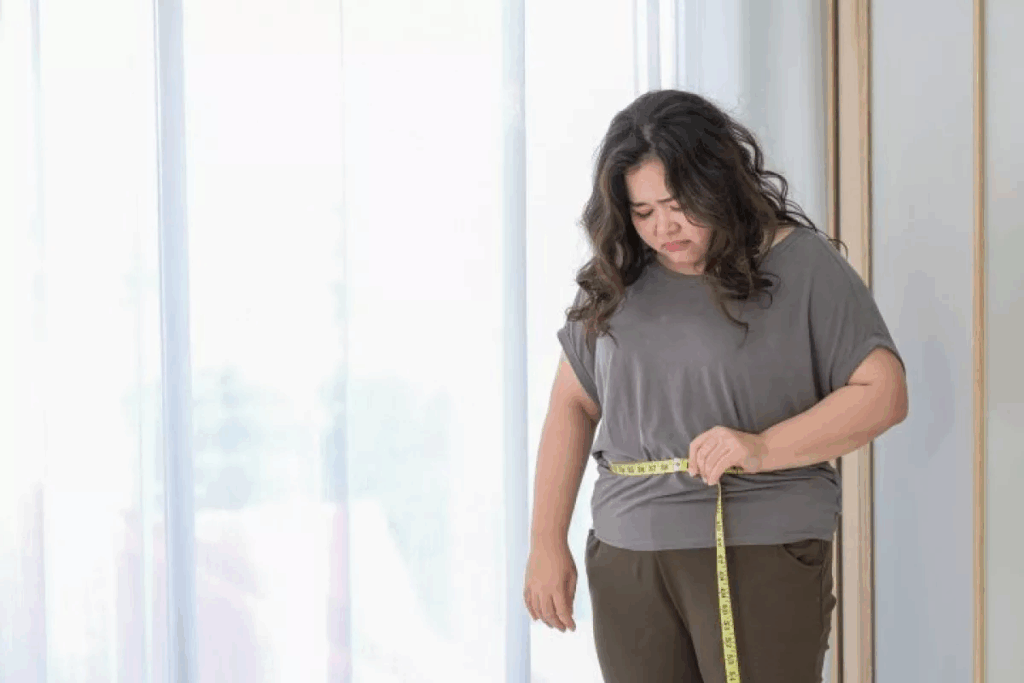
Measuring the safety of weight loss surgery is key for those thinking about it. Obesity rates keep going up, making it more important to know about surgery safety.
Healthcare experts use different metrics and stats to check surgery safety. These help figure out the risks of various bariatric surgeries.
Key Safety Metrics and Statistics
Several metrics are used to check surgery safety. These include death rates, complication rates, and how often bad events happen. Recent studies show a big drop in death rates, with some saying there’s been an 80% reduction in deaths among surgery patients.
“The better safety numbers come from new surgical methods, picking the right patients, and better care after surgery,” says Medical Expert, a top bariatric surgeon.
Short-term vs. Long-term Complication Rates
Looking at complication rates is key to understanding surgery safety. Complications can be short-term, happening within 30 days, or long-term, months or years later. Short-term issues might include infections or bleeding. Long-term problems could be nutritional issues or band problems with adjustable gastric bands.
A study in a top medical journal found a 2.6% complication rate within 30 days of surgery. Knowing these rates helps patients make better choices about their surgery.
Understanding Surgical Risk Assessment
Assessing surgical risk is a detailed process. It looks at a patient’s health, medical history, and specific risks to see if they’re right for surgery. Things like BMI, health conditions, and mental readiness are important.
Understanding these risks helps doctors predict and plan for possible problems. A leading expert says, “A detailed risk assessment is key to making bariatric surgery safe and successful.”
In summary, checking surgery safety involves looking at many factors. This includes safety metrics, complication rates, and thorough risk assessments. By considering these, patients and doctors can choose the safest weight loss surgery options.
Gastric Sleeve: The Least Dangerous Weight Loss Surgery
Gastric sleeve surgery is a top choice for weight loss. It’s safe and works well. The surgery makes the stomach smaller, helping people eat less and lose a lot of weight.
Procedure Overview and Mechanism
The gastric sleeve surgery is done through small cuts, not a big one. This makes recovery faster and scars smaller. About 75-80% of the stomach is removed, making the stomach look like a banana. This limits how much food you can eat and helps control hunger.
2.6% Complication Rate Within 30 Days
Gastric sleeve surgery has a low risk of problems. Within 30 days, about 2.6% of people have complications. These can include bleeding, infection, and leaks. But, with skilled surgeons and good care, these risks are low.
Long-term Safety Profile and Outcomes
Studies show gastric sleeve surgery works well over time. People lose a lot of weight and see health improvements like better diabetes control. The surgery is safe long-term, but patients need to follow up and eat right to keep the weight off.
“The gastric sleeve operation has become a popular choice for weight loss due to its simplicity and low risk of complications compared to other bariatric surgeries.”
Medical Expert, Bariatric Surgeon
Why Surgeons Often Recommend This Option
Surgeons like gastric sleeve surgery because it’s safe, effective, and simple. It doesn’t have the risks of other surgeries like gastric bypass. It’s also reversible, though not often done. The big weight loss and health benefits make it a good choice for many.
Procedure | Complication Rate | Weight Loss |
Gastric Sleeve | 2.6% | Significant |
Gastric Bypass | 5% | Significant |
Gastric Band | 2.9% | Variable |
In conclusion, gastric sleeve surgery is the least dangerous weight loss surgery. It has a low risk of problems, leads to big weight loss, and is safe in the long term. It’s a great choice for both patients and surgeons.
Gastric Bypass Safety Analysis
The safety of gastric bypass surgery is a big concern for those thinking about it. It’s a common weight loss surgery, so knowing its safety is key.
How Roux-en-Y Gastric Bypass Works
Roux-en-Y gastric bypass is a detailed surgery. It makes a small stomach pouch and changes the small intestine’s path. This limits food and cuts down on nutrient absorption, helping with weight loss. The surgery is often done laparoscopically, which cuts down on recovery time and lowers complication risks.
5% Complication Rate and 0.4% Mortality Risk
Research shows gastric bypass surgery has a 5% complication rate and a 0.4% death risk. These numbers might seem scary, but most complications can be handled with good care. Choosing the right patient and preparing well before surgery are key to reducing risks.
Specific Complications to Be Aware Of
Some common problems with gastric bypass surgery include:
- Internal hernias
- Intestinal obstruction
- Vitamin deficiencies
- Gallstones
Knowing about these possible issues helps patients make better choices about their health.
Risk-Benefit Assessment for Different Patient Profiles
Deciding on gastric bypass surgery needs careful weighing of risks and benefits. BMI, health conditions, and mental readiness are important for deciding if it’s right for someone. Getting a full review from a team of experts is vital to make sure the good points outweigh the bad.
Patient Profile | Risk Factors | Benefits |
High BMI (>40) | Increased risk of complications | Significant weight loss, improvement in comorbidities |
Pre-existing conditions (e.g., diabetes) | Higher risk of surgical complications | Potential improvement or resolution of conditions |
Psychologically prepared | Lower risk of post-operative mental health issues | Better adherence to post-operative lifestyle changes |
Gastric Band: Safety Considerations
When looking into weight loss surgery, it’s key to know about gastric banding’s safety. This surgery uses a band to make a small pouch in the stomach. It helps control how much food you can eat.
Adjustable Gastric Banding Procedure
The surgery is done laparoscopically, with small cuts for instruments and a camera. A band is put around the upper stomach. Its tightness can be changed later by adding or removing saline solution.
2.9% Complication Rate and Common Issues
Gastric banding has a 2.9% complication rate soon after surgery. Issues like band slippage, erosion, and port problems are common. Band slippage can cause blockages or severe vomiting. Erosion is when the band goes through the stomach wall, leading to serious infections.
Long-term Complications and Band Removal Rates
Long-term problems include issues like trouble swallowing, regurgitation, and not losing enough weight. Some patients need their band removed. The rate of removal varies, but it’s a big factor for those choosing this surgery.
Why This Option Has Declined in Popularity
Gastric banding is less popular now because of its high rate of long-term problems and need for frequent adjustments. Other surgeries like gastric sleeve and gastric bypass are seen as safer and more effective. This has changed what patients and doctors prefer.
Choosing the safest weight loss surgery is a big decision. It involves looking at complication rates, long-term results, and personal health needs. Gastric banding, while once popular, is now seen as less safe by many.
Comparing Bariatric Surgery to Other Common Procedures
Understanding the safety of bariatric surgery compared to other surgeries is key for patients. This helps them make smart choices. By looking at how bariatric surgery stacks up against others, we can see its safety and success.
Weight Loss Surgery vs. Gallbladder Surgery Safety
Bariatric and gallbladder surgeries are big deals, but they’re for different reasons. Gallbladder surgery is seen as safer, but bariatric surgery is more complex. This is because bariatric patients usually have a higher BMI and health issues.
Here are some important numbers to look at:
Procedure | Complication Rate | Mortality Rate |
Bariatric Surgery | 2-5% | 0.1-0.3% |
Gallbladder Surgery | 1-3% | 0.1-0.2% |
Bariatric Procedures vs. Hip Replacement Risks
Hip replacement surgery is common for those with big health problems, like bariatric surgery. But, the risks are different. Hip replacement patients worry about heart problems, infections, and implant failure. Bariatric patients face risks like nutritional issues, surgery problems, and metabolic changes.
Here’s a closer look at both surgeries:
- Bariatric Surgery: Patients lose a lot of weight and get better health, but need to take supplements for life.
- Hip Replacement: Patients get better mobility and less pain, but might worry about implant lasting long.
Contextualizing Surgical Risk for Patients
When looking at bariatric surgery’s safety, think about the patient’s health, the surgeon’s skill, and post-op care. Knowing these things helps patients understand their risks and make good choices.
We suggest talking to your doctor about your situation. They can explain the risks and benefits of bariatric surgery and other common surgeries for you.
The 2018 Landmark Study: Evidence for the Safest Weight Loss Surgery
A 2018 study looked at weight loss surgery safety in 65,000 patients. It compared different surgeries’ outcomes. This research helped us understand the safest weight loss surgery options today.
Analysis of 65,000 Patient Outcomes
The study looked at 65,000 patients who had weight loss surgery. It had a big sample size. This allowed researchers to find out which surgeries were safest and most effective.
The study used real-world data. This made its findings very useful for doctors. It showed trends and patterns that smaller studies might miss.
Comparison of Side Effects Across Procedures
The study compared side effects of different surgeries. It looked at complications and side effects of gastric sleeve, gastric bypass, and gastric banding.
The study found some surgeries had fewer complications than others. For example, gastric sleeve surgery had a low complication rate.
Here are some key findings:
- Gastric sleeve surgery had a 2.6% complication rate within 30 days.
- Gastric bypass surgery had a 5% complication rate and a 0.4% mortality risk.
- Gastric banding had a 2.9% complication rate, with more long-term complications.
How This Research Shapes Current Recommendations
The 2018 study changed how we think about weight loss surgery. It gave a clear picture of each surgery’s safety and effectiveness. This helps doctors and patients choose the safest bariatric surgery.
The study’s findings updated clinical guidelines. For example, gastric sleeve surgery is now often recommended because of its low complication rate.
In conclusion, the 2018 study was a big step forward in understanding weight loss surgery safety. It analyzed a huge amount of data. This helped find the safest weight loss surgery options for patients.
Patient-Specific Factors That Influence Surgical Safety
Each patient’s unique characteristics are key to the success and safety of weight loss surgery. Many factors can affect how well a surgery goes. It’s important for both patients and doctors to understand these.
BMI and Its Impact on Surgical Risk
A patient’s Body Mass Index (BMI) is a big factor in how risky surgery is. A higher BMI means more risks during and after surgery. We divide BMI into classes, with Class III obesity (BMI of 40 or higher) being the most challenging.
Research shows that higher BMI patients face more complications like infections and breathing issues. But, with careful management, weight loss surgery can be safe for them.
Pre-existing Conditions and Risk Assessment
Health problems like diabetes, high blood pressure, and heart disease can affect surgery safety. Patients with these issues need a detailed check-up before surgery to lower risks.
Our team works with patients to manage these conditions before surgery. This includes teaming up with other specialists to make sure patients are ready for the procedure.
Age Considerations for Bariatric Surgery
Age is also a big factor in deciding if weight loss surgery is safe. Both young and old patients have special needs.
Younger patients might have fewer health problems, making surgery safer. But, they need ongoing care to avoid nutritional issues. Older patients can also benefit from surgery, but it must be carefully chosen and managed.
Psychological Readiness and Safety Outcomes
A patient’s mental state is key to the success and safety of weight loss surgery. We check their mental health before surgery to spot any issues that could affect recovery.
We look at their mental health, understanding of the surgery, and ability to follow post-surgery lifestyle changes. This thorough check ensures patients are ready for surgery and the lifestyle changes that come with it.
Patient Factor | Impact on Surgical Safety | Pre-operative Considerations |
BMI | Higher BMI increases risk of complications | Weight management, risk assessment |
Pre-existing Conditions | Increases surgical risk | Management of conditions, specialist consultation |
Age | Varies by age; younger patients have fewer comorbidities, older patients may have more health issues | Age-related risk assessment, health status evaluation |
Psychological Readiness | Critical for success and safety | Pre-operative psychological evaluation, patient education |
Post-Surgery Protocols That Enhance Safety
Ensuring the success and safety of bariatric surgery needs a detailed post-operative care plan. Following specific guidelines after surgery can greatly reduce the risk of complications. It also improves the overall outcome of the procedure.
Critical Recovery Guidelines
Right after weight loss surgery, patients should follow a gradual recovery plan. This plan includes a few days of rest and then slowly increasing physical activity. Early mobilization helps prevent blood clots and aids in healing.
Patients are also advised to stay hydrated by drinking lots of water. They should follow a specific dietary plan. This plan starts with liquids, then soft foods, and eventually solid foods.
Nutritional Requirements for Preventing Complications
Nutrition is key in the recovery process after surgery. Patients need a diet rich in protein, vitamins, and minerals to avoid nutritional deficiencies. They should aim to eat at least 60-80 grams of protein daily.
It’s also important to avoid foods high in sugar and fat. These can cause discomfort and lead to complications like dumping syndrome in gastric bypass patients. Vitamin and mineral supplements are often recommended to meet nutritional needs.
Follow-up Schedule and Its Importance
A structured follow-up schedule is vital for monitoring the patient’s progress. Regular check-ups with the healthcare provider help catch any issues early. This allows for timely adjustments to the post-surgery plan.
Follow-up appointments include checking weight loss, nutritional status, and looking for signs of complications. These visits are key for ongoing support and guidance as patients adjust to their new lifestyle.
Warning Signs That Require Immediate Attention
While complications from safe weight loss surgeries are rare, it’s important to know the warning signs. These include severe abdominal pain, vomiting blood, fever, or difficulty breathing.
“Recognizing the warning signs of possible complications is critical for the safety and success of bariatric surgery. Patients should be taught what to look out for and when to seek help.”
By following these post-surgery protocols, patients can greatly improve their safety and the success of their weight loss surgery.
Conclusion: Making an Informed Decision About Weight Loss Surgery
Choosing the right weight loss surgery is a big decision. It needs careful thought about safety and personal needs. We’ve looked at how bariatric surgery has evolved, the types of surgeries, and their risks and benefits.
It’s key to know that the safest surgery varies by person. For example, gastric sleeve surgery is often seen as safe because it has a low complication rate. But, the best surgery for someone depends on their BMI, health, and mental readiness.
Bariatric surgery is safe when done by skilled surgeons. Yet, like any surgery, there are risks. Knowing these risks and possible complications is important. Some surgeries, like gastric banding, might not work well for everyone because of complications or not losing enough weight.
Patients should talk to doctors to find the best surgery for them. This way, they can lower risks and get good results. The success of weight loss surgery comes from understanding all options and making a well-informed choice.
FAQ
What is the safest weight loss surgery?
The safest weight loss surgery depends on the patient. Gastric sleeve surgery is often seen as safe. It has a low risk of complications and death.
Is weight loss surgery safe?
Weight loss surgery is safe when done by skilled surgeons in approved places. But, like any surgery, it has risks and possible problems.
What are the risks associated with gastric bypass surgery?
Gastric bypass surgery has a 5% chance of complications and a 0.4% risk of death. Complications include bowel blockage, ulcers, and not absorbing nutrients well.
How safe is gastric sleeve surgery?
Gastric sleeve surgery has a 2.6% chance of complications within 30 days. It’s also safe in the long term, making it a favorite among doctors and patients.
What are the safety considerations for gastric banding?
Gastric banding has a 2.9% chance of complications. It can also lead to long-term issues like band slippage and erosion. This has made it less popular.
How does bariatric surgery compare to other common procedures in terms of safety?
Bariatric surgery is usually safe compared to procedures like hip or gallbladder surgery. But, each patient’s health and the surgery’s risk are key to safety.
What patient-specific factors influence surgical safety?
Factors like BMI, health conditions, age, and mental readiness affect surgery safety. A detailed risk assessment is needed to find the safest surgery for each patient.
What post-surgery protocols can enhance safety?
Important recovery steps, diet needs, and follow-up visits are key to safety after surgery. Knowing warning signs is also vital.
How can I choose the right weight loss surgery for my individual needs?
Picking the right surgery needs careful thought about your health, weight loss goals, and lifestyle. Talking to experienced surgeons and healthcare experts can help find the safest and most effective option.
What is the most effective weight loss surgery?
The most effective surgery varies by patient. Gastric sleeve and gastric bypass are often effective. The best choice depends on the patient’s specific needs and health.
Is gastric bypass safe for patients with pre-existing conditions?
Gastric bypass can be safe for those with health issues, but a detailed risk assessment is needed. Patients with certain conditions may need extra care and monitoring.
References
National Center for Biotechnology Information. Evidence-Based Medical Guidance. Retrieved from https://pmc.ncbi.nlm.nih.gov/articles/PMC10771970/).