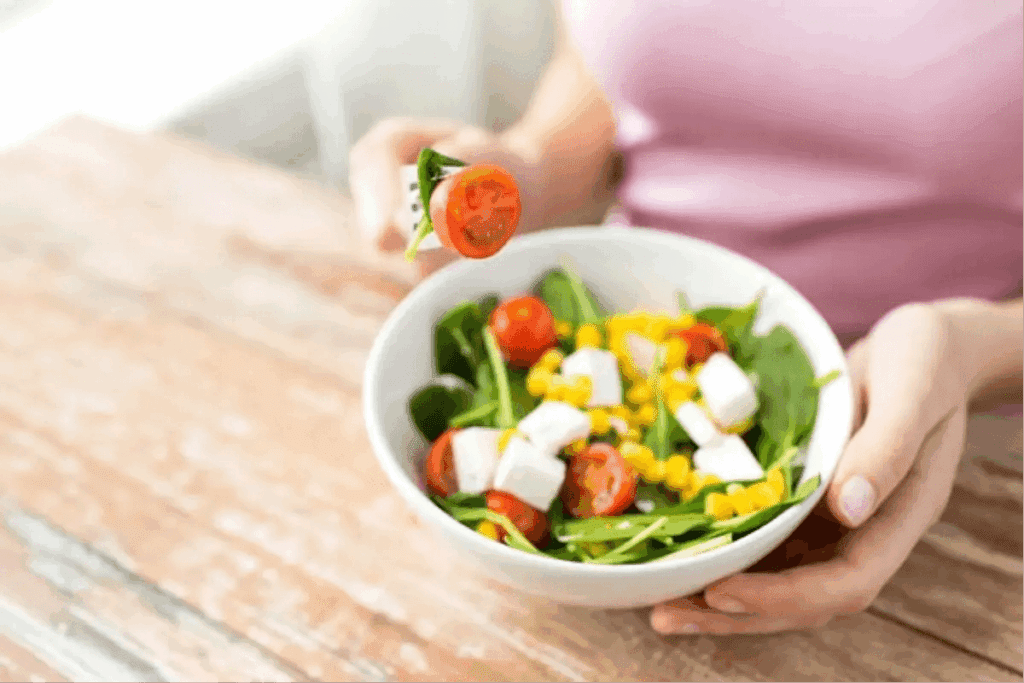
Creating a DASH diet weekly menu plan is key to managing your heart health and blood pressure. The DASH diet is top-rated for heart health. It focuses on whole foods, less sodium, and fewer unhealthy fats. Get a ‘sample DASH diet’ weekly menu. Our simple, powerful plan gives you the best, easy-to-follow meals for amazing health.
We’ll show you how to make a weekly menu plan that’s both healthy and fits your lifestyle. The DASH diet was named the best for heart health and high blood pressure by U.S. News & World Report in 2025. This highlights its success in controlling blood pressure and preventing heart disease.
Key Takeaways
- The DASH diet is a well-researched eating plan that helps lower blood pressure and improve overall health.
- Creating a weekly menu plan is a practical step towards adopting the DASH diet.
- A structured meal plan helps in reducing sodium and unhealthy fats.
- The DASH diet is recognized for its health benefits by leading health authorities.
- A well-planned DASH diet weekly menu can help manage hypertension and prevent cardiovascular disease.
Understanding the DASH Diet Principles
The DASH diet is a plan to help manage blood pressure and improve health. It focuses on foods rich in nutrients, low in saturated fat, and sodium.
What is the DASH Diet?
The DASH diet emphasizes whole grains, fruits, vegetables, lean proteins, and low-fat dairy. It’s a long-term approach to healthy eating. It helps manage blood pressure and reduce heart disease risk.
Nutritional Highlights: It focuses on foods high in fiber, magnesium, potassium, and calcium. These nutrients are key for healthy blood pressure and heart health.
Key Nutritional Components
The DASH diet is rich in fruits, vegetables, whole grains, and low-fat dairy. These foods are packed with potassium, calcium, and fiber. They are often missing in Western diets.
Food Group | Recommended Servings | Examples |
Whole Grains | 6-8 servings daily | Brown rice, whole wheat bread, oatmeal |
Fruits | 4-5 servings daily | Apples, bananas, berries |
Vegetables | 4-5 servings daily | Broccoli, carrots, spinach |
Low-Fat Dairy | 2-3 servings daily | Milk, yogurt, cheese |
Health Benefits of Following DASH
Following the DASH diet can lead to many health benefits. It can lower blood pressure, reduce heart disease risk, and improve nutrition. It focuses on whole, nutrient-dense foods for a healthier lifestyle.
“The DASH diet is a balanced eating plan that is not only effective in lowering blood pressure but also in promoting overall health and well-being.” – American Heart Association
By following the DASH diet, individuals can manage their health and reduce chronic disease risk. It’s a proactive approach to a healthier life.
The Science Behind DASH Diet’s Effectiveness
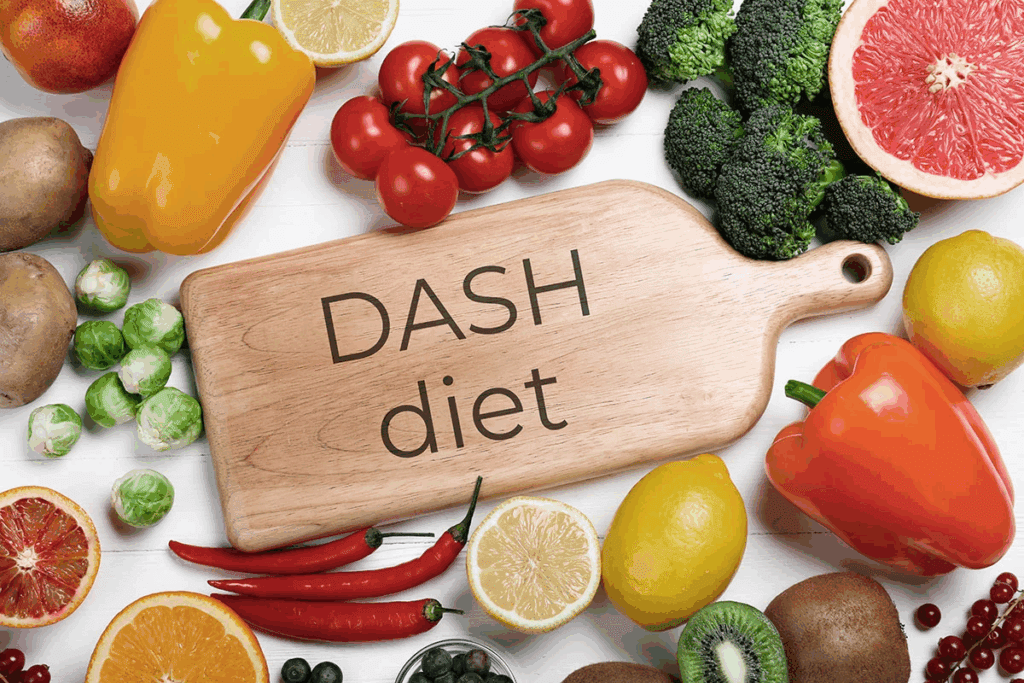
The DASH diet has been studied a lot for its benefits in managing high blood pressure and improving heart health. It’s interesting to see how it works and how it can help us stay healthy.
Research Supporting DASH Diet Benefits
Many studies have shown that the DASH diet can lower blood pressure and improve heart health. Research has shown that the DASH diet can lower blood pressure within a few weeks. This makes it a great choice for people with high blood pressure.
The DASH diet does more than just lower blood pressure. It also helps reduce the risk of heart disease, stroke, and other heart problems. It focuses on whole grains, fruits, vegetables, and lean proteins. This balanced diet supports long-term health.
How DASH Lowers Blood Pressure
The DASH diet is good at lowering blood pressure because it focuses on foods rich in nutrients but low in sodium. These nutrients help control blood pressure and keep the heart healthy.
By eating less sodium and more potassium-rich foods like fruits and veggies, the DASH diet helps balance sodium levels. This supports healthy blood vessels. This balanced nutrition is key to the DASH diet’s success in lowering blood pressure and reducing heart disease risk.
Long-term Health Outcomes
Following the DASH diet can lead to many long-term health benefits. Studies show that people on the DASH diet are less likely to get heart disease, type 2 diabetes, and some cancers. The DASH diet’s focus on whole foods helps maintain a healthy weight, improves insulin sensitivity, and reduces inflammation. All these factors contribute to better overall health.
By making the DASH diet a part of their lifestyle, people can actively manage their heart health and lower their risk of chronic diseases. The DASH diet’s balanced and sustainable approach to nutrition makes it a valuable tool for achieving long-term health and wellness.
DASH Diet Food Groups and Serving Recommendations
To follow the DASH diet, knowing the right food servings is key. It’s a balanced plan that focuses on nutrient-rich foods.
Whole Grains (6-8 servings daily)
Whole grains are essential in the DASH diet. They give us fiber, vitamins, and minerals. Aim for 6-8 servings a day. Good options include brown rice, whole wheat bread, and oatmeal.
Vegetables (4-5 servings daily)
Vegetables are packed with vitamins, minerals, and antioxidants. The DASH diet suggests eating 4-5 servings a day. Dark leafy greens, broccoli, and carrots are great choices.
Fruits (4-5 servings daily)
Fruits are also important, providing vitamins, minerals, and fiber. Aim for 4-5 servings a day. Try to include a variety like apples, bananas, and berries.
Low-Fat Dairy (2-3 servings daily)
Low-fat dairy products are good for calcium and protein. The DASH diet recommends 2-3 servings a day. Opt for skim milk, low-fat yogurt, and reduced-fat cheese.
Here’s a summary of the recommended daily servings for a 2000-calorie DASH diet plan:
Food Group | Recommended Daily Servings | Examples |
Whole Grains | 6-8 | Brown rice, whole wheat bread, oatmeal |
Vegetables | 4-5 | Dark leafy greens, broccoli, carrots |
Fruits | 4-5 | Apples, bananas, berries |
Low-Fat Dairy | 2-3 | Skim milk, low-fat yogurt, reduced-fat cheese |
By following these guidelines, we can make a balanced and nutritious diet. The DASH diet focuses on whole grains, vegetables, fruits, and low-fat dairy. It helps manage blood pressure and supports a healthy lifestyle.
Foods to Limit or Avoid on the DASH Diet
Following the DASH diet means knowing which foods to cut down on. This helps lower blood pressure and boosts heart health. Making smart food choices is key.
Sodium Restrictions (1500-2300mg daily)
The DASH diet focuses on less sodium. Aim for 1500 to 2300 milligrams a day. This helps control blood pressure. Watch the sodium in processed and restaurant foods.
Saturated Fats and Cholesterol
It’s also important to limit saturated fats and cholesterol. Choose lean proteins and low-fat dairy. This supports heart health and fits the DASH diet’s goals.
Added Sugars and Sweetened Beverages
Reducing added sugars and sweet drinks is key. Prefer natural sugars from fruits over added ones. This keeps your diet balanced and supports health.
Processed Foods
Lastly, eat fewer processed foods. Focus on whole foods like veggies, fruits, grains, and lean proteins. They’re better for you and support a healthy diet.
By making these dietary changes, we can better follow the DASH diet. For help, check out a dash diet meal plan pdf or a 7 day low fat diet plan pdf free download. A low sodium meal plan can also help.
Sample DASH Diet Weekly Plan Benefits
Starting a sample DASH diet weekly plan can change your eating habits. It helps you follow the DASH diet better. This leads to better health overall.
Consistency in Nutritional Goals
A good weekly menu keeps you on track with your nutrition goals. This is key for the DASH diet’s health benefits, like lower blood pressure and better heart health.
Planning meals ahead ensures you eat the right amounts of whole grains, veggies, fruits, and low-fat dairy. This keeps your diet balanced and supports your nutritional health.
Reduced Decision Fatigue
Having a weekly meal plan reduces decision fatigue. Knowing your meals in advance saves time and makes eating less stressful.
Benefits of Reduced Decision Fatigue:
- Less time spent on meal planning
- Reduced stress related to food choices
- Increased adherence to the DASH diet
Better Grocery Shopping Efficiency
A weekly menu plan also makes grocery shopping better. Knowing what you need for the week helps you make a focused shopping list. This reduces buying unnecessary items.
Meal Plan Component | Grocery List Item | Quantity Needed |
Breakfast | Oatmeal | 1 pack |
Lunch | Whole Wheat Bread | 1 loaf |
Dinner | Salmon Fillets | 4 pieces |
Improved Dietary Adherence
Lastly, a DASH diet weekly plan helps you stick to the diet. It removes guesswork and makes meal prep easier.
“Planning ahead is key to success on the DASH diet. A weekly meal plan helps you stay on track and makes healthy eating more manageable.”
— DASH Diet Experts
By following these tips and making a DASH diet weekly plan, you can stick to the diet better. This helps you reach your health goals.
Step-by-Step Guide to Creating Your DASH Menu Plan
We will help you make a DASH diet weekly menu plan that fits your needs. A weekly menu plan based on DASH helps you develop lasting eating habits.
Assessing Your Caloric Needs
The first step is to figure out how many calories you need. This depends on your age, sex, weight, height, and how active you are. The DASH diet has different calorie needs for each of these factors to help you get the right amount of energy.
Activity Level | Caloric Needs (Calories/day) |
Sedentary | 1,600-2,000 |
Moderately Active | 2,000-2,400 |
Active | 2,400-3,000 |
Setting Up Your Planning Template
After figuring out your calorie needs, set up your planning template. Decide how many meals and snacks you’ll have each day. Then, plan how many servings from each food group you’ll have.
Key Components of Your Template:
- Breakfast
- Lunch
- Dinner
- Snacks
Balancing Food Groups Across the Week
It’s important to balance your food groups for a good DASH diet meal plan. The DASH diet focuses on whole grains, vegetables, fruits, lean protein, and low-fat dairy. Eating a variety of foods in these groups helps you get all the nutrients you need.
Tracking Sodium Intake Effectively
Keeping sodium intake low is key in the DASH diet. To track sodium, read food labels, choose low-sodium foods, and flavor your food with herbs and spices instead of salt.
Tips for Reducing Sodium:
- Limit processed and packaged foods
- Use salt-free seasoning blends
- Cook at home using fresh ingredients
DASH-Friendly Breakfast Ideas and Planning
Adding DASH-friendly breakfasts to your morning can boost your diet. The DASH diet focuses on whole foods, making breakfast key for a healthy day.
Quick Weekday Options
Busy mornings need quick, healthy breakfasts. Some good choices include:
- Oatmeal with fruits and nuts
- Greek yogurt with berries and honey
- Whole-grain toast with avocado and eggs
These are fast to make and packed with nutrients, fitting the DASH diet well.
Weekend Breakfast Recipes
Weekends are perfect for making more detailed breakfasts. Try these:
- Whole-grain waffles with fresh fruit and yogurt
- Breakfast burritos with scrambled eggs, black beans, and salsa
- Smoked salmon on whole-grain bagels with cream cheese
These can be made ahead and reheated, great for busy mornings.
Breakfast Meal Prep Strategies
Meal prep helps ensure a healthy breakfast. Here are some tips:
- Prepare overnight oats in jars for a quick grab-and-go breakfast
- Muffin tin frittatas are a great make-ahead breakfast option
- Freeze individual portions of breakfast casseroles for easy reheating
Breakfast Option | Nutritional Highlights | Prep Time |
Oatmeal with Fruits | High in fiber, vitamins | 10 minutes |
Greek Yogurt with Berries | Rich in protein, calcium | 5 minutes |
Whole-grain Toast with Avocado | Good source of healthy fats, fiber | 8 minutes |
Plan your breakfasts ahead and pick DASH-friendly options. This way, you can start your day right and stick to your diet goals.
Lunch and Dinner Strategies for DASH Success
To succeed with the DASH diet, planning your lunch and dinner is key. Focus on whole grains, lean proteins, and lots of vegetables. We’ll show you how to make tasty, healthy meals.
Build-a-Bowl Formula for Easy Meals
The build-a-bowl method is easy and flexible. Start with whole grains like brown rice or quinoa. Add lean proteins like chicken or tofu. Then, fill it with colorful vegetables.
Top it off with nuts, seeds, or a citrus dressing. This makes for a nutritious meal.
Example: Use quinoa as the base, add roasted chicken, and mix in broccoli, carrots, and bell peppers. Top it with almonds and a lemon-tahini dressing.
One-Pot DASH-Friendly Recipes
One-pot meals are great for quick, healthy meals. They combine grains, proteins, and veggies in one pot. Try a lentil soup with kale and quinoa or a chicken and vegetable stir-fry with brown rice.
- Lentil soup with kale and quinoa
- Chicken and vegetable stir-fry with brown rice
- Minestrone soup with whole wheat pasta
Batch Cooking for Busy Weeks
Batch cooking is perfect for busy times. It lets you prepare meals in advance. Cook big batches of rice, roast veggies, and grill chicken. Mix and match these to create different meals.
Tip: Use a slow cooker for meals that simmer all day. They turn out tender and flavorful.
Transforming Leftovers into New Meals
Turning leftovers into new meals is creative and saves time. Use last night’s dinner in a new way. For example, add leftover chicken to a salad or a whole grain bowl. This keeps your meals interesting and reduces waste.
Example: Use leftover roasted veggies in a frittata or a whole grain wrap with hummus.
DASH-Approved Snacks and Desserts
On the DASH diet, it’s important to snack smartly. Choose foods that are full of nutrients but low in sodium and sugar. Healthy snacks are key to the DASH diet, giving you the energy and nutrients you need.
Smart Snacking Options
Nuts, fruits, and low-fat dairy are great snacks on the DASH diet. They’re not only good for you but also help keep your diet balanced.
- Nuts: Almonds, walnuts, and pecans are rich in healthy fats and protein.
- Fruits: Apples, bananas, and berries are high in fiber and antioxidants.
- Low-fat Dairy: Yogurt and milk provide calcium and protein without excessive fat.
Naturally Sweet Treats
Desserts can be part of the DASH diet if you choose wisely. Go for fruits or desserts with little added sugar.
Dessert Option | Nutritional Benefits |
Fresh Fruit Salad | High in fiber, vitamins, and antioxidants |
Low-fat Yogurt with Berries | Rich in calcium and protein |
Baked Apples | Good source of fiber and antioxidants |
Portion Control Strategies
It’s important to control your portions on the DASH diet. Even healthy foods can lead to overeating. So, measure your snacks and be mindful of how much you eat.
Tips for Effective Portion Control:
- Use measuring cups or a food scale to measure snack portions.
- Divide snacks into individual servings to avoid overeating.
- Choose snacks that are naturally portion-controlled, like individual fruits or small packs of nuts.
By following these tips, you can enjoy a variety of DASH-approved snacks and desserts. This way, you can stick to the diet’s health benefits.
7-Day Sample DASH Diet Menu Plan
Here’s a 7-day DASH diet menu plan to help you on your diet journey. It includes breakfast, lunch, and dinner for each day. Plus, a shopping list to keep you on track.
Monday through Wednesday Meals
Let’s begin with the first three days of our 7-day DASH diet menu plan. These meals are easy to make and taste great.
- Monday: Breakfast – Oatmeal with banana and almond milk; Lunch – Grilled chicken salad; Dinner – Quinoa and vegetable stir-fry.
- Tuesday: Breakfast – Yogurt parfait with berries and granola; Lunch – Whole-grain pita stuffed with roasted vegetables; Dinner – Baked salmon with roasted sweet potatoes.
- Wednesday: Breakfast – Smoothie bowl with spinach, banana, and almond milk topped with nuts; Lunch – Lentil soup with whole-grain bread; Dinner – Grilled turkey breast with roasted broccoli.
Thursday through Sunday Meals
Here are the meals for the last days of our 7-day DASH diet menu plan.
- Thursday: Breakfast – Scrambled eggs with spinach and whole-grain toast; Lunch – Grilled chicken wrap with avocado; Dinner – Shrimp and vegetable skewers with quinoa.
- Friday: Breakfast – Whole-grain waffles with berries and yogurt; Lunch – Chicken Caesar salad; Dinner – Baked chicken breast with roasted asparagus.
- Saturday: Breakfast – Omelette with vegetables and whole-grain toast; Lunch – Grilled chicken breast with mixed greens salad; Dinner – Grilled steak with roasted Brussels sprouts.
- Sunday: Breakfast – Breakfast burrito with scrambled eggs and black beans; Lunch – Turkey and avocado wrap; Dinner – Baked cod with quinoa and steamed green beans.
To see your weekly meal plan, here’s a sample meal table:
Day | Breakfast | Lunch | Dinner |
Monday | Oatmeal with banana | Grilled chicken salad | Quinoa and vegetable stir-fry |
Tuesday | Yogurt parfait | Whole-grain pita with roasted vegetables | Baked salmon with roasted sweet potatoes |
Wednesday | Smoothie bowl | Lentil soup with whole-grain bread | Grilled turkey breast with roasted broccoli |
Thursday | Scrambled eggs with spinach | Grilled chicken wrap with avocado | Shrimp and vegetable skewers with quinoa |
Friday | Whole-grain waffles with berries | Chicken Caesar salad | Baked chicken breast with roasted asparagus |
Saturday | Omelette with vegetables | Grilled chicken breast with mixed greens salad | Grilled steak with roasted Brussels sprouts |
Sunday | Breakfast burrito | Turkey and avocado wrap | Baked cod with quinoa and steamed green beans |
Shopping List for the Week
Here’s a shopping list for your DASH diet journey based on our 7-day menu plan:
- Fruits: Bananas, berries, apples
- Vegetables: Spinach, broccoli, bell peppers, carrots
- Proteins: Chicken breast, turkey breast, salmon, shrimp, cod
- Grains: Whole-grain bread, quinoa, brown rice, whole-grain pasta
- Dairy: Low-fat milk, yogurt, almond milk
- Nuts/Seeds: Almonds, granola, nuts for smoothie bowl
Overcoming Common DASH Diet Challenges
Starting the DASH diet can be tough. It’s flexible but faces many hurdles. Knowing how to tackle these is key.
Dining Out While Following DASH
Eating out on the DASH diet is doable. Pick places with fresh foods and watch your portions. Choose grilled or baked over fried.
Here are some tips for dining out:
- Ask for nutrition info to make better choices
- Go for dishes with veggies, lean meats, and whole grains
- Limit added salt and sugary sauces
Managing Salt Cravings
Reducing salt is a big challenge. Slowly cut down on salt to get used to it.
Try these tips to manage salt cravings:
- Use herbs and spices for flavor
- Try salt-free seasoning blends
- Slowly reduce salt in recipes
Adapting Family Recipes to DASH Guidelines
Changing family recipes can be fun. Start by making a few healthier versions of favorites.
Here’s how to adapt recipes:
Original Recipe | DASH Adaptation |
Using salt for flavor | Using herbs and spices instead |
Frying foods | Baking or grilling foods |
High-sodium ingredients | Low-sodium alternatives |
Staying Motivated Long-Term
Keeping up motivation is vital. Set achievable goals, track your progress, and celebrate small wins.
Having a support group helps a lot. Friends, family, or online groups can keep you going.
By tackling these challenges, you can stick to the DASH diet. This leads to better health in the long run.
Conclusion: Sustaining the DASH Diet Long-Term
As we wrap up our guide on the DASH diet weekly menu plan, it’s key to remember. The DASH diet is a long-term way to eat healthy. It can greatly lower blood pressure and boost heart health.
By sticking to the guide’s principles, people can make a balanced eating plan. This plan includes whole grains, fruits, veggies, and low-fat dairy. This balanced eating helps reach and keep health goals.
To keep up with the DASH diet, it’s important to make smart food choices and watch sodium. This way, people can enjoy the diet’s benefits and live a better life. We urge readers to keep going on their path to a healthier life, using the DASH diet as a base for lasting wellness.
FAQ
What is the DASH diet and how does it help with heart health?
The DASH diet is a healthy eating plan. It lowers blood pressure and boosts overall health. It focuses on whole grains, fruits, veggies, lean proteins, and low-fat dairy.
How can I create a weekly menu plan for the DASH diet?
Start by figuring out how many calories you need. Use a planning template to organize your meals. Make sure to balance food groups and track sodium intake.
What are the key nutritional components of the DASH diet?
The DASH diet is all about whole grains, veggies, fruits, low-fat dairy, lean proteins, and healthy fats. It limits sodium, saturated fats, and added sugars.
What foods should I limit or avoid on the DASH diet?
Avoid foods high in sodium, saturated fats, added sugars, and processed foods. This includes sweetened drinks and refined grains.
How can I make meal planning easier and more effective on the DASH diet?
Use build-a-bowl formulas and one-pot recipes. Batch cooking and turning leftovers into new meals help. Plan for healthy snacks and sweet treats too.
What are some DASH-friendly breakfast ideas?
Try oatmeal with fruits and nuts, whole-grain toast with avocado and eggs, or Greek yogurt with berries and granola.
How can I stay motivated to follow the DASH diet long-term?
Focus on the diet’s benefits, like lower blood pressure and better health. Seek support from healthcare pros or registered dietitians.
Can I follow the DASH diet while dining out?
Yes, choose restaurants with healthy options. Be mindful of portion sizes. Pick dishes low in sodium and saturated fats.
How can I adapt family recipes to fit the DASH diet guidelines?
Reduce sodium and saturated fats in recipes. Use herbs and spices for flavor. Add more fruits, veggies, and whole grains.
What is a healthy diet weekly menu plan?
It’s a meal and snack plan for the week. Focus on nutrient-dense foods and balanced nutrition, like the DASH diet.
How can I track my sodium intake on the DASH diet?
Read food labels and use a food diary or app. Plan meals to stay within daily sodium limits.
What are some benefits of having a 7-day low-fat diet plan?
A 7-day low-fat diet, like the DASH diet, aids in weight management. It improves heart health and reduces chronic disease risk.
Reference
National Center for Biotechnology Information. Evidence-Based Medical Guidance. Retrieved from https://www.ncbi.nlm.nih.gov/pmc/articles/PMC10551663/